A Kazakh built a startup that legalized electric scooters in the Netherlands.
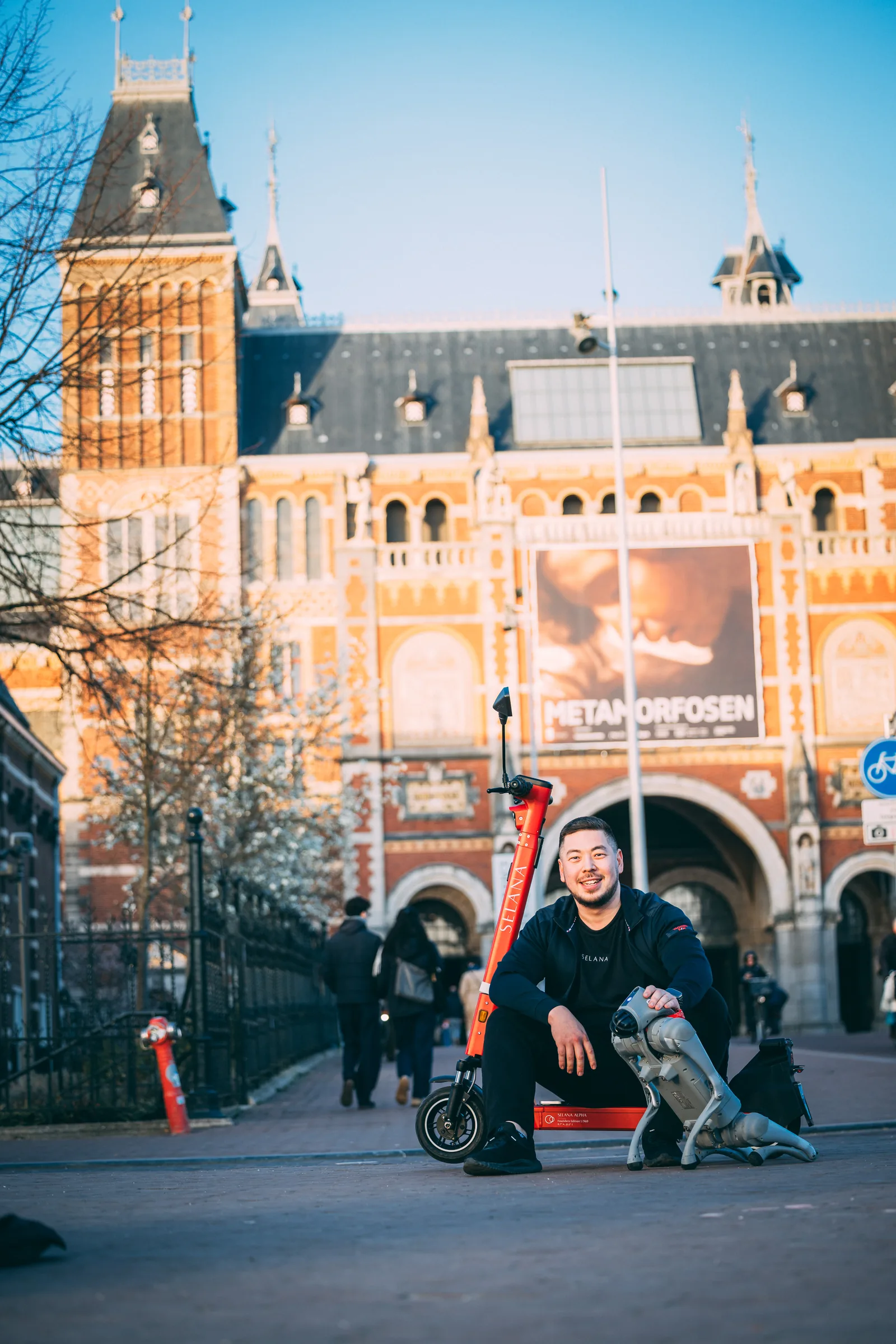
Chingiskhan Kazakhstan is an entrepreneur from Kazakhstan who moved to the Netherlands for his studies and launched several tech companies, including the country’s first legal electric scooter brand.
Chingiskhan Kazakhstan, City — Amsterdam, CEO & Co-Founder, Instagram, LinkedIn
How It All Started
I came to the Netherlands to study. Even during my studies, I wanted to create something large-scale—a product that could truly change the world for the better. In my second year, I became interested in startups and launched my first project.
I taught myself: I watched YouTube videos, learned how to create business plans, financial models, and forecasts.
The idea for our current project came from observing the market: we are creating the first and only fully legal electric scooter in the Netherlands. Before us, no such solution existed, and currently, there are no similar projects on the market.
I am also a Forbes 30 Under 30 listee and a European Union Climate Ambassador. My family is from Kazakhstan, from a farming background. Although I now live and work in the Netherlands, in the future, we plan to develop projects in Kazakhstan as well.
Launching the Startup
Even while studying, I started working on my own project—a podcast and interviews with company CEOs. I asked them questions that genuinely interested me and received practical answers from people who were actually running businesses.
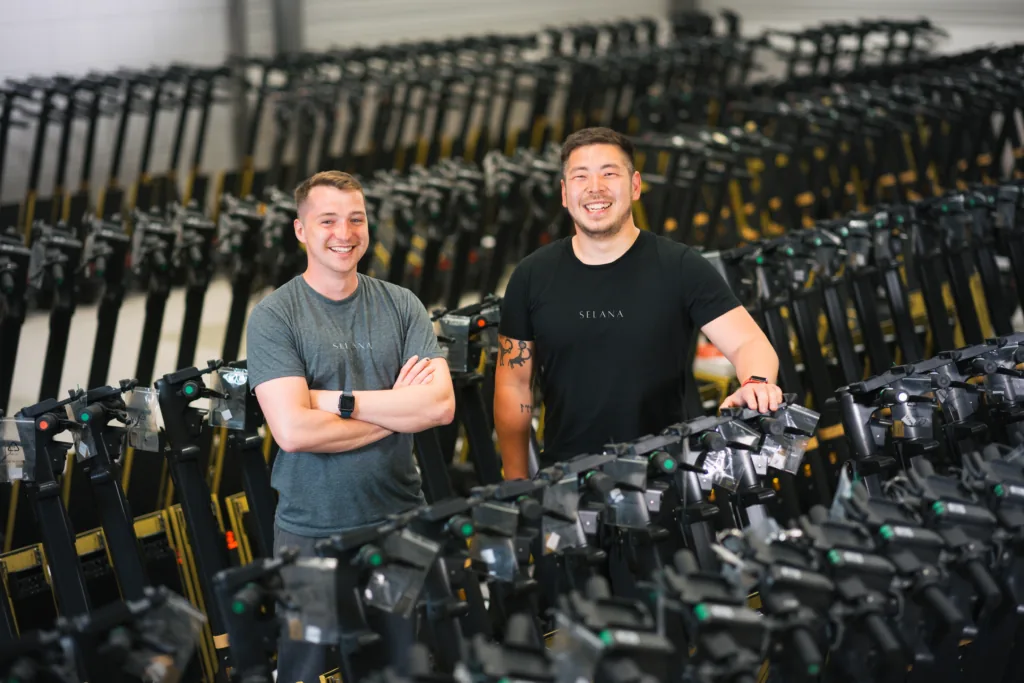
I always say that university is the ideal place to start something of your own. I am a business student, “I don’t know anything,” so it is especially important to surround myself with people who are stronger in different areas. So, my co-founder Max from England and I walked around the campus and simply asked people if they wanted to join the project. We visited the engineering building and IT departments because we needed to develop an app. That’s how we assembled our first team and started building the first prototypes.
Now we have an international team. Our headquarters is in Amsterdam—this is where we handle marketing and sales. In China, we have production, which is fully managed by local teams responsible for quality and product. We also have developers in Kazakhstan.
Currently, the team consists of about 12 people. In my previous project, I had around 25 employees. Recently, we announced the exit of Bondi.city—one of the first electric bike sharing services in the region, which operated in eight cities and had thousands of users.
This experience showed me that team size is not as important as its quality and clear distribution of responsibilities. Now, we approach hiring much more carefully.
We did not participate in accelerators or incubators—we learned independently and through direct contacts with people from the industry.
Target Audience
In the Netherlands, urban infrastructure is already well-developed, and speed limits for cars are being introduced—down to 30 kilometers per hour. Owning a car is becoming increasingly expensive: parking, fuel, and lack of space in cities.
This creates demand for alternative modes of transport. Bicycles remain popular, but they are not suitable for everyone—not everyone is ready to use them regularly in their daily lives.
On Difficulties
The biggest difficulty is when people don’t believe in you. We were also told that it was impossible, that we should give up and not waste our time. But if you have a strong co-founder and a few people supporting you nearby, it becomes easier to keep going. The main thing is not to stop and keep moving forward.
During my studies, I often encountered situations where my surroundings didn’t understand what I was doing. At family gatherings, I was told: “Stop talking about your startups, no one is interested.” That’s when I decided to create my own community for startup founders and investors.
Now, this is one of the largest communities in the Netherlands. We regularly host events, and we have our own hub in central Amsterdam. It all started as an initiative in my free time—around people who truly want to create something.
I noticed that many founders don’t even have one close person from the same field to discuss ideas or challenges with. So, my main advice is to surround yourself with the right people and build your own community.
Achievements
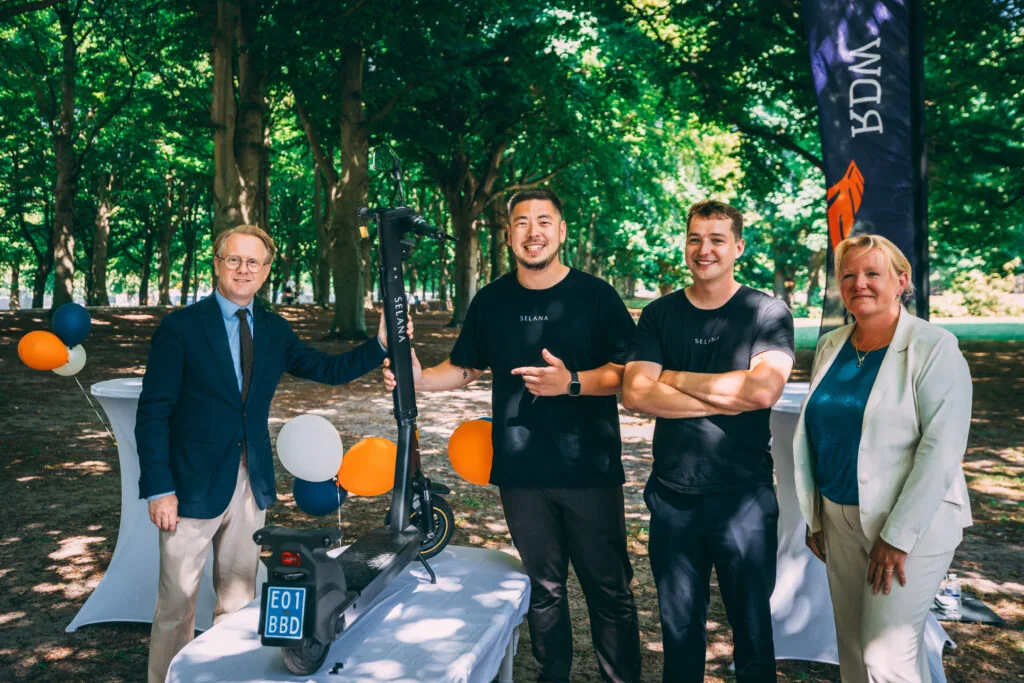
We had to essentially participate in changing the legislation. In the Netherlands, electric scooters were not considered a vehicle, so we worked extensively on safety, technology, and product quality requirements. As a result, our product is now regulated at the same level as car manufacturers—such as Tesla or Mercedes.
Over six years, we managed to change the legislation because we believe this is a good alternative to cars in cities.
Besides changing the legislation, we have another parallel project. This is no longer a startup in the classic sense—it became fully profitable in less than a year.
This is a platform for buying and selling sharing fleets: electric scooters, electric bikes, and cars. In a short time, more than 19,000 units of equipment have passed through it worldwide.
Now, thanks to this project, the sharing model is beginning to develop even in Africa, because new products from Asia are often too expensive. We use the secondary market from Europe and help deliver equipment to Africa and the Caribbean region, where this allows for more affordable mobility. Essentially, we are slightly increasing access to transportation in these regions.
We do not operate a sharing service directly. Previously, we had a separate company in this field, but we have already sold it. Now, we are focused on selling scooters and electric bikes in B2C and B2B models.
We are also a manufacturer: the Dutch government classifies us as a car manufacturer because we are fully responsible for the product, quality, and safety.
The idea for this business came from personal experience. When I first came to the Netherlands from Kazakhstan, I was surprised that you practically “need a car” to live here. At the same time, I myself came to the conclusion that alternative mobility can and should be developed.
I would like to see a world where people depend less on cars and interact more with each other in urban spaces. Additionally, my attitude toward transportation was influenced by a personal event—I was once hit by a car. After that, I became even more convinced of the need for a safer and more “human” urban environment.
Plans
Currently, we have a de facto monopoly in the Netherlands, and we are actively entering the Dutch market. We are communicating with all major retailers and businesses. Our goal is to maximize market share by the end of the year so that our product is literally on every street.
Next, we plan to expand into the UK, Belgium, and Germany.
I am developing several businesses:
Selana — the first and only legal E-step brand in the Netherlands, which has effectively changed the legislation and created a new category of transport. We focus on quality, safety, and premium design.
Fleetser — a platform that helps fleet owners buy and sell light electric transport. More than 20,000 electric bikes and other E-vehicles have already passed through it.
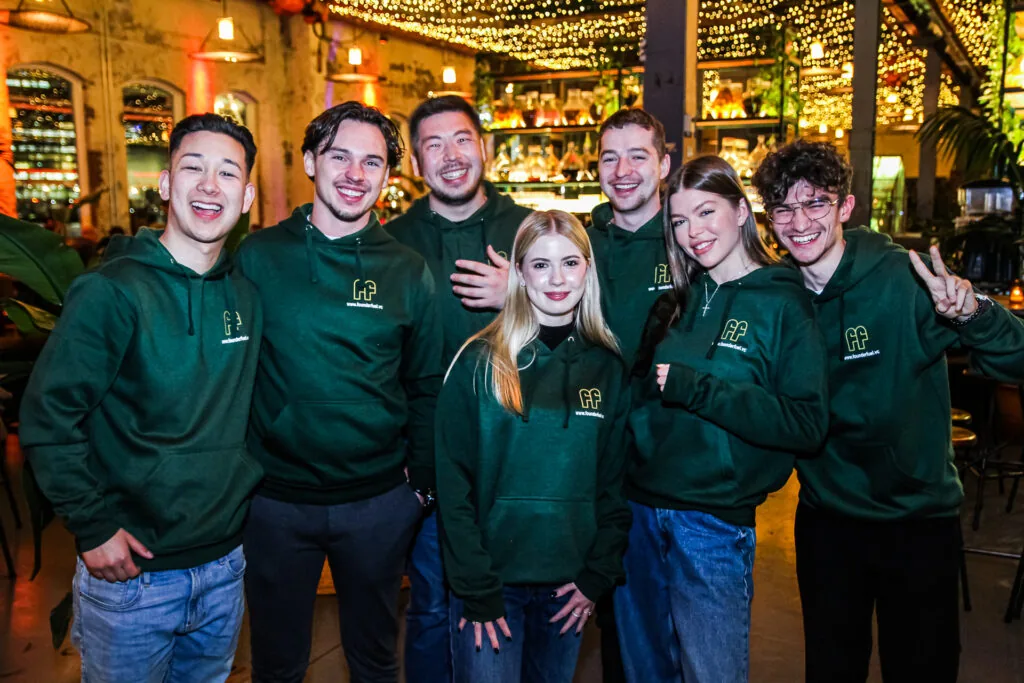
FounderFuel.vc — an early-stage venture fund and closed community for founders and investors in the Netherlands with checks up to €500,000.
Previously, we also developed Bondi.city — an electric bike sharing service that grew from zero to eight cities in four months and was later acquired by an operator with more than 10,000 vehicles.
We are growing actively: in one of our previous projects, there were about 100,000 users. Now, Selana is also beginning to scale actively.
The Tech on Telegram Follow The Tech on Telegram
Keep up with the latest technology and startup news.
Related reading






More from this author

Article Useful
How to protect your accounts from hacking: 8 settings you should check today
The Tech

Article Useful
500 Global: How the Accelerator Works and Who Can Receive Investments
The Tech

Article Interviews
Game Development in Central Asia: Arkady Moldavski on Developing Reverb and the Growth of the Industry
The Tech

Article Useful
Google, Tesla, BlackRock, and the IMF: Where to Apply for an Internship in Fall 2026
The Tech

News IT
Tesla unveiled the flying electric car Roadster
The Tech

News IT
Intero Biosystems startup won the Startup Battlefield at TechCrunch Disrupt 2026
The Tech