How to protect children from AI risks: an expert's perspective
Author - Mansur Ismagulov
The Tech AI
Get the key points in seconds - a short summary from The Tech AI.
Bruce Reed, former deputy chief of staff to the President of the United States, collaborated with Anthropic and OpenAI on AI safety agreements. He is involved with Common Sense Media, emphasizing the importance of measures before business practices become entrenched. Parents are concerned about chatbots, while experts call for a balance between innovation and data protection, particularly against deepfakes, to maintain user trust.
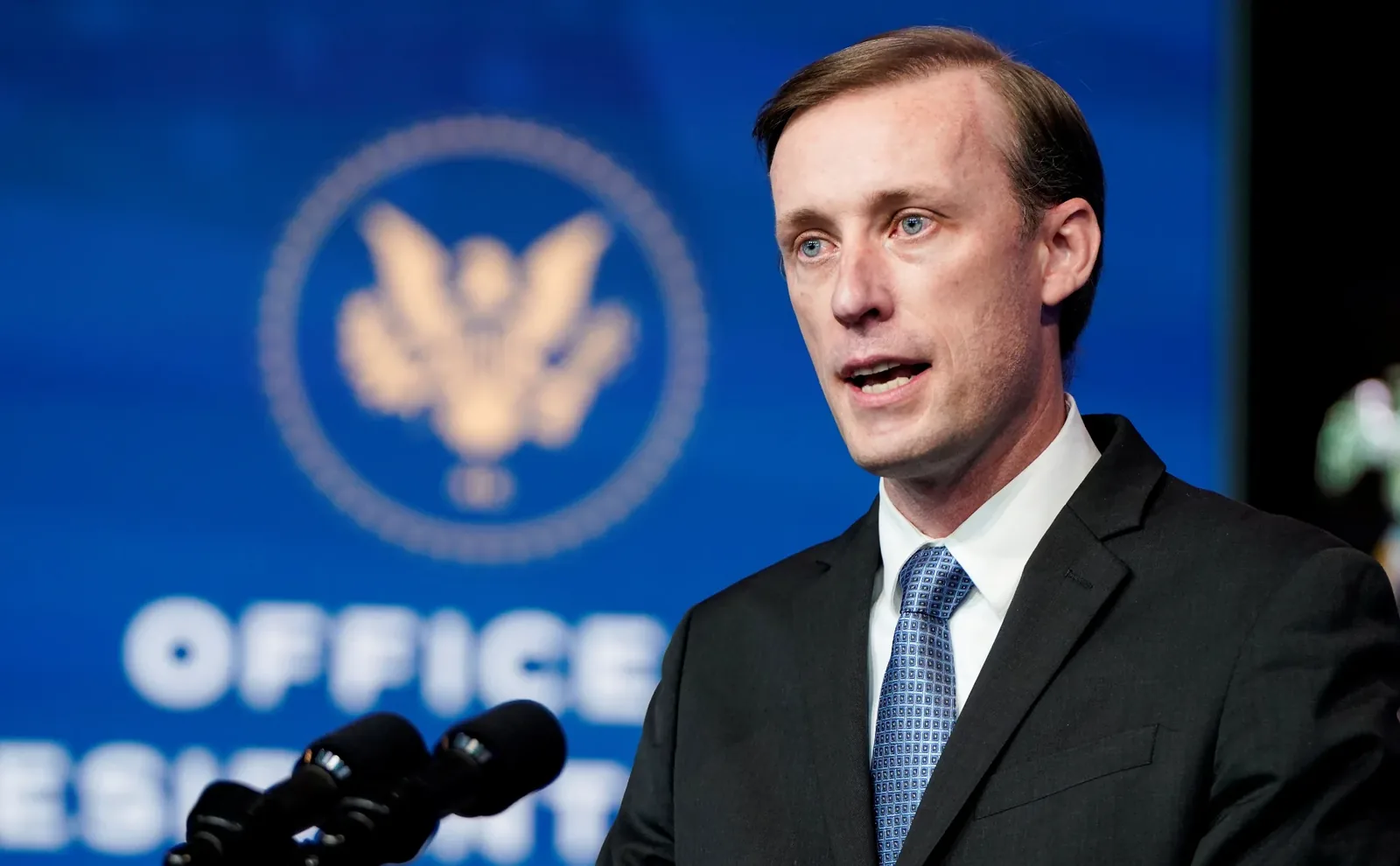
Bruce Reed, formerly the deputy chief of staff to the President of the United States, led efforts to collaborate with leading artificial intelligence companies, such as Anthropic and OpenAI, to develop voluntary agreements to ensure the safety of their products.
After leaving government service, Reed continued to work on issues related to AI technologies. He describes these technologies as "exciting, fascinating, and sometimes complex." He is also actively involved with Common Sense Media, an organization that helps parents and children interact safely with media and technology.
Reed emphasizes that now is a critical moment to take safety measures in the AI sector before business practices become entrenched and difficult to regulate.
Rising parental concern about AI chatbots
While scientists continue to study the impact of social media on teenagers' mental health, parents are increasingly expressing concern about their children's interactions with AI-powered chatbots.
The need for new regulatory approaches
According to representatives of Common Sense Media, it is important to revise existing legislative mechanisms to account for risks associated with AI development. This is particularly relevant for California, where many technology companies are concentrated. In the past, this state has already passed laws that became benchmarks for other regions.
Safety and innovation: the importance of balance
Many industry experts believe that companies developing AI solutions should pay more attention to testing and user protection before bringing products to market. This is especially important given the rise in lawsuits related to digital security.
Lawsuits can lead to the disclosure of internal company processes, loss of trust from users and investors, and public concern. All of this makes user protection an integral part of long-term business sustainability.
Balanced development of technology and safety
Despite criticism from some IT investors, experts continue to insist that innovation should develop in parallel with the implementation of safety and data protection standards. This is particularly important when dealing with teenagers and children, who are a vulnerable audience.
One of the key issues requiring collaboration between the industry and regulators is the fight against deepfakes—technologies that have already caused serious consequences for teenagers. Regulatory measures and developer oversight should become an integral part of combating this phenomenon.
Recent initiatives aimed at strengthening user protection include bills addressing the spread of unauthorized images. IT companies are beginning to actively work in this direction, implementing control and transparency tools.
At present, the main question is how to ensure rapid technological progress without compromising user rights and safety. Experts believe this is entirely possible if risks are considered from the outset and measures are implemented to protect data, ensure solution transparency, and promote ethical AI product development.
Source: mashable.com
The Tech on Telegram Follow The Tech on Telegram
Keep up with the latest technology and startup news.
Related reading







More from this author

News
zypl.ai begins operations in Japan and focuses on next-generation risk models
Mansur Ismagulov

News
Elon Musk's net worth has exceeded $700 billion for the first time
Mansur Ismagulov
Article Interviews
"Central Asian countries should build a joint ecosystem," — Bekhzod Ismoilov on the development of AI in the region
Mansur Ismagulov

Article Interviews
Bloom's Taxonomy and Engineering Levels: A Practical Growth Model
Mansur Ismagulov

Article Useful
How the IT industry in Azerbaijan developed in 2025: key events
Mansur Ismagulov
News
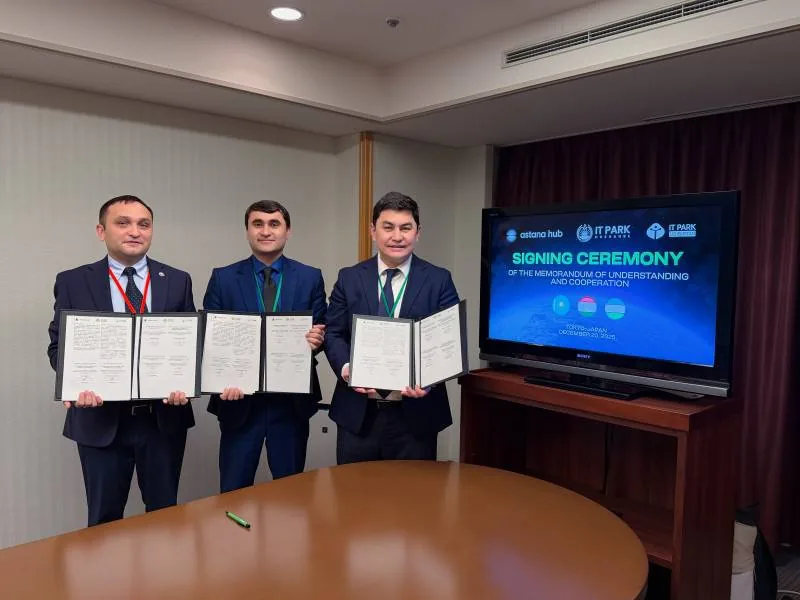
Tajikistan has become a new member of the regional innovation alliance Central Asian Innovation Hubs
Mansur Ismagulov