How the startup Polygraf AI, founded by Azerbaijani expats, is conquering the US AI security market
Polygraf AI, a startup founded by an Azerbaijani entrepreneur, helps American companies safely implement AI. In an interview, Head of Product Anar Bayramov shared the company's story, discussed industry challenges, and outlined its growth strategy.
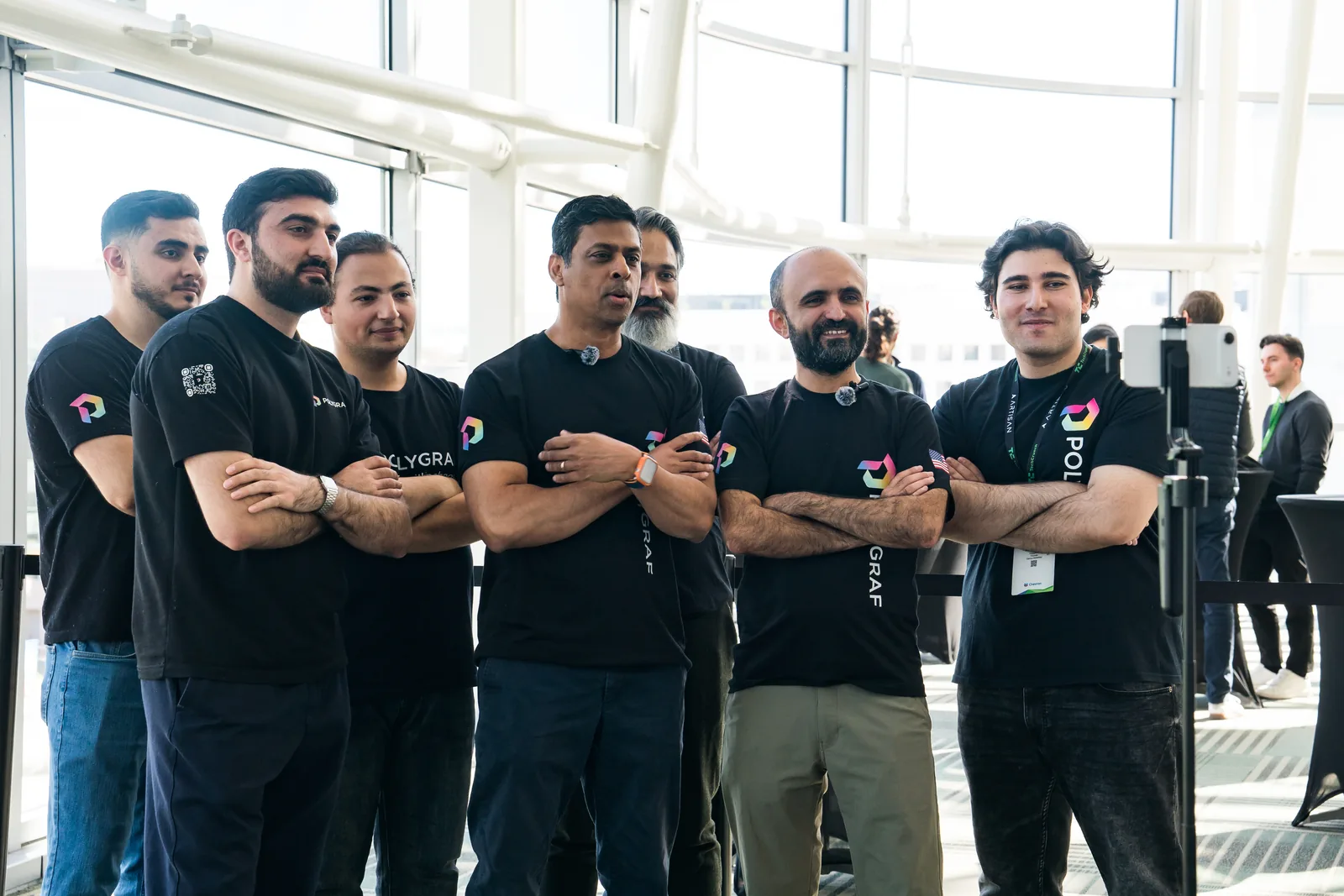
Anar Bayramov, City — Baku, Head of Product at Polygraf AI, LinkedIn
How It All Started
I serve as Head of Product at Polygraf AI, where I am responsible for product development and go-to-market strategy. I studied IT in college and, during my studies, worked on my own startup, which reached the prototype stage. After that, I decided to join Polygraf as one of its founders.
I joined Polygraf AI in 2023, when the company was in its early stages and defining its direction in AI security and AI governance. From day one, we saw what was coming next: AI adoption is accelerating, and with it, security risks are growing. This is what drove us to create an AI Governance technology based on our own small language models.
In 2023, with the release of ChatGPT and other large AI models, we saw growing interest from enterprises ready to implement AI tools. However, there was a clear gap in AI security. As a result, we decided to create a solution that allows companies to safely implement AI, leveraging the benefits of AI tools while reducing risks such as model hallucinations, data leaks, and other security threats.
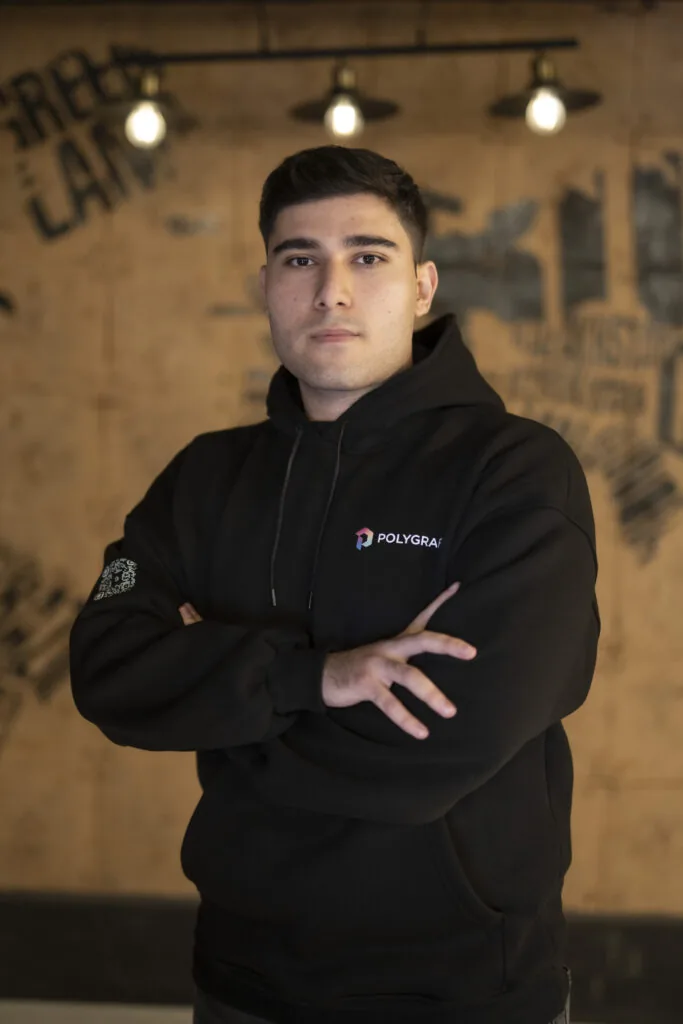
The Team
We have an excellent team. Our founder, Yagub Rahimov, has already had two successful exits. He has been working in the fields of machine learning and finance since 2012 and has a deep understanding of the market and its needs.
Our AI team primarily consists of PhDs in AI who are studying in the US. They are the reason we focused on small language models: both they and we are convinced that these technologies can be truly useful in the AI security industry.
We also have outstanding advisors, including Dr. Travis Oliphant, the creator of NumPy and SciPy, as well as experts from the US defense industry, including former Congressman Chris Stewart and John Pereira, former Deputy Director of the CIA and National Intelligence Advisor.
Overall, our team possesses the necessary expertise, knowledge, and market understanding to build our products.
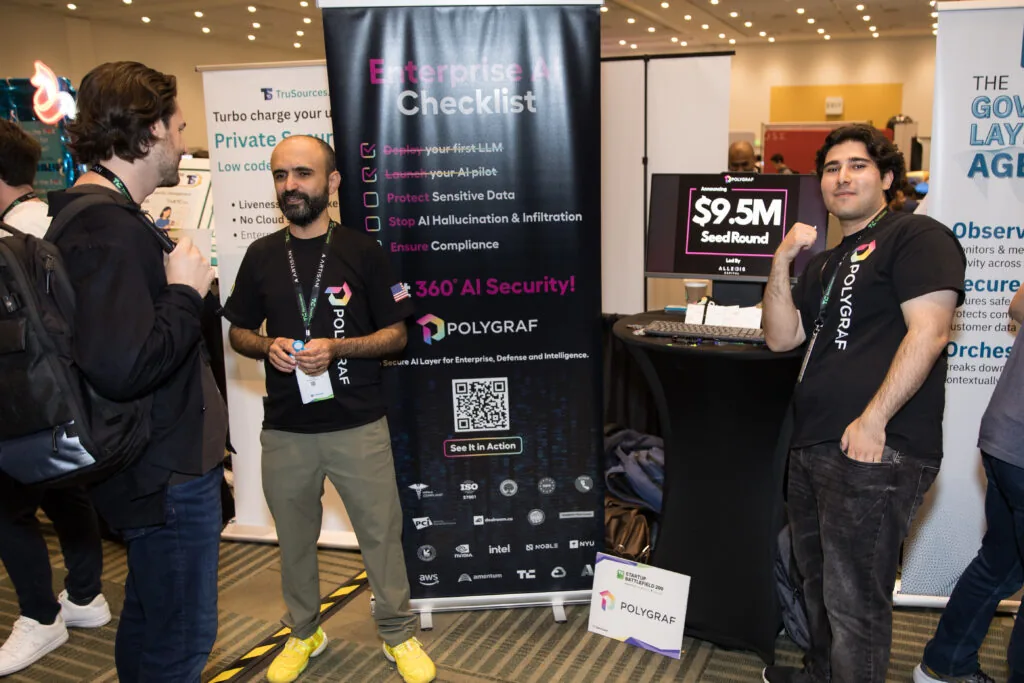
Target Audience
We primarily operate in the US, targeting regulated and critical industries. These are any organizations that process large volumes of customer or confidential data. Key industries include finance, healthcare, government agencies, law firms, and insurance.
Currently, we are focused on creating products that allow clients to use AI in their workflows or process customer data with AI without transferring this information to external systems. These industries show high interest because they understand the problem and see the need for such solutions. This is why we are seeing positive feedback from the market.
Incubation Programs
We are participants in the Intel Alliance and the NVIDIA Inception program. In most cases, we try not to participate in accelerators, as our main focus is product development and go-to-market execution. Our goal is to shift the emphasis from learning to practical implementation. With our experienced team, we prioritize results and efficient execution.

On Challenges
Integrating AI into critical systems—such as government databases, medical records, or financial infrastructure—is always associated with high risks. AI models process sensitive data, and there is a significant risk of leaks or manipulation.
We have observed rapid AI adoption: almost every company wanted to integrate it to boost productivity. However, with productivity comes responsibility—the need to manage potential risks. We have identified three main risks:
- Employees may accidentally transmit confidential data to AI. Research shows that more than 73% of employees unintentionally disclose company data or confidential information to AI.
- Malicious actors can manipulate AI models, triggering unpredictable or hallucinated responses.
- Ignoring AI security issues. One cannot focus solely on AI implementation without implementing corresponding protection measures.
For example, one of the US public transport groups approached us after a serious AI security incident. They worked with two major contractors and spent six months and over $25 million implementing an AI chatbot. On the very first day after launch, the chatbot caused a leak of sensitive information. We were brought in to solve the problem, and within 72 hours, we secured their system. All data passing through AI was anonymized and de-anonymized upon output, which reduced leak prevention incidents by 78% and significantly lowered AI token consumption.
As for advice to founders: we live in a post-AI era, where the barrier to entry for building products has decreased significantly. AI programming tools can generate websites or working prototypes in minutes, so startups launch very quickly, and competition is high.
To stand out, founders must deeply understand their customers—their ideal customer profile (ICP) and real pain points. Products should be built not just for the sake of launching, but to solve a specific customer problem. Focusing on real value is the only way to differentiate a product and succeed on the startup path.
Achievements
I began my entrepreneurial journey back in college. I was fortunate to present my company on the TechCrunch stage, was nominated for and won the Product Leader Awards by Products That Count. I also served as a judge for innovation awards at CES in Las Vegas and recently became a startup mentor at the Startup World Cup. Experience has shown that if you create something meaningful, people appreciate it and are willing to help.
From a funding perspective: we have completed two major rounds. In the first round, we raised $1.65 million for product development and launch. In the latest round, we raised $10 million, and we are currently scaling operations.
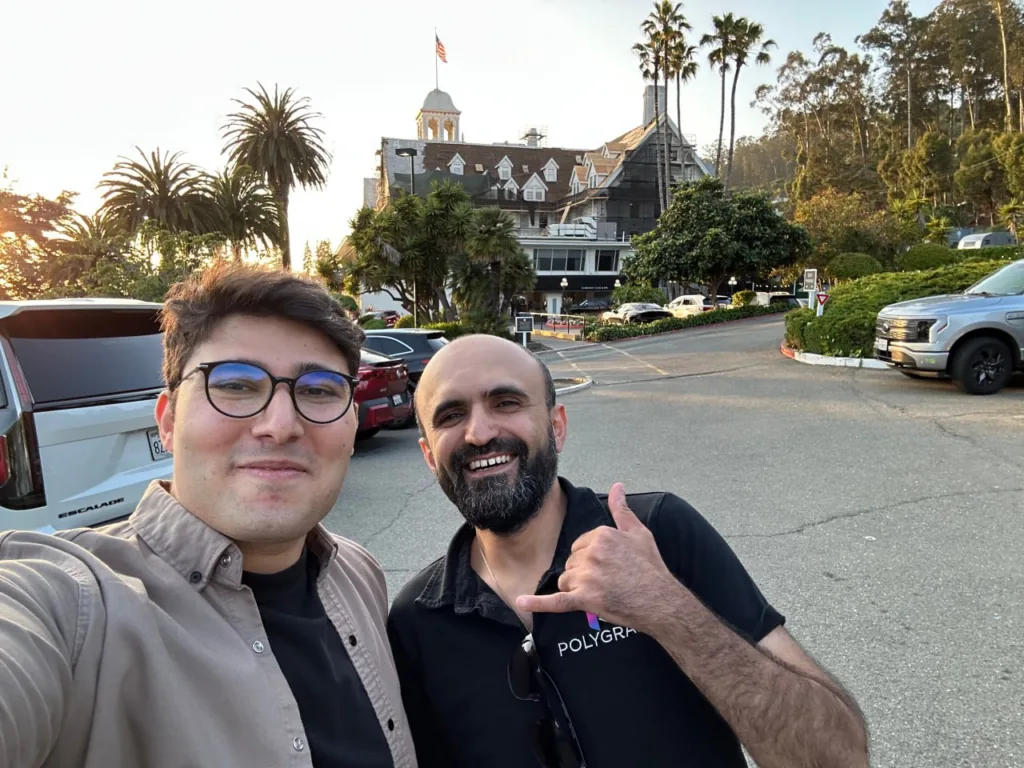
Plans
Our main goal is to raise awareness about AI security issues. We see many cases where AI security is treated as secondary. Companies implement AI first and only later realize the need for data protection. By that time, AI is already processing sensitive data, but security measures have not been implemented. Our task is to help companies understand the importance of protecting customer and company data to prevent leaks into AI systems.
The second goal is expansion into new markets. Currently, we operate primarily in the US, but we are considering expansion to help more organizations implement AI safely.
The Tech on Telegram Follow The Tech on Telegram
Keep up with the latest technology and startup news.
Related reading






More from this author

Article Useful
How to protect your accounts from hacking: 8 settings you should check today
The Tech

Article Useful
500 Global: How the Accelerator Works and Who Can Receive Investments
The Tech

Article Interviews
Game Development in Central Asia: Arkady Moldavski on Developing Reverb and the Growth of the Industry
The Tech

Article Useful
Google, Tesla, BlackRock, and the IMF: Where to Apply for an Internship in Fall 2026
The Tech

News IT
Tesla unveiled the flying electric car Roadster
The Tech

News IT
Intero Biosystems startup won the Startup Battlefield at TechCrunch Disrupt 2026
The Tech