How to Attract Over $1 Million in Investments: The TASS Vision Case
We analyze how the TASS Vision startup attracted $1.5 million in investments — from the first check of $350,000 to an international round.
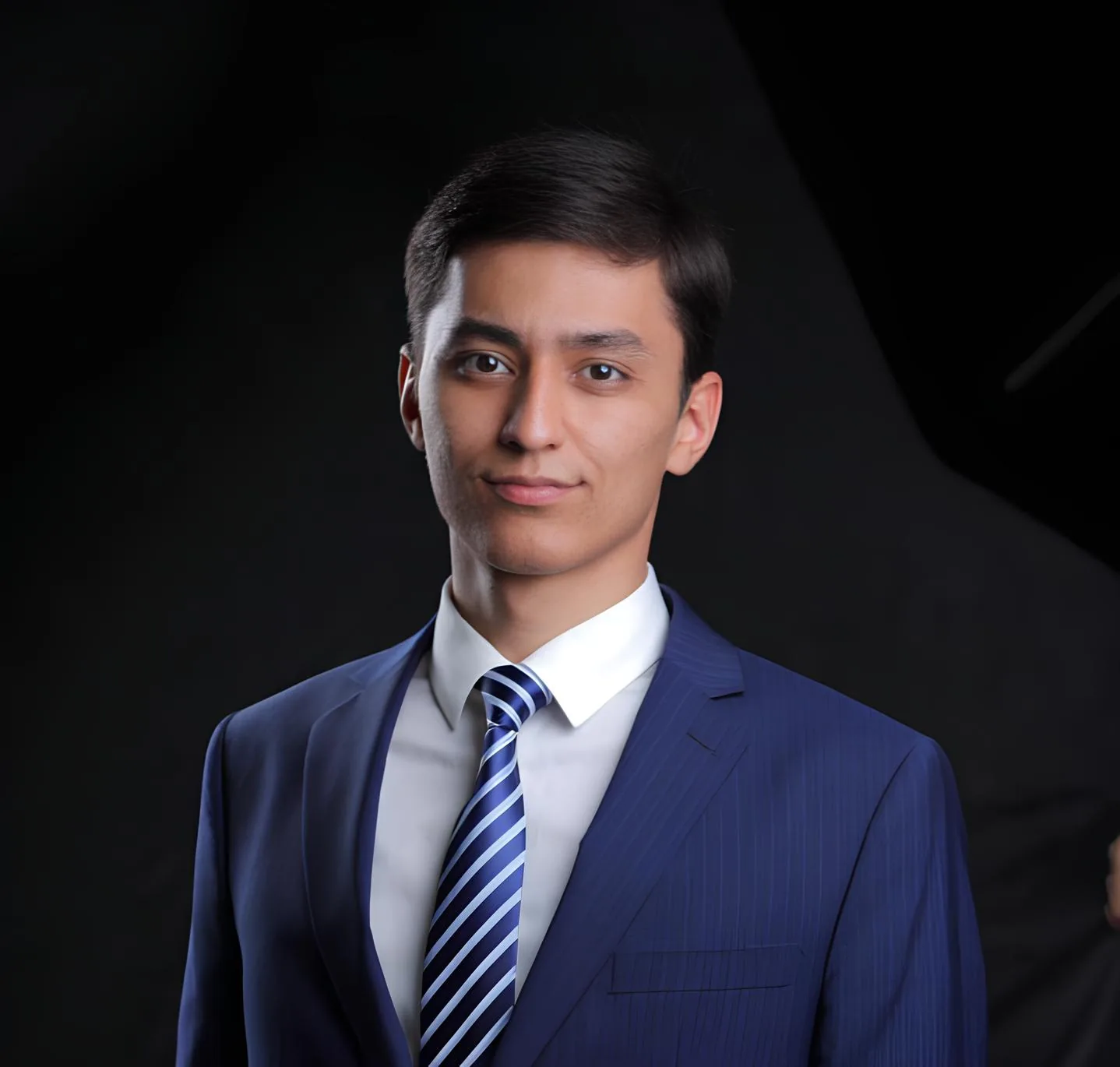
Shakhzod Umirzakov, city — Tashkent, founder and CEO of TASS Vision startup
About the startup
TASS Vision is a startup from Uzbekistan that develops artificial intelligence-based solutions for offline retail.
Investment rounds and key achievements
When we started building passenger flow counters, it became clear that the project was not scalable and the market was small. We decided to pivot to analytics for offline retail.
I made dozens of cold calls a day, almost always getting rejected, but one marketer from a large electronics chain in Uzbekistan showed interest. He needed a solution that could analyze the gender, age, and behavior of visitors. We promised to deliver, even though we didn’t have a product yet. I manually counted traffic from video recordings and sent PDF reports. The client liked the results and proposed scaling up and investing. Thus, in 2019, I received my first angel round — $350,000 in exchange for equity.
At that time, the venture ecosystem was just forming, and we gave away 33.3% of the company — too much. Later, during negotiations with funds like 500 Global, I spent six months negotiating with the first investor to buy back part of the equity, explaining that 1% of a billion is better than 60% of nothing. In the end, we found a balance and were able to move forward.
In 2022, we received investment from UzVC — the first venture fund in Uzbekistan. This was an important milestone: the country was just forming its ecosystem, and we became their first deal. This marked the beginning of our conscious venture journey. A team of four people quickly became profitable, but scaling required new investments.
How fundraising went
To reach the next level, we began fundraising in the international market. Initially, we focused on Central Eurasian funds. I built a funnel of 40 funds, but almost all negotiations stalled at the investment committee stage. As it turned out later, many funds simply didn’t have money, but they didn’t say so. We lost almost a year and a half communicating with funds that lacked liquidity.
After that, I decided to completely change my strategy. I started looking for funds through Crunchbase, LinkedIn, and competitor analytics — seeing who invested in similar projects, and doing direct outreach. In emails, I wrote that we solve the same problem but make the product better and faster. This way, I ended up with about 250–300 international funds in my funnel.
Interest was shown by the Czech venture fund Purple Ventures, which manages $55 million and focuses on Pre-Series A. After a cold contact and a series of calls, they gave a soft commitment, and then became the lead investor in the round. After their participation, other funds joined us — by April 2025, we closed the $1.5 million round.
Fundraising was a full-time job. During the day, I handled operations and sales, and in the evenings and nights — presentations, responding to investors, preparing models and documents. I responded quickly to investor requests: if they gave me a week to update the financial model, I did it in two days. This speed helped build trust and move the process forward.
When the European fund became our lead, other investors who had previously refused immediately agreed — the trust effect in venture works exactly like that. After the appearance of a strong lead, all deals closed within a matter of months.
Geography and scaling strategy
Today, TASS Vision is an analytics system for offline retail, an analog of Google Analytics for physical stores. We analyze visitor flow, their age, gender, conversion, and behavior.
Over five years, we entered the markets of 10 countries: Central Asia, Transcaucasia, Turkey, Saudi Arabia, UAE, Japan.
We chose Central Eurasia because the business culture and language of communication are similar here. In Saudi Arabia and the UAE, we were helped by advisors and local contacts; in Japan — by my brother, who lives there and became our country manager. Thus, the first pilots in these countries appeared.
Currently, the main focus is Turkey. After several months of searching for contacts, we closed two deals with major retailers through networking and decided to open a local company there.
Team and the role of connectors
In B2B business, networking is key. You need to find the right people who will open the right doors. The team in Central Eurasia works autonomously; we have several calls a day.
In Turkey, I personally build the process. In Japan, the direction is developed by my brother — he went through the company from support to Head of Sales. His task is to build partnerships with retailers.
In Saudi Arabia and the UAE, my personal contacts help — we are currently testing these markets through pilots.
Goals and future plans
The plan for the next year is to strengthen positions in Turkey and Central Asia, then focus on MENA markets: Saudi Arabia, UAE.
In the next three to five years, I want to bring annual ARR to $10 million, so that the company’s valuation exceeds $100 million. After that, we plan to do an exit or M&A.
After my first exit, I want to engage in projects that solve global problems — not for profit, but for legacy. Financial independence and experience will allow me to work on large, socially significant tasks.
There is enough capital in the market — what’s lacking are strong ideas and persistent people. I believe that entrepreneurs are those who create the future. Our time is unique: you can build a company from scratch and bring it to a billion-dollar valuation in just a few years.
The main thing is not to be afraid of difficulties, move forward, and remember: startup success is not about investments, but about reaching liquidity.
Advice for founders
- Communicate with customers from the very beginning. Even without a ready-made product. Find out what they really need. The book "Ask Your Mom" helps formulate the right questions.
- Validate the idea before development. Building a product is expensive. First, make sure you are solving a real pain point. A startup begins not with code, but with understanding the market.
- Don’t give away too much equity. At the early stage, it’s better to look for investors who understand venture capital.
- Build a wide funnel. Work in parallel with hundreds of funds. Out of 300, 10 will work.
- Fundraising is a full-time job. Allocate months for negotiations and full involvement.
- Investors invest in people. If you are persistent and know how to listen to the market — money will come.
The Tech on Telegram Follow The Tech on Telegram
Keep up with the latest technology and startup news.
Related reading




More from this author

Article Useful
How to protect your accounts from hacking: 8 settings you should check today
The Tech

Article Useful
500 Global: How the Accelerator Works and Who Can Receive Investments
The Tech

Article Interviews
Game Development in Central Asia: Arkady Moldavski on Developing Reverb and the Growth of the Industry
The Tech

Article Useful
Google, Tesla, BlackRock, and the IMF: Where to Apply for an Internship in Fall 2026
The Tech

News IT
Tesla unveiled the flying electric car Roadster
The Tech

News IT
Intero Biosystems startup won the Startup Battlefield at TechCrunch Disrupt 2026
The Tech