How an entrepreneur from Azerbaijan created iMed — a service that brings medical services to your home
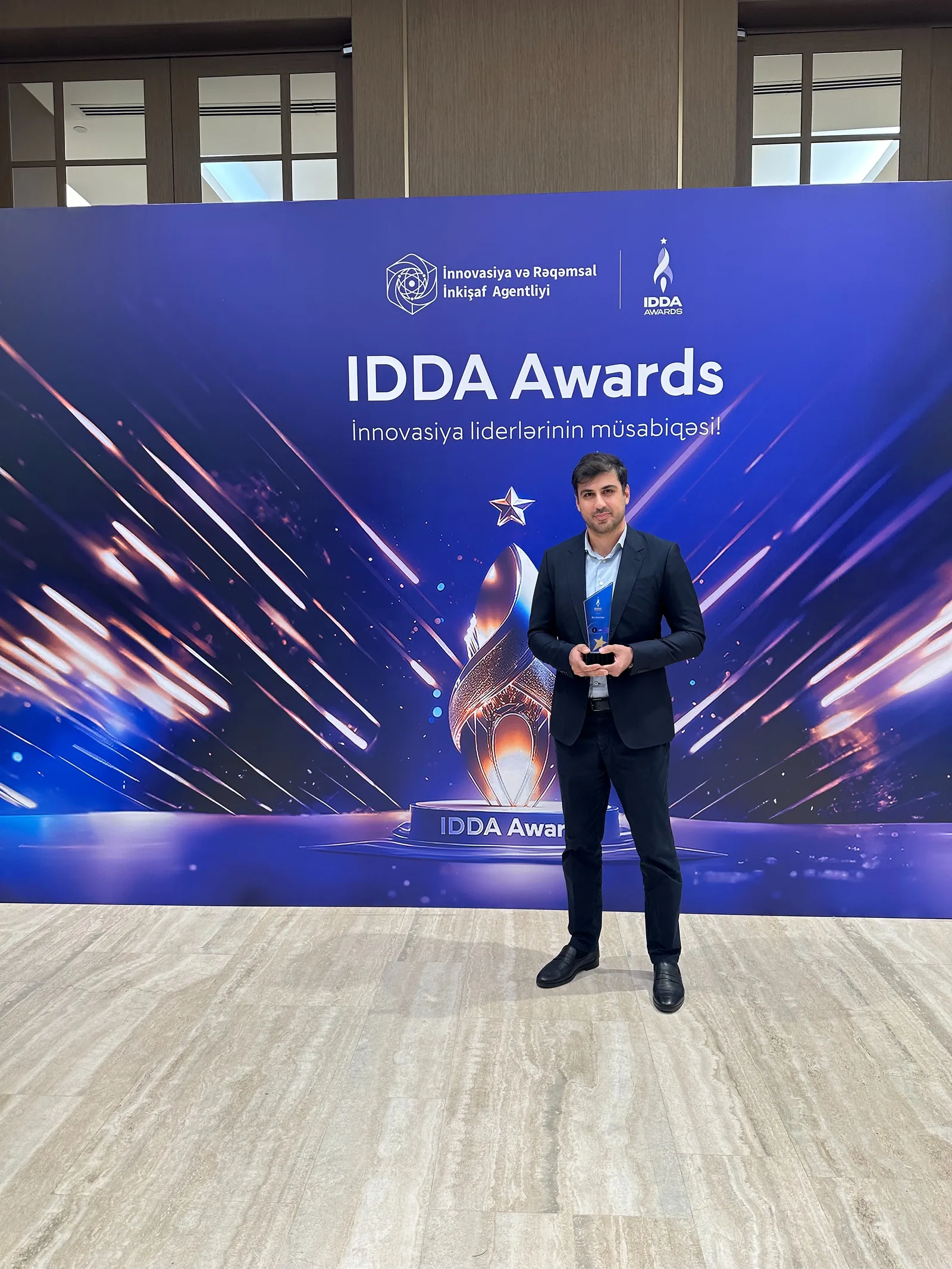
In an interview with The Tech, Karim Aliyev discussed how the project idea came about, why it is important not to strive for a perfect product, the difficulties encountered, and how the startup is preparing to enter the Central Asian and Middle Eastern markets.
Karim Aliyev, city — Baku, entrepreneur, founder of iMed, co-founder of Sheh Cleaning Company
How it all began
I have been running a traditional business for 13 years. At some point, I decided to enter the world of startups because I wanted to do something useful for people. During the pandemic, I personally experienced what home medical services are like. I called nurses and doctors, had IVs administered, and for the first time, I started thinking about this sphere. The idea stayed in my head. However, it fully crystallized when my parents needed medical assistance. I began calling various clinics and faced the issue of wasting a lot of time. I was eighth or ninth in line, waiting 30-40 minutes just to explain what services were needed and where my parents lived. Meanwhile, my parents are getting on in years, and it was inconvenient to ask them to send their geolocation or to explain everything to medical staff themselves.
At that point, I realized that the problem was not just mine — it existed throughout Azerbaijan as well. I commissioned a study from a marketing company and found out that only 15% of the population knows about the possibility of receiving home medical services, while 85% are not even aware of it. At the same time, most respondents answered that they would gladly use such services if they were available.
Thus began the story of creating the iMed startup. I decided to create an aggregator that connects patients with medical institutions — laboratories, clinics, and other organizations. With one tap, a user can call any medical service to their home: get tests done, call a nurse or doctor, have an ultrasound, ECG, or X-ray, or undergo rehabilitation. Everything that can be done at home, we are gradually integrating into our app.
Launching the startup
According to statistics, 85% of medical services can be provided at home. After coming up with the idea, I told my friend about it. He decided to invest in the project even at the idea stage. After that, I started looking for people who could help implement the project.
The first person on the team was a lawyer, because we needed to determine where to open the company, how to do it, whether licenses were required, and how everything would work from a legal perspective. This was also a certain challenge — I had to convince the person to believe in the project. In the end, he became a co-owner of the company. Then I found a CTO with his team, and we began working on the product.
The project constantly changed during the development process. Today, I can give advice to aspiring entrepreneurs: do not strive to bring the product to a perfect state. The main thing is to create an MVP, test the hypothesis, ensure that the product works and is capable of generating initial revenue. I myself strived for perfection for too long, constantly wanting to improve something and add new features.
As a result, by the end of 2025 — beginning of 2026, we received the product we wanted. In 2026, we began organically promoting the service, testing different marketing channels. The first transactions and orders appeared, although there were some earlier. It was in 2026 that gradual growth began.
Today, we continue to improve the product and connect new medical institutions. At the moment, we already have more than 20 medical partners, including the largest clinics in Azerbaijan. We are also signing the largest network of laboratories and hospitals, Reference, whose client base amounts to about five million patients.
Simultaneously, we are developing marketing: launching integrations with bloggers, conducting advertising campaigns within clinics, and developing partnership projects. Today, we have more than 1,000 registered users, and GMV exceeds $4,000.
These are currently small figures, but we are just starting. Each new order becomes a source of feedback for us and helps improve the product. For example, we noticed that in approximately 90% of cases, after a doctor is called, the patient is prescribed tests. Therefore, we added the ability to order them simultaneously with the doctor's visit.
Another example is a female user who wanted to order tests for herself and her children at once. After that, we developed a multi-order function that allows ordering services for several people at once.
The next stage of development is the integration of artificial intelligence. We are creating an AI system that will help users when placing an order. For example, a person could write: "I have a headache," and the system, based on the iMed knowledge base, would suggest which doctor to call, which tests to take, and what services might be needed. This will make the app even more convenient and speed up the ordering process.
Target Audience
Today, more than 1,000 users are registered on the service. Approximately 50 clients regularly use the platform; however, medical services are not in demand daily but as needed.
To increase user retention, we are expanding the list of services and adding new popular ones, such as home cosmetology procedures. We are also focusing on audiences for whom regular medical supervision is particularly important: pregnant women, busy professionals, people with chronic diseases, users with disabilities, and families with small children. For them, the ability to receive medical services at home saves time and makes life more comfortable.
Incubation Programs
In the early stages, the project developed through the friends & family model. The first investor was my friend, and these funds were enough to launch the company.
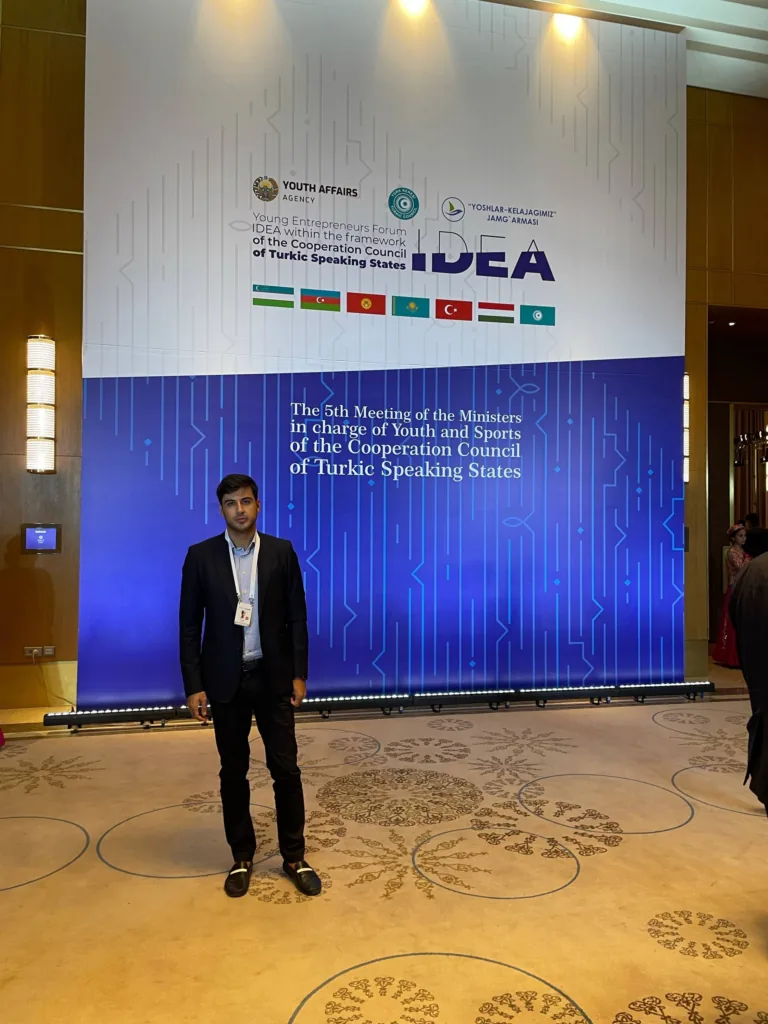
We did not go through classic acceleration programs, but we actively participated in specialized events. We presented the project at the LEAP conference in Saudi Arabia, AI forums, and technological events in Azerbaijan. This allowed us to receive feedback from experts, meet investors, and develop our network of contacts.
At the moment, we are negotiating with potential investors from Azerbaijan, Kazakhstan, and other countries. We are also maintaining ties with Astana Hub and IT Park Uzbekistan, as we consider Kazakhstan and Uzbekistan as the next markets for scaling.
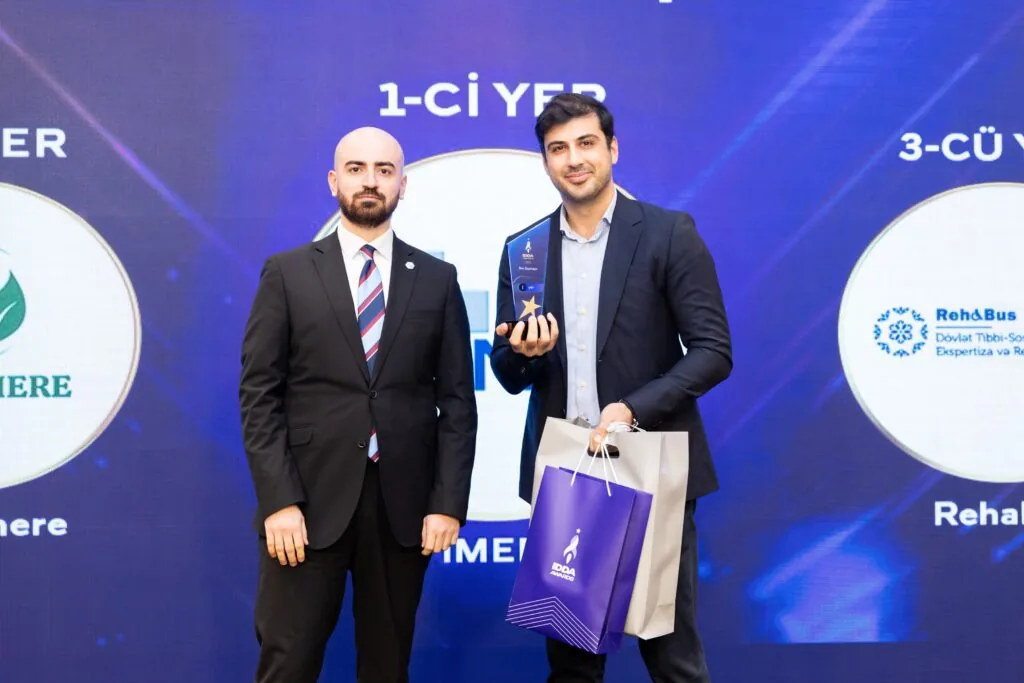
An important stage of development was winning the "Best Startup of the Year" nomination by the Azerbaijan Agency of Innovations in 2025.
Difficulties
The biggest challenge for me was finding the right team. I do not have a technical background, so it was not easy to understand the development process and find specialists who meet deadlines and share the project's values. I realized that if cooperation does not work out and problems become systemic, it is not worth delaying decisions — it is better to change the approach or people in a timely manner.
Another serious challenge was cooperation with medical institutions. We were an unknown startup, so we had to convince large clinics and laboratories of the value of our product. In the end, we managed to sign partnerships with leading medical organizations in Azerbaijan, and today we continue to expand the network.
With a limited budget, it was especially important to maintain team motivation. I have always believed that people should feel like part of a project that is making life better. It is precisely a strong team and like-minded individuals that become the main factor in the success of any startup.
I would advise aspiring entrepreneurs not to be afraid of mistakes, believe in their idea, and surround themselves with the right people. This is what helps overcome difficulties and move forward.
Achievements
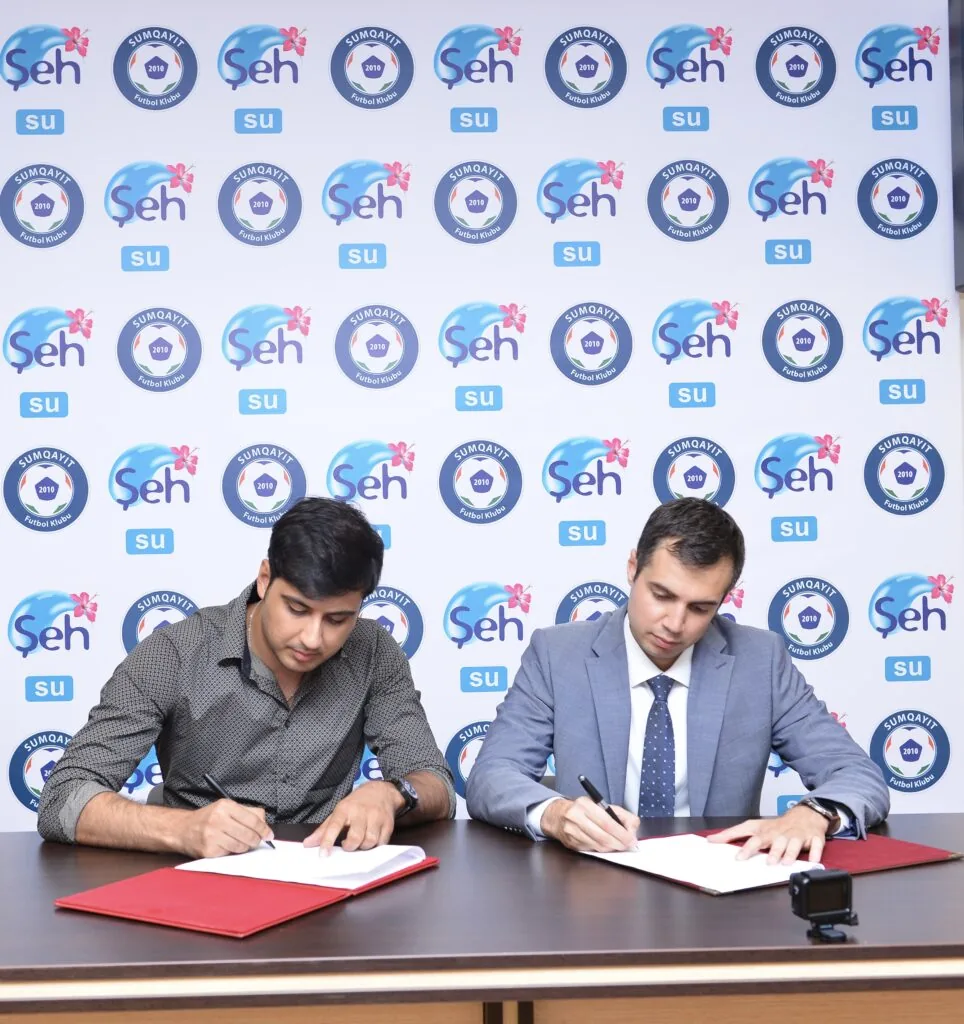
Today, more than 20 medical partners are connected to the platform, including the largest clinics in Azerbaijan. We have formed a full-fledged team, which includes specialists in legal, financial, marketing, and technical fields, as well as employees responsible for working with clinics.
While the company remains unprofitable, I see that interest in the product is growing day by day. This is confirmed by the number of app downloads and the active development of the service even with limited resources. I believe that our product is already capable of competing with foreign analogs that have attracted significantly more investment.
We are also actively developing the B2B segment, cooperating with corporate clients who offer our service to their employees as part of loyalty programs. In addition, we are launching partnerships with fitness clubs, schools for pregnant women, gynecologists, and insurance companies. After attracting investment, we plan to significantly accelerate scaling.
Plans
In the near future, our plans are to strengthen iMed's positions in Azerbaijan, increase the number of partner clinics and platform users. By the end of the year, I plan to enter the Central Asian market, and I am also considering expansion into Middle Eastern countries, primarily Saudi Arabia.
During my trip to Saudi Arabia, I held meetings with representatives of local clinics and received preliminary agreements on cooperation. In addition, some clinics operating in Azerbaijan and having branches in Kazakhstan have already informed us that they are ready to connect to the platform after our entry into the Kazakh market. I plan to implement these plans by the end of the year.
The Tech on Telegram Follow The Tech on Telegram
Keep up with the latest technology and startup news.
Related reading






More from this author

Article Useful
How to protect your accounts from hacking: 8 settings you should check today
The Tech

Article Useful
500 Global: How the Accelerator Works and Who Can Receive Investments
The Tech

Article Interviews
Game Development in Central Asia: Arkady Moldavski on Developing Reverb and the Growth of the Industry
The Tech

Article Useful
Google, Tesla, BlackRock, and the IMF: Where to Apply for an Internship in Fall 2026
The Tech

News IT
Tesla unveiled the flying electric car Roadster
The Tech

News IT
Intero Biosystems startup won the Startup Battlefield at TechCrunch Disrupt 2026
The Tech