How to build a career in IT and electrical energy in Europe: the experience of Alibek Isagaliev

A Technical Project Manager from Germany shared his journey from an engineer in Kazakhstan to an international specialist. He shares his experience of finding his first job, the challenges faced by beginners, and provides practical advice on building a career in IT and energy abroad. Read more in our interview.
Alibek Isagaliyev, city — Paderborn, Technical Project Manager, Instagram
About himself
I am an engineer, a design engineer. I worked for about 10 years in Kazakhstan, then moved to Germany, obtained an education, and stayed to work here.
I have two degrees:
1. Bachelor’s in Electrical Engineering, which I obtained in Uralsk
2. Master of Science in project management, which I pursued in Ingolstadt, Germany.
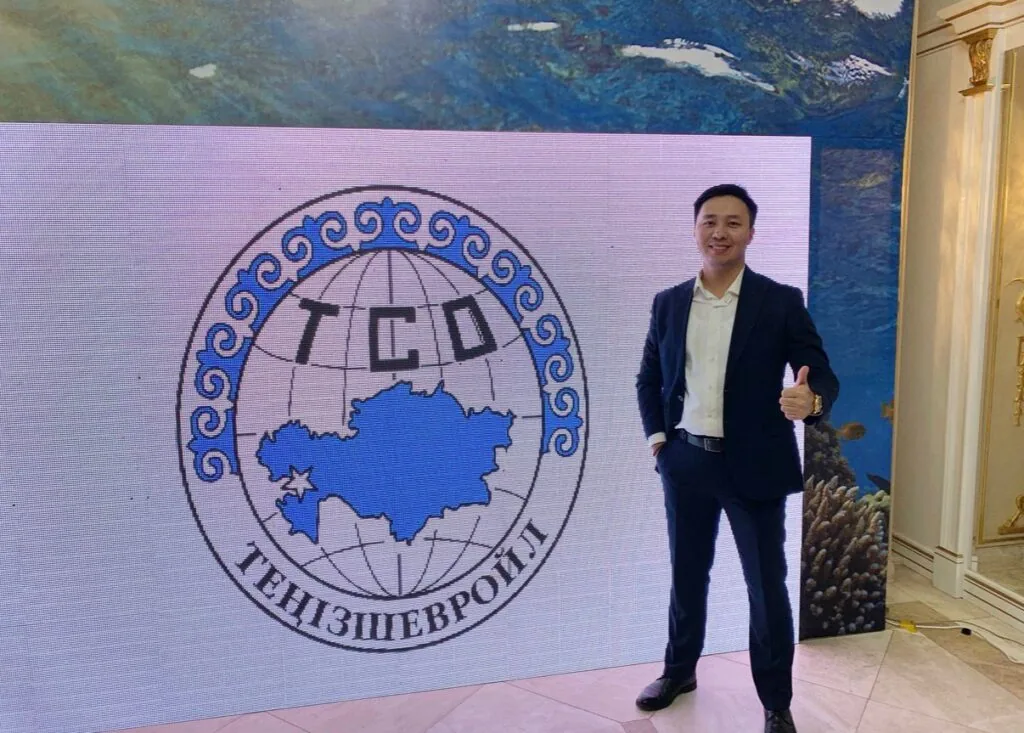
I entered the professional field gradually. My technical background is in electrical engineering, so my initial career path was as an electrical engineer or technician. Over time, I advanced to leadership positions, managing projects and departments. Work experience, including about 10 years in leadership roles at TSO (Transmission System Operator), combined with my German education, allowed me to transition into project management within the R&D department.
About the first job in IT
I graduated from university in 2011 with a degree in Electrical Engineering. Finding a job without experience was difficult, especially for a student. The first place that hired me required good English and basic technical skills to test fire alarm systems in offices and warehouse facilities. I consciously accepted this position: the job provided an opportunity to communicate with people, build networking, and understand the company’s internal processes.
In 2011, the internet was weak, and resumes often had to be sent in printed form. Even during my studies, I understood that I wanted to work in foreign companies where the primary language was English, and I actively improved my language skills. I initially looked for vacancies via email, forums, and chats, sent out resumes, and participated in interviews, which highlighted the importance of a ready-made profile, language skills, and the ability to pass interviews.
After my bachelor’s degree, I moved to Germany and obtained a Master of Science in Project Management in Ingolstadt. In the first semester of my master’s program, I started looking for work and was able to combine studies with a part-time position. This job allowed me to write my master’s thesis concurrently, and after completing my studies, I stayed on for a full-time role. The experience gave me an understanding of German work culture and valuable networking, which facilitated further career growth in international companies, including Hitachi Energy.
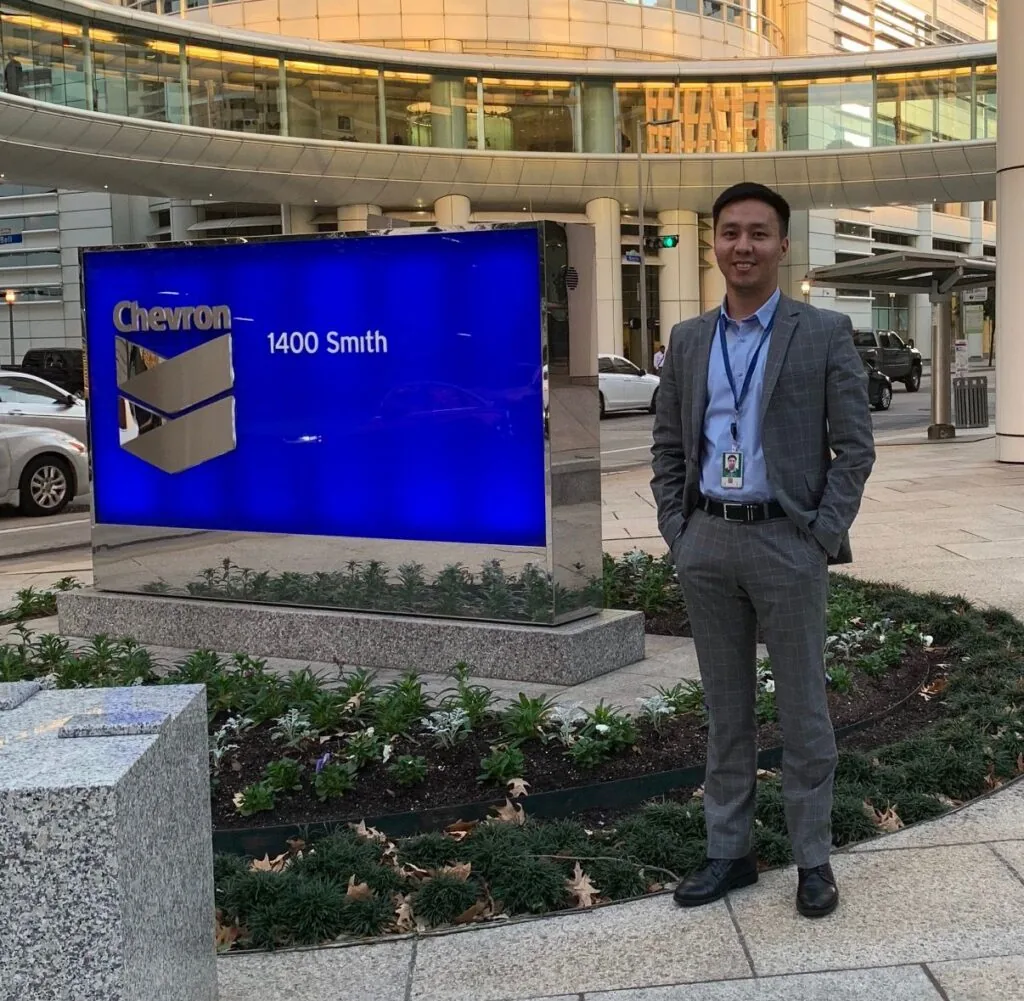
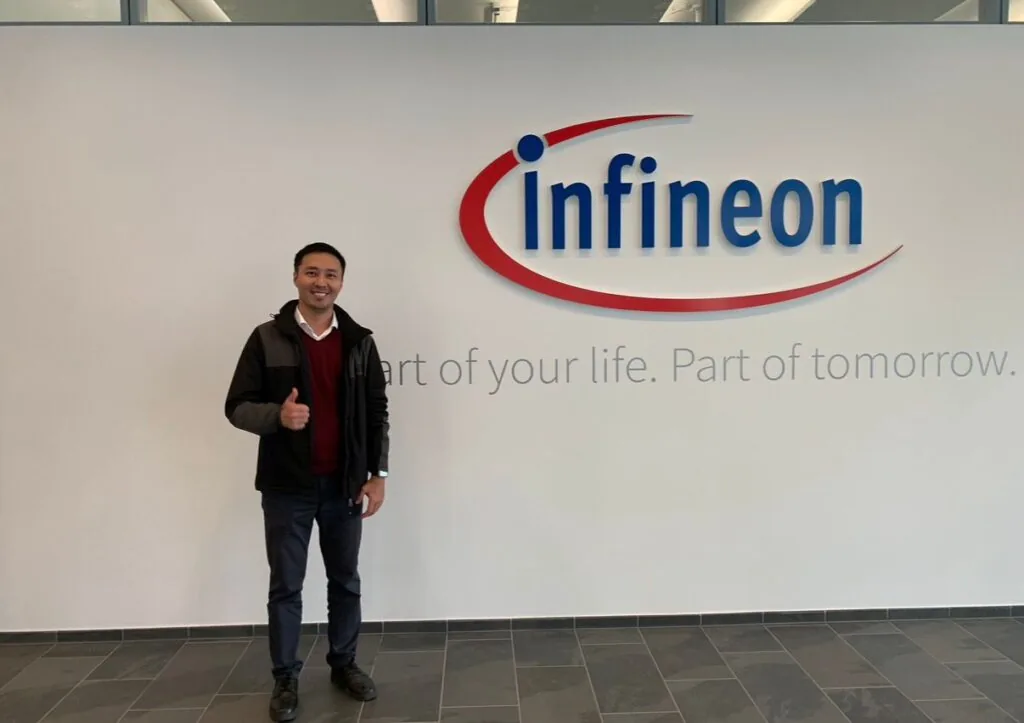
Later, I joined the international company where I work now. The organization is international, involving Swiss and Japanese partners, operating in Germany. Before this, I already had experience in the energy sector, including with the German company Infineon. I searched for vacancies through LinkedIn—the main platform for job hunting in Europe. The process took about three months: online stages, bureaucratic procedures, and an invitation to the office. After the interview, I was immediately informed of my acceptance, as they saw the potential in my experience and profile.
Comparing my first job with my current one, the differences are obvious. At the initial stage, a less experienced employee was mainly tested on language knowledge, with technical questions being minimal. Now, they evaluate projects, work experience in different countries, and the diversity of tasks, with questions covering both technical and psychological aspects, checking how the candidate differs from others.
Strategic thinking plays a key role: sometimes it is better to take any suitable position and gradually grow within the company rather than wait a long time for the ideal one. Critical thinking, systematic approach, and experience allow one to evaluate managers and understand how comfortable it will be to work with them, as toxic or micromanaging bosses can complicate development.
For job hunting in Europe, LinkedIn turned out to be the main tool. Although there are platforms like Glassdoor or Indeed, most opportunities are available specifically through LinkedIn, which allows for effective searching of vacancies by location and profile.
Challenges
The main difficulties in finding a job are primarily related to language. In Germany, although companies welcome English-speaking specialists, the requirements for German are quite high—especially at advanced levels. My German is at an intermediate level, while my English is advanced, so there were no technical difficulties, but the language barrier sometimes showed itself.
Also, there are people who criticize your knowledge and experience. I used to think this only happened in Kazakhstan, but in Germany, there are also "old-timers" who may be dissatisfied with the generational gap.
Rejections are a normal part of the process. Even with experience, they happen. In the early stages of my career, I viewed them positively: if a vacancy doesn’t fit, it’s not the end of the world. It is important to maintain systematicity and inner strength: several rejections should not be demotivating. Support, for example, from my sister, a psychologist, helped me not to devalue myself and move forward.
At the same time, my job search strategy remained stable: LinkedIn is the main platform. In Kazakhstan, networking, recruiting agencies, and platforms like HeadHunter, chats, and specialized communities are useful. In Europe and Germany, besides LinkedIn, there is the German version XING, which also works well for networking. LinkedIn allows you to be visible: many offers come directly from employers.
Difficulties at work depend on the company: each has its own processes, procedures, and work style. For a newcomer without corporate experience, it is difficult to immediately understand the structure and bureaucracy. Coming with your own ideas, you sometimes encounter resistance from experienced employees who are used to old tools. It is important to implement optimal solutions without conflicts and argue the necessity of changes.
For beginners, the main difficulty is the first job. On the Kazakhstani market, it is difficult for students to get into large companies, so it is important to start looking for opportunities through internships or assistant positions from the first year of study. Even part-time experience, grants, and participation in international programs provide a valuable advantage. In Germany, part-time work during studies is considered experience that is highly valued by employers.
English is critically important everywhere, whether in Kazakhstan or Germany. An additional language only increases chances. For students and beginners, it is useful to build networking, participate in grants and internships to gain experience and facilitate further career growth.
3 tips to help you find a job in IT
Three key tips for those just starting to look for a job, especially in IT:
- Start developing your LinkedIn profile already during your student years.
If you have zero experience, it is important to create a profile from the very beginning. First of all, this is a profile on LinkedIn; manage it professionally, not on Instagram or Telegram. Enter contacts, build a network, find your community. If a person focuses on IT—look for IT communities; if in energy—corresponding ones. - Learning languages.
Knowing languages is never superfluous. Proficiency in new languages opens up opportunities. Approach this strategically and consider where you want to work. If in France, learn English and French; if in Germany—English and German. - Strong technical knowledge and planning.
Learn independently; do not expect everything from the university or professors. Search for information, practice, develop. It is also important to always have a plan, divided into short-term and long-term. Think about where you see yourself in two to three years, in five, and in 10 years. This helps understand the path, set goals, and move towards them. Without such understanding, a person may spend several years simply "searching for themselves."
The Tech on Telegram Follow The Tech on Telegram
Keep up with the latest technology and startup news.
Related reading




More from this author

Article Useful
How to protect your accounts from hacking: 8 settings you should check today
The Tech

Article Useful
500 Global: How the Accelerator Works and Who Can Receive Investments
The Tech

Article Interviews
Game Development in Central Asia: Arkady Moldavski on Developing Reverb and the Growth of the Industry
The Tech

Article Useful
Google, Tesla, BlackRock, and the IMF: Where to Apply for an Internship in Fall 2026
The Tech

News IT
Tesla unveiled the flying electric car Roadster
The Tech

News IT
Intero Biosystems startup won the Startup Battlefield at TechCrunch Disrupt 2026
The Tech