How the founder invested his $100,000 and turned an internal IT tool into a global B2B product
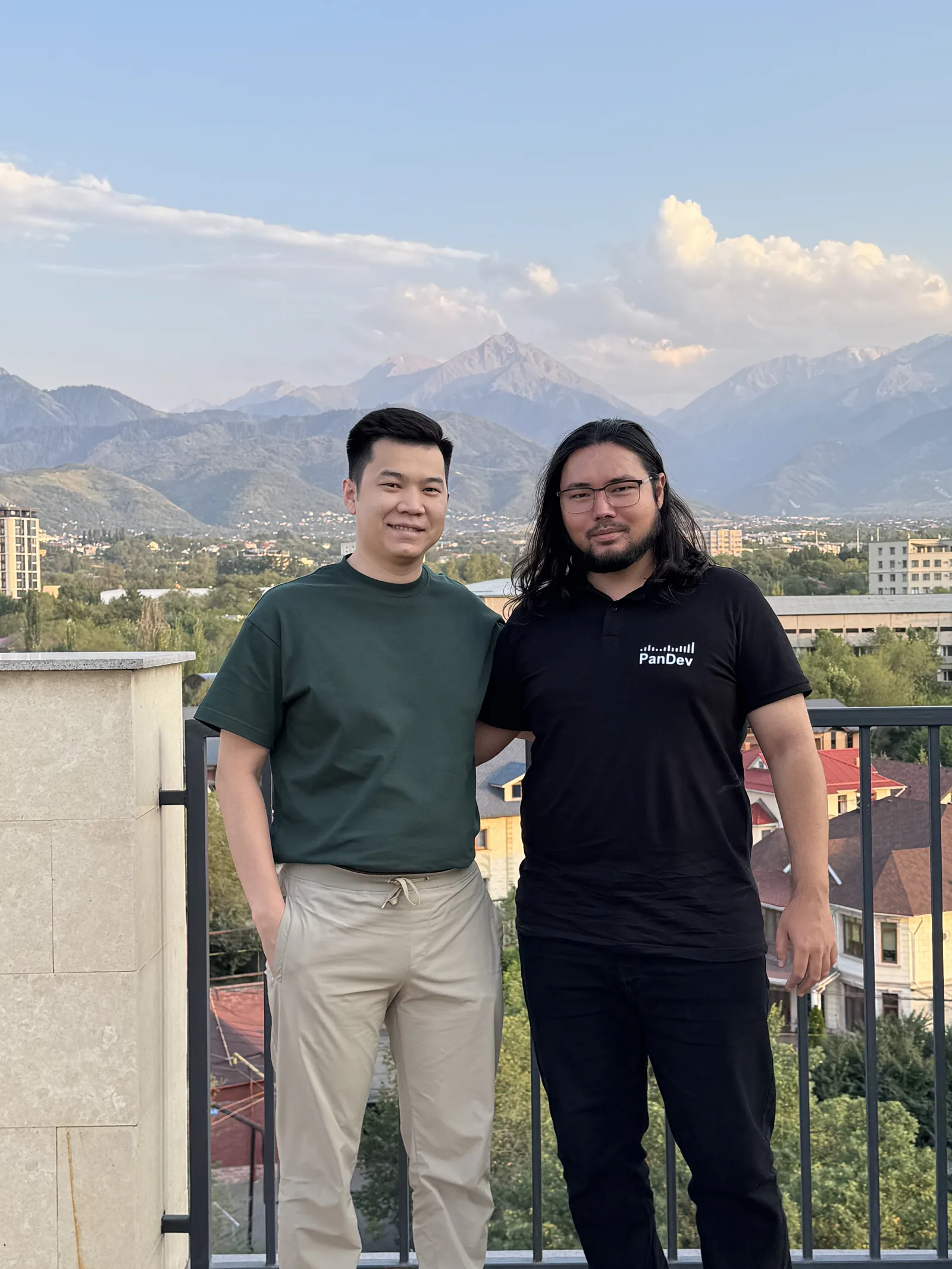
The founders of PanDev Metrics share how an internal tool for monitoring remote development teams evolved into a successful B2B product. From initial investments using personal savings to expanding into the markets of Kyrgyzstan, Uzbekistan, Kazakhstan, the USA, and Dubai.
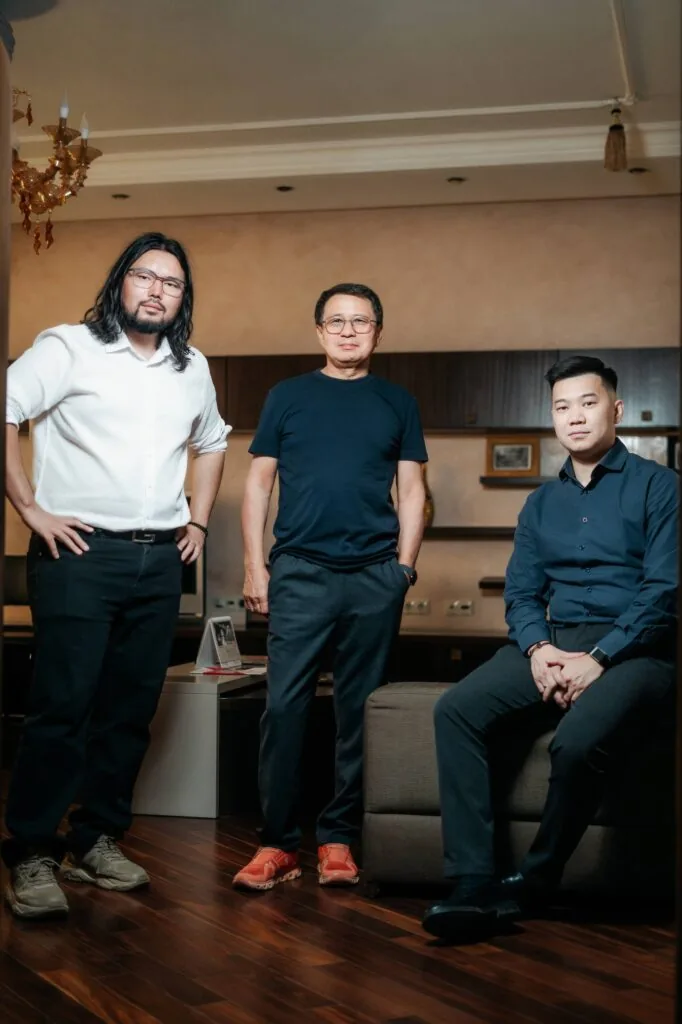
Artur Pan, Co-founder & CTO of PanDev Metrics, LinkedIn
Madiyar Bakbergenov, Co-founder & CCO, LinkedIn
How It All Began
Artur. I have eight years of experience in IT, four of which were spent in Team Lead and CTO roles. For example, at Vlife, I led a team of about 50 people and participated in developing the product from scratch to its current state. Vlife now has 1.5 million registered users, over 100,000 of whom are active daily.
After that, I worked for an Azerbaijani company in the marketplace sector. There, I encountered a problem: the lack of transparent metrics for evaluating the performance of development teams. By that time, I had already accumulated some capital through cryptocurrency trading, and I invested $100,000 into our first project.
Madiyar. I am the commercial founder of PanDev. I spent five years working at Choco, developed the startup Kwaaka, and consulted other startups, helping them improve sales metrics and optimize processes.
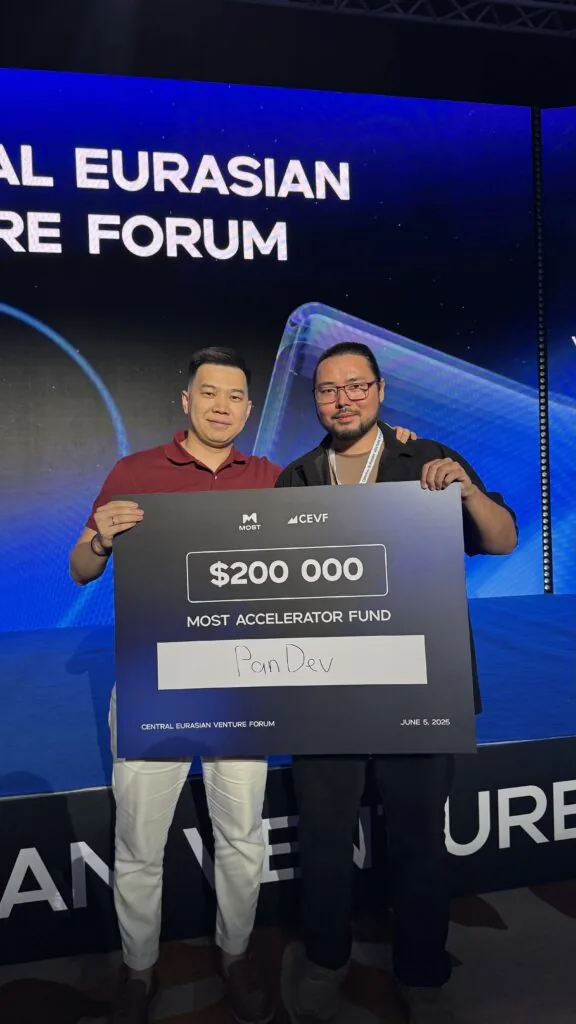
I met Artur through LinkedIn, and we first met in person in June at the Central Eurasian Venture Forum. From that moment on, we began jointly developing the project.
Launching the Startup
Artur. The first project I implemented was a trading simulator, but it turned out to be unsuccessful: the product received many reviews but did not generate profitability. After that, we began developing PanDev Metrics. Initially, the product was created for internal use: it allowed tracking the work of remote development teams, controlling processes, and objectively evaluating employee efficiency.
Later, my girlfriend suggested using the product not only within the company but also trying to sell it as a B2B platform for other companies. We set a goal to establish about 100 contacts with entrepreneurs to test if the product would be in demand in the market. Over the course of a year, we conducted experiments, gathered feedback, and adjusted the product, but sales were slow. Meanwhile, funds from the previous project—the trading simulator—were running out, and the situation was difficult.
The Team
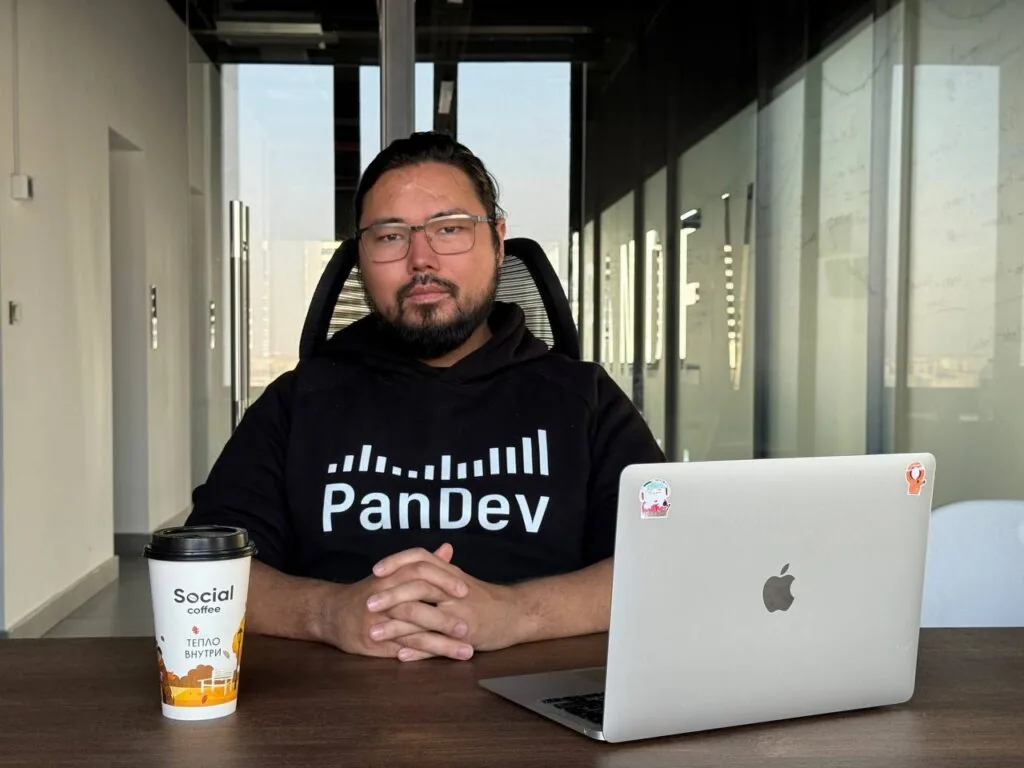
Artur. Our startup has a fairly large development team—almost 15 people. The key department heads are specialists I have worked with for several years and who I have personally trained in many aspects.
When they joined, many were beginners who had just finished programming courses. Thanks to my experience working as a CTO, we were able to create our own internal development academy within the company. Engineers grow quickly, and we hire and train most of the team ourselves, which works effectively for a startup.
Target Audience
Madiyar. From the very beginning, we aimed to ensure our startup was not chaotic, like many traditional projects with scattered documents and opaque processes. We focused on structure so that any due diligence would pass quickly and without issues.
We received significant help from AMA sessions hosted by other startups at MOST, such as EasyTap, which shared their experience with contracts and internal processes. Thanks to this, we became one of the startups that passed due diligence faster than anyone else and successfully secured investments. We also passed checks quickly at MOST and with Murat Abdrakhmanov because all documents, legal entities, and processes were carefully structured.
Currently, our system is used by companies such as HalykBank, ProsperPay, Biometric Vision, Verigram, Zeely, and Parqour.
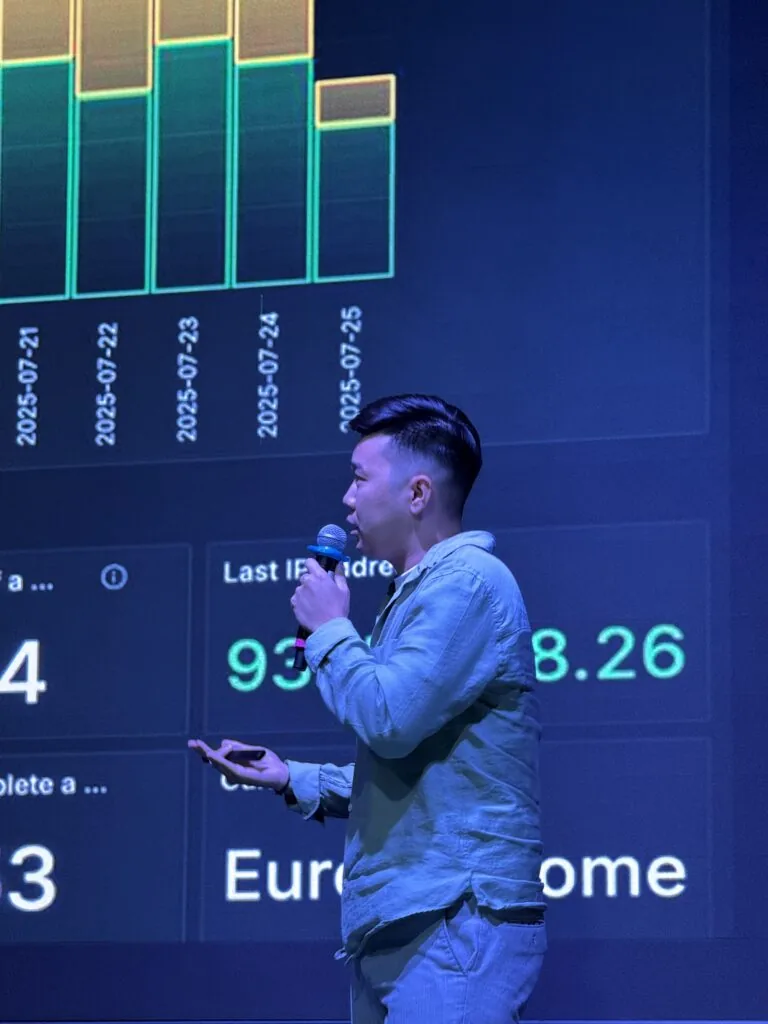
Artur. The main problem our product solves is the opacity and complexity of digitalizing the work of development departments. For many companies, developers remain "aliens": they complete tasks, but it is unclear to others how and what exactly is being done.
Our goal is to take the work process to a new level: to show which tasks an engineer is performing, how much time is spent on them, when they are working, and when they are not. Programming is a creative profession at the intersection of engineering and creativity, and many companies still hesitate to digitalize engineers' work. We address this pain point and do it more effectively than anyone else in the market.
Currently, numerous companies use our product. We continue to grow, expand our team, and receive positive feedback from clients about the system.
Incubation Programs
Artur. Project funding began with my personal funds—I invested about $100,000 "out of pocket" to avoid attracting external investors at the early stage. Over time, we realized that investments are not just about money but also about access to expertise, contacts, new markets, and support from investors.
Madiyar. We carefully selected advisors for the board and settled on Anvar Bakiyev, whom I knew from working at Choco. After meeting, he supported the project by providing the first $30,000. Anvar also helped with introductions to other investors and promoted the project.
Simultaneously, MOST provided support through Demo Day and Pre-Demo Day, where potential investors saw us. As a result, Murat Abdrakhmanov's team contacted us, and we quickly found common ground. We received our first $150,000 in investment from Murat.
As part of the Central Eurasian Venture Forum, we entered the top 10 startups that received investments. After that, while undergoing acceleration at MOST, we participated in various AMA sessions and continued joint work on developing the project.
Currently, our investment portfolio also includes MOST and Axiom Capital. All investors actively help with partnerships. We are expanding into Dubai, Uzbekistan, and Kyrgyzstan: in Dubai, we already have partners; in Uzbekistan, we collaborate with a telecom company and a bank; in Kyrgyzstan, we work with banks.
To date, we have raised $400,000 with a valuation of $5 million.

Challenges
Madiyar. For three months, we could not pay salaries to our employees—they worked for free, driven only by faith in the project and trust in us. During this time, we actively sought investments and advisors.
Advice for beginner startups based on our experience:
1. Be cautious with promises of "help" and involving large partners. Often, such promises are not fulfilled, which can lead to stagnation—you spend time on fundraising, but the partner network does not develop.
2. Transparency with the team. Keep the team informed: explain why salaries are delayed, what difficulties exist, and what the plans are. This is important because the team is the main resource: without it, there will be no product or progress.
3. Actively search for investors. Attend all events, send out information, and conduct personal meetings. Even if it initially seems like there are no results, persistence pays off—you will be noticed and supported.
4. Honesty in numbers and documentation. All metrics, traction, and partnerships must be real. Distorting data destroys investor trust and reduces funding chances. We have seen many startups try to embellish their metrics and ultimately failed to secure necessary funds.
Artur. We primarily rely on our own resources because a team that is "on the ship" and moving together with the project is significantly more interested in its success than external participants.
Persistence is a key factor. Without it, we would have given up long ago. A startup requires perseverance and a willingness to overcome difficulties.
To those who are starting startups: you deserve respect and persistence. It is a difficult and stressful path, but at the same time, exciting and interesting. If someone has truly committed to a project, left their main job, and continues to move forward despite difficulties—that is already a colossal achievement. We express respect to everyone who starts startups and implements ideas: it takes courage, persistence, and determination.
Plans
Madiyar. In the first stage, we plan to attract at least 3,000 developers in each of the countries—Kazakhstan, Kyrgyzstan, and Uzbekistan. Simultaneously, we are opening the US market.
Additionally, we are actively working in Dubai, where there are partners ready to invest, and three pilot projects have already been launched. We are supported by the consulate in Abu Dhabi, which introduces us to IT companies and helps us enter new markets.
Artur. Thanks to the investments raised, we gained the courage to rebuild the product. Previously, the technological version of the product was not mature enough for quick and effective modification, which was due to limited resources at the time.
Now, the product is almost ready for a technical release: production is fully prepared, we can invite the first clients, demonstrate the system, and gather feedback. This is especially true for the B2C part, intended for engineers who can install our system and plugin to track their productivity.
Such progress was made possible by investments, the team's persistence, and an intense work schedule. One of the startup's principles is working on a 9:9:6 model, from 9 AM to 9 PM, six days a week, which allowed us to make a real technical quantum leap.
The Tech on Telegram Follow The Tech on Telegram
Keep up with the latest technology and startup news.
Related reading






More from this author

Article Useful
How to protect your accounts from hacking: 8 settings you should check today
The Tech

Article Useful
500 Global: How the Accelerator Works and Who Can Receive Investments
The Tech

Article Interviews
Game Development in Central Asia: Arkady Moldavski on Developing Reverb and the Growth of the Industry
The Tech

Article Useful
Google, Tesla, BlackRock, and the IMF: Where to Apply for an Internship in Fall 2026
The Tech

News IT
Tesla unveiled the flying electric car Roadster
The Tech

News IT
Intero Biosystems startup won the Startup Battlefield at TechCrunch Disrupt 2026
The Tech