How to find an investor. Murat Abdrakhmanov on the importance of networking for startups
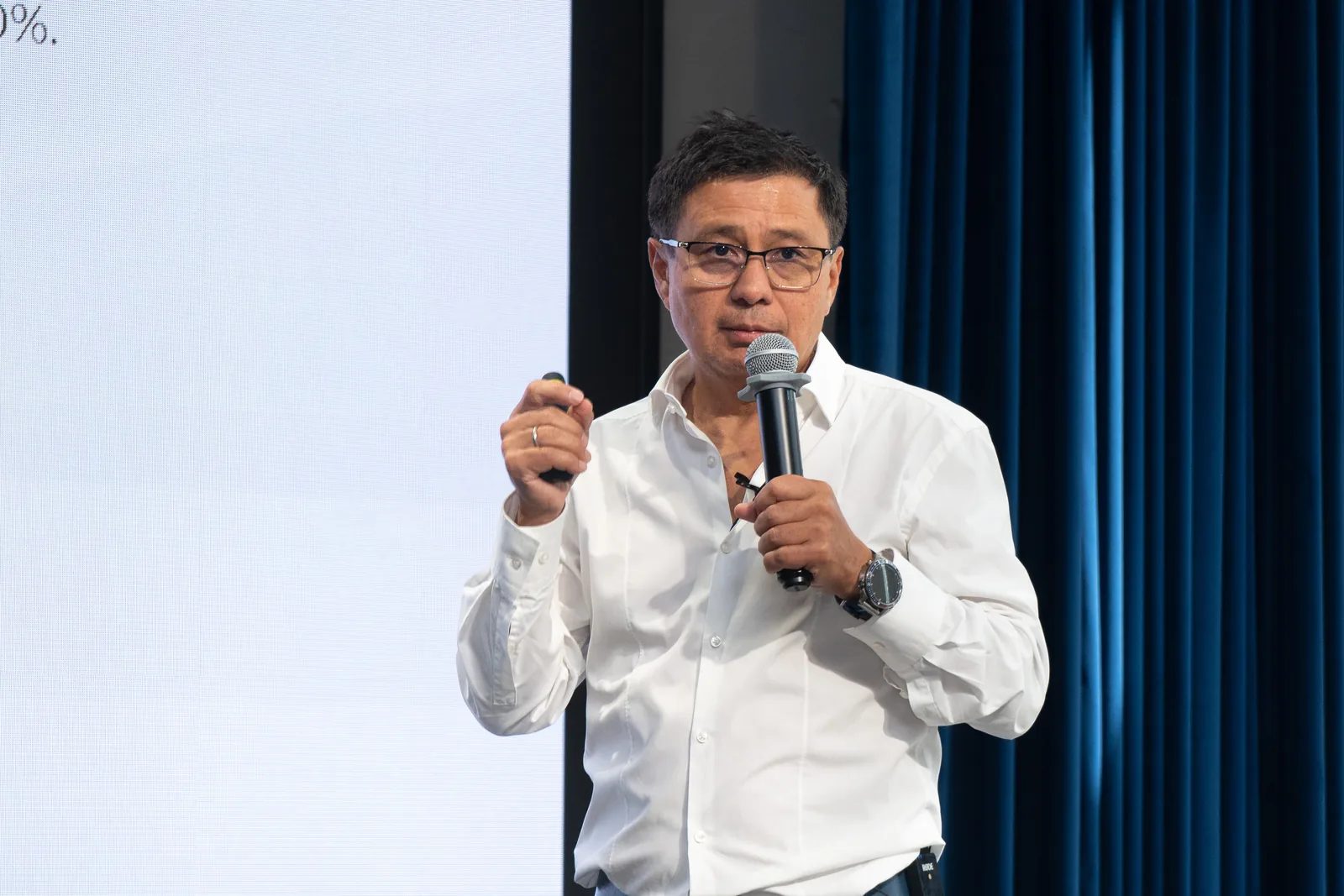
Serial entrepreneur and investor Murat Abdrakhmanov spoke about investments and shared his experience in organizing venture meetups.
The Tech AI
Get the key points in seconds - a short summary from The Tech AI.
Murat Abdrakhmanov, a serial entrepreneur from Almaty with 30 years of experience, invests in startups from the Pre-seed stage through the A round. He invests $100–150 thousand at the Pre-seed stage and from $150 thousand to $1 million at the Seed stage. As the founder of MA7 Angels Club, he organizes venture meetups and networking events in Kazakhstan and abroad to develop the IT community.
Murat Abdrakhmanov, city — Almaty, serial entrepreneur, venture investor, @murat.abdrakhmanov
About Me
I am a serial entrepreneur with over 30 years of experience in the technology sector. I founded and managed large telecommunications and IT companies.
10 years ago, I changed my strategy and began considering geographic diversification of assets, which led me to startups and the venture industry. For the past nine years, I have been working with startups, helping young entrepreneurs. I enjoy growing and utilizing my experience, which is in demand in the market.
About Investments
When evaluating a startup's potential, it is important to understand its stage: Pre-seed, Seed, Series A, or later. Evaluation criteria depend on the stage. In Kazakhstan, discussions often focus on the pre-seed and seed stages. At the pre-seed stage, the main focus is on product-market fit and the problem the startup solves. If a startup successfully solves an important problem, this indicates the presence of product-market fit. Key metrics for evaluation include sales and user activity. Other metrics may vary depending on the business. The main factors are the market problem, product-market fit, and team quality.
It is not only investors who choose startups, but startups also choose investors. An investor is also a product in the market. Investors differ not only by capital but also by the support they can offer.
Modern young entrepreneurs are quite knowledgeable, so I see no point in teaching them operational matters. There are many different courses for that. My help focuses on strategic planning, fundraising, and assisting with key clients. I help with developing venture strategies, conducting fundraising correctly, and finding investors when possible.
I also help in creating and building large companies when a startup grows from a small business into a medium or large-sized company. Startups often lack experience managing such large organizations, so I share my knowledge in implementing corporate standards. My experience in building companies, both positive and negative, is in demand in the market, and I am happy to share it with startups.
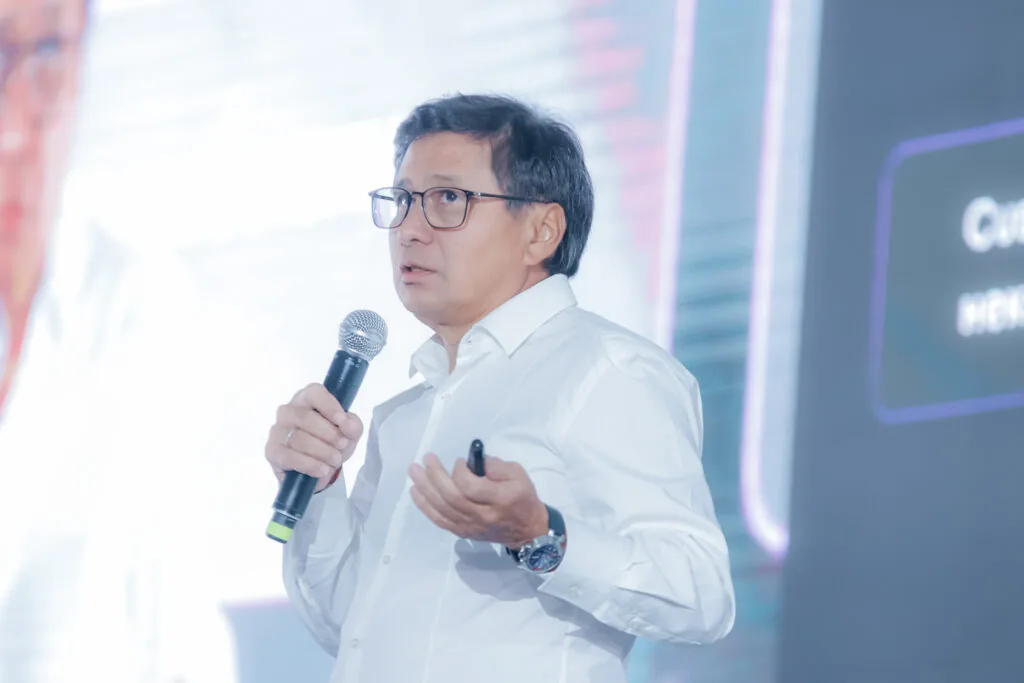
When making investment decisions, I consider the startup's stage. I usually work with projects from the Seed stage to Series A, but in recent years, I have often supported interesting projects at the Pre-seed stage, despite the high risks and sometimes unverified business models. At the Pre-seed stage, I invest small amounts, around $100,000–$150,000. At the Seed stage, the amount can range from $150,000 to $500,000, and sometimes up to $1,000,000.
About the Venture Meetups Initiative
I am part of various chats where startup founders, IT entrepreneurs, founders, and top managers are located. Discussions on venture topics occasionally arise there. In one such discussion, we talked about why startups have high valuations.
Usually, an IT company is valued based on multipliers from three to seven times EBITDA, depending on performance. EBITDA is earnings before interest, taxes, depreciation, and amortization. Amortization in IT companies is usually small. Meanwhile, startups are valued based on revenue multipliers, which can be from 5x to 15x, and during market booms and bubbles, up to 30x.
The second question often raised is why strategic companies buy startups for such large sums. For example, large corporations that have all the resources and qualified specialists choose to buy an existing startup rather than develop the technology themselves.
I proposed the initiative to hold a meetup and explore these topics. I have extensive experience and my own point of view, which may be subjective but is still interesting for discussion.
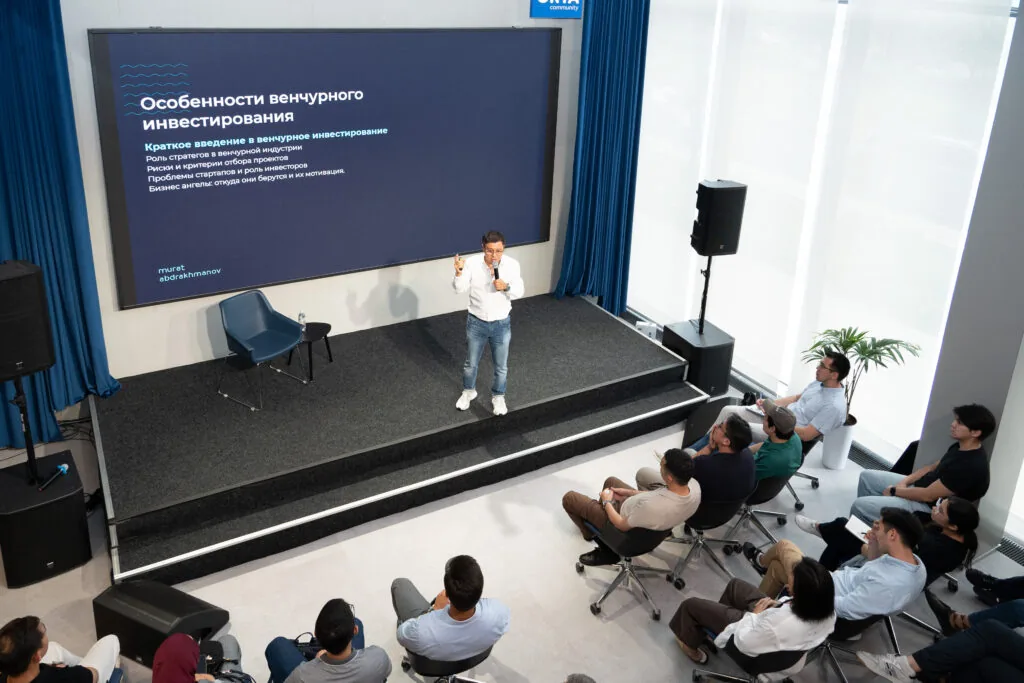
We held two meetups: one in Almaty and another in Astana. Both events were in high demand. We initially targeted IT entrepreneurs who were not yet involved in venture investments. However, startup founders active in this area also participated. Even if the lecture is not directly aimed at them, they can still hear interesting things. They can also learn what guides investors in their decisions and see the situation from an investor's perspective.
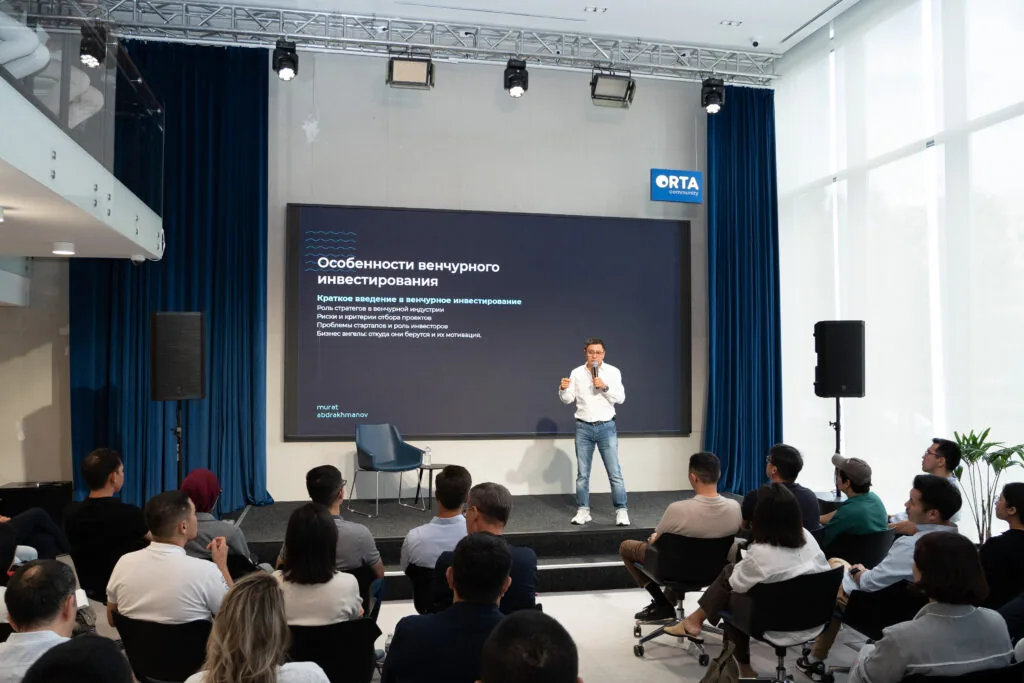
Entrepreneurs who want to start investing in venture projects also attended the meetups. The lecture was aimed at those who want to learn how to begin their journey in venture investments, what risks they face, and how not to lose money. Venture investments are the most risky type of investment. Even investments in cryptocurrency are not as dangerous: here you can lose 20–50%, while in venture capital, it is easy to lose 100%.
Both events were packed, despite the paid admission. The money we charge goes only to organizing the events. We do not just hold lectures but create venture events with networking elements. Participants can not only listen to the lecture but also communicate, drink coffee, and eat. We also add musical accompaniment and create a modern atmosphere for networking. This is how deal agreements happen.
Meetups are not the only initiative I organize for founders and business angels. In addition to them, once a year in winter, we organize ski races. I also initiate regattas and trips around the world to foster networking and develop the IT community across all of Central Asia, not just Kazakhstan.
Networking is important, and I actively organize events for this purpose. For example, we held the Venture Press Ski ski race at Shymbulak with 50 participants. Everything went well: the guys skied, drank hot mulled wine, met each other, and had a wonderful day.
In May, we organized the TechVenture Regatta in Italy, where participants got acquainted with sailing. Teams competed, and it was exciting. We also added lectures from interesting speakers. The format was successful, and we plan to hold it annually.
In addition, we organize yacht cruises with investors and startup founders to provide an opportunity to get to know each other better and discuss important venture topics. The next cruise will take place from October 12 to 19 on the Turkish Riviera. Follow my Instagram so you don't miss out.
Advice from an Investor
If insider information is prohibited in the stock market, it is necessary in venture investments, especially for beginner investors. If you have a startup you want to invest in, be sure to meet with more experienced investors and get their opinion. They can show the project from a side you may not have considered, which will help you make a more informed decision.
Networking is one of the key elements of working in venture investments. It is not just a desire but part of the business. If you are engaged in venture investments, it is difficult to achieve success without communication.
Differences Between Investing in a Club vs. a Fund
It is important to consider that the minimum check for participation in a fund usually starts at $500,000 and above. At the same time, you should pay attention to the managing partners, their track record, and the success of previous investments, as half of the funds are unprofitable, including many American organizations.
Another investment option is through syndicates. These are collective investments that allow investing small amounts. For example, the minimum check for a startup is $300,000, but you can participate with $10,000 to $50,000. The syndicate selects projects, conducts due diligence, and resolves legal and financial issues. It is important to evaluate the experience and performance of the syndicate itself.
The third path is independent investing. This path is the most risky, with a probability of losing money higher than 90%. I recommend that beginner investors use the first two options, accumulating experience and connections in the community. Sometimes startup founders approach beginner investors only because more experienced ones have rejected them.
Venture investments require deep immersion. If you do not have time, it is better to work as an LP or through syndicates. Independent investing is extremely risky but interesting, as it allows you to get involved in projects, study new technologies, and share experience.
In addition, venture investing offers the opportunity to network with interesting people around the world. In any large city, you will always find colleagues and partners ready for meetings and project discussions. This aspect is also hard to overestimate.
Plans
I have a wide range of interests, and I am happy to invest in projects related to artificial intelligence, which is undergoing a technological revolution. Of course, there are many pitfalls there too. I think that many AI startups will not survive—possibly two-thirds or even more, as today almost every project has the AI prefix.
I would also like to invest in startups related to optimizing work and improving business process efficiency. At the moment, many interesting projects are emerging, and I continue to actively work with them and invest.
Additionally, I founded the MA7 Angels Club, which helps investors invest in selected projects. We offer a methodology where investors can reduce risks by distributing investments among, for example, 10 companies with $10,000–$100,000 each. This allows reducing the risk of losses and gaining experience, and then, if desired, moving forward independently.
We have completed two deals through the club with startup founders Zibra AI and Zeely. Currently, we are in the process of finalizing another deal with a founder from Kazakhstan.
The Tech on Telegram Follow The Tech on Telegram
Keep up with the latest technology and startup news.
Related reading






More from this author

Article Useful
How to protect your accounts from hacking: 8 settings you should check today
The Tech

Article Useful
500 Global: How the Accelerator Works and Who Can Receive Investments
The Tech

Article Interviews
Game Development in Central Asia: Arkady Moldavski on Developing Reverb and the Growth of the Industry
The Tech

Article Useful
Google, Tesla, BlackRock, and the IMF: Where to Apply for an Internship in Fall 2026
The Tech

News IT
Tesla unveiled the flying electric car Roadster
The Tech

News IT
Intero Biosystems startup won the Startup Battlefield at TechCrunch Disrupt 2026
The Tech