How to Start a Career in IT Without a Relevant Degree: Stories from BCC-HUB School of Systems Analysis Graduates
Entering the IT field today can be achieved through various paths, but one of the most effective is gaining practical experience by working on real-world cases. This principle underpins the corporate training program for specialists — the BCC-HUB School of Systems Analysis.
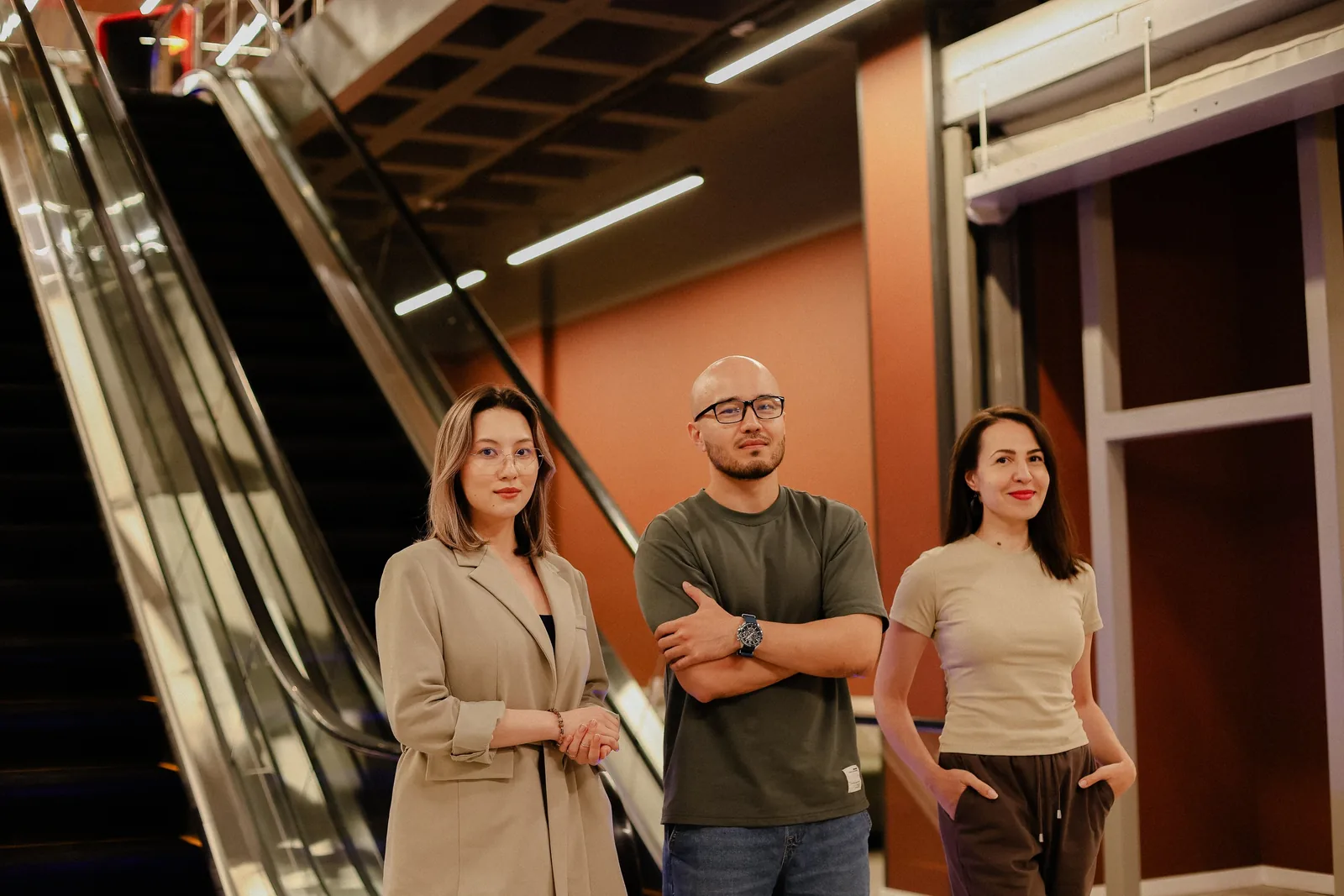
The program was designed for beginners and those who wanted to master a new IT profession. After selection, participants immersed themselves in a process as close to real system analyst work as possible: solving practical cases, working with mentors from the company, and receiving detailed feedback.
The program was conducted in an offline format in Almaty. The final stage was a project defense, after which the best participants became eligible for employment at BCC-HUB.
Today, they are already developing the company’s digital products. We tell you how the graduates of the first cohort started their careers in IT and who can join the new intake for the online course “System Analysis.”
You can submit an application and find out more details via the link.
Alina Eroshina, city — Almaty, Junior Analyst
Evgeniya Leontieva, city — Almaty, Junior Analyst
Bakhtiyar Kuntaev, city — Almaty, Junior Analyst
About Yourself
Alina. I am a system analyst at BCC-HUB. My job is to communicate with clients and translate their requests from business language into developers’ language. By education, I am a financier; I graduated from Almaty Management University.
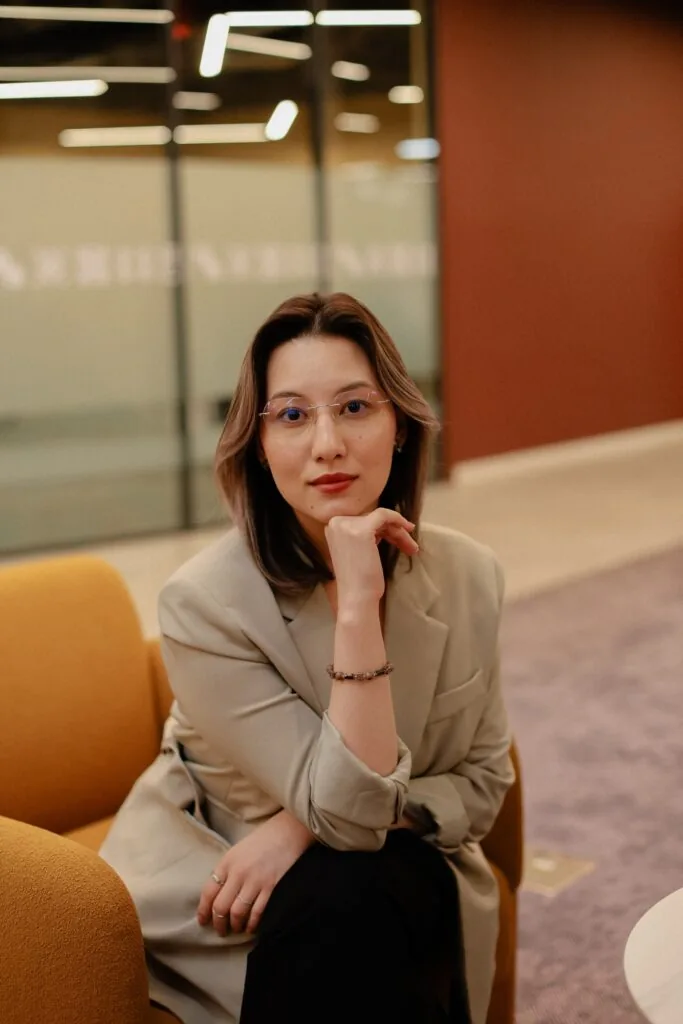
Before the program, I worked in the Corporate Tax department at PwC, and then at the oil and gas company PetroKazakhstan Inc.
Evgeniya. I am a business analyst in the foreign economic activity (FEA) department. I handle the documentation of business requirements, describe business processes, and outline logic from the client’s perspective.
Before the program, my most significant experience was in insurance, where I worked as an underwriter. I also had the opportunity to work in an advertising agency and in the construction and renovation sector, where I was involved in the development of online sales.
Bakhtiyar. I am a system analyst in the mobile development team at BCC.KZ. I work in the Client App sub-team, which handles client authorization, registration, and profiles. I am also embedded in a separate project related to a boxed solution.
Before the program, I worked as a business analyst at Andersen. This profession overlaps significantly with system analysis but focuses more on gathering requirements from business stakeholders without deep immersion in the technical aspects.
How They Learned About the School of System Analysis
Alina. I understood that I did not want to work in the tax field for the rest of my life. When I learned about the School of System Analysis, I began researching who system analysts are and what they do. I realized it was IT, not finance, and it genuinely interested me. I have always enjoyed systematization, analysis, and logic. I thought this was the perfect chance to change professions, and I decided: if not now, then never.
I learned about the School of System Analysis from acquaintances. They sent me the link and suggested I try it. I decided to submit an application, do everything in my power, and ultimately passed the selection.
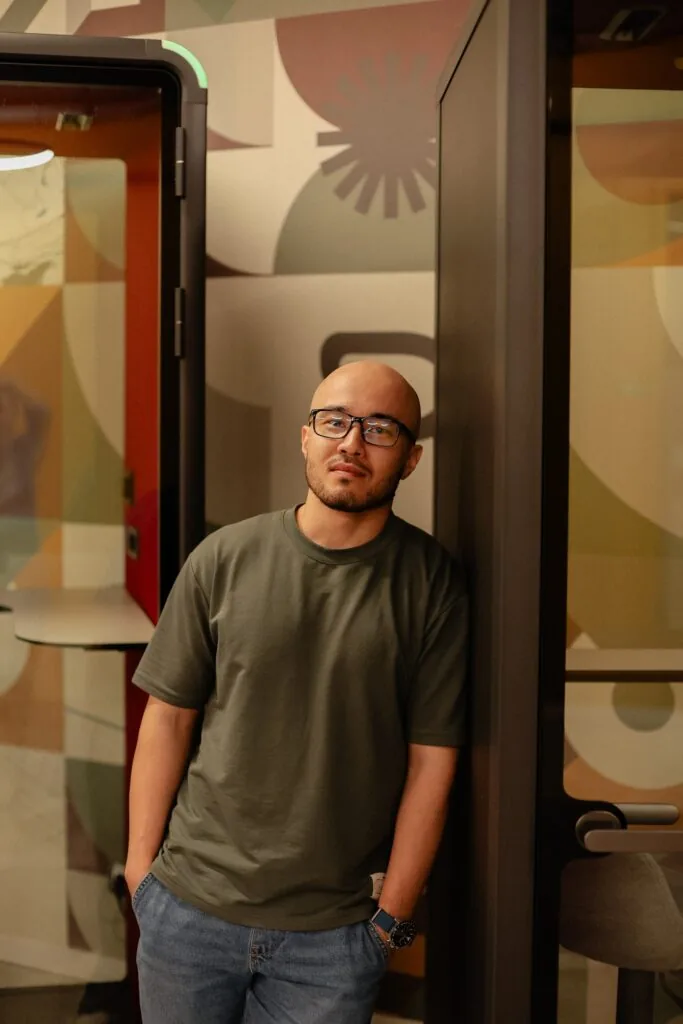
Bakhtiyar. I learned about the program from a post on Instagram. I have always been interested in how systems work “under the hood,” so when I saw the call for applications for the School of System Analysis, I decided to apply. At that time, I didn’t even know that the program involved further employment opportunities. I came purely out of interest in the profession and a desire to develop.
Evgeniya. I have always been interested in analysis. Initially, I considered business analysis, but ultimately decided to try system analysis. I wanted to become the link between business and IT, understanding the needs of both sides.
I learned about the intake for the School of System Analysis from an advertisement on Instagram. I filled out the questionnaire, submitted my application, and received an invitation a few weeks later. Later, I found out that out of 147 candidates, only 25 were accepted.
How the Program Went
Alina. The program took place three times a week over two months. We studied the basics of system analysis, frameworks, and international standards used by specialists.
I was most fascinated by everything related to IT: coding, architecture, and system design. I have always loved building diagrams and algorithms so that every detail found its place. This is exactly what I do in my work now.
Evgeniya. The program lasted eight weeks. During this time, we studied the basics of system analysis, SQL, databases, and BPMN — gaining a solid foundation for the profession.
Classes were conducted in a mixed format — online and offline, depending on the topic and practical components. When there was practical work, we connected online and worked from laptops. When theory was covered, we came to the office. All classes took place in the evenings after work.
Each module was led by a separate expert. We completed practical assignments, and at the end, we prepared a final project, which could be additionally defended in a presentation format. I decided to present my defense.

Bakhtiyar. I remember that one of the selection tasks was a problem about counting squirrels in a park. It did not have a single correct answer; it was important to demonstrate your thought process. I detailed my logic. About a week later, HR contacted me, followed by an interview.
Participation in the program took place in the evenings three times a week and lasted about two months. First, we studied requirements management, then gradually moved to the technical part: integrations, parameter description, working with Postman, Swagger, and SQL.
At that time, I was already somewhat familiar with these tools, but the School of System Analysis helped me systematize my knowledge, see the big picture, and understand how to apply them in practice. This proved useful in my subsequent work.
Evgeniya. The most surprising thing was that participation in the program was completely free. Even if I hadn’t been selected for the team, I would still have gained knowledge and practical skills to start a career.
I joined the program with absolutely no IT experience. Many terms were unfamiliar to me, so I wrote them down and studied them independently. I even started preparing before the classes began to better understand the experts.
Alina. Another feature of the program was the company experts. These were specialists from different teams, each with their own expertise and experience. It was interesting to learn from them, ask questions, and adopt their approaches. Later, many of them became our mentors while working at BCC-HUB.
What Proved Most Valuable
Bakhtiyar. For me, the most valuable aspect was communication with mentors and experts. These were company employees who work in the field every day and can talk about it not only theoretically but also practically.
After classes, we often asked questions not only about the material but also about work: how processes are structured, what they like about the profession, what they would change. These conversations helped us better understand how things really work.
The modules were led by active BCC-HUB specialists. They shared practical experience, gave advice, and spoke honestly about the profession.
I particularly remember the module led by Gleb Parshin, the lead system analyst of the mobile development team at BCC.KZ. His classes significantly influenced my development, and later, thanks to his support and recommendation, I joined the company.
Alina. For me, participating in the program was an opportunity to showcase my strengths and confirm that I had found a profession that truly suits me.
From a professional standpoint, what was most valuable was the attitude of the experts and the organization of the program. We were given many practical cases so that we would arrive at work as prepared specialists.
Everyone involved in organizing this process turned out to be responsive and attentive to us — and they remain so to this day. Whether regarding final assignments or how we work now, we can reach out with any topic or question. We are always met with understanding, receive calm answers, help, and guidance.

Evgeniya. For me, the most valuable aspect was the format of the program. I liked that the program was conducted in a hybrid format, and participants regularly met, communicated, and shared experiences.
I want to separately note the experts. They not only assigned tasks but also thoroughly reviewed them, answered questions, and were always ready to help. We had a common chat where we could ask for advice, and after the program ended, we were provided with program materials so we could continue learning independently.
But the main thing is the result. Thanks to this program, I am now working at BCC-HUB.
How the Program Helped with Employment
Alina. At the end of the program, we defended our final case. It was evaluated, after which a decision was made on who would proceed to the final interview. It was this interview that determined whether we would receive a job offer at the company. After that, we were assigned to teams.
Evgeniya. At the end of the program, I successfully passed the selection and had the opportunity to join the System Analysis team at Junior Bank. After the probation period, I was transferred to the position of Business Analyst in the Foreign Economic Activity department.
One of the major advantages of the company is its mentoring system. In the first few months, each new employee is assigned a more experienced colleague who helps with adaptation. After the probation period, an individual development plan is created for each employee, and the first assessment takes place after six months. During this time, I grew from Junior 1 to Junior 4.
I have a special story. In December, I ended up in intensive care, suffered serious injuries, and underwent surgery. I was on sick leave for a month and a half. Despite this, I successfully passed the assessment in March and increased my grade.
At 35, I completely changed my profession and started a career in IT. This is where I particularly value development opportunities. If you are truly ready to learn, the company provides all the tools for this: support, training, an individual development plan, and clear career milestones.
Bakhtiyar. When I entered the School of System Analysis, I didn’t even know that you could get a job at the end of the program. For me, it was an opportunity to understand the profession and gain new knowledge.
It became known during my participation in the program that the best participants would be eligible for employment at the company. But I didn’t count on this — my main motivation was interest in system analysis. I think it was precisely this interest that helped me fully immerse myself in the program, show myself, and ultimately receive a job offer.
I believe that interest should be the main driver. Today, many strive to enter IT due to high salaries or flexible schedules, but that is not enough. If a person is genuinely interested in understanding technologies and constantly learning, it shows. It is then that opportunities for professional growth appear.
New Opportunities for Those Who Want to Transition to IT
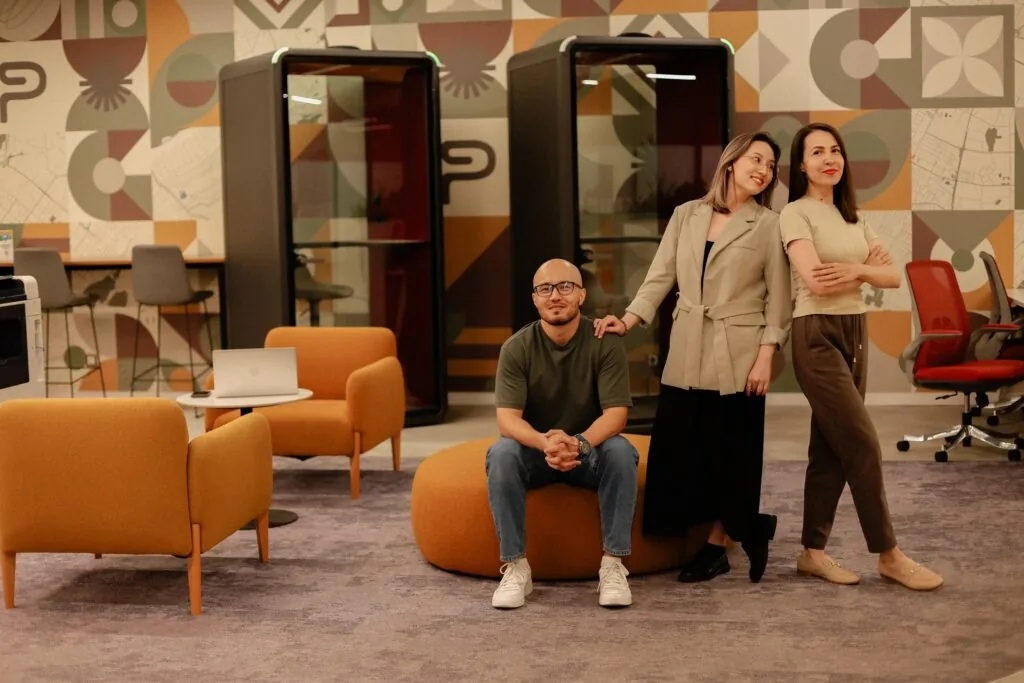
After the successful launch of the School of System Analysis in 2025, BCC-HUB is opening enrollment for the program in a new format — fully online. The program will retain the practical approach of the first cohort: participants will face real cases, practical assignments, and support from company experts.
The new free program will last two months and will be conducted on an online platform. To participate, one must pass a competitive selection and complete a test assignment.
At the end of the program, the best participants will be eligible for employment at BCC-HUB.
If you want to take the first step toward a career in IT, submit an application for the online course “System Analysis” and find out more details via the link.
The Tech on Telegram Follow The Tech on Telegram
Keep up with the latest technology and startup news.
Related reading




More from this author

Article Useful
How to protect your accounts from hacking: 8 settings you should check today
The Tech

Article Useful
500 Global: How the Accelerator Works and Who Can Receive Investments
The Tech

Article Interviews
Game Development in Central Asia: Arkady Moldavski on Developing Reverb and the Growth of the Industry
The Tech

Article Useful
Google, Tesla, BlackRock, and the IMF: Where to Apply for an Internship in Fall 2026
The Tech

News IT
Tesla unveiled the flying electric car Roadster
The Tech

News IT
Intero Biosystems startup won the Startup Battlefield at TechCrunch Disrupt 2026
The Tech