How an HRTech startup from Mongolia reduces employee turnover by 70% through gamification
We tell you about oneplace.hr — a Mongolian startup that, in just two years, turned ideas into a working HRTech platform. Today, the largest banks and corporations in Mongolia use oneplace.hr's games and artificial intelligence for hiring and onboarding employees, reducing turnover and making the hiring process objective and engaging.
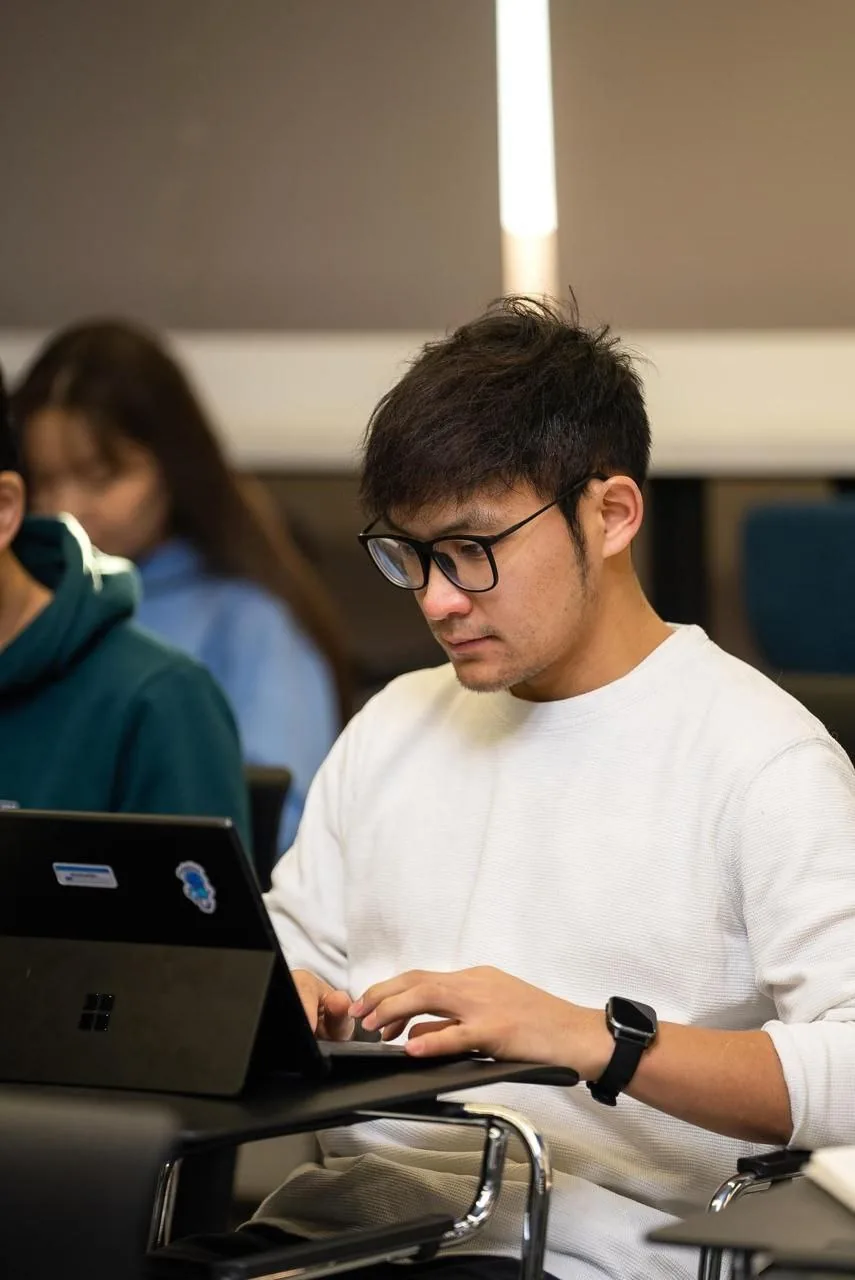
Khurelbaatar Bat-Orshikh, city — Ulaanbaatar, Founder / CEO, Instagram
How It All Began
I worked as a developer for an Australian company for four years, and afterward, I wanted to try my luck at Google, Microsoft, and other large corporations. I also applied for positions at McKinsey and Boston Consulting Group.
At the first stage, during the resume screening phase, I struggled to move forward for a long time. However, I succeeded with McKinsey: they sent me a link to a test—a simulation or game where I had to complete tasks. I created an ecosystem on a 3D island: balancing the system and making decisions. This simulation assessed how quickly a person makes decisions, calculates parameters correctly, and their cognitive qualities and problem-solving skills.
At that time, this was an exclusive McKinsey system, and I liked it because, as it seemed to me, it eliminated human biases—such as university brand, country, or candidate’s background, among others.
I began researching who created this system and wrote to the startup that developed it. It was an American startup called Imbellus, which was later acquired by Roblox. In parallel, I contacted the project’s professors and advisors. They responded, and we began working with them on a system we wanted to make open so that companies could use it.
Our idea was that if companies are ready to hire people quickly and need to understand how capable a candidate is of learning, such simulations are indeed helpful—regardless of where the person studied and what their profession is.
The project was launched about two years ago. In the initial stage, we organized the team’s work, attracted funding in Mongolia, and developed the first prototypes. Currently, our gaming solutions are being used by the largest banks and corporations in Mongolia at the second stage of recruitment.
In the future, we gradually expanded our product line by introducing solutions aimed at solving specific tasks in the field of recruitment. Analysis showed that among frontline employees, there remains a low level of registration on platforms like Headhunter and similar local and international services.
Startup Launch
Today, the company operates in Mongolia and Uzbekistan in the HRTech segment and helps employers hire young specialists using artificial intelligence and gamification technologies.
Candidates see job openings on social media, apply for them, and undergo an initial interview with AI, after which they complete gaming tests and assignments. These simulations allow for an objective assessment of cognitive abilities, problem-solving skills, and other key competencies.
After starting work, the employee receives a structured onboarding program: introduction to the team, viewing training materials, and meetings with the manager. Digital points are awarded for completing tasks, which supports the engagement of new workers.
This approach accelerates onboarding, facilitates establishing work contacts, and increases engagement levels. As a result, client companies were able to reduce employee turnover by 70%, which is especially important in mass hiring.
Interest in simulations arose after studying the platform created by the American startup Imbellus, which was later acquired by Roblox. The project team also interacted with professors and consultants who participated in developing the original system. The experience gained formed the basis of our own candidate assessment model, focused on the ability to learn and potential effectiveness regardless of education and professional background.
Analysis of young employees' behavior revealed an important problem: if specialists do not feel aligned with the corporate culture within the first month, they leave the company. This period, which Zoomers call the "vibe-check month," became the starting point for creating a product that makes the onboarding process more structured and comfortable.
The result was a significant increase in engagement: employees get to know each other faster, communicate, and form internal connections. For large companies, this brings direct economic benefits: investments in the system pay off in about two months, and further reduction in turnover ensures net savings.
Team
Currently, our team consists of three people: two co-founders and an engineer. Last year, we had nine people, but over several months, due to the development of artificial intelligence, we transferred many parts of development to AI, and the team shrank.
I am responsible for sales and fundraising, the CTO is fully responsible for the product and architecture. Also, one engineer who works only with AI used by large companies.
Target Audience
In Mongolia, there are currently about 28 major clients, including Burger King and large Korean chains. Their branches employ Zoomers and students working part-time, and we support companies through gamification, increasing employee engagement and accelerating onboarding.
In Uzbekistan, the first clients have appeared, such as the restaurant chain Yaponamama. For them, a gamification system is also being implemented: employees complete tasks and receive support through a virtual assistant that answers frequently asked questions. Additionally, recruitment functionality is connected for clients, allowing for optimized personnel selection.
Incubation Programs
Initially, the project was a personal initiative, and I was the sole founder. The first step was participating in the Mongolian accelerator MStars Hub. At the start, we only had a presentation, but over six months, we prepared a demo, received investments, and launched the first services in a large company.
Three to four months later, we participated in Google for Startups in Astana, where we stayed for three months as part of the fourth cohort of the program. After the accelerators, we tested various hypotheses and conducted pivots. During the work, it became clear that companies are interested not only in quick hiring—they have resources for that—but also in the first months of a new employee's onboarding, when they decide whether to stay with the company or not. This determined the focus on onboarding. The development of the onboarding direction allowed the company to increase the number of B2B clients.
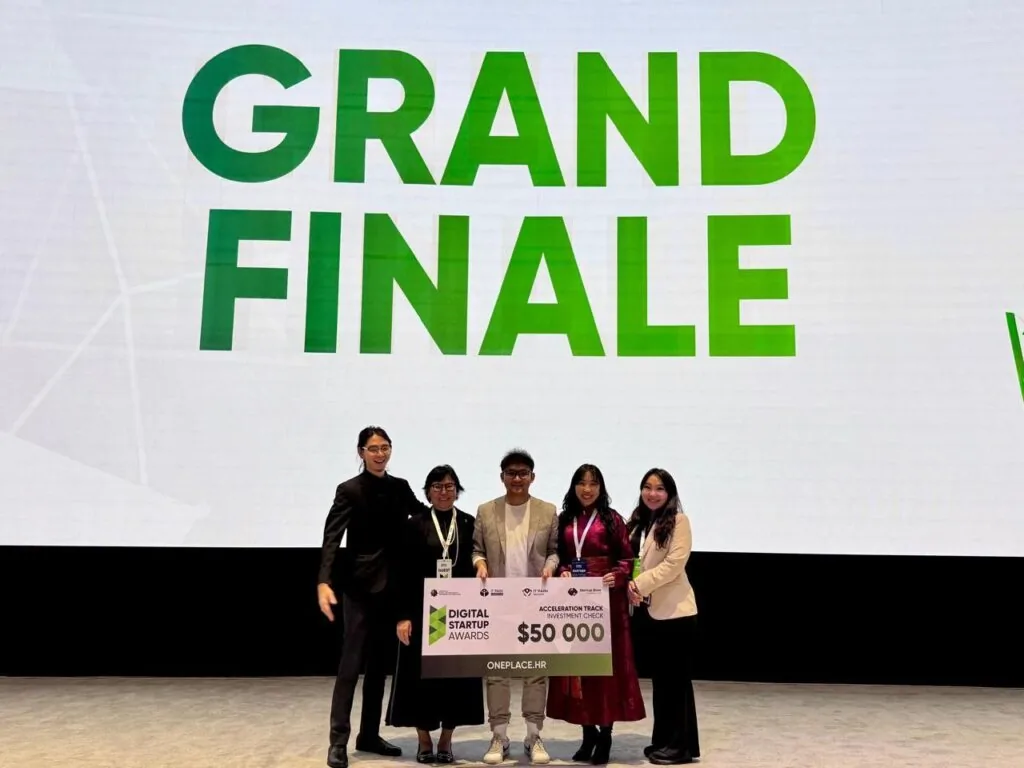
Additionally, we successfully completed participation in the third accelerator—DSA Accelerator at IT Park Uzbekistan. The program helped attract an investor, expand the client base, and establish partnerships with a local superapp. As a result, we received an investment of $50,000. As part of further integration, superapp users will be able to search for jobs, take interviews, and start working as early as late December to early January.
Challenges
The early stages of the project were difficult. After the first round of investments, we did not attract additional funds and tried to finance everything ourselves. This period was challenging because the ability to keep the team and continue developing the project depended on our effectiveness with the co-founder.
Together with the co-founder, we concluded that having large reserves in the account reduces the speed of decision-making and motivation. For two years, we consciously minimized expenses to maintain a high pace of work and keep the team. Thanks to this, we managed to reach break-even and prepare for the next stage of attracting investments and scaling.
Interacting with clients posed particular difficulty: we had to meet with them in person, study their problems, and negotiate partnerships. But this helped keep the team and ensure the project's growth.
At the same time, an analysis of the hiring and onboarding process was conducted, key participants were identified, and work is being done with each of them, regardless of who pays for the product. This approach allowed us to better understand the needs of companies and employees, becoming the foundation for further product development.
Plans
Currently, we are opening our next funding round—a Seed round of $300,000. The funds are planned to be directed toward scaling in Uzbekistan. Partnerships have already been established with superapps in Mongolia and Uzbekistan, through which further expansion will occur. The goal is to create an ecosystem that allows connecting all retail and food service networks working with the company to the platform.
Next year, we plan to enter the Southeast Asian market, primarily Thailand, where there are many convenience stores, such as 7-Eleven. We also received an invitation to the Thailand IT Park to participate in an accelerator, where the platform will be tested considering local features and work will be done with Bangkok's retail sector.
The Tech on Telegram Follow The Tech on Telegram
Keep up with the latest technology and startup news.
Related reading






More from this author

Article Useful
How to protect your accounts from hacking: 8 settings you should check today
The Tech

Article Useful
500 Global: How the Accelerator Works and Who Can Receive Investments
The Tech

Article Interviews
Game Development in Central Asia: Arkady Moldavski on Developing Reverb and the Growth of the Industry
The Tech

Article Useful
Google, Tesla, BlackRock, and the IMF: Where to Apply for an Internship in Fall 2026
The Tech

News IT
Tesla unveiled the flying electric car Roadster
The Tech

News IT
Intero Biosystems startup won the Startup Battlefield at TechCrunch Disrupt 2026
The Tech