IT Community of Central Eurasia: GameDev Center
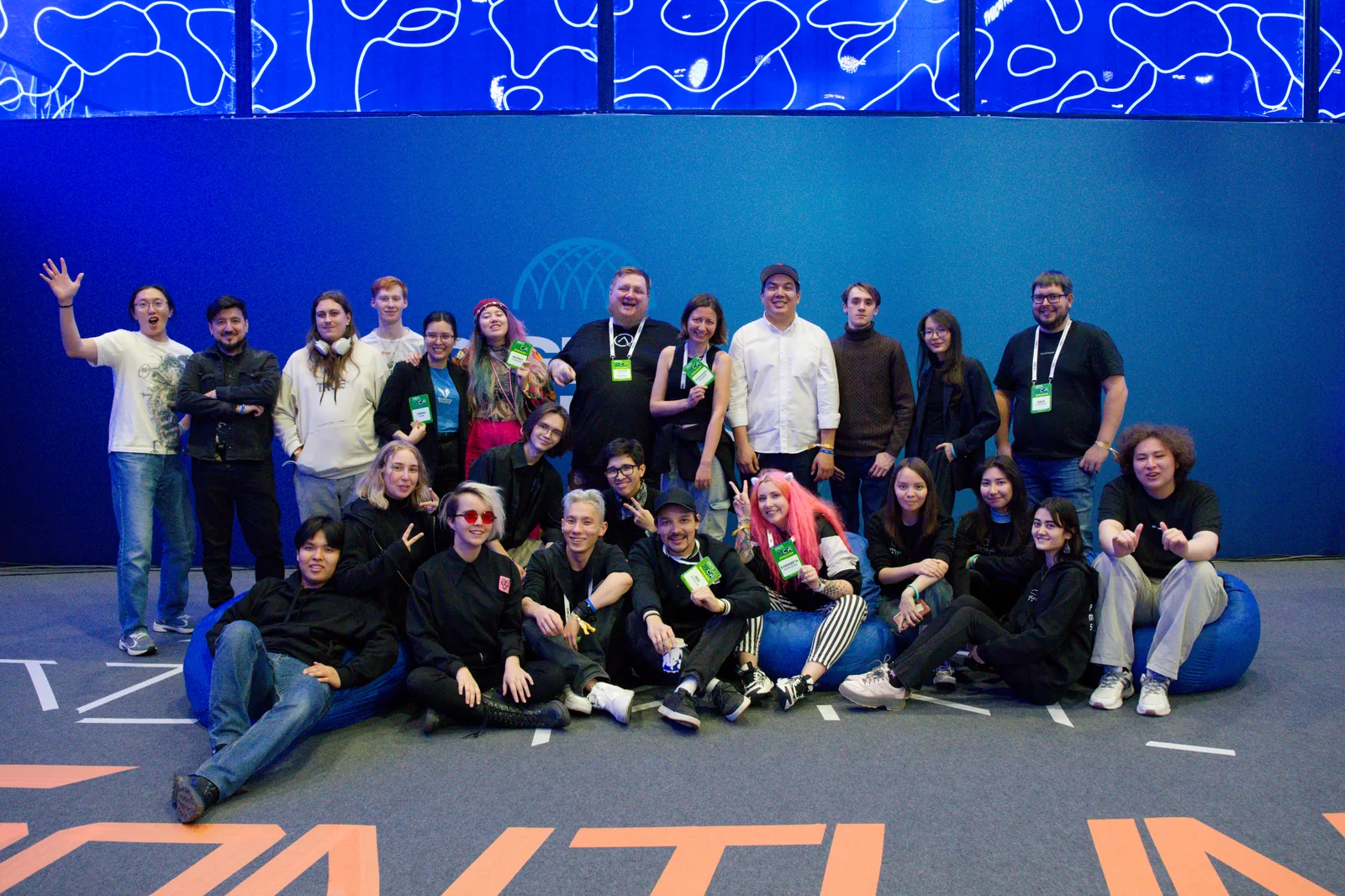
We connected with the IT community, where people who know how to create games and love doing it gather. Here, students, schoolchildren, and experienced developers learn, exchange experience, create games at game jams, participate in educational programs, and discover the industry from the inside.
Elina Kim, city — Astana, head of the GameDev Center Astana hub, teacher of Unreal Engine, Game Maker, 3D-modeling, coordinator of the Gamedev direction at GCA, Instagram
About the community
The story began at Astana Hub with a CG conference created by enthusiasts of computer graphics. Gradually, the focus shifted to game development, a game dev convention appeared, and then an independent GameDev Center. This was not our initiative — we joined later, preserving continuity.
The GameDev Center is not a company or a legal entity. We oversee the community and will eventually pass it on, as OMNIUM did. If OMNIUM, an adult development school, focused on education, then the GameDev Center develops practice and an environment for participant growth.
Since the community grew out of the CG environment, there is no exact date of its creation. Some of the earliest announcements about gatherings date back to 2018 or 2019. The GameDev Center was created in 2021 or 2022.
The tasks of our community include several key areas:
— aggregation. We bring people together, provide access to opportunities, training, and game development tracks, forming an environment for communication, experience exchange, and growth.
— education. We make entry into game development as accessible as possible: you can try yourself, understand your interest in the field, and gain your first practical experience.
— KPIs in games. In game development, success depends on quality, luck, and marketing. Only a portion of games become commercially successful; the rest form portfolios. Our KPI is the quantity and quality of projects: we stimulate development, attract partners and sponsors, creating conditions for collaboration and creativity.
— attracting investments. We attract investors and partners so that game development is commercially sustainable, creates jobs, and works for the global market, attracting external investments.
— community structure. The basic unit of game development within the structure of GCA, which unites digital creative industries. GCA is part of the Creative Industries Alliance of Kazakhstan and Central Asia.
We are most closely connected with GCA, as we work directly within this structure. Within the six industries, there are related directions. For example, game development is linked with animation and partially with comics. Esports players and cosplayers also participate in events. At Comic Con, we collaborate with cosplayers who bring game characters to life, creating interesting collaborations and uniting different areas of the creative industry.
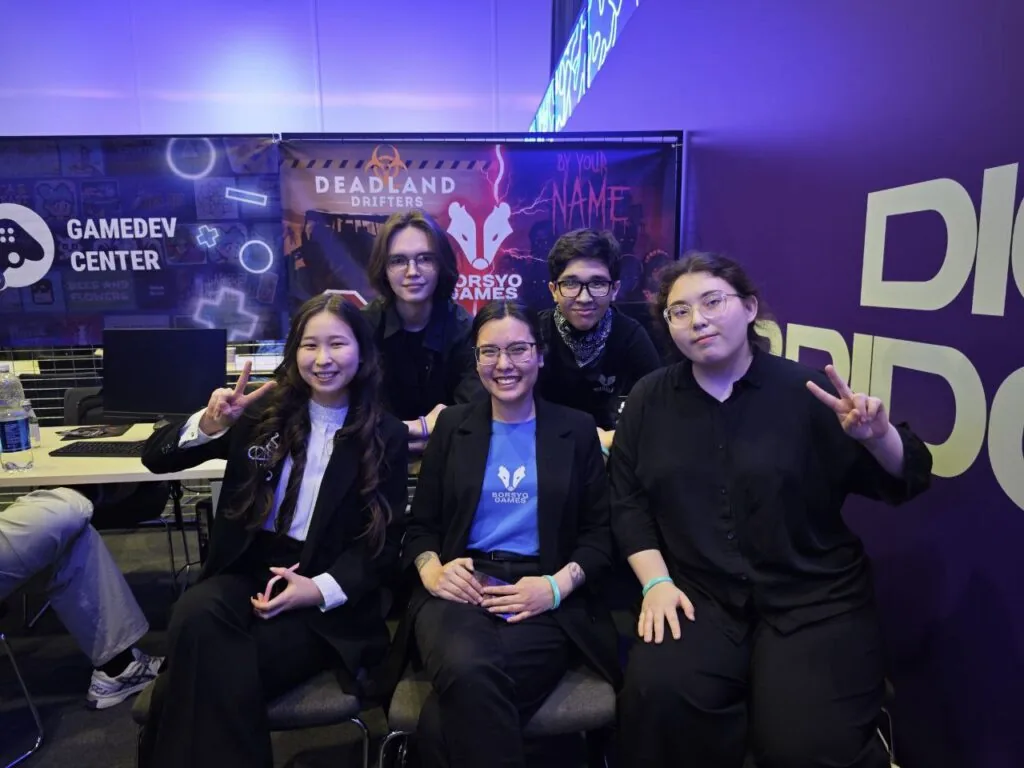
Community Participants
This community is for people who know how to develop games and love doing it. In practice, during the first year of the GameDev Center's operation, it was easiest to engage students and student communities.
In my main team, there are mostly senior students. Previously, when I taught 3D modeling for computer games, there were also 16-year-old schoolchildren among the students. Years have passed — they have grown up but retained their interest and enthusiasm for game development. Overall, we are open to anyone already involved in game development.
At a higher level, experienced specialists — art directors and company heads working in large businesses — rarely join the community. There are few such specialists in Kazakhstan, and they usually interact with us through the GCA structure, as they are interested in the entire ecosystem. We actively collaborate with them and support joint initiatives.
Registration in the community mainly occurs through participation in events — we do not have a separate residency form. We maintain Telegram and Instagram channels where we publish event announcements.
We are supported by Astana Hub and the Creative Alliance — they help attract sponsors and experienced developers. At the same time, a significant part of the work still relies on enthusiasm: most team members combine their work in the community with their main jobs or studies.
Events for Community Members
Global Game Jam, taking place on January 26, is a week of intensive game development in a hackathon format. Participants create a game within a week based on a secret theme revealed on the start day.
We have attracted sponsors, including O-Games: the prize fund is 300,000 tenge for first place, 180,000 for second, and 120,000 for third. Teams consist of up to six people. Additionally, partner CREATA VENTURES is preparing a special nomination.
Global Game Jam is an international event held in more than 100 countries. In Kazakhstan, it has been held only once and was previously oriented mainly toward students. This year, the format is expanding: participants from Russia, Kyrgyzstan, and Uzbekistan have already joined, and the event is effectively reaching a Central Asian level.
Global Game Jam is open to everyone: even without experience, you can join a team and learn during the development process.
Besides Global Game Jam, we hold jams no less than three times a year — each season, with a prize fund.
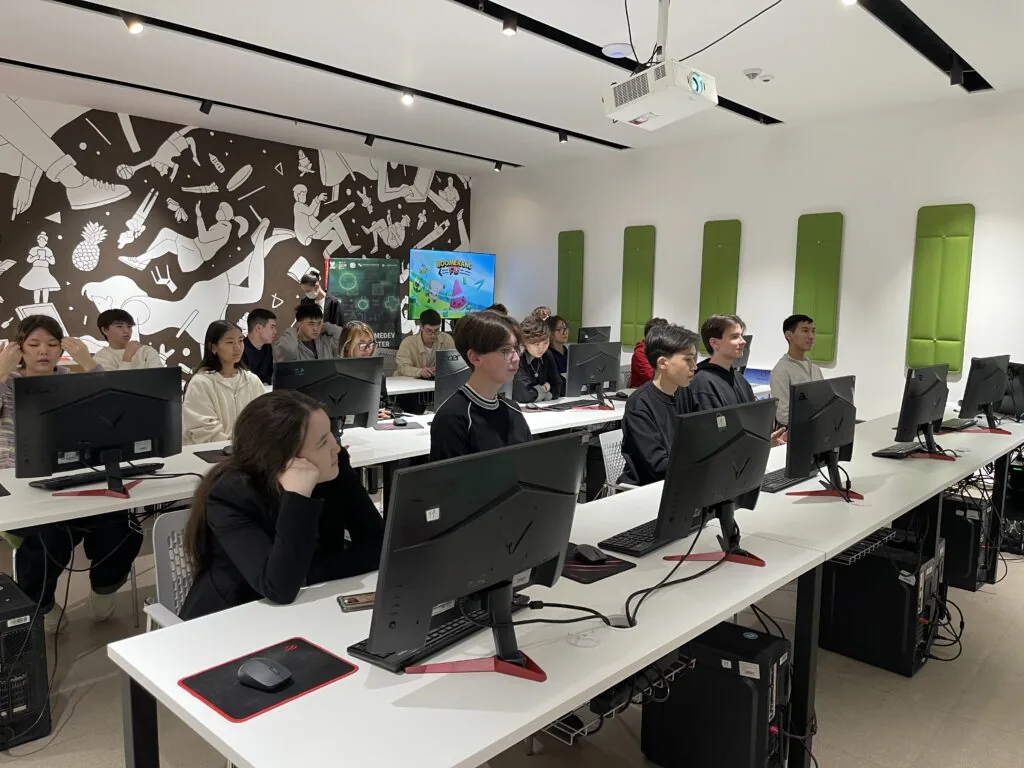
Open University takes place at least once a month. Announcements are published on the Astana Hub and GameDev Center channels. Topics range from 3D modeling to Godot, Unreal Engine, Substance Painter, ZBrush, and other tools. All events are free and open to beginners. The program is result-oriented: there is always a teacher and an assistant during classes so that every participant gains practical experience and understands whether they want to develop further.
Spontaneous local events also take place — for example, lectures on game balance initiated by the developers themselves.
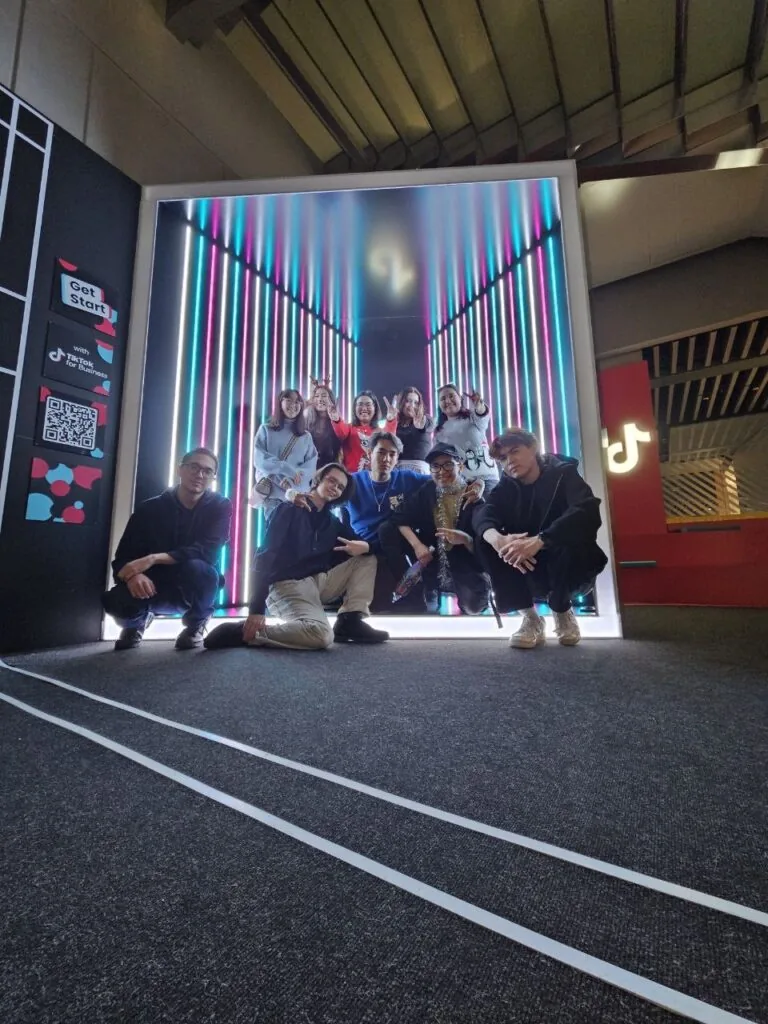
Among major events are Digital Kazakhstan in Shymkent in the Digital Bridge format, summer GITEX in Kazakhstan supported by the Creative Alliance, and the Central Asian game festival and awards. Throughout the year, a forum in Almaty, game dev zones at Digital Bridge in Astana, and GITEX in Almaty are planned. We regularly participate in these events, as well as at Comic Con, cosplay festivals, esports tournaments, and GCA initiatives. Announcements are published on social media and in communities.
How the Community Helps with Development
The main flow of participants comes to the community through events. For example, the GameDevTour project allows schools and colleges to bring students on tours to the hub, where games created at our jams are shown in laboratories. There are already more than 80 such projects — they can be simple but playable. Students test the games, leave feedback, and developers refine their projects.
We are always open to new participants, as the community relies on enthusiasm. At the same time, most come not so much to help with organization as to develop their own games. In such cases, we provide infrastructure: workstations, Oculus Meta Quest, graphic tablets, synthesizers, and tools for working in Unreal Engine. We also have a 3D scanner that allows digitizing large objects and importing them into games. All infrastructure is available to participants, although legally it belongs to Astana Hub.
We do not develop games together with beginners. Many lack an experienced mentor, which makes projects more complex than expected, and interest fades. We help, but we do not play the role of a development studio.
By education, I am a teacher, and my goal is to nurture talents. The GameDev Center became my starting point, where anyone, regardless of country and opportunities, can show themselves and begin to develop.
Game development in Kazakhstan is still in its early stages, and now we are laying the foundation for the future industry. Many participants have not yet been found, but they are exactly those who can become part of this foundation and contribute to the history of the community. We support participants with our own experience and the expertise of colleagues working on international projects, making the process particularly valuable and vibrant.
In the near future, we plan to launch permanent residency so that participants can officially and conveniently use the center's infrastructure. A demo zone is being prepared for opening at Astana Hub, which will operate almost around the clock: with a VR arena, Classroom, pitch zone, laboratory, and co-working space. There, you can get acquainted with Kazakhstani products, games from jams, and leave feedback.
Also planned for this year is a major accelerator for developers who know how to create games but do not yet understand how to sell them. Its goal is to prepare teams for entering the global market and make the game development industry commercially sustainable.
Successful Projects
Recently, we began cooperation with Nazarbayev University. They have their own club, and for the last two Game Jams, we held them jointly with them. They help with organization and have a department where students also develop games. We expect successful cases from them.
We also work closely with the Astana IT University club. One of its former presidents is currently developing his own game and plans to release it on Steam this year.
The "AKIRA" club is our partner: participants are already adults, know what they want, raise budgets, and publish games on Steam.
We interact with Elizaveta Morozova from SolidRock AI, the Mayton team, Ogames, and Grand Mobile. With Grand Mobile, we held the first two jams jointly.
Plans
First of all, our task is to strengthen the GameDev Center so that its work is not built solely on enthusiasm, and we can devote more time and resources to development. Currently, we have strategies, we cooperate with creative alliances and GCA, and implement initiatives for the sustainable functioning of the center.
It is important to strengthen the staff: the team consists of more than 20 people, but only three are actively working. The current goal is to create a sustainable structure and organize the center's work. In the future, participation in major events such as GITEX, Digital Kazakhstan, and Digital Bridge is planned to engage participants and strengthen the community.
We are actively establishing contacts with all six industries of GCA. Currently, the GameDev industry is the most active, where we initiate key projects. This year, we plan to connect other industries and unite local communities to draw attention to their projects and ensure media coverage. Many in Kazakhstan still do not know what game development is and what opportunities industry events offer.
We also plan to show the development process from a media perspective — through shows, releases with bloggers, and other formats, so that participants can immerse themselves in the profession. At the state level, colleagues from the education sector are working on integrating game development into educational programs. In 2025, 150 adapters were prepared, who are now teaching OMNIUM-2 in schools and universities. One of the partners is working to make game development programs available in private and state schools, providing students with practical experience and development skills.
For me personally, support from TechOrda was decisive: without it, I would probably have remained a Russian language teacher. There are many opportunities in the industry, but few people know about them. Our task is to open these opportunities and create accessible paths for talent development.
Contacts to join the community:
Telegram GCA Community
Instagram GCA Community
Telegram GameDev Center Community
Instagram GameDev Center Community
The Tech on Telegram Follow The Tech on Telegram
Keep up with the latest technology and startup news.
Related reading






More from this author

Article Useful
How to protect your accounts from hacking: 8 settings you should check today
The Tech

Article Useful
500 Global: How the Accelerator Works and Who Can Receive Investments
The Tech

Article Interviews
Game Development in Central Asia: Arkady Moldavski on Developing Reverb and the Growth of the Industry
The Tech

Article Useful
Google, Tesla, BlackRock, and the IMF: Where to Apply for an Internship in Fall 2026
The Tech

News IT
Tesla unveiled the flying electric car Roadster
The Tech

News IT
Intero Biosystems startup won the Startup Battlefield at TechCrunch Disrupt 2026
The Tech