Inclusive Technology: How Modern Solutions Help People with Special Needs
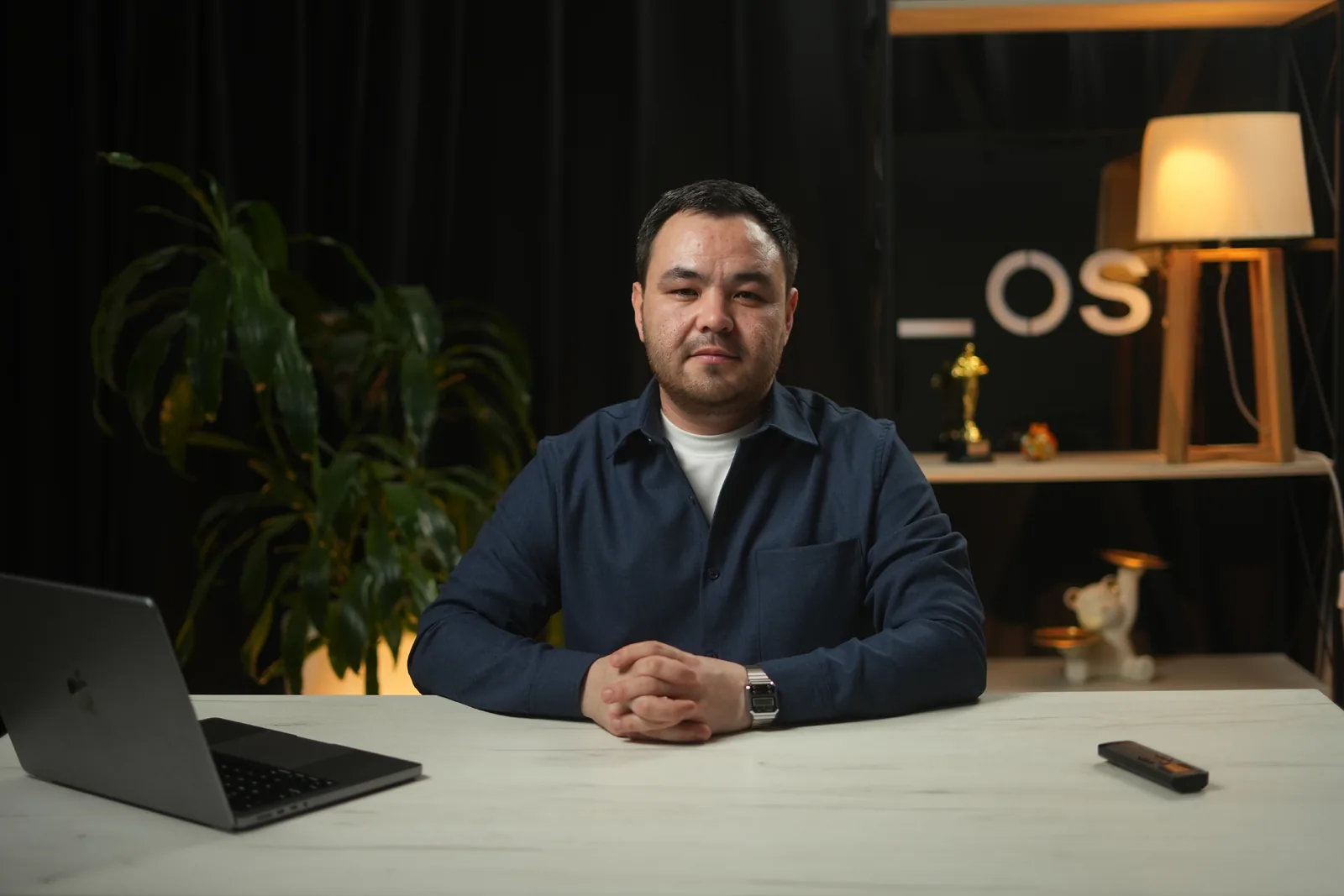
Tamilan Shapiev, an entrepreneur from Almaty, former director of Yandex Taxi in Central Asia, Cambridge University MBA graduate, and member of the presidential personnel reserve, has dedicated his career to developing innovative solutions that make transportation accessible to everyone. In this article, we will explore how technology assists people with special needs and what steps are being taken to enhance their mobility.
Author - Mansur Ismagulov

The Tech AI
Get the key points in seconds - a short summary from The Tech AI.
Yandex.Taxi has implemented inclusive technologies: a chat and light notifications for drivers with hearing impairments, VoiceOver/TalkBack support and geolocation for passengers with visual impairments, as well as a special fare for wheelchair users without commission. These solutions ensure equal access to services, enhance the independence of people with special needs, and contribute to the creation of a fair urban environment.

The principle of digital equity implies equal access for all people to digital technologies, which includes not only the ability to use devices and the internet, but also the convenience of interacting with digital services. Interestingly, the technologies themselves often do not require modification for people with special needs, as basic digital interfaces already possess sufficient flexibility. However, in situations where the digital and physical worlds intersect, such as in transportation, banking services, or medical facilities, interfaces and functionality often need to be upgraded for the convenience of all users. This may include adaptive screens, voice commands, tactile elements, and other methods to enhance accessibility.
Technologies for drivers with hearing and speech impairments — access to fair earnings for special drivers
One significant example of inclusive technologies is the support for drivers with hearing and speech impairments. Yandex Taxi has implemented solutions that allow such drivers to work comfortably. The built-in chat in the app replaces verbal communication, and passengers receive advance notification that the driver cannot hear or speak. This helps avoid misunderstandings and makes the interaction more convenient for both parties.
Another important innovation is light notifications upon receiving an order. Instead of a sound signal, a flashing message arrives on the driver's smartphone screen, informing them of a new order. This significantly simplifies the work process and makes trips safer.
Thus, thousands of drivers have gained access to decent earnings, which can serve as a kind of social elevator for people with special needs.
Accessibility for passengers with visual impairments — integration of VO/TB technologies
For people with visual impairments, technology has become a real breakthrough, allowing them to move freely around the city. Yandex Taxi has integrated support for VoiceOver and TalkBack, enabling visually impaired and blind users to easily place an order, track the status of a trip, and interact with the driver via text messages.
The ability to track the driver's geolocation in real time is particularly useful for visually impaired passengers. It allows them to determine in advance when to go outside, while their caregivers can monitor the trip through a special link, adding confidence and peace of mind.
This technology reduces discrimination against people with special needs and gives them a chance to get closer to an ordinary life, opening up new opportunities and horizons for them, both in professional development and in daily routine.
Special tariff in the mobile application
Another important step towards inclusivity is the launch of a special tariff for passengers who use wheelchairs. This tariff operates vehicles equipped with lifts or ramps, which significantly simplifies the process of boarding and alighting for the passenger. This not only increases convenience but also reduces waiting time, improving the service for all participants in the trip.
In addition, Yandex does not charge a commission from drivers working in this tariff, making it more attractive. This contributes to an increase in the number of such vehicles, which ultimately expands the accessibility of the service.
For people with limited mobility, it is especially important to have access to reliable modes of transportation. Unfortunately, in developing countries, public transport is not fully adapted for the comfortable movement of people with limited mobility. For such people, the appearance of such a tariff can be one of the few opportunities to go somewhere for a meeting or to visit a doctor.
How technologies improve life
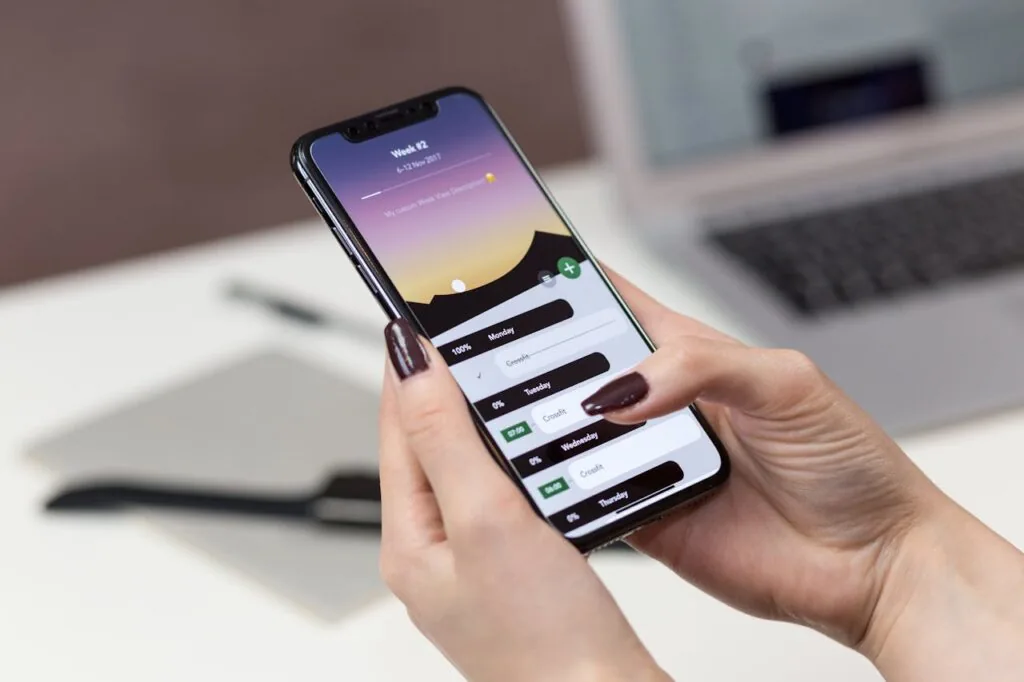
Modern technological solutions significantly increase the level of mobility for people with special needs. Thanks to innovations such as voice assistants, driver location tracking, and specialized transport solutions, users can move freely around the city without experiencing difficulties. This opens up new opportunities for work, study, and social activity.
For many people, inclusive technologies have become the key to independence. Now, a person with health limitations can use transport services without obstacles, organize their day, and plan trips without outside help.
Benefit for society — a win-win case
Technologies are becoming an integral part of forming an inclusive society in which every person, regardless of physical abilities, receives equal conditions for movement and communication. Modern innovations in the taxi sector are just one example of how technological solutions help eliminate barriers and make the urban environment more convenient for everyone. The development of adaptive services and special features allows people with special needs to feel more confident and free in their movements.
By investing in inclusive technologies, companies not only improve the convenience of their services but also contribute to the creation of a fair and accessible urban space. This approach not only expands the user audience but also strengthens the reputation of the business, demonstrating its social responsibility. In the long term, this contributes to the development of cities where technology serves people rather than creating additional restrictions.
Author: Tamirlan Shapiev
The Tech on Telegram Follow The Tech on Telegram
Keep up with the latest technology and startup news.
Related reading




More from this author

News
zypl.ai begins operations in Japan and focuses on next-generation risk models
Mansur Ismagulov

News
Elon Musk's net worth has exceeded $700 billion for the first time
Mansur Ismagulov
Article Interviews
"Central Asian countries should build a joint ecosystem," — Bekhzod Ismoilov on the development of AI in the region
Mansur Ismagulov

Article Interviews
Bloom's Taxonomy and Engineering Levels: A Practical Growth Model
Mansur Ismagulov

Article Useful
How the IT industry in Azerbaijan developed in 2025: key events
Mansur Ismagulov

News
Tajikistan has become a new member of the regional innovation alliance Central Asian Innovation Hubs
Mansur Ismagulov