AI agents: what they are and how they work
AI agents are software systems capable of autonomously performing tasks, analyzing data, adapting to conditions, and making decisions. They are used in medicine, finance, transportation, and other fields. In this article, we will explore how AI agents work, what technologies underpin them, and where they are applied.
Author - Mansur Ismagulov
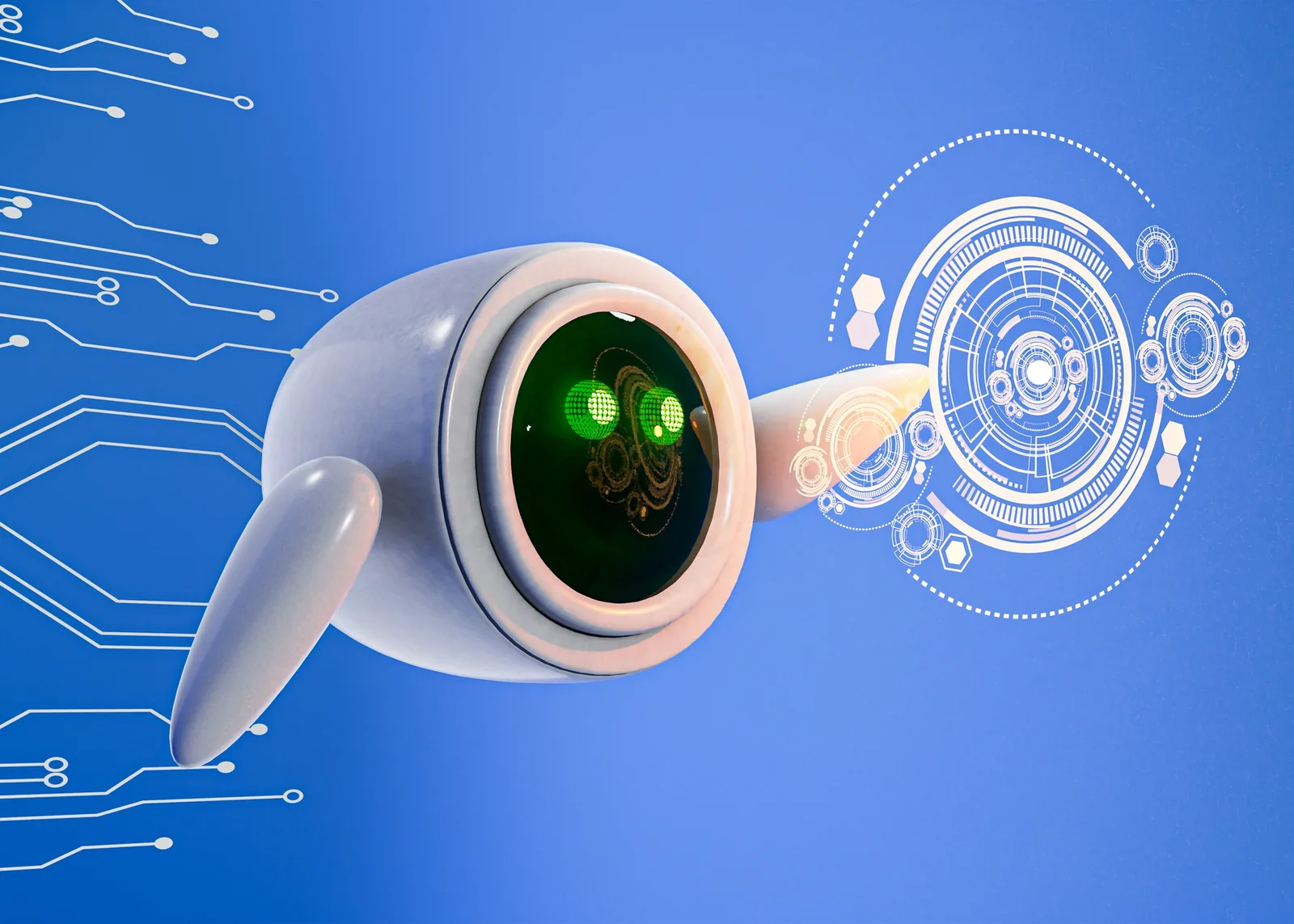
The Tech AI
Get the key points in seconds - a short summary from The Tech AI.
An AI agent is an autonomous system that adapts to changes and uses machine learning, neural networks, and natural language processing. It is applied in finance, medicine, transportation, and cybersecurity, addressing ethical and security issues. Andrew Ng highlights AI agents as a key trend with an emphasis on visual AI, while Elon Musk estimates the probability of AI destroying humanity at 20%.
What is an AI Agent
An AI agent is a system that can autonomously or semi-autonomously perform tasks using artificial intelligence algorithms. Unlike traditional automation, AI agents have the ability to adapt to changes, analyze input data, and optimize results.
Key characteristics:
— autonomy — operates without constant human control
— learnability — improves efficiency based on experience
— goal-oriented — works toward a set objective
— interaction — exchanges information with other systems.
How AI Agents Work
AI agents work in stages. First, they collect data from external sources — sensors, databases, or APIs. Then, they analyze it using machine learning algorithms, identifying key patterns. Based on the information obtained, the agent makes a decision and performs the necessary action — interacting with the user, controlling a device, or making changes to the system. After that, it analyzes the result, learning from its own experience to work more accurately and efficiently in the future.
AI Agent Technologies
AI agents use a combination of different technologies:
- Machine Learning — helps analyze data and identify patterns.
- Deep Neural Networks — used for complex tasks such as image and speech recognition.
- Natural Language Processing — enables agents to understand, generate text, and interact with users.
- Reinforcement Learning — used in dynamic environments, such as robotics and games, where the agent learns through interaction with the environment.
Applications of AI Agents:
— finance: trading automation, trend forecasting, fraud prevention
— healthcare: data analysis, diagnosis, treatment selection
— transportation: autonomous vehicles, logistics optimization
— cybersecurity: threat detection, data protection
— personal assistants: voice assistants, smart devices.
Legal and Ethical Issues
The use of AI agents requires consideration of several aspects:
- Transparency of decisions — it is important to understand how algorithms work and why certain decisions are made.
- Data protection — it is critically important to ensure the security of personal information.
- Legal liability — there are currently no clear international standards for distributing responsibility for AI errors.
- Algorithmic bias — systems may reproduce discrimination if trained on incorrect data.
- Security — protection against hacking and potential abuse. Impact on the labor market — automation may reduce jobs, requiring specialists to adapt.
AI agents are already changing many areas of life today, and their development will continue, opening up new opportunities and challenges.
Expert Opinions
Andrew Ng, co-founder of Google Brain, considers AI agents a key trend, highlighting their ability to reflect, use tools, plan, and interact. He emphasizes the importance of rapid prototyping and multimodal agents that work with text and visual data. The main challenges remain evaluating results and processing unstructured data, while the next breakthrough is expected in the field of visual AI.
Source: youtube.com
Elon Musk, founder of Tesla, SpaceX, and owner of Twitter, considers AI an existential threat and estimates the probability of humanity being destroyed due to AI at 20%. He has long predicted that AI would become significantly smarter than humans, and now sees that this prediction is coming true.
Source: time.com
The Tech on Telegram Follow The Tech on Telegram
Keep up with the latest technology and startup news.
Related reading





More from this author

News
zypl.ai begins operations in Japan and focuses on next-generation risk models
Mansur Ismagulov
News
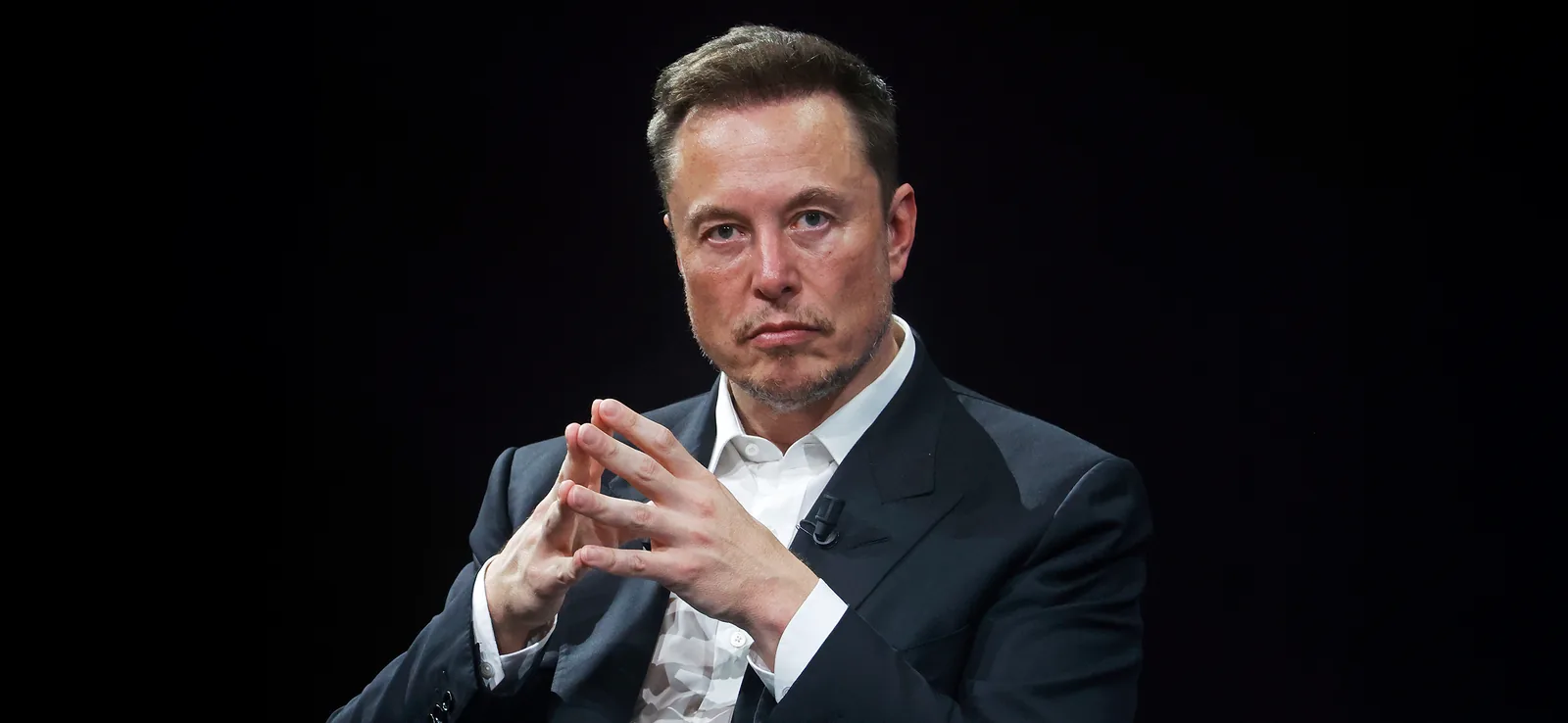
Elon Musk's net worth has exceeded $700 billion for the first time
Mansur Ismagulov

Article Interviews
"Central Asian countries should build a joint ecosystem," — Bekhzod Ismoilov on the development of AI in the region
Mansur Ismagulov

Article Interviews
Bloom's Taxonomy and Engineering Levels: A Practical Growth Model
Mansur Ismagulov

Article Useful
How the IT industry in Azerbaijan developed in 2025: key events
Mansur Ismagulov

News
Tajikistan has become a new member of the regional innovation alliance Central Asian Innovation Hubs
Mansur Ismagulov