Hedge fund that lost $6.6 billion in a week
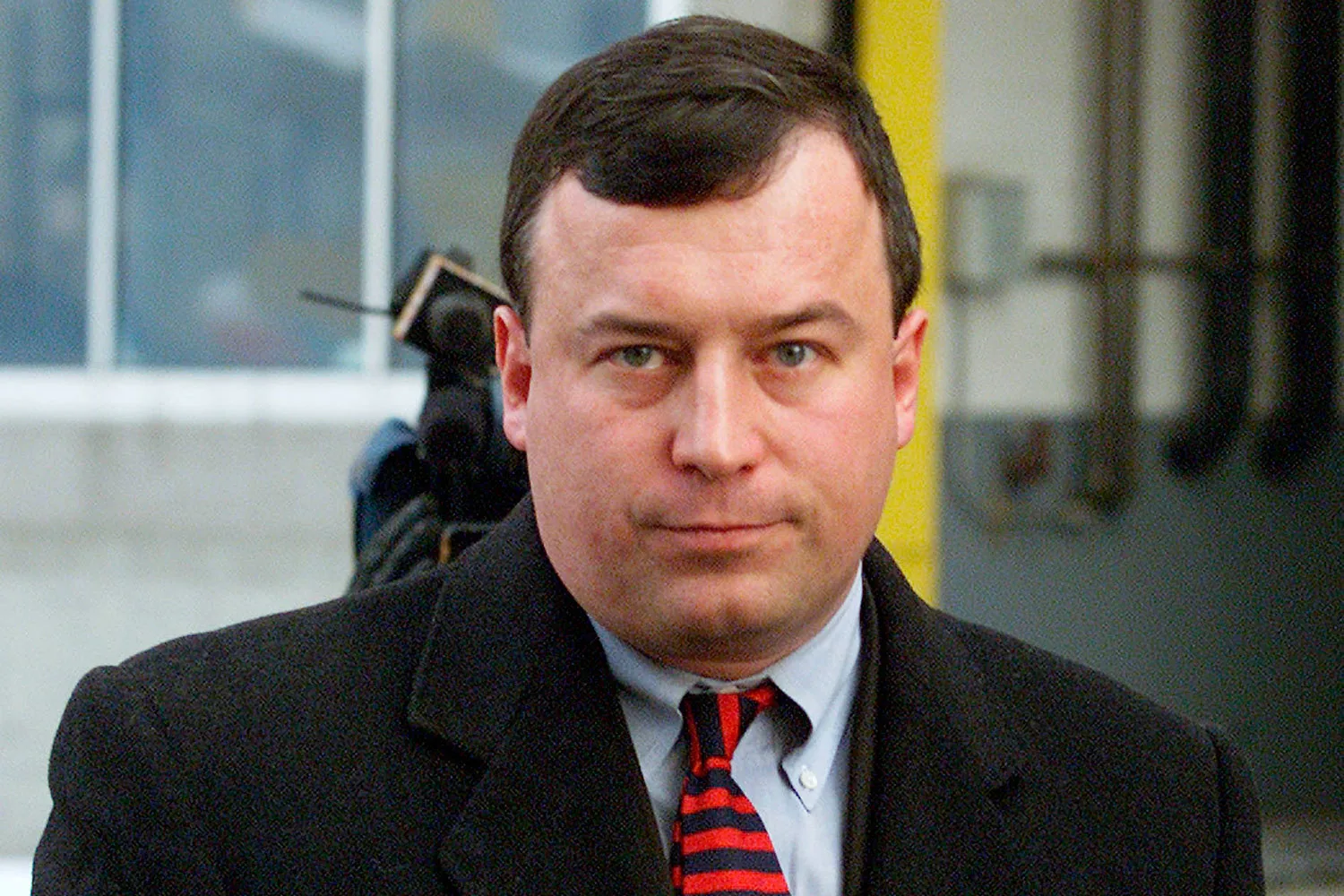
One of the most dramatic collapses in the energy market occurred with the hedge fund Amaranth Advisors. Its lead trader, Brian Hunter, made a huge bet on rising natural gas prices, but an unexpectedly warm winter, falling prices, and liquidity issues led to losses of $6.6 billion in just one week. In this article, our author examines how one of the most successful trading strategies turned into a disaster.
The Tech AI
Get the key points in seconds - a short summary from The Tech AI.
In the fall of 2006, the hedge fund Amaranth Advisors, managed by trader Brian Hunter, lost $6.6 billion and ceased to exist. The fund controlled about 10% of the U.S. natural gas market, but an unusually warm winter led to a drop in prices. Due to liquidity issues, traders were unable to close large positions, resulting in one of the largest crashes in history.
Talgat Kantayev, city — Almaty, co-founder of Investbanq, Instagram
We continue the series of cases that changed the rules of the financial world. Today — the story of one of the most spectacular collapses in the energy market. Greenwich, Connecticut. Hedge fund Amaranth Advisors.
If Nick Leeson's story is about hidden losses and deception, then the story of Amaranth Advisors is something entirely different. There was no falsification of reports. There were no secret accounts. This was a story of immense confidence in one's strategy, which collided with the reality of the market.
In the mid-2000s, the hedge fund Amaranth Advisors was considered one of the most successful funds in the market. And their lead trader, Brian Hunter, was a true star. He specialized in trading natural gas futures. In the market, he was even called the "gas king." Hunter earned billions of dollars for the fund and received enormous freedom in decision-making.
Hunter's strategy was relatively simple. He made large bets on the fact that natural gas prices would rise sharply in winter. The logic was clear: demand for heating increases in winter — therefore, gas should become more expensive. And he began buying huge volumes of gas futures.
Over time, the fund's positions became so large that Amaranth controlled about 10% of the entire U.S. natural gas market. In fact, the fund became one of the largest players in the market. When a fund of such scale makes deals, it begins to influence market movements itself.
But the market proved stronger. The winter turned out to be unusually warm. Demand for gas turned out to be lower than expected, and supply in the market was high. As a result, natural gas prices began to fall, not rise. This meant huge losses for Amaranth's positions.
The main problem — liquidity
When a trader realizes that the market is moving against him, he can close the position and realize the loss. But Hunter faced a different problem. The fund's positions were too large. When he tried to start closing deals, it turned out that there simply weren't enough buyers on the market willing to purchase such a volume of contracts.
This is called a liquidity problem. While the market is calm, it seems that you can sell an asset at any time. But when panic sets in, liquidity quickly disappears.
Conclusion
In the autumn of 2006, the situation got out of control. In just one week, the Amaranth Advisors fund lost $6.6 billion. At that time, this was one of the largest hedge fund collapses in history. The fund effectively ceased to exist.
Brian Hunter's story is a reminder of an important market principle. Even the most complex mathematical model and the most successful trader can make mistakes. Sometimes the market moves under the influence of unlikely events — for example, an unexpectedly warm winter.
Traders call such events a "fat tail" — rare but very strong deviations. And when positions become too large, even a small change in the market can lead to billion-dollar losses.
Not for nothing among traders there is an old phrase: "Liquidity is what you have until you need it."
The Tech on Telegram Follow The Tech on Telegram
Keep up with the latest technology and startup news.
Related reading




More from this author

Article Useful
How to protect your accounts from hacking: 8 settings you should check today
The Tech

Article Useful
500 Global: How the Accelerator Works and Who Can Receive Investments
The Tech

Article Interviews
Game Development in Central Asia: Arkady Moldavski on Developing Reverb and the Growth of the Industry
The Tech

Article Useful
Google, Tesla, BlackRock, and the IMF: Where to Apply for an Internship in Fall 2026
The Tech

News IT
Tesla unveiled the flying electric car Roadster
The Tech

News IT
Intero Biosystems startup won the Startup Battlefield at TechCrunch Disrupt 2026
The Tech