Hamroh is a startup that simplifies intercity travel in Tajikistan.
The founder of the startup Hamroh explained how their project is changing the passenger transportation market in Tajikistan.
The Tech AI
Get the key points in seconds - a short summary from The Tech AI.
Suhrob Niyozov, CEO of the company "Innovatsiya Oiyandasoz" from Dushanbe, created the Hamroh service for intercity passenger transportation. The application connects drivers and passengers, addressing the issue of the lack of public transport in Tajikistan. Over the past year, the number of orders has doubled, with more than 300 users actively using the service. Plans include expanding into the Uzbekistan market.
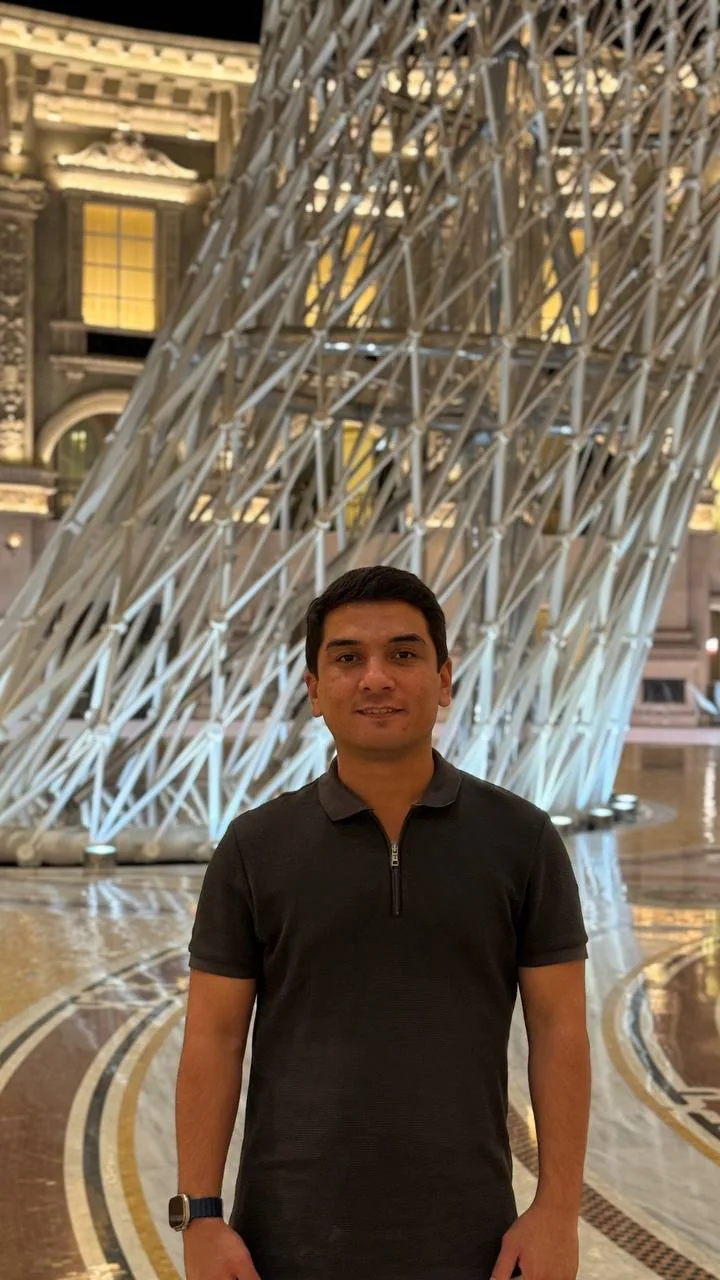
Sukhrob Niyozov, city — Dushanbe, entrepreneur, founder, CEO, Instagram
How It All Began
I have been involved in startups and entrepreneurship for over seven years. I have more than 15 years of experience in the IT sector, specifically in automating business processes and developing IT solutions. The idea for my startup emerged from my experience working in the automation of transportation systems and passenger transport.
We provide taxi and passenger transport services. We have software that acts as an aggregator, connecting drivers and passengers. The issue is that the infrastructure in our country is not as developed as in other countries, and many people rely on ground transportation for travel between cities. In our capital, Dushanbe, there is no public transport like large buses for intercity trips. People are forced to find taxi drivers who pick up passengers in their cars.
Problems often arise: you need to find a driver at a specific location, wait for the vehicle to fill up, and it’s unclear which driver you’ll get or when you’ll depart. All of this created a problem that we aimed to optimize. We started by creating a Telegram channel with a chatbot that helped passengers and drivers place orders. Over six months, we tested the demand and found that people truly needed such a solution. This made it easier for both drivers and passengers to find each other.
After successful testing, we developed a website and a mobile application to make the process even more convenient. Thus, our project was born.
The Team
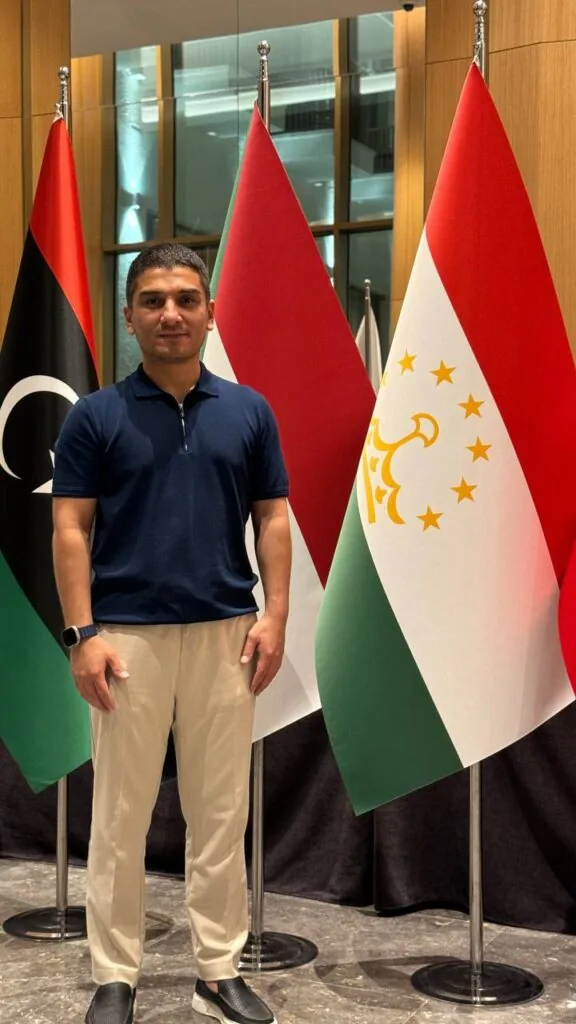
Since we are an IT company, our company is called “Innovatsiyai Oyandasozi.” We had a team of developers who worked on creating the software and the taxi application. Inside the company, we have a laboratory called IO.lab, where we conduct various experiments. If a problem or hypothesis arises that needs to be tested, we assemble a team within IO.lab, discuss the idea, create a prototype, and develop an MVP, which we then test in the market.
We already had a team for this project, so we simply discussed the idea within the team, decided to conduct an experiment, and test the hypothesis. Thus, based on our existing project Taxi Gram, we created a new project called Hamroh.
Target Audience
Our main customers are residents of remote cities who frequently come to the center. These are students, working-class representatives, and tourists — three key segments whose needs our product covers. Overall, we have two categories of clients: drivers who have cars and free seats, and passengers who are looking for a fast, affordable, and convenient way to travel between cities.
Incubation Programs
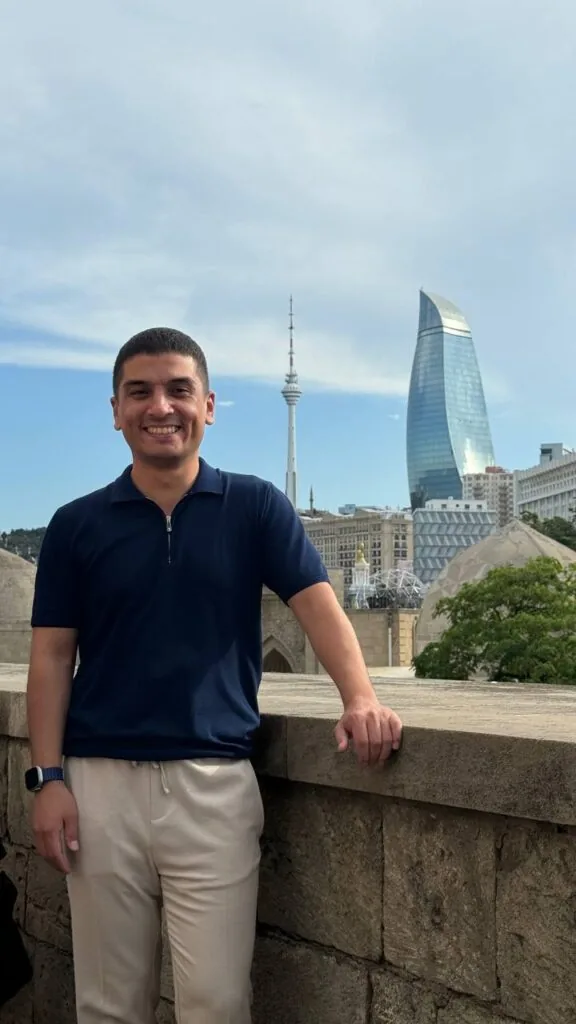
In the beginning, we started developing independently within IO.lab. We tested the hypothesis using a chatbot, whose algorithm was devised by our team. After everything stabilized, we moved it to a website and created an application.
We received funding once — we went through acceleration. As part of the acceleration program, we had the opportunity to receive grant support and participate in competitions to improve our idea. This allowed us to develop a new design and add many features. By expanding our team, we obtained an updated version of our application.
Challenges
Overall, if we consider the entire startup ecosystem, we have one major problem — a shortage of personnel. Development requires good specialists who can solve tasks, and such people are always in short supply. Good developers are expensive, and many prefer freelancing because it is more stable. Thus, the personnel issue remains the primary challenge.
The second problem is related to customer habits. When you try to integrate technology into traditional business, you need to constantly educate customers so they can adapt to new solutions. For example, it is difficult to convince customers to download and install a new mobile application. Therefore, regular training and demonstration of the new product’s benefits are required.
The third problem is funding. In our region, venture and angel investors are only beginning to develop. We try to use funds from friends and family, investing our own resources. We also attract external grants and help from acquaintances. Startups have to survive by ensuring the stability of the project; otherwise, it will be difficult to educate the market and customers.
These are the three main problems we face. Other difficulties that arise during implementation are more solvable.
Achievements
We will soon release global updates to our application. This year, we broke all records: the number of orders doubled compared to last year. Our application is already used by more than 300 active users, and between 80 and 100 orders are generated daily. The most popular routes are several cities where we operate. These are our current achievements.
Plans
After the major update, our plans include expanding the number of cities. We aim to enter the Uzbekistan market, as it needs applications that simplify finding drivers. The audience here is large, and the demand for such solutions significantly exceeds that in Dushanbe.
The Tech on Telegram Follow The Tech on Telegram
Keep up with the latest technology and startup news.
Related reading






More from this author

Article Useful
How to protect your accounts from hacking: 8 settings you should check today
The Tech

Article Useful
500 Global: How the Accelerator Works and Who Can Receive Investments
The Tech

Article Interviews
Game Development in Central Asia: Arkady Moldavski on Developing Reverb and the Growth of the Industry
The Tech

Article Useful
Google, Tesla, BlackRock, and the IMF: Where to Apply for an Internship in Fall 2026
The Tech

News IT
Tesla unveiled the flying electric car Roadster
The Tech

News IT
Intero Biosystems startup won the Startup Battlefield at TechCrunch Disrupt 2026
The Tech