Global Accelerators: Building Bridges, Creating Unicorns
At the Digital Bridge forum, a panel session was held on how accelerators help startups grow and enter the global market. Speakers discussed how the ecosystem has changed over the past few years, why it is important to work with data, use cloud technologies, and build long-term relationships with investors.
Author - Mansur Ismagulov

Olga Skorokhodova, Head of Government Relations and Public Policy at Google
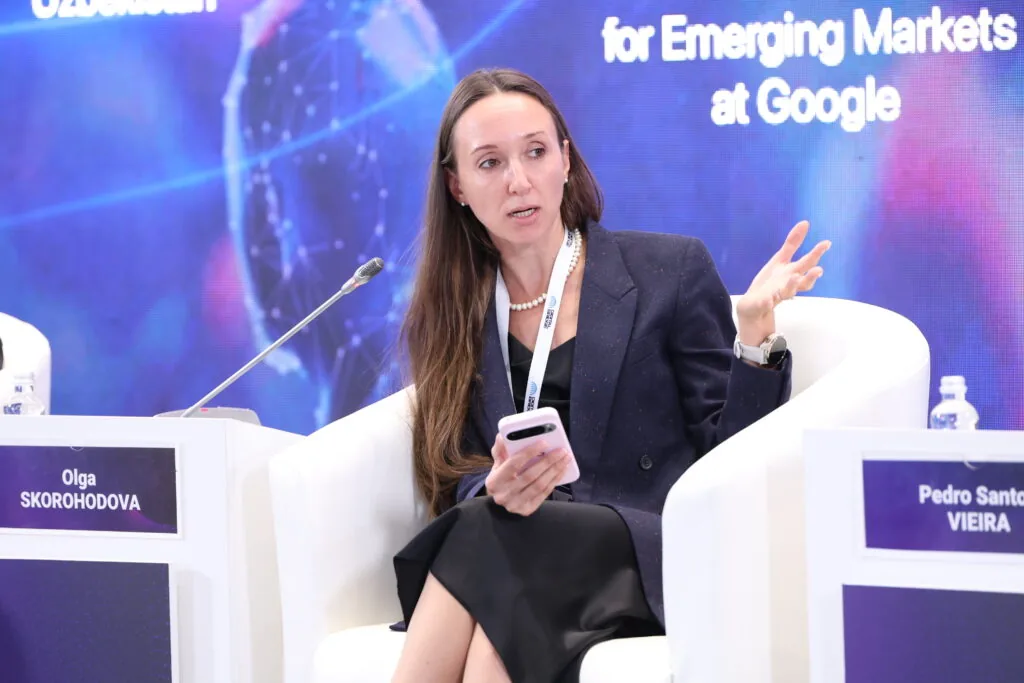
Google not only creates products and services that we all use but also actively develops the startup ecosystem worldwide, including in Central Asia.
We are implementing the Silkway Accelerator program in collaboration with Astana Hub. We also provide startups from Central Asia with the opportunity to participate in the Google AI Startups Accelerator in the EMEA region.
In my opinion, over the past five to seven years, two key changes have occurred in the accelerator space: the acceleration of pace and active government participation. Accelerators no longer exist in a vacuum but within an ecosystem where infrastructure, regulation, and social environment are crucial.
For Central Asia, it is important to create the right regulatory environment, especially if the countries in the region want to become AI-first nations.
I would also like to highlight the issue of cross-border data exchange. Today, strict data storage regulations hinder startups from scaling globally. Easing these norms would unlock enormous opportunities.
And perhaps my main advice to startups: move to the cloud. If your business is not yet on the cloud, it is time to make the move.
Pedro Santos Vieira, Managing Partner at 500 Global
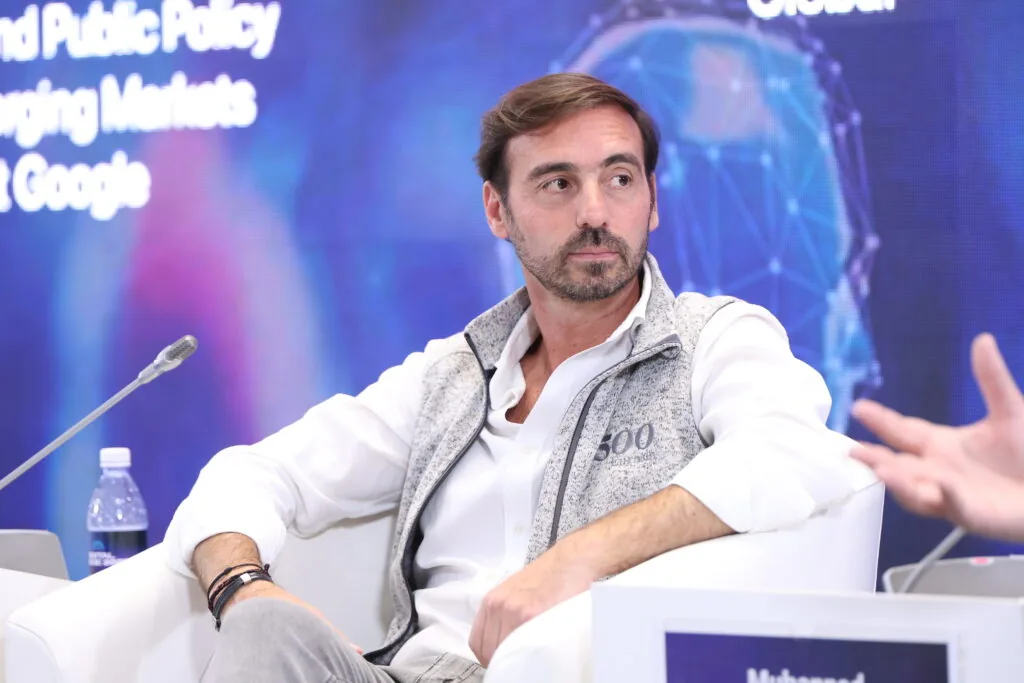
500 Global is an international investment firm. We have invested in more than 3,000 startups in 80 countries.
We recently launched the 500 in Asia initiative to support companies from Central Asia and Europe at early stages. Our accelerator programs help startups increase revenue by 5 to 10 times.
Accelerators have changed in recent years. It is now important to keep up with technology, especially artificial intelligence. And most importantly, who stands behind the program. True value comes from those who have been founders themselves, not just consultants.
A common mistake by startups is premature scaling. Many try to enter foreign markets too early, without achieving product-market fit. The task of accelerators is to help find this balance.
Regarding international fundraising, I have four pieces of advice.
1. Learn to tell your product story clearly and passionately.
2. Choose the right moment to approach international investors—first achieve traction in the local market.
3. Build relationships in advance—investors invest in lines, not points.
4. Use accelerators as a bridge to funds and venture capital firms.
And my final advice to startups: find your first ideal customer—the one who is genuinely ready to pay. If you find this core audience, scaling will become natural and sustainable.
Mukhanad Tashlak, Director of Investments at Alchemist Qatar
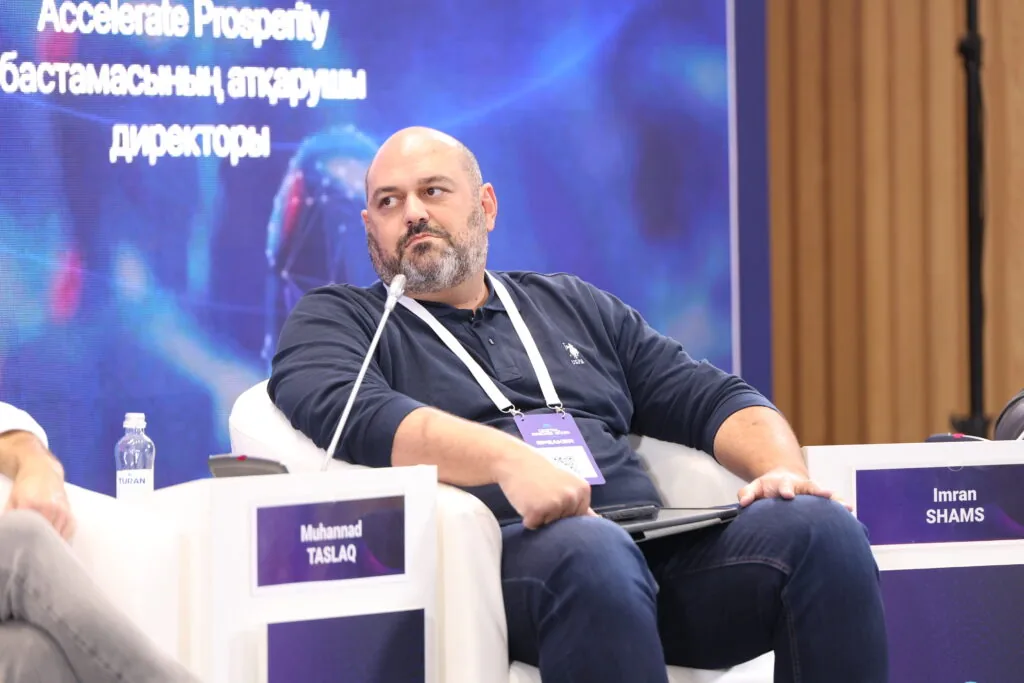
I am the Director of Investments at Alchemist Doha—a joint initiative between Alchemist Accelerator from San Francisco and the Government of Qatar.
We are a venture fund investing in startups in the MENA region. Any company we invest in gains access to the Alchemist program. We view Doha as a hub between the East and the West.
In Qatar, the state actively supports innovation without seeking to control the process. For example, the QIA fund invests in venture structures and invites international companies to open offices in Doha.
Qatar is betting on the B2B sector, where the country has strong positions. Startups receive grants, housing, registration assistance, and access to corporate clients.
And my advice: make decisions based on data. Use analytics and artificial intelligence to understand where your real market lies. In my case, data showed that 80% of our clients are from the United States, which determined the company's direction of development.
Imran Shams, Executive Director of the Accelerate Prosperity Initiative
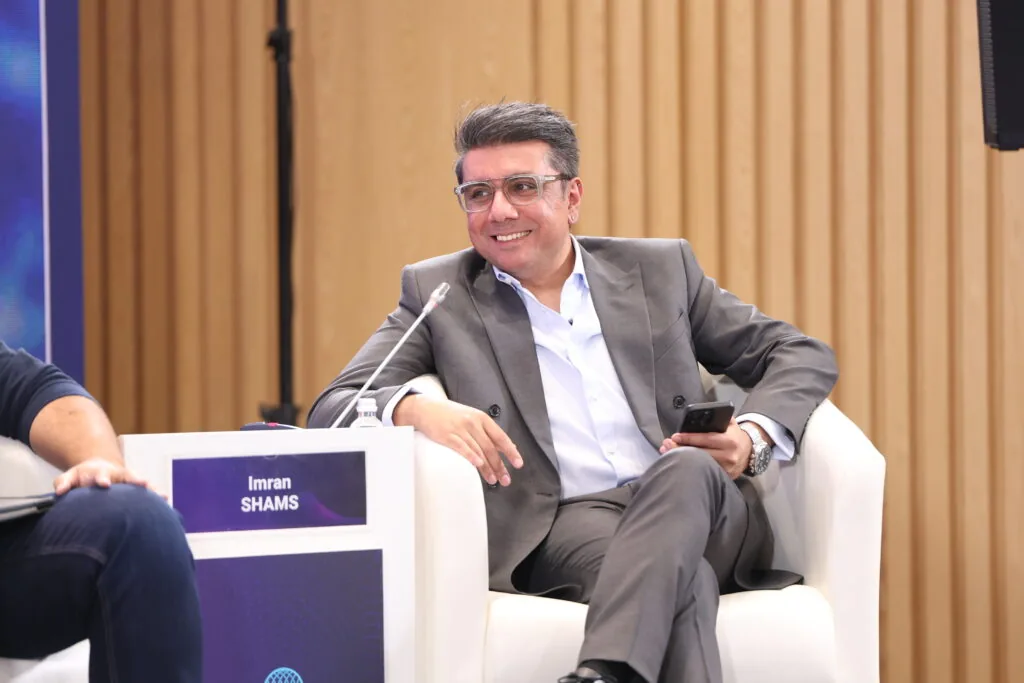
I am the Executive Director of Accelerate Prosperity, a fund that operates in Tajikistan and Pakistan and plans to expand into Syria. We call ourselves an accelerator with "skin in the game" because we invest in our own startups.
First, my advice to entrepreneurs in Central Asia: start with global ambitions, even if you start locally.
Second—focus on a "build better" approach rather than "build new." You don't necessarily need to invent something new—you can improve existing solutions and offer a high-quality alternative.
Third—accelerators should help startups navigate the "valley of death," the period between initial traction and scaling.
It is important to build entrepreneur resilience.
Failure needs to be normalized—viewed as part of the learning process.
Accelerators should have resilience labs where startups practice acting in crisis scenarios.
Entrepreneurs with a strong social mission tend to be more resilient than those driven solely by fame.
And one cannot forget about mental health. Stress, burnout, and fear of failure are realities for startup founders. Support should be an integral part of accelerator programs.
In conclusion: seek passionate and empathetic investors—those who not only want to make money but genuinely believe in the region. And you should start with emerging markets, where there is huge potential and a lack of solutions.
The Tech on Telegram Follow The Tech on Telegram
Keep up with the latest technology and startup news.
Related reading







More from this author

News
zypl.ai begins operations in Japan and focuses on next-generation risk models
Mansur Ismagulov

News
Elon Musk's net worth has exceeded $700 billion for the first time
Mansur Ismagulov

Article Interviews
"Central Asian countries should build a joint ecosystem," — Bekhzod Ismoilov on the development of AI in the region
Mansur Ismagulov

Article Interviews
Bloom's Taxonomy and Engineering Levels: A Practical Growth Model
Mansur Ismagulov

Article Useful
How the IT industry in Azerbaijan developed in 2025: key events
Mansur Ismagulov

News
Tajikistan has become a new member of the regional innovation alliance Central Asian Innovation Hubs.
Mansur Ismagulov