Gamescom 2025: Key Trends from a Developer's Perspective
The largest gaming exhibition, Gamescom, has concluded in Cologne. This is where the industry showcases not only new releases but also the direction in which the entire game development sector is heading.
Author - Mansur Ismagulov
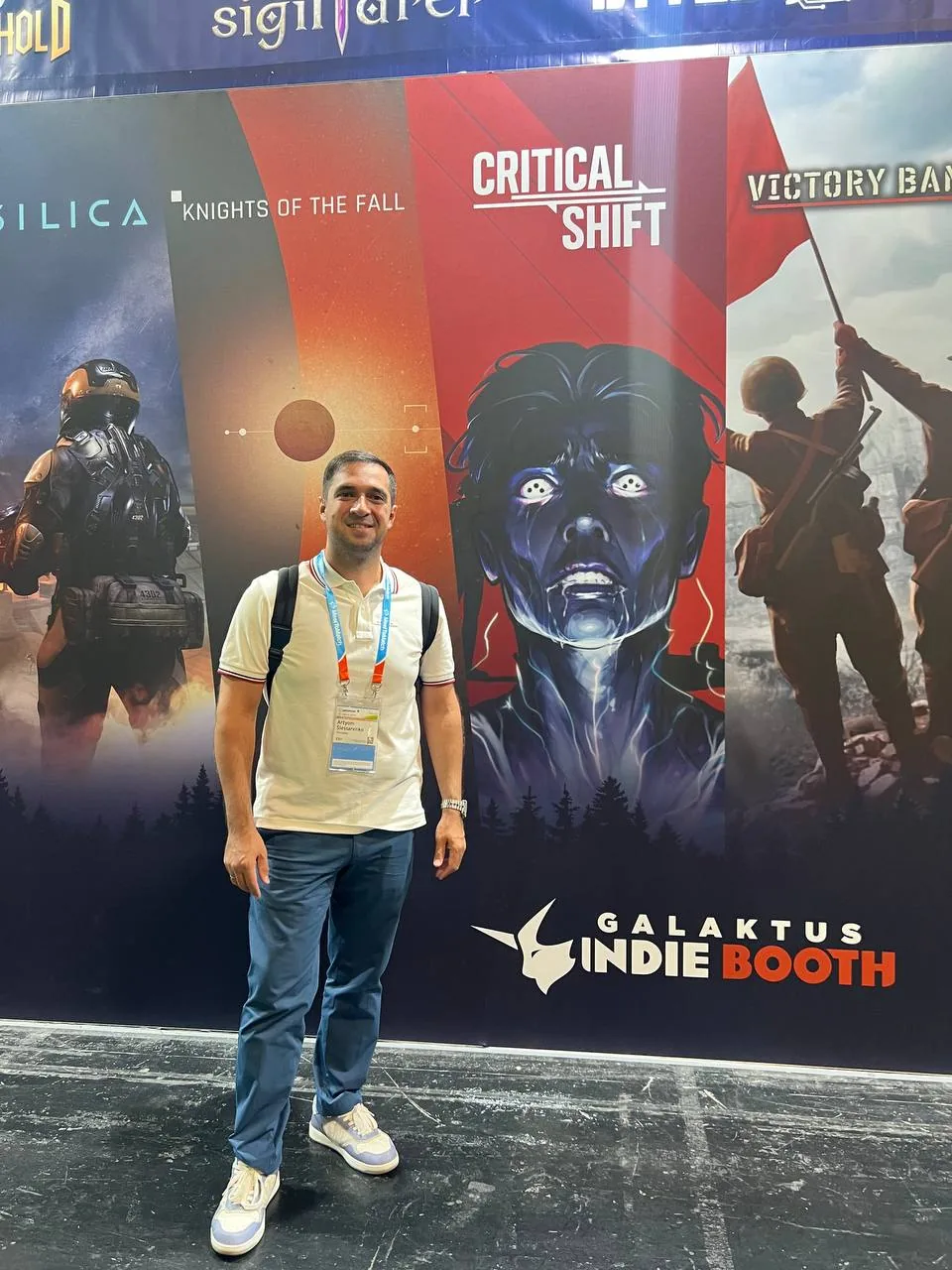
Kazakhstan was represented on the global stage by Rhinotales Studio, led by Artem Slesarenko. We decided to find out what was shown at Gamescom 2025, which trends should be taken into account, and why this is important not only for players but also for developers themselves.
Artem Slesarenko, city — Astana, co-founder and CEO Rhinotales Studio, Instagram, Steam
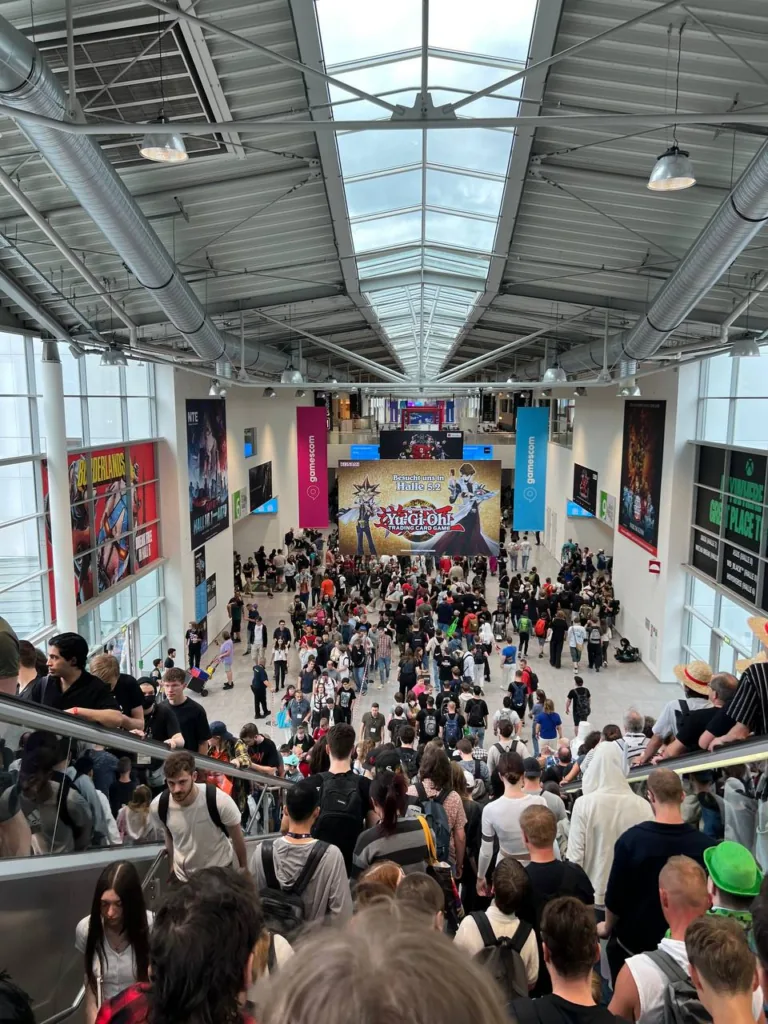
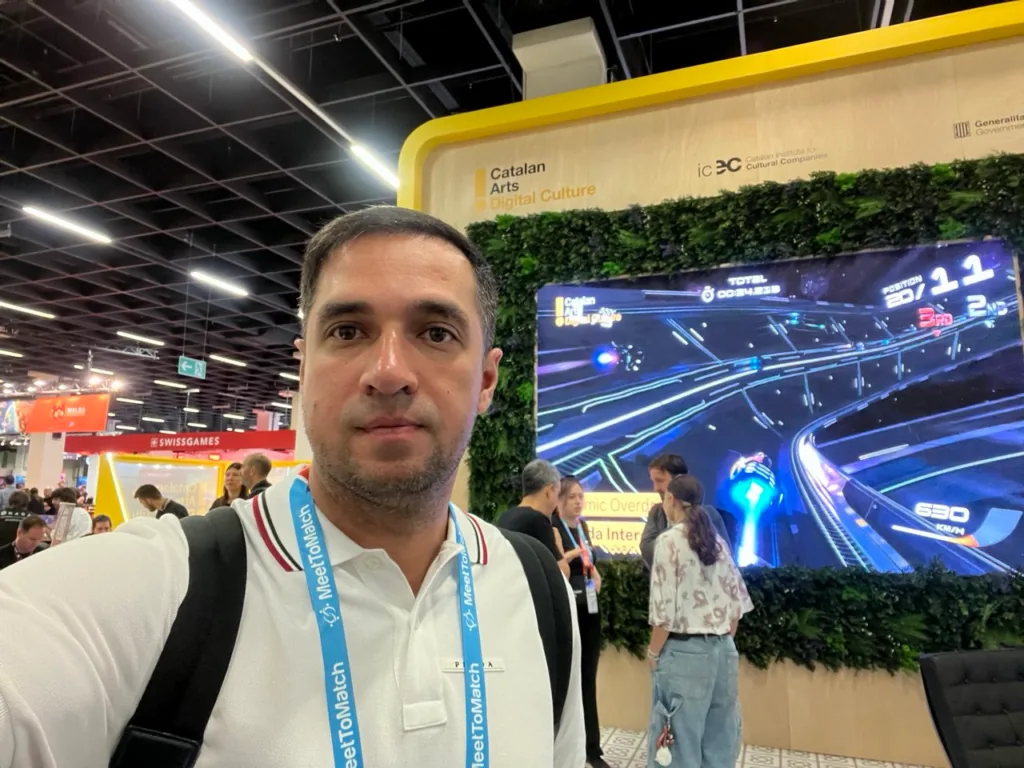
This year's Gamescom was held on a massive scale. Huge crowds — by the weekend, it seemed like all of Europe had converged on Cologne. Everyone wanted to see the latest releases on the gaming market, try out demo versions, and attend events.
The indie zone occupied two pavilions and was packed to capacity. However, for us, the business zone was of particular interest — that is where meetings with potential partners took place.
After the exhibition, I want to share my brief summary: what has changed in the market and which trends currently define game development.
Market and Countries
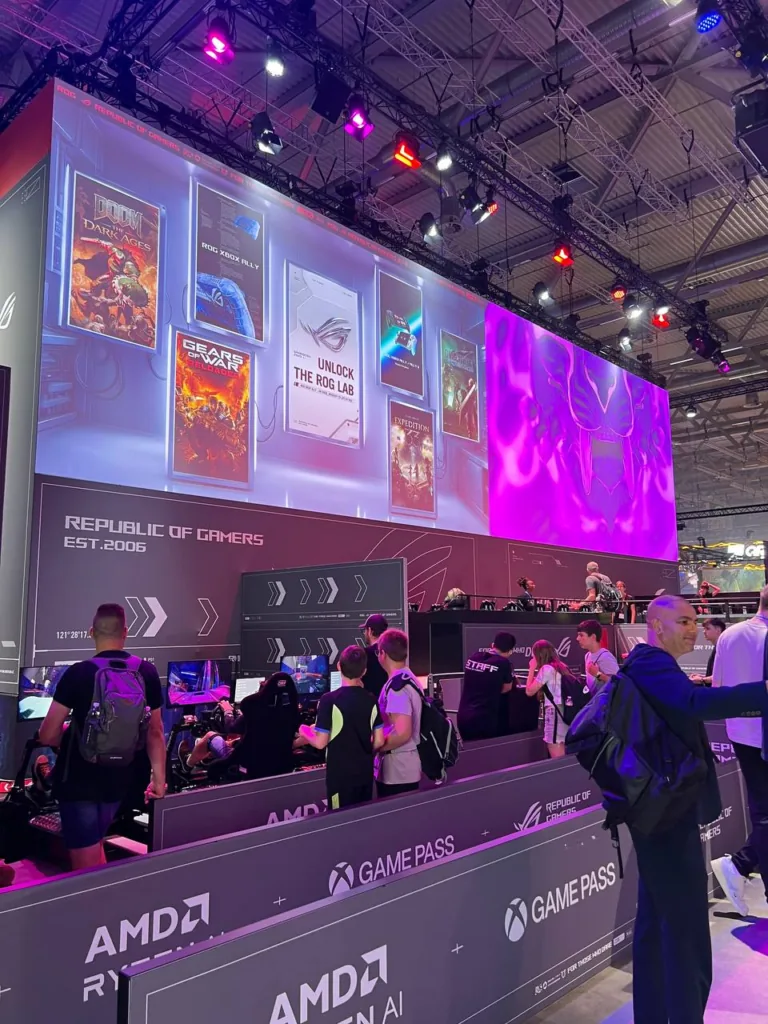
Almost all countries were present at the exhibition, except for the USA; only major players from the US attended in a closed format. The entire world seemed to shrink to the size of five pavilions. There were many national and regional booths. For example, Germany and Spain each had several booths representing different regions of their countries.
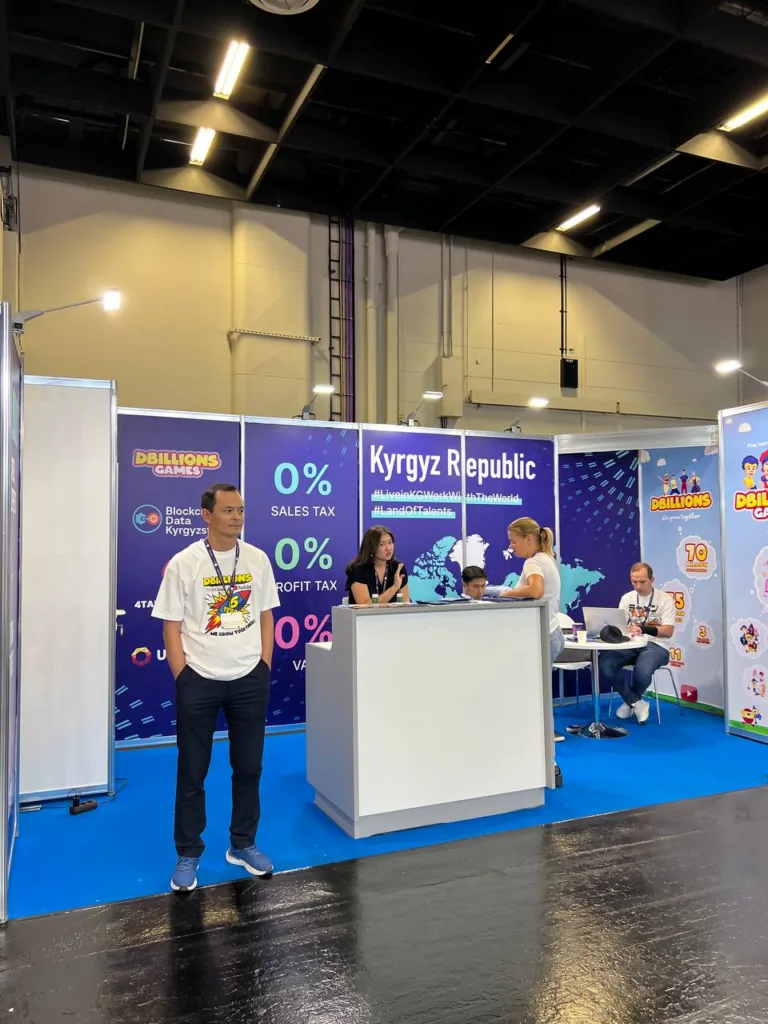
Everyone is actively inviting studios to their locations: developed countries are focusing on tax reductions and access to talent, while the UAE and Saudi Arabia are aggressively promoting their jurisdictions. It was pleasant to see representatives from Kyrgyzstan with interesting conditions for studios.
However, Kazakhstan was not present at the exhibition — game development is not yet in our focus.
The Korean exhibition was particularly impressive. The country has a clear strategy: if the world already knows K-Pop, dramas, and esports players, the focus is now shifting to the creative economy. Billions of dollars have been invested in the industry, and this has yielded results.
Gaming Market
The market is constantly changing. When we released our interactive movie "She Is Angry," competition was within the genre or among games. Now, we compete for users' time against TikTok, Netflix, and other services.
Producers increasingly admit: the more we focus on marketing, the less we understand what actually works.
From what I observed at the booths presented at the exhibition, there were many small games with budgets of $50,000–$300,000. Our project Critical Shift on Steam stood out significantly in a positive way against this backdrop.
However, the downside is that the risk of developing such a project is much higher than that of a low-budget one.
Human-Centric Economy and the AI Challenge
In game development, the main asset is people, not "machines" or buildings. The West has long understood this: if low-skilled labor costs $1,500–$3,000, then the salaries of talented specialists are many times higher. Add to this the 5–8 year development cycles of AAA games and teams of 30–500 people, and you get budgets in the hundreds of millions.
This is a human-centric economy where the main work is done not by machines, but by people. This is creative work where talented specialists are expensive. And now, the industry is facing an industrial revolution in the form of AI — a machine that can replace humans, increase productivity and speed, and so on.
The community reacts sharply: games are dissected under a microscope on Reddit and Twitter, elements created with AI are found, and then the hate begins. This is understandable: people perceive the technology as a threat to jobs.
Personally, I view AI as a tool. It won't make a game for you, but it can:
— turn one producer with 10–15 AI agents into a full-fledged team
— or allow a group of 10 people to work like 30–40.
This is a separate topic for discussion, but I am confident that while part of the market will ignore AI, another part will learn how to use it to work faster and more efficiently.
There were several startups at the exhibition: asset generation, NPCs with "consciousness," in-game translations for multiplayer games. We will see many more interesting solutions for the game development industry.
What's Next
The industry itself is currently at its most turbulent point, and I believe that the use of AI technologies in game development will shift the balance of power, creating an opportunity for new interesting teams and games to emerge.
In this sense, emerging teams from Kazakhstan should consider how to ride this new wave and try to create outstanding projects from it.
The Tech on Telegram Follow The Tech on Telegram
Keep up with the latest technology and startup news.
Related reading







More from this author

News
zypl.ai begins operations in Japan and focuses on next-generation risk models
Mansur Ismagulov

News
Elon Musk's net worth has exceeded $700 billion for the first time
Mansur Ismagulov

Article Interviews
"Central Asian countries should build a joint ecosystem," — Bekhzod Ismoilov on the development of AI in the region
Mansur Ismagulov

Article Interviews
Bloom's Taxonomy and Engineering Levels: A Practical Growth Model
Mansur Ismagulov

Article Useful
How the IT industry in Azerbaijan developed in 2025: key events
Mansur Ismagulov

News
Tajikistan has become a new member of the regional innovation alliance Central Asian Innovation Hubs.
Mansur Ismagulov