Finbook — an online service for accounting
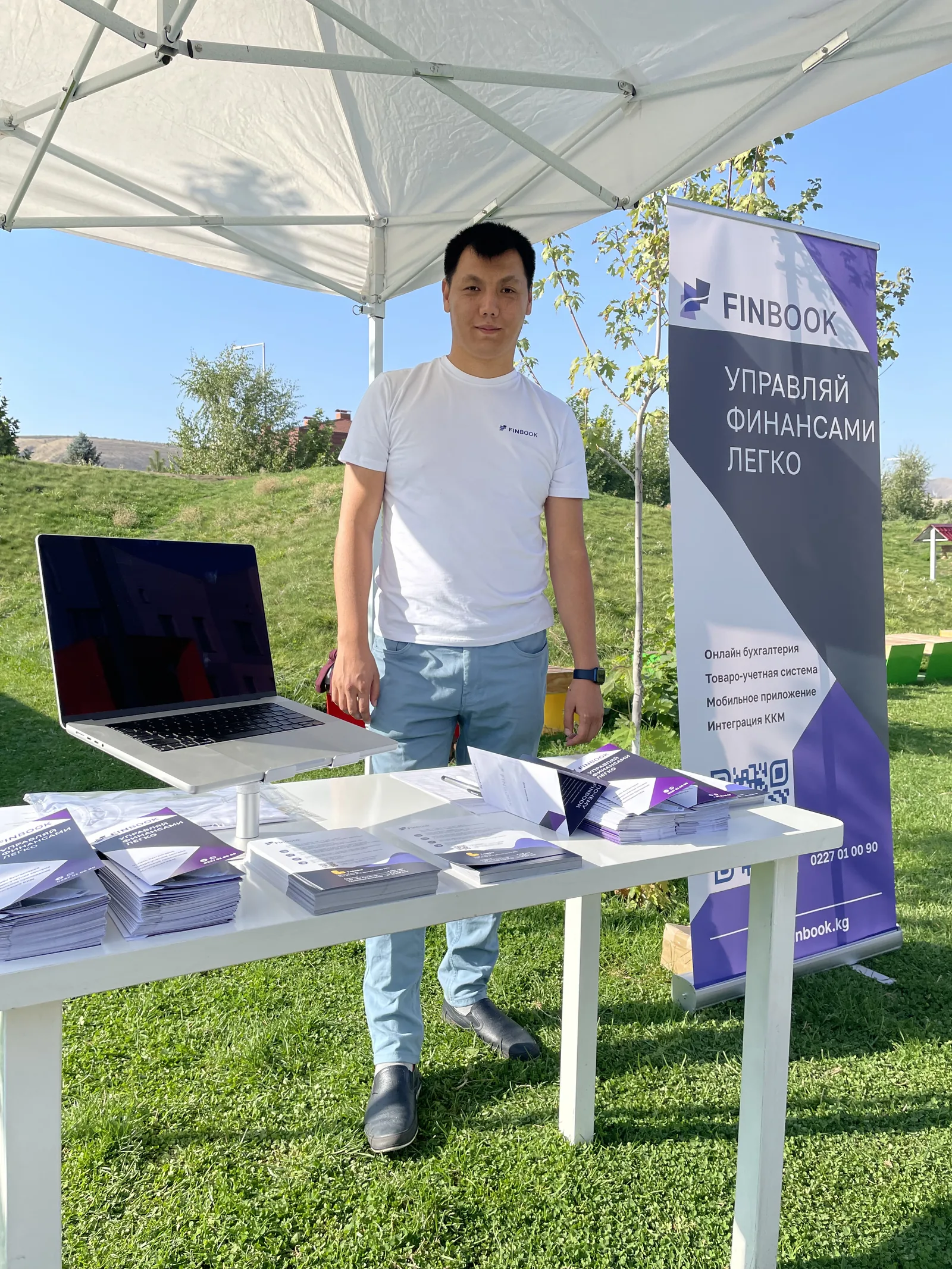
The founder of the Kyrgyz startup shared the goals and plans for Finbook in the near future.
The Tech AI
Get the key points in seconds - a short summary from The Tech AI.
Aibek Isaev, co-founder of Finbook from Bishkek, created a financial accounting application as an alternative to 1C products. The startup targets small and medium-sized enterprises (SMEs) and the education sector; by the end of 2023, it had attracted 130–140 organizations, and currently has around 300 users. Plans include integration with Wildberries and expansion into the markets of Uzbekistan, Tajikistan, Pakistan, and the Middle East.
Aibek Isaev, city — Bishkek, co-founder of Finbook, @aibek_isaev
How it all started
Our market is primarily oriented towards "1C" products. Previously, we worked with "1C," adapting it to the needs of Kyrgyzstan. However, unfortunately, there were certain limitations that prevented us from providing the same level of comfort, or we had to take into account specific nuances of the platform. Thus, the idea arose to create an application for financial accounting, bookkeeping, and entrepreneurs.
A couple of years ago, we decided to build our own lightweight version. We wanted to prepare many things for the entrepreneur so that they could simply keep records without delving into accounting details. The main idea is that a person could simply click through and receive single results, financial reports, analytics, and other data.
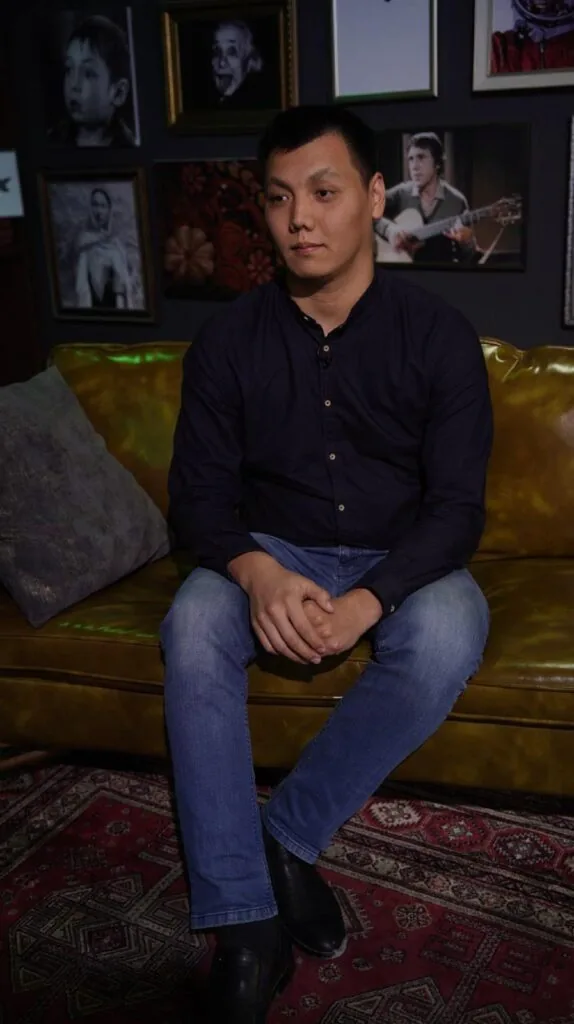
I have over 10 years of development experience in the US market, and my partner has more than 12 years of experience working in accounting as a financial consultant. When starting the startup, like everyone else, we stumbled upon all the typical pitfalls faced by novice entrepreneurs. We invented the product ourselves, developed all its functionality, and were surprised when no one needed it. We realized this in time, managed to quickly pivot, conducted good Customer Development (CustDev), and obtained that very first batch of feedback.
The first year was a year of problems. After trial and error, we arrived at the portrait of the end user we had initially planned. At first, we thought our product would be interesting to everyone, but as a result, we identified five groups of clients: trade, the education sector, and several companies that needed integration with payment systems to automate processes. One of the latest stages of development was integration with government institutions and providing them with appropriate services for record-keeping.
Target Audience
The startup is oriented towards small and medium-sized businesses, including agencies, travel agencies, legal firms, as well as a trade module for stores. We also work with the education sector, offering solutions for managing educational payments. We have several modules covering basic needs, with about 80% of our client base consisting of small and medium-sized enterprises.
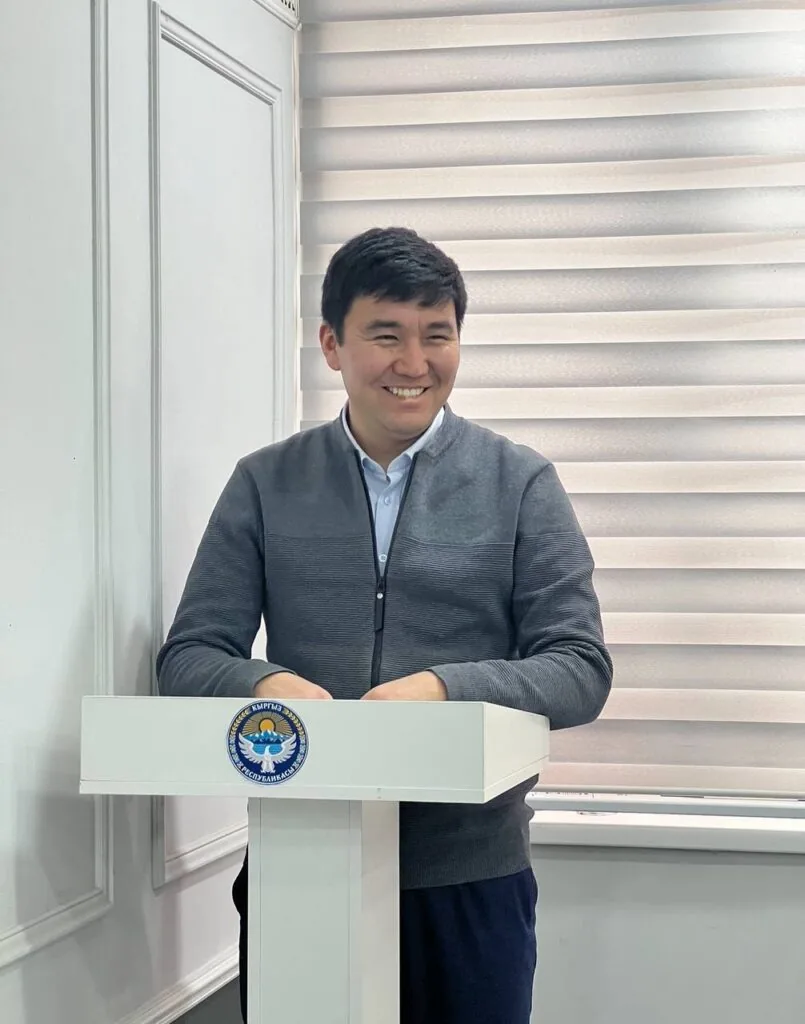
The numbers are quite interesting. By the end of 2023, we had attracted about 130-140 organizations, thanks to the stability and effectiveness of our services. Today, word-of-mouth has increased the number of users to 300. We based our financial reporting system on international standards. Since our financial reporting system is built on this foundation, it also allows for scaling to other markets.
Acceleration Programs
We participated in the Accelerate Prosperity program, which lasted two months, and it was super useful. Because, being engineers and financiers, we lacked business experience. During this period, we changed our vision. We started asking people what problems they had today so that we could help them.
Difficulties
The first thing we faced was the lack of business experience and an MBA degree. We spent almost half a year building a product that people didn't really need.
If you don't have a business education, I recommend going through an acceleration program or taking courses. It is important to understand market needs and create a competitive product. Thanks to the acceleration program, I gained basic knowledge that helped us adjust our course and make the startup successful. This way, you can save a huge amount of time.
The second difficulty was acquiring the first clients. It is much easier to get 200 clients than 20. They are cool, loyal, and great, but getting them, convincing them, and making them believe in us was difficult.
Achievements
We don't have enough metrics yet, and it would be good to have more. We started in 2022 with a prototype, and since then, Finbook has grown significantly in functionality and the number of modules. The biggest metric is the number of users. It might seem that 300 clients is either a lot or a little. But achieving this result was not easy, considering that attracting a new client requires significant effort. Not every entrepreneur easily switches their financial accounting system.
Plans
There are many local clothing manufacturers in Kyrgyzstan represented on the Wildberries platform. They actively list their products there. This created a need for integration with Wildberries to account for inventory, debts, and other financial operations. We plan to expand our client base by attracting companies working with the marketplace by the end of this year.
We have successfully onboarded clients in Kyrgyzstan, and I would like to try expanding into neighboring countries, starting with Uzbekistan. Kazakhstan is already saturated with solutions, but Uzbekistan seems promising for exploration. Then we can consider Tajikistan. And later, perhaps even the markets of Pakistan and the Middle East.
The Tech on Telegram Follow The Tech on Telegram
Keep up with the latest technology and startup news.
Related reading






More from this author

Article Useful
How to protect your accounts from hacking: 8 settings you should check today
The Tech

Article Useful
500 Global: How the Accelerator Works and Who Can Receive Investments
The Tech

Article Interviews
Game Development in Central Asia: Arkady Moldavski on Developing Reverb and the Growth of the Industry
The Tech

Article Useful
Google, Tesla, BlackRock, and the IMF: Where to Apply for an Internship in Fall 2026
The Tech

News IT
Tesla unveiled the flying electric car Roadster
The Tech

News IT
Intero Biosystems startup won the Startup Battlefield at TechCrunch Disrupt 2026
The Tech