EZSpeech — a startup that helps speech therapists treat patients more effectively.
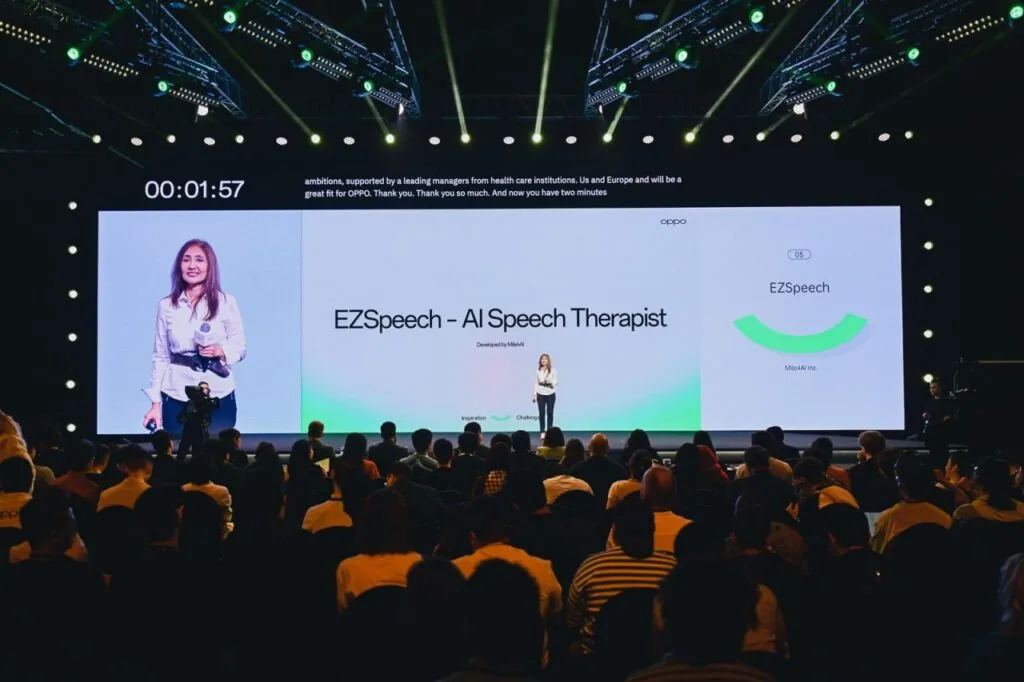
We are sharing the story of the creation of the EZSpeech project by CEO Firuza Ashonova. She talked about how she founded the startup and shared the differences between Central Asian and foreign incubators.
The Tech AI
Get the key points in seconds - a short summary from The Tech AI.
Firouza Eshonova, CEO of Mila4AI from Tashkent, created an application for children with dysarthria and adults after rehabilitation. The product evaluates exercises in real time and provides reports for speech therapists. The company has gone through accelerators C4 and Wild Card (EIT Health/CIMIT), piloting the product in the US, Russia, Kenya, and Central Asia. The goal is to obtain medical device certification in the EU and the US, which will take at least two years.
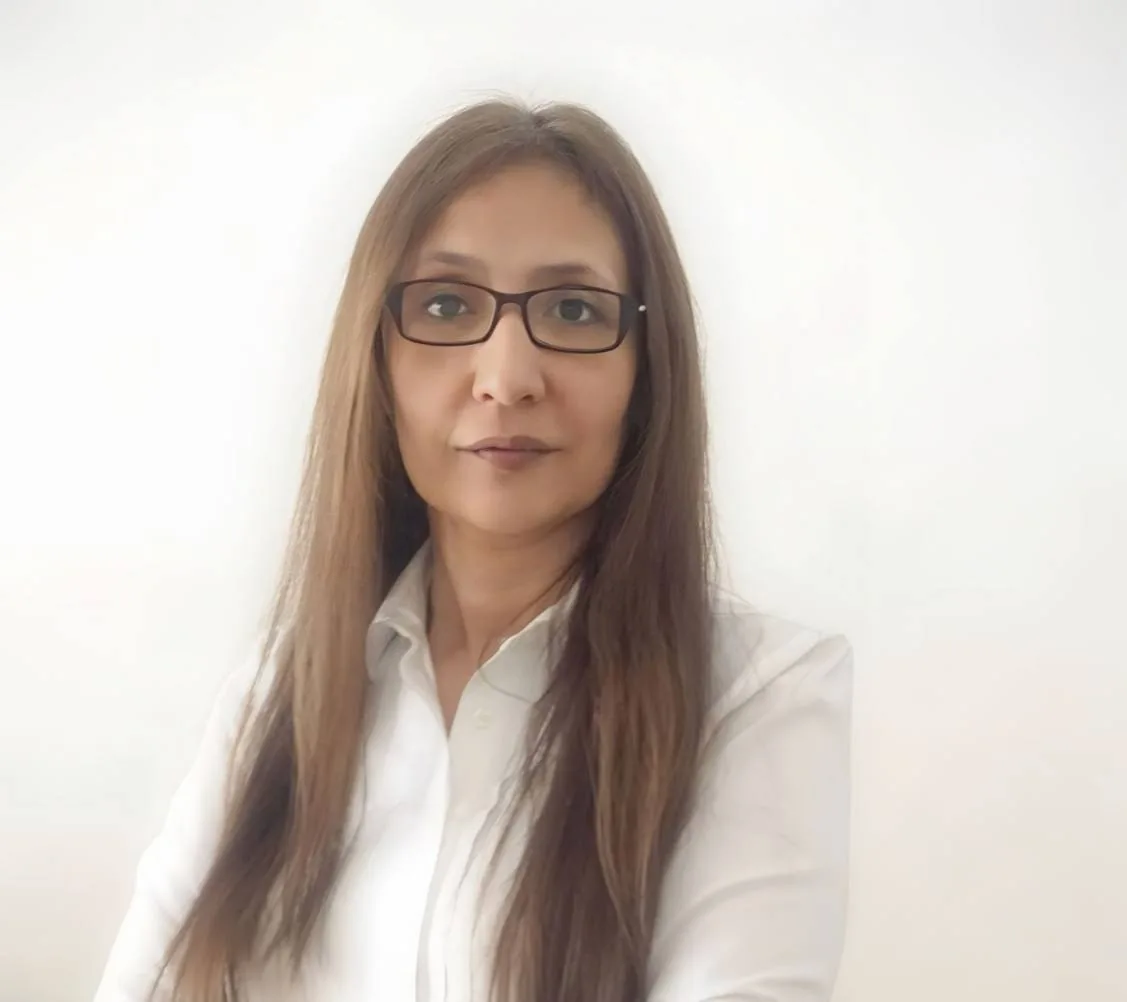
Firuza Eshonova, city — Tashkent, CEO Mila4AI
About me
Before founding the startup, I worked in a large corporate business. There were no obvious prerequisites for creating my own project: we could implement all innovative ideas within the corporation. It is similar to a startup, but in more comfortable conditions: you immediately understand where the Product-Market Fit is and do not waste time searching for funding. At the same time, you also protect the project and calculate its economics.
My team and I worked on several projects in the field of precision agriculture. We gathered like-minded people around us: design engineers, specialists in radio electronics, mechanical engineering, and robotics. Such DeepTech projects are capital-intensive and take a long time to pay off. The new owners of the company had different priorities, and raising external funding turned out to be unrealistic.
Therefore, I decided to start my own startup. I wanted to create a project that I could implement independently. I wanted it to be neither a clone nor an aggregator, but something useful for people.
During my participation in accelerators in Europe, I noticed that most startups plan to enter the market within two to four years, while immediately receiving million-dollar grants. Investors there are interested in the technology and how well it helps solve industry problems. Here it is different: if there is no revenue yet, they won't even talk to you.
About the project creation
My son had dysarthria. This is a speech disorder caused by pathology of the nervous system. He saw speech therapists for five years: both private ones and those covered by insurance. Therefore, I understand well the problems that parents, children, and speech therapists have to face.
I realized that using computer vision and neural network technologies, we could create an application that would simplify the learning process.
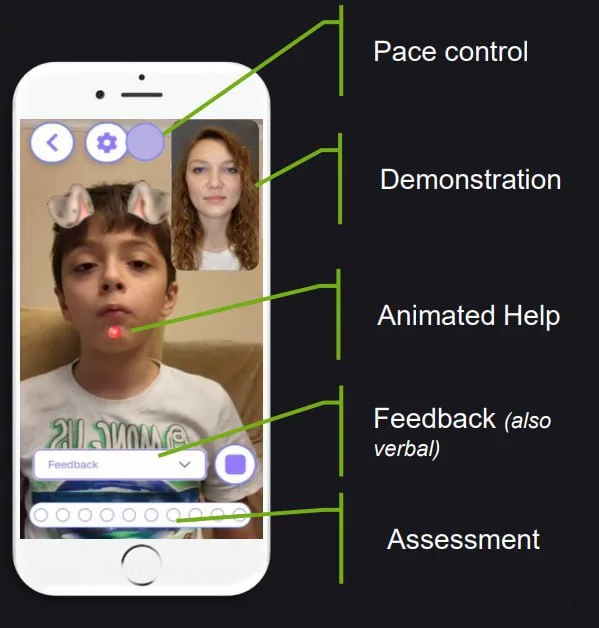
The main concept formed in my mind immediately. Over the next two years of development, it was refined and detailed. Our application evaluates how correctly an exercise is performed and provides feedback to the user so they can correct the mistake. It does not just say whether it is correct or not, but explains exactly what is wrong and how it can be fixed. This is a digital virtual speech therapist.
Target audience
The target audience is children with speech disorders caused by neurological reasons. Our main product is articulation gymnastics, which helps develop the muscles of the speech apparatus: tongue, lips, and jaw.
At the request of speech therapists, we included special exercises for adults, which are necessary during rehabilitation after a stroke or for those suffering from Parkinson's disease. We have not yet adapted the interface for this audience, but we will definitely do so, as the share of the adult audience is comparable to that of children.
From the very beginning, we focused on functionality rather than gamification. Although we do have gamification elements.
There are many speech therapy game applications on the market, but their essence boils down to demonstrating the exercise. Our application is the only one that can evaluate the correctness of performance, provide real-time feedback, guide the user, and track their progress.
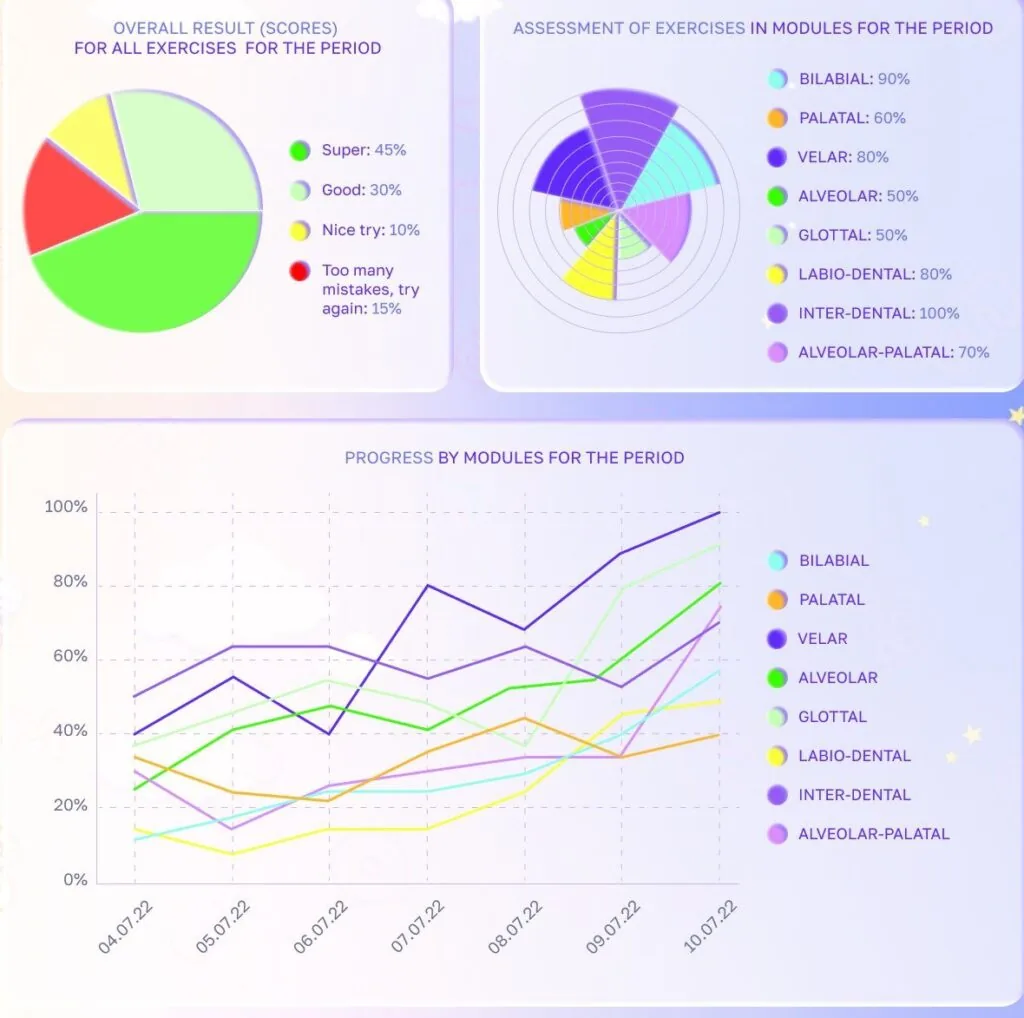
The product is useful for parents. Now they can clearly see their child's results: exactly which mistakes they are making, what needs more work, and where everything is already good. I recall my personal experience when, in response to questions about my child's condition, speech therapists always gave abstract answers full of adjectives like "better" or "much better," while I wanted to understand: "How much better?". The report generated by our application shows specific results in exact numbers for each module and each exercise, as well as a list of errors the child makes.
This information is useful for speech therapists: they will be able to adjust the treatment plan based on specific patient indicators. Specialist doctors are another group in our target audience. We are creating this product jointly with them and taking into account all their wishes and suggestions.
Our technology is not intended to replace speech therapists. It is a tool to increase the efficiency of their work and achieve better results. Therefore, we implement our application not directly to users, but only through speech therapists.
Incubation programs
I approach the selection of programs selectively. There are many of them, each with different goals. We participated specifically in accelerations created for HealthTech startups.
This year, we completed two specialized programs:
— C4 Accelerator in Medical Innovations Incubator in Tubingen,
— Wild Card program of EIT Health together with CIMIT.
During the C4 Accelerator, we became familiar with the Medical Device Regulation of the European Union. There were many practical and theoretical tasks. Lecturers and mentors helped us find suitable technical solutions specifically for our product. The Medical Innovations Incubator will continue to support our startup for the next 12 months.
The benefit of Wild Card was networking with mentors and leading specialists in the field. We had 10 mentors from the HealthTech industry: 5 from Europe and 5 from the USA. Twice a week, we discussed the tasks and problems of our project.
We were the only non-European startup to get into these programs. The selection was strict, and the programs were intensive and useful in all aspects. I will refer to the lectures we attended for a long time.
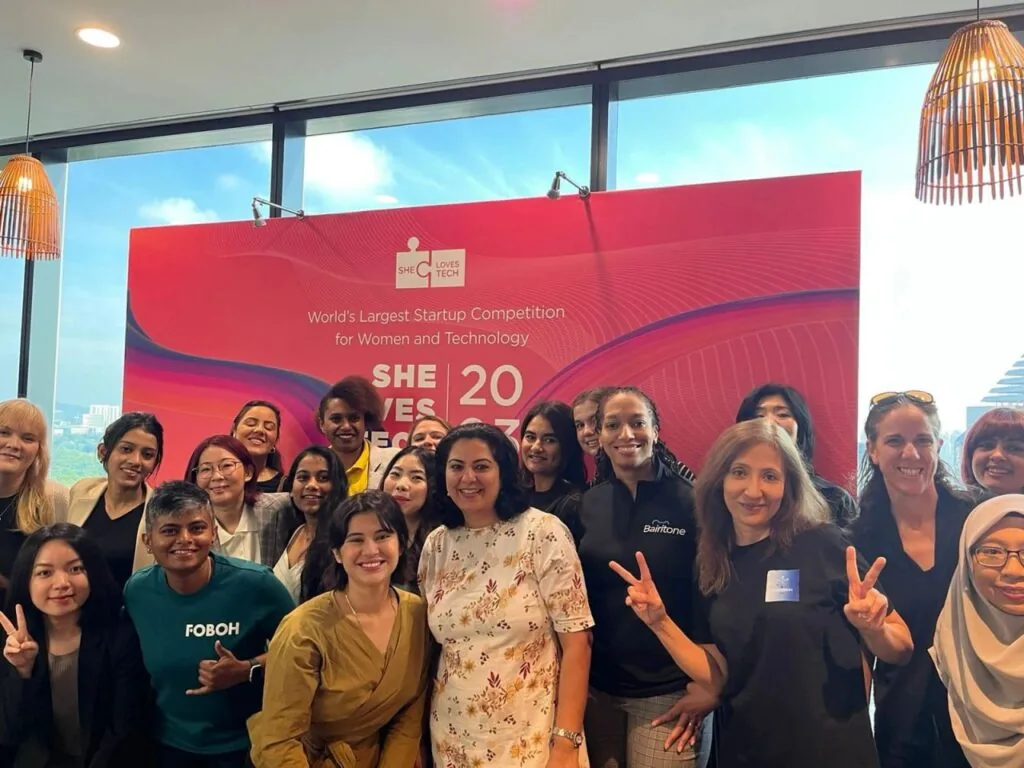
I also participated in the She Loves Tech competition for technology startups founded by women and won the regional stage. I am proud to have represented Central Asia at a global level. With many founders, we discussed creating partnerships to promote our products, as there was synergy and mutual benefit from cooperation.
Difficulties
Memes about startup founders are about us. Every day we have to solve a bunch of problems, many of which are unexpected. All founders face this.
We are creating an innovative product with a significant R&D component. Therefore, it is not always possible to find a solution to a specific task from the first or even the fifth attempt. But we are stubborn and creative. If we don't find it today, we will find it tomorrow.
The main problem is the lack of residency in a country with stronger state support measures for startups, whether in Europe, the USA, or Asia. We are creating a product in the HealthTech sector — this is a conservative and highly regulated sector. It is necessary to conduct product certification and clinical trials. All startups from my cohort in one of the accelerators received grants, but we did not, because the company is not registered in the European Union.
Plans
We have been piloting the product in many countries for a long time: the USA, Russia, Kenya, and Central Asian states. We plan launches in a number of Asian countries, such as China and Indonesia.
In the near future, we will launch the commercial version. I am not in a hurry to scale the project, because for me, quality is more important than quantity. The question of scaling is another difference between investor expectations in the CIS and in the West. The feedback I received from my mentors at EIT Health and CIMIT was: focus on one country, forget about all the others.
The main goal and the plan we are following is to certify the product as a medical device in Europe and the USA. This is a large and complex task. We started the process this year, but it will take at least two years and require funding to conduct formal clinical trials and certify the device with a Notified Body of the European Union or the FDA in the USA.
The Tech on Telegram Follow The Tech on Telegram
Keep up with the latest technology and startup news.
Related reading






More from this author

Article Useful
How to protect your accounts from hacking: 8 settings you should check today
The Tech

Article Useful
500 Global: How the Accelerator Works and Who Can Receive Investments
The Tech

Article Interviews
Game Development in Central Asia: Arkady Moldavski on Developing Reverb and the Growth of the Industry
The Tech

Article Useful
Google, Tesla, BlackRock, and the IMF: Where to Apply for an Internship in Fall 2026
The Tech

News IT
Tesla unveiled the flying electric car Roadster
The Tech

News IT
Intero Biosystems startup won the Startup Battlefield at TechCrunch Disrupt 2026
The Tech