AI Ethics and Safety: What You Need to Know Today
Security and ethics are of critical importance when using artificial intelligence, as AI systems can have a significant impact on people's lives, the economy, society, and the environment.
Author - Mansur Ismagulov
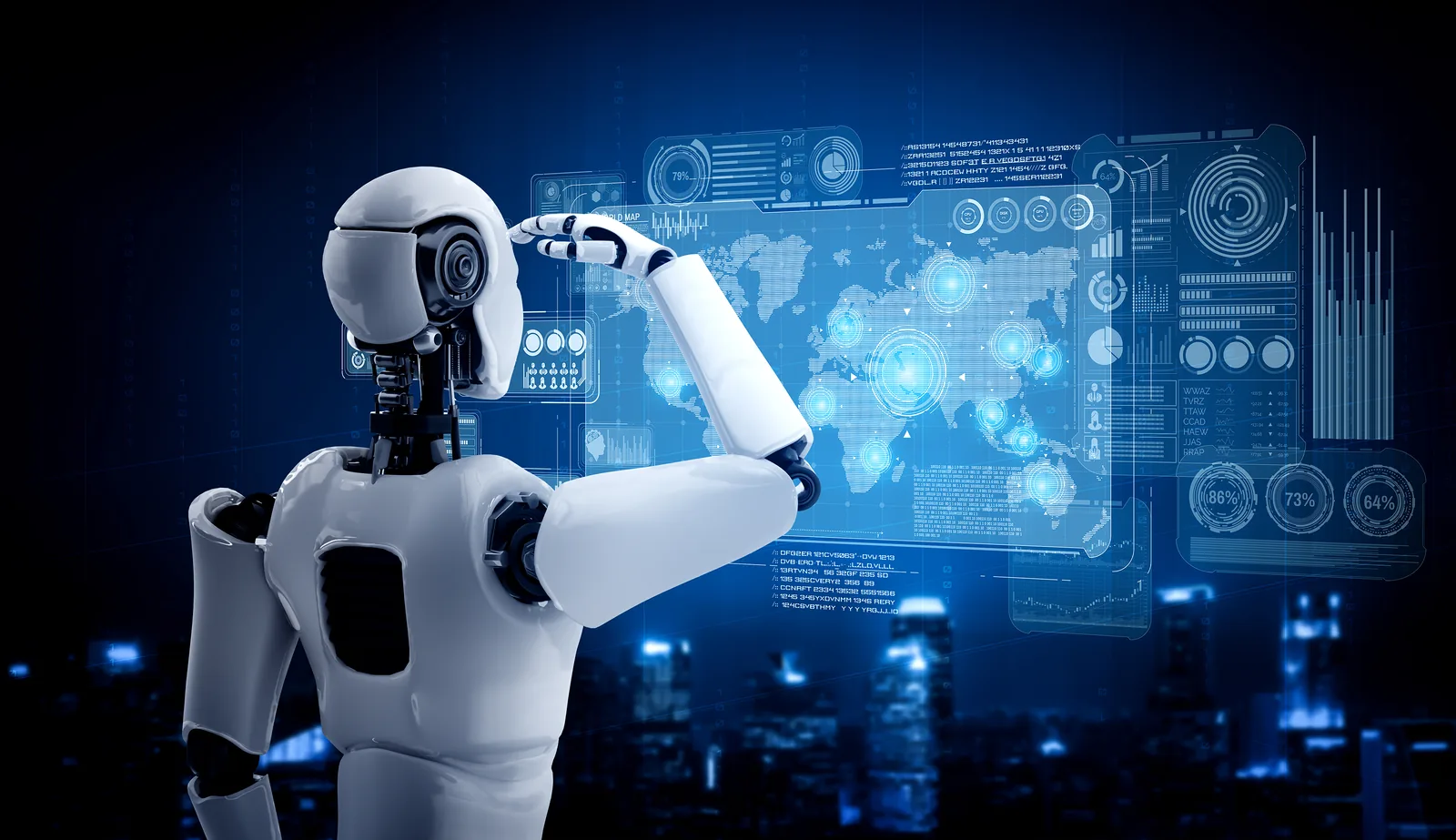
AI can also pose risks — privacy violations, bias and discrimination, malicious attacks, and loss of human control. Therefore, it is crucial that AI systems are designed, developed, and deployed with respect for human values, rights, and dignity, and that they contribute to the public good.
1. Privacy and Surveillance
AI can collect, store, and analyze vast amounts of data about people — from medical records to internet habits. This can be useful, for example, for personalized treatment, education, or movie recommendations. However, serious questions arise: who controls this data, how is it protected, and do people consent to its use?
There is another danger — AI can be used for mass surveillance. This threatens personal freedom, human rights, and can even undermine democracy.
2. Bias and Discrimination
AI learns from data provided by humans, meaning it can adopt and even amplify human biases. For example, if the data is skewed in favor of one group of people, AI will tend to favor them more often. This can lead to unfair decisions and discrimination based on race, gender, age, disability, religion, or other characteristics.
3. Human Judgment and Autonomy
Sometimes AI makes decisions on behalf of people — for example, in medicine, education, courts, or transportation management. This is convenient, but an important question arises: who is responsible if a decision turns out to be wrong? It is important that key decisions always remain under human control and do not undermine human dignity.
Examples of unethical use of AI:
— Amazon’s algorithm, which favored male candidates during hiring
— Facial recognition systems that performed worse for people with dark skin, leading to some being falsely accused
— Uber’s autonomous vehicle that hit a pedestrian due to a sensor malfunction
— Facebook algorithms that helped spread misinformation and influenced elections.
AI Regulation Worldwide
The US follows an industry-specific approach and develops initiatives such as the American AI Initiative.
The EU is developing comprehensive regulation with AI classified by risk levels.
China aims for global leadership in AI by implementing large-scale state programs.
Additionally, international organizations are formulating their own principles for ethical AI.
Approaches to Creating Safe and Ethical AI
- Ethical and safe design — incorporating values and laws from the very beginning of development.
- Evaluation and auditing — continuous monitoring of AI’s impact on society, rights, and safety.
- Education and awareness — training developers, users, and society on AI ethics and safety.
AI ethics and safety are not only technological or legal challenges, but also moral and social ones. They require joint efforts from academia, industry, government, and society.
Read more here.
The Tech on Telegram Follow The Tech on Telegram
Keep up with the latest technology and startup news.
Related reading







More from this author

News
zypl.ai begins operations in Japan and focuses on next-generation risk models
Mansur Ismagulov

News
Elon Musk's net worth has exceeded $700 billion for the first time
Mansur Ismagulov

Article Interviews
"Central Asian countries should build a joint ecosystem," — Bekhzod Ismoilov on the development of AI in the region
Mansur Ismagulov

Article Interviews
Bloom's Taxonomy and Engineering Levels: A Practical Growth Model
Mansur Ismagulov

Article Useful
How the IT industry in Azerbaijan developed in 2025: key events
Mansur Ismagulov

News
Tajikistan has become a new member of the regional innovation alliance Central Asian Innovation Hubs.
Mansur Ismagulov