DiGi — a startup that predicts earthquakes based on fish behavior
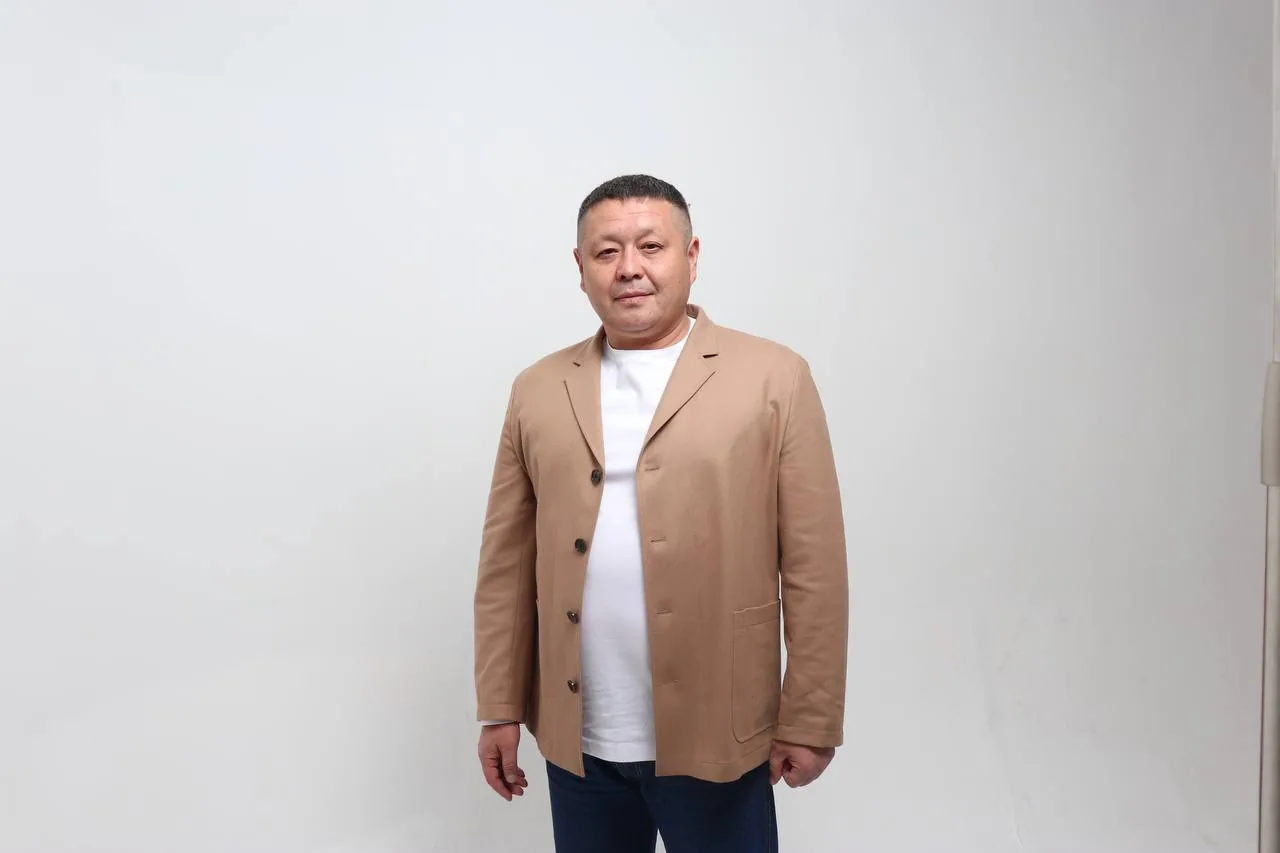
We spoke with Nurlan Shapanov, the founder of the DiGi startup. He shared his achievements and outlined his plans for the coming years.
The Tech AI
Get the key points in seconds - a short summary from The Tech AI.
Nurlan Shapanov, Director of DiGi LLC, presented an earthquake prediction system based on fish behavior, developed in Bishkek. The system includes an aquarium with sensors, cameras, a server, and a neural network that analyzes electromagnetic changes. The project is patented, and collaboration has been established with the Ministry of Emergency Situations and the United Nations; the presentation took place in Vienna in March. The company plans to complete testing and deploy the system this year.
Nurlan Shapanov, city — Bishkek, director of DiGi LLC, @it_digi
How it all started
We are a Kyrgyz company, DiGi, specializing in digitalization and artificial intelligence. Our initiative was inspired by the frequent occurrence of earthquakes in our region, as well as successful cooperation with international organizations, including the UN. The idea to develop a new method for predicting earthquakes based on animal behavior emerged a year ago after a series of tremors. Our country lacks the resources to implement expensive systems, so we are considering alternative solutions. I specifically visited Japan to study their experience in this field.
Our earthquake prediction system based on fish behavior consists of several key components, organically combined to ensure maximum efficiency and accuracy of predictions:
1. Aquarium: specially selected species of fish, sensitive to changes in the electromagnetic background, are kept in the aquarium. The aquarium is equipped with necessary sensors to monitor fish behavior and record changes in their activity, which may indicate an approaching earthquake.
2. Camera: high-sensitivity cameras are installed to observe fish behavior in the aquarium. These cameras can record even slight changes in behavior, which is critical for the accuracy of the analysis.
3. Data transmission system: data collected from sensors and video cameras is transmitted in real time via the data transmission system. This system ensures fast and reliable transfer of information from the aquarium to the server for subsequent analysis.
4. Server: the server processes incoming data, stores it, and prepares it for analysis. This is powerful computing equipment capable of processing large volumes of information without delays.
5. Neural network: the neural network developed by us analyzes data obtained from sensors and video cameras. It is trained to recognize specific patterns of fish behavior that may indicate an approaching earthquake. The neural network can distinguish these patterns from normal behavior or reactions to other stimuli, such as noise or changes in light.
Together, these components form an integrated system capable of accurately analyzing fish behavior and providing early warnings about earthquakes, providing valuable time for response and taking measures to reduce potential damage.
A system based on observing animal behavior to predict earthquakes. The development involves a number of technical and scientific challenges that make the process complex and require deep knowledge in various fields.
The first and one of the most important links is the selection of suitable fish species. Not all species are sensitive to the necessary changes. Our research has shown that certain species of fish react not so much to vibration as to changes in the electromagnetic background, which precede earthquakes. This necessitates careful selection of species capable of perceiving such changes.
Next, the development of a neural network capable of analyzing and interpreting data from sensors is a complex task. The neural network must distinguish normal fish behavior from behavior caused by earthquake precursors. It must be able to ignore false alarms caused by external irritants, such as noise, changes in lighting, or water quality, and accurately determine signals indicating an approaching earthquake.
A huge number of tests are necessary to verify and validate the system. Every aspect, from the selection of fish species to the configuration of the neural network, requires careful testing under various conditions to ensure the reliability and accuracy of predictions.
We have patented our solution, emphasizing its uniqueness and innovative nature. The patent confirms the novelty of our approach to using animals as biosensors for earthquake prediction and highlights the potential of this technology in improving earthquake early warning systems.
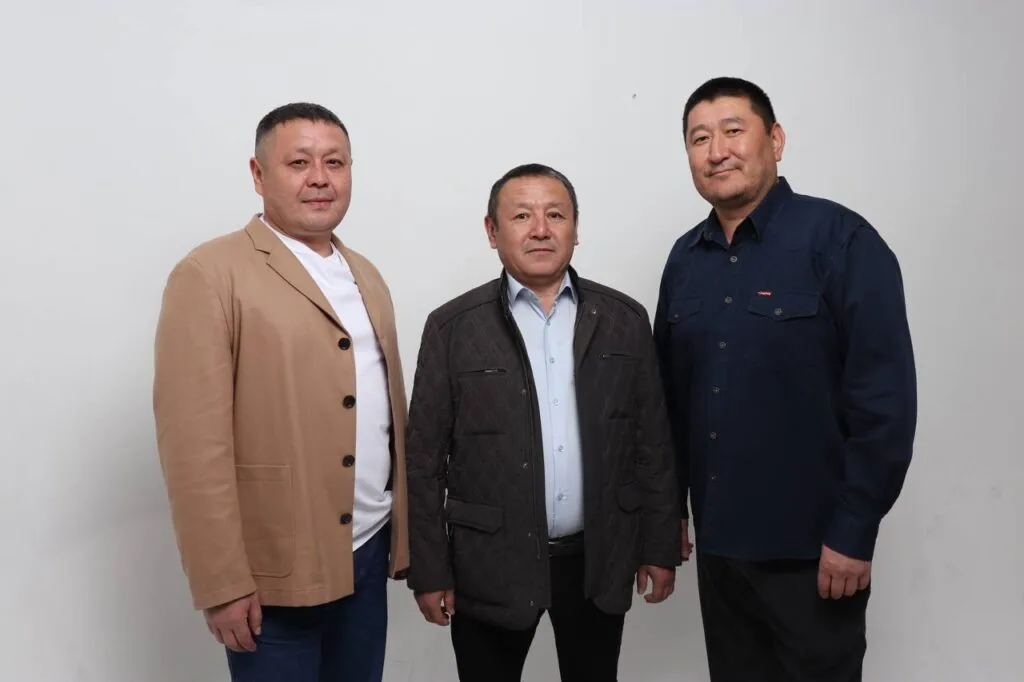
Our team began cooperation with a research institute and experts in the field of earth studies. Developers formed the core of our team, actively working on the implementation of the project.
Target audience
Currently, we are conducting the first tests of our system. The main client is the Ministry of Emergency Situations, but our goal is to make the system accessible and affordable for every resident, including remote rural areas. After successful tests, we will start foreign sales. That we showed the system in March at the UN Headquarters in Vienna is already a big step.
Difficulties
The main difficulty was in choosing the right species of animals sensitive to earthquake precursors in our region. In addition, the neural network turned out to be extremely difficult to develop due to its sensitivity.
Achievements
We have begun cooperation with the Ministry of Emergency Situations and are preparing for official validation of our system. We also managed to present the first results of the project at a UN event in Vienna. At the moment, anyone can buy our aquarium, although we still have to complete the training of the neural network. The accuracy of the system is already impressive.
Plans
Our main task is to conduct tests, tests, and more tests to improve and confirm the effectiveness of our system. We hope to deploy the system already this year.
The Tech on Telegram Follow The Tech on Telegram
Keep up with the latest technology and startup news.
Related reading






More from this author

Article Useful
How to protect your accounts from hacking: 8 settings you should check today
The Tech

Article Useful
500 Global: How the Accelerator Works and Who Can Receive Investments
The Tech

Article Interviews
Game Development in Central Asia: Arkady Moldavski on Developing Reverb and the Growth of the Industry
The Tech

Article Useful
Google, Tesla, BlackRock, and the IMF: Where to Apply for an Internship in Fall 2026
The Tech

News IT
Tesla unveiled the flying electric car Roadster
The Tech

News IT
Intero Biosystems startup won the Startup Battlefield at TechCrunch Disrupt 2026
The Tech