What is Techstars and how does it help startups from Uzbekistan
Uzbekistan is becoming a prominent growth point for the startup ecosystem in the region. Techstars, in partnership with the UzVC fund and local partners, is launching programs here that help founders navigate the journey from idea and initial tests to investment readiness and entry into the global market. Read more in our interview.
Emily Skinstad, Senior Director, Startup Community Support, Techstars
Madina Zokirova, Co-founder & CEO, Hackonnect
About Us
Emily. I have been working at Techstars for nearly 10 years, where I lead the operational activities of the Startup Community programs, including pre-accelerator initiatives and partnerships with startup communities. My focus is on expanding Techstars’ mission to support entrepreneurs. We operate in hundreds of markets worldwide.
On the accelerator side, Techstars runs investment programs and accelerators, while on the Startup Community side, we offer pre-accelerator formats that help founders prepare for investment and growth.
We also run initiatives like Startup Weekend for early-stage founders and Startup Week, a conference format designed to develop ecosystems. Through partnerships, we connect local communities with Techstars’ global network.
Madina. I am the CEO and co-founder of Hackonnect Program Management. Since 2018, we have been developing the startup community through hackathons and Startup Weekend, which evolved into the company Hackonnect in 2023.
Today, we continue to develop the ecosystem, adhering to the give first principle and focusing on founders. Our goal is to bring global practices to Uzbekistan and eventually scale, including the potential launch of a venture fund and a hub.
Techstars in Uzbekistan
Emily. Uzbekistan is an interesting startup frontier for founders. We see a triple opportunity here. There is strong government support through various initiatives.
Another key factor is the young and tech-savvy population. We felt this was a strong environment to launch this program in partnership with you, to further support founders and strengthen the ecosystem through these initiatives.
Madina. We launched Startup Weekend in Uzbekistan because we saw strong potential and high enthusiasm among founders. Since 2019–2020, the ecosystem has changed significantly: awareness has grown, government support has strengthened, and the market has become more professional.
Against this backdrop, there has been a demand for more sustainable programs connected to the global ecosystem. Last year, we received direct requests from founders for long-term community development rather than one-off events.
We experimented with formats and realized that now is the right time to scale.
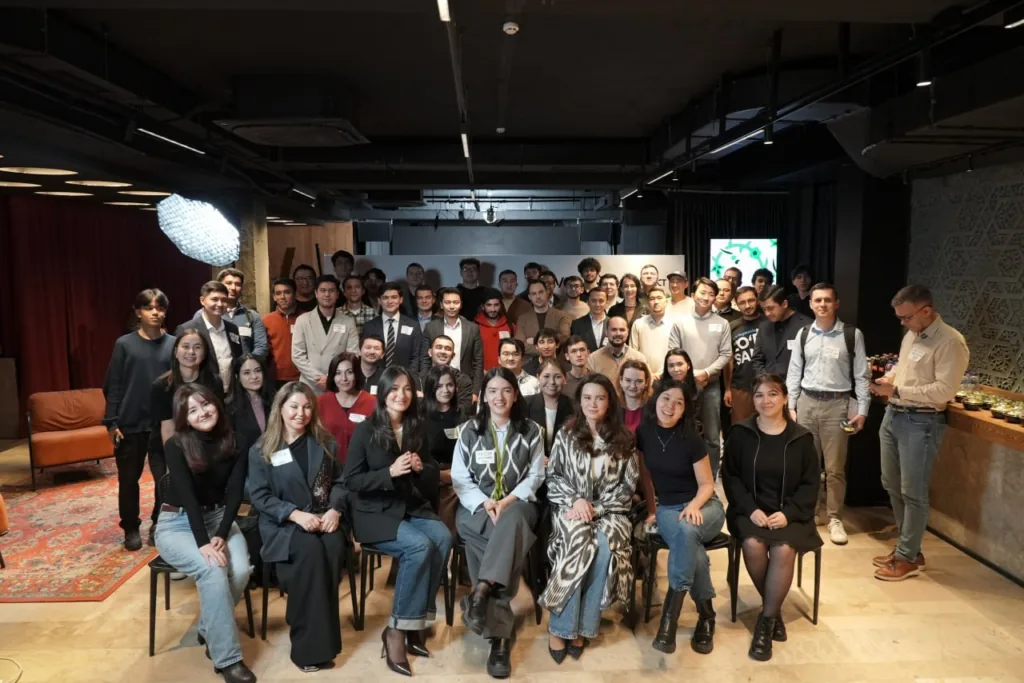
The Startup Ecosystem in Uzbekistan Today
Emily. The startup ecosystem in Uzbekistan is gaining momentum, and many interesting things are already happening.
At the same time, it is still at an early stage of development, offering huge opportunities for growth and deeper global integration. In this sense, it is in a formative stage but moving quickly in the right direction.
From Techstars’ perspective, we work with ecosystems at various stages—from very early markets to more mature ecosystems where founders already have access to capital, networks, and support.
Uzbekistan sits somewhere in the middle of this spectrum: there is already a strong foundation and momentum, but also significant potential for scaling through global connections and further ecosystem development.
Madina. In Uzbekistan, about 60% of participants are young professionals and students. Many already understand the basics of building startups, so basic education is no longer the main focus.
However, at the early stage, there is still room for growth in mindset, long-term planning, creating globally scalable products, and engagement with the ecosystem.
In the next two to three years, we expect much stronger results—more high-growth startups, larger companies, and possibly even significant exits.
From the perspective of an IT community leader, our primary need is to educate people. At Startup Weekend and other free events, we talked about business models and customer development. We always encouraged founders to conduct customer interviews, even if it was just a hackathon.
This helped shape people with an entrepreneurial mindset. Today, they may not all work in startups, but they work in various organizations and spread the correct understanding.
Secondly, we provided good specialists to our partners and mentors. For example, many who now work in large companies like Alif, BILLZ, and others started as participants in Startup Weekend and were later hired into product teams.
About the Program
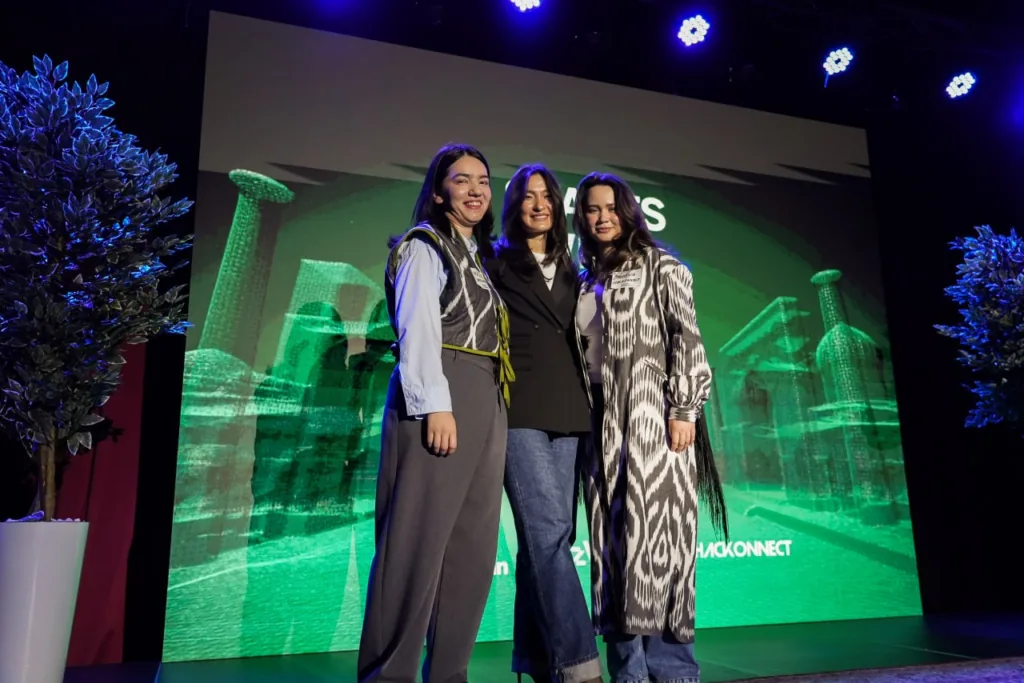
Emily. With the support of UzVC, we were able to organize a series of programs for the local market, including the Startup Community Partnership, which differs from the standard 13-week accelerator we usually run globally. The investment product I mentioned earlier is a more comprehensive mechanism for building startup ecosystems. It includes a set of programs that help sustainably develop startup ecosystems over time.
One key component is Founder Catalyst—our 10-week virtual pre-accelerator for early and mid-stage founders. This is a non-investment Techstars program where we bring in mentors and speakers to educate and develop founders. The goal is not a one-time experience but continuous support for founders.
Another important component of the partnership is Startup Weekend and Startup Week. Startup Weekend is designed for very early-stage founders—people with ideas who are just trying to figure out how to move forward. They present their ideas on Friday, form teams, and over the weekend create and test a product with mentor support, followed by a final pitch to the jury.
Startup Week is a conference format where founders at any stage can connect with the ecosystem: meet with mentors, learn from experts, and engage with the community.
We also run the Community Development Lab, which focuses on educating and developing local ecosystem leaders, mentors, and community builders. It helps them understand how startup ecosystems work and what is needed for their sustainable growth.
Madina. For locals and our region, this means we are effectively opening access to the global market—not just to the US market, but also through the current cohort to markets in Turkey, Japan, Ireland, and other partner countries.
We are building a strong and structured pipeline. This “operating system” of the Startup Community Partnership and its various programs allow founders to move step by step.
- They test ideas at Startup Weekend over three days.
- Then they continue to develop them and can transition into Founder Catalyst, where they go through the pre-accelerator.
- Next, they can move into more advanced programs—the accelerator or the Exploration stage, where ideas turn into scalable companies.
Startup Week and the Community Development Lab, on the other hand, focus more on inclusivity and ecosystem development. The goal is to engage more corporations and large companies so they can interact with startups and find collaboration opportunities.
We work with early-stage startups across all industries, including software, hardware, and physical products. We support founders from various fields—from AgriTech to FinTech and other sectors. Regarding stages, we primarily focus on early-stage startups.
The only geographical restriction applies to the incubation program. Founder Catalyst accepts applications only from founders based in Uzbekistan. However, in other programs—Startup Weekend and Startup Week—there are no strict geographical restrictions. Founders can choose a date and join in Tashkent or other cities where we host Techstars-format events.
The ecosystem is open to everyone, but individual programs may have specific participation requirements, which are always published on official channels.
About Practical Participation
Madina. For early-stage startups, such as founders who want to test their idea, Startup Weekend is a great starting point. Participants can choose a convenient date, join the program, form a team, formulate hypotheses, and take the first step toward validating their idea.
For founders who want more visibility in the local and regional market, the ideal platform is Startup Week. It allows them to present their startup, share their idea with the ecosystem, and gain market recognition.
Between these programs, we also conduct various local activities in Uzbekistan. They are aimed at practical support for founders—for example, exploring market entry, including in the Turkish context, planning expansion into Uzbekistan, building a local team, or generating B2B interest for initial sales and partnerships.
And, of course, investment opportunities may arise at later stages, but that is a separate conversation.
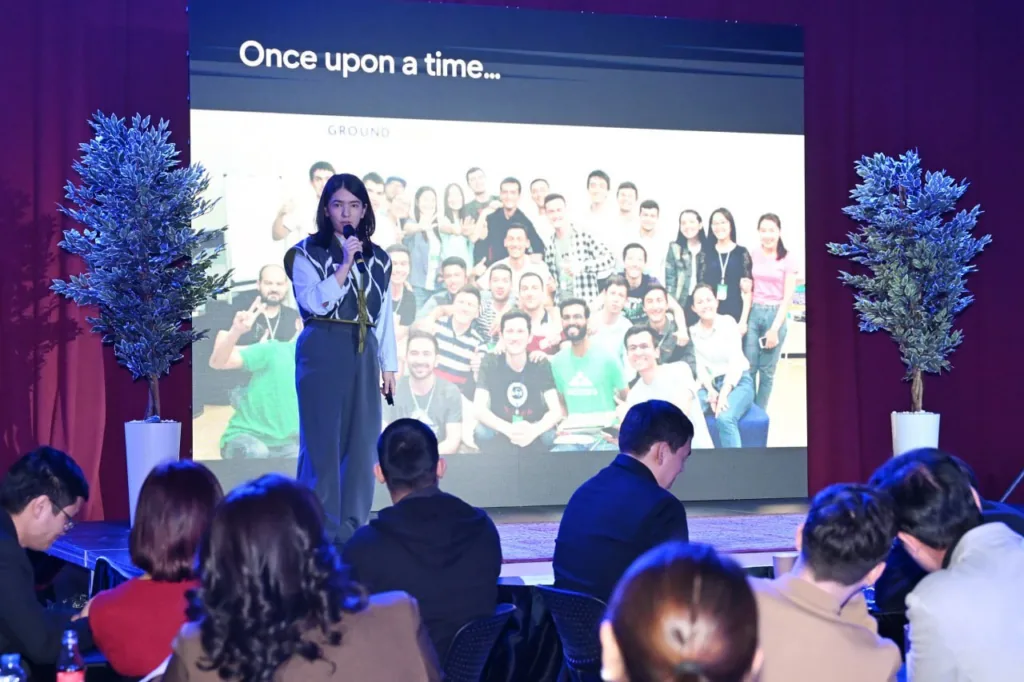
How Techstars Uzbekistan Will Influence the Region in the Coming Years
Madina. Our goal is not just “unicorns” but building a strong portfolio of companies valued at $100–500 million. Over the next five years, we could see at least one unicorn emerge from the Techstars ecosystem.
Beyond connecting founders to programs, we actively support them on the ground—through networking, regional visibility, and fostering global thinking from early stages. This will enable more internationally oriented startups focused on scaling to emerge.
Emily. I view this partnership as a “flywheel” for the startup community. First, founders go through Startup Weekend, then some transition into Founder Catalyst and further into accelerators worldwide, bringing the experience back to the ecosystem.
Over time, this could even lead to the creation of a local accelerator. The logic is simple: more founders → more investment and support → more growth opportunities → and again, more founders. This forms a sustainable cycle of ecosystem strengthening.
In the long term, this could make Uzbekistan an “entry point” into Central Asia for startups—a place where companies come to build their business in the region.

Advice for Founders
Emily. We are looking for strong founders or early-stage teams—with an idea, traction, and ideally, an already assembled team. Many participants in Founder Catalyst balance participation with their main jobs, and we do not expect them to leave their jobs entirely.
We value founders who are already in the process of transforming their business and preparing to raise investment.
Advice for applications: definitely show traction—this could be users, early interest, or proof of demand for the problem. It is important to clearly demonstrate that there is market interest.
And most importantly—the team. At Techstars, the team is the key factor. Ideas and markets change, but a strong, teachable team remains the foundation of success.
Even in accelerator programs, founders often pivot or change their ideas, but the team remains the foundation. Therefore, it is important to present yourself not just as an individual founder but as a strong, cohesive team.
Madina. It is important to start small and start now—one of the key principles of founders and the foundation of Startup Weekend.
Over three days, participants can form a team, test their first hypothesis, and understand whether the idea has real market potential. The main thing is to simply start acting, even if it is just an MVP or an idea validation stage.
Another important step is early contact with experts. Even before creating a product, you can write to people on LinkedIn and get feedback. Sometimes one conversation already shows whether the idea has potential. If you can “sell” the idea to at least one or three people, that is already a signal.
Finally—stay connected. This year we have a busy calendar: four Startup Weekends and one Startup Week, so there will be many opportunities to take that first step as a founder.
The Tech on Telegram Follow The Tech on Telegram
Keep up with the latest technology and startup news.
Related reading






More from this author

Article Useful
How to protect your accounts from hacking: 8 settings you should check today
The Tech

Article Useful
500 Global: How the Accelerator Works and Who Can Receive Investments
The Tech

Article Interviews
Game Development in Central Asia: Arkady Moldavski on Developing Reverb and the Growth of the Industry
The Tech

Article Useful
Google, Tesla, BlackRock, and the IMF: Where to Apply for an Internship in Fall 2026
The Tech

News IT
Tesla unveiled the flying electric car Roadster
The Tech

News IT
Intero Biosystems startup won the Startup Battlefield at TechCrunch Disrupt 2026
The Tech