More than 2,000 humanoid robots from 16 countries will participate in the World Humanoid Robot Games in Beijing.
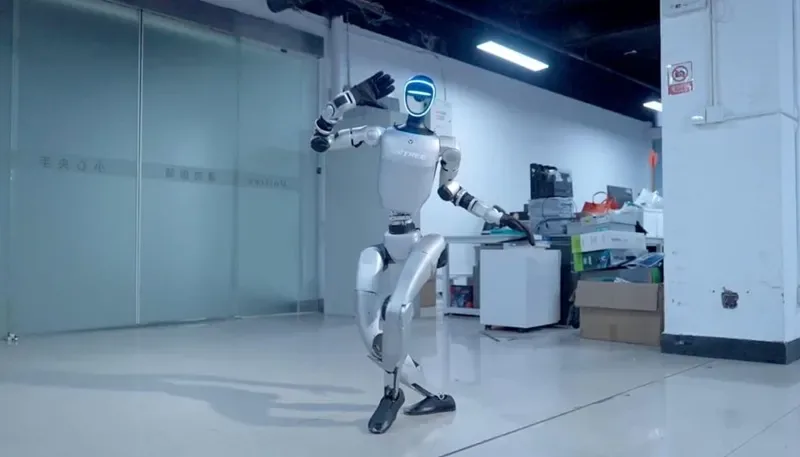
More than 2,000 humanoid robots from 16 countries will participate in the second World Humanoid Robot Games, which will take place August 22–26 in Beijing. Organizers announced the participation of 2,056 robots from 666 teams—more than four times the number of participants in the first competition held in 2025.
Despite the international composition of participants, most robots represent China: the competition features 1,975 domestic robots and 641 Chinese teams, representing 157 companies, as well as 200 research organizations and universities. Other participating countries include the United States, Germany, Japan, and Brazil.
This year, organizers have tightened the requirements for robot autonomy. Remote control is prohibited on most tracks and in competitive disciplines, and the allowed time for a 100-meter sprint has been reduced from three minutes to one minute.
In total, the program includes 51 disciplines and 1,301 matches, which will take place over five days. The program has added competitions in table tennis, weightlifting, long jump, and tug-of-war. The number of scenarios approximating real working conditions has also increased from six to 21. Robots will perform tasks in nine simulated environments, including hotels, factories, libraries, and stores.
Special competitions will test the fine motor skills of machines—for example, their ability to lay cables and assemble tools. According to Jiang Guangzhi, director of the Beijing Municipal Bureau of Economy and Information Technology, the development of such skills will enable robots to transition from competitions to real-world work.
The competitions take place against the backdrop of rapid development in humanoid robotics in China. In April this year, during the Beijing Half Marathon, the bipedal robot Lightning completed the distance in 50 minutes and 26 seconds, setting a result that exceeded the human world record.
At the same time, the main challenge for manufacturers is not only the robots' ability to maintain balance or move quickly, but also their capacity to perform complex tasks in real-world conditions. The scenario-based competitions in Beijing are intended to demonstrate how ready these machines are for industrial and commercial use, including working with tools, spatial reasoning, and performing tasks without remote control.
Source: eweek.com
The Tech on Telegram Follow The Tech on Telegram
Keep up with the latest technology and startup news.
Related reading




More from this author

Article Useful
How to protect your accounts from hacking: 8 settings you should check today
The Tech

Article Useful
500 Global: How the Accelerator Works and Who Can Receive Investments
The Tech

Article Interviews
Game Development in Central Asia: Arkady Moldavski on Developing Reverb and the Growth of the Industry
The Tech

Article Useful
Google, Tesla, BlackRock, and the IMF: Where to Apply for an Internship in Fall 2026
The Tech

News IT
Tesla unveiled the flying electric car Roadster
The Tech

News IT
Intero Biosystems startup won the Startup Battlefield at TechCrunch Disrupt 2026
The Tech