Berkeley SkyDeck: How a Startup Can Get Into an American Accelerator
Berkeley SkyDeck — an accelerator at the University of California, Berkeley, which invests in startups from around the world. Historically, about two-thirds of its participants are based outside the United States, and among its alumni is the Armenian company Krisp.
The Tech AI
Get the key points in seconds - a short summary from The Tech AI.
Berkeley SkyDeck — the official UC Berkeley program, including the accelerator, Pad-13 incubator, and Innovation Partners Program. In the accelerator, teams receive $210,000 for 7.25% of the company and access to a network of 900 advisors and 600,000 alumni. The program is suitable for startups with science-based products ready to raise investments in the US; an example of success is the Armenian startup Krisp, which raised $8 million after participating.
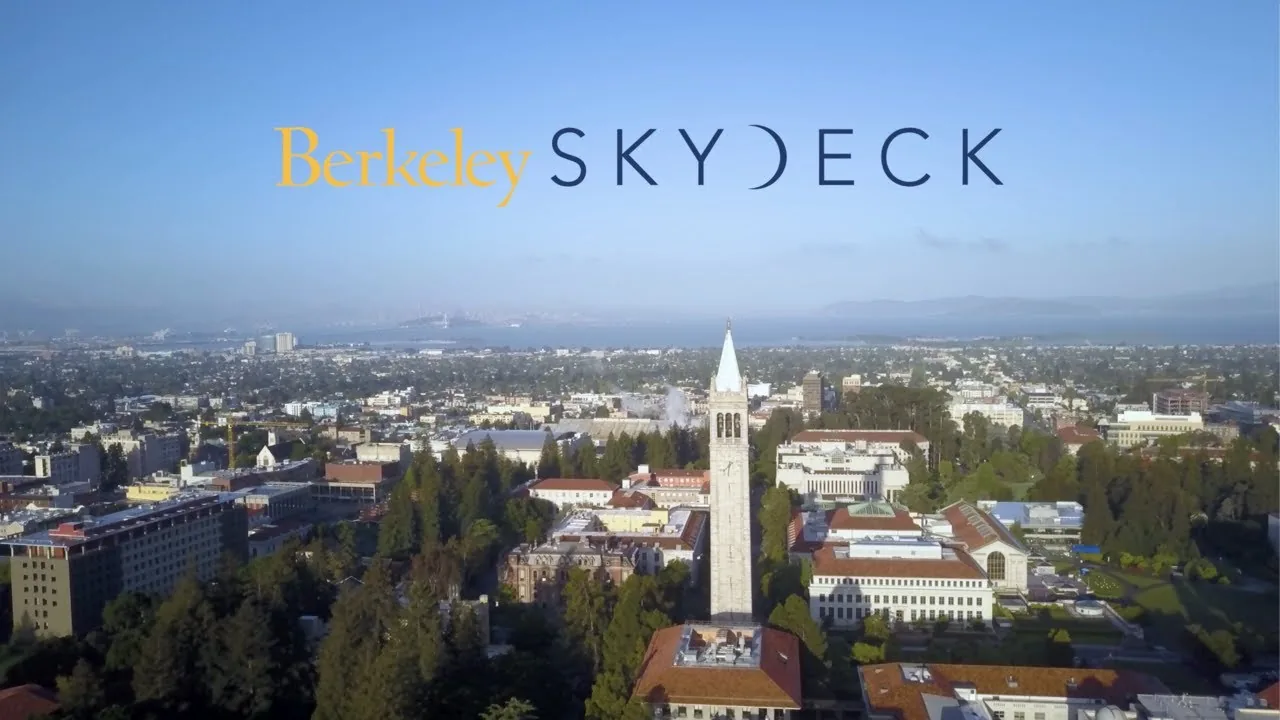
What is Berkeley SkyDeck
Berkeley SkyDeck is the official program of the University of California, Berkeley. The accelerator accepts startups from any industry and any country, with priority given to teams affiliated with the university and foreign founders.
The main advantage of SkyDeck is its network. Participants gain access to more than 900 advisors, industry partners, and the Berkeley alumni community, which includes over 600,000 people. Startups with deep-tech products can work with university laboratories.
Among SkyDeck alumni is the Armenian company Krisp, which completed the program in 2018. During the acceleration period, the team found corporate clients, hired a chief operating officer to work in the US, and raised $8 million from Sierra Ventures and other funds.
Three programs for different stages
Accelerator. The main program is designed for startups ready to raise their first round from venture funds. Every six months, SkyDeck selects 20 to 25 teams. They go through the six-month Berkeley Acceleration Method program, work with a lead advisor, receive a workspace in Berkeley, and present at Demo Day.
Pad-13. An incubator for early-stage projects, up to the idea stage. The program lasts four months, with each cohort including 60 to 80 teams. Participants gain access to more than 50 workshops, a workspace in a shared area, and a mentor. There are no guaranteed investments, but the best Pad-13 teams often transition into the accelerator.
Innovation Partners Program. A three-month program for startups referred to SkyDeck by partners: government organizations, universities, and corporations from various countries.
Additionally, the accelerator operates industry-specific tracks: biotech and healthcare, chips and quantum technologies, aerospace, fintech and blockchain, and climate technologies.
Participation terms
Each accelerator team receives $210,000 from the Berkeley SkyDeck Fund in exchange for 7.25% of the company. The deal is typically structured via a SAFE. A portion of the fund’s returns is returned to the university.
Participation in the accelerator costs $7,500. For Pad-13, participants can choose to pay $500 or give the university 1% of the company.
The fund also reserves the right to invest up to 10% in the startup’s first institutional round under the same terms as other investors. This right also applies to Pad-13 teams.
Who SkyDeck is looking for
The accelerator targets teams ready to raise an institutional round within the next six months. To qualify, a startup must demonstrate significant revenue or achieve major product milestones within six months.
The profile of international participants, according to the Global Founders Program, is as follows:
— 75% had already raised between $100,000 and $1.5 million in their home country before joining SkyDeck
— 59% were generating revenue at the time of application
— most are building products where technology serves as the primary competitive advantage
— within 6–12 months, teams plan to raise between $2 million and $5 million from US investors.
However, SkyDeck does not reject strong founders even if the project seems too early. In such cases, Pad-13 is a good option to consider.
What to pay attention to before applying
SkyDeck discloses the criteria by which the committee evaluates startups. Before applying, teams should address the following aspects:
— the ability to launch a minimum viable product within six months with current funding
— the main team’s readiness to work on the project full-time
— the presence of strong co-founders who cover key business areas
— a clear understanding of the target audience, decision-makers, and customers’ willingness to pay for the product
— market potential over one, three, and ten-year horizons
— analysis of current and future competitors, as well as the startup’s own competitive advantages
— understanding how SkyDeck’s connections, expertise, and resources will help develop the startup.
Selection timeline
Selection occurs twice a year. For example, Batch 23 accepted applications from July 20 to August 21, 2026, interviews were held from September 8 to October 5, and the program itself will run from November 2, 2026, to April 15, 2027.
Applications for the next cohort, Batch 24, will open in January 2027. Exact dates will be posted on the application page, where you can also leave your contact information to receive notifications.
Support for foreign founders
For teams from other countries, SkyDeck offers the Global Founders Program. No prior connection to Berkeley is required: the accelerator helps find advisors, mentors, and staff from the university network.
SkyDeck also assists with relocation to the US. Teams receive contacts for specialists in immigration law, housing, insurance, and other practical matters. According to program data, 50% to 75% of teams are able to raise investments after completing SkyDeck.
Who is SkyDeck suitable for
SkyDeck is suitable for tech startups that have already validated their product in their home market and want to raise a round in Silicon Valley. The program is especially valuable for deep-tech projects that need access to laboratories and professors.
For founders from Central Asia and the Caucasus, this is one of the most straightforward paths into the American ecosystem: the accelerator is open to foreigners, invests at the early stage, and assists with relocation.
The Tech on Telegram Follow The Tech on Telegram
Keep up with the latest technology and startup news.
Related reading

More from this author
Article Useful
The best startups from Startup Battlefield 200 at TechCrunch Disrupt 2026
The Tech
Article Useful
Central Asian startups that attracted investments in October 2026
The Tech

Article Useful
IT Events for November: Web Summit, Slush 2026, and Tashkent Fintech Forum
The Tech

Article Useful
AI helped create viruses for treating humans for the first time
The Tech

Article Useful
Market votes and founder votes
The Tech

News IT
"Ambitions determine what results we can achieve," — Jensen Huang on the development of AI
The Tech