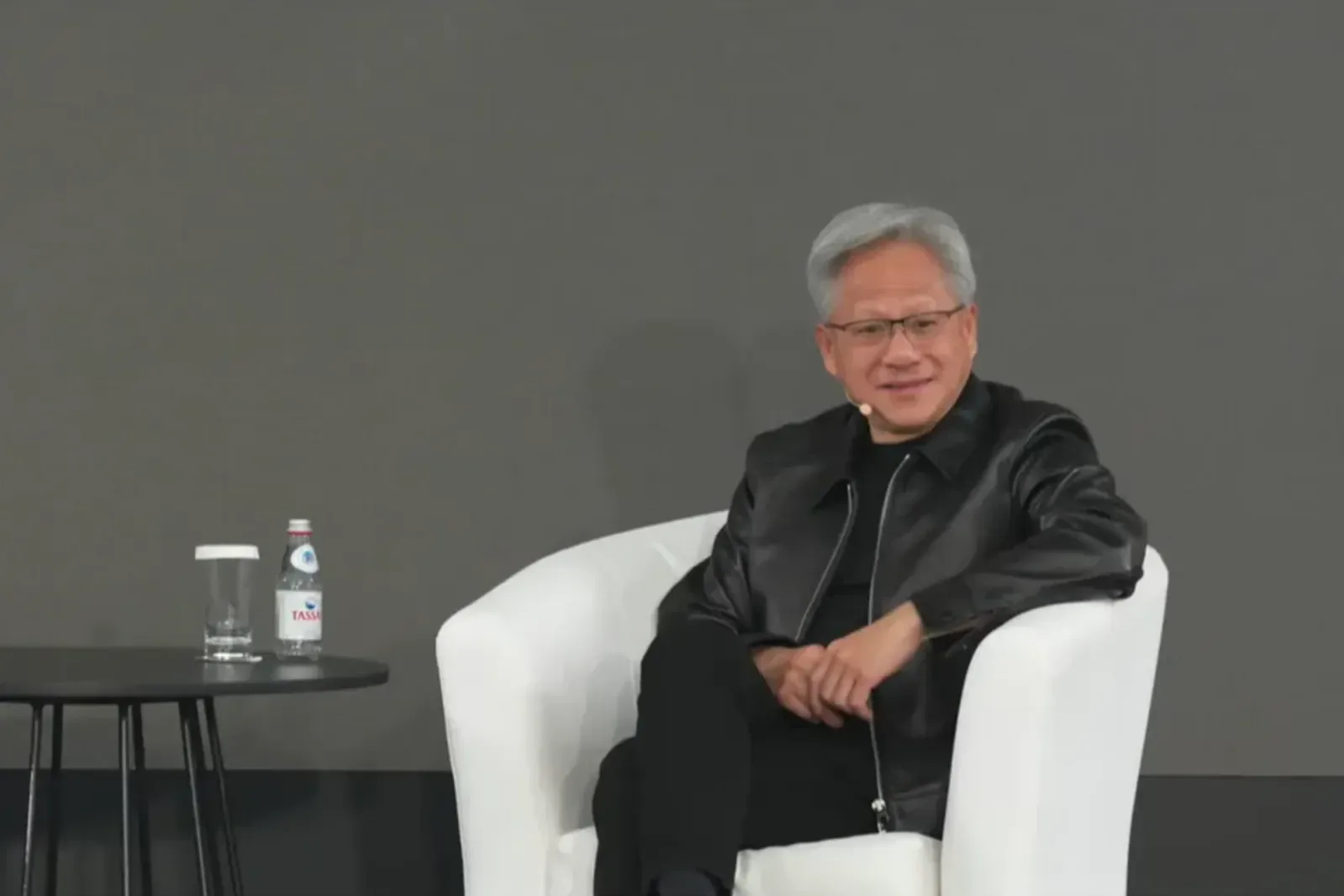
"Ambitions determine what results we can achieve," — Jensen Huang on the development of AI
The Tech AI
Get the key points in seconds - a short summary from The Tech AI.
Jensen Huang stated that Kazakhstan could become an AI hub by combining energy resources and data. He emphasized the importance of developing proprietary language models and physical AI for industry. Discussions also cover the development of the AI Data Center Valley, with a capacity of up to one gigawatt, and support for startups such as Higgsfield AI, which has an office in Kazakhstan.
Kazakhstan can become one of the centers for artificial intelligence development if it can combine energy resources, computing infrastructure, and its own data. During his visit to Astana, Jensen Huang spoke about the opportunities AI opens up for the country, why it is important to develop its own language models, and how the industry is changing with the emergence of AI agents and physical systems.
Jensen Huang, co-founder and CEO of Nvidia
Artificial intelligence is a general-purpose technology that will change almost every industry. At the same time, AI is becoming an independent industry. Its development requires computing power, energy, data, and demand. All of this forms a new economy.
Kazakhstan has the opportunity to turn energy resources into intelligence and then export it. Instead of exporting only energy, the country can use it to power AI factories and produce computing power in demand worldwide.
Why it is important for Kazakhstan to develop its own AI
Data is not just information. It reflects the culture, history, and values of the people. Therefore, I believe that Kazakhstan’s data is a national resource that must be developed and utilized.
It is important for the country to create its own language models and artificial intelligence infrastructure. Open models allow technologies to be adapted to the local language, culture, and societal specifics. This provides the opportunity to develop AI that understands Kazakhstan and meets its needs.
I believe the country has all the opportunities to create its own artificial intelligence ecosystem. It is important not only to use technologies developed in other countries but also to participate in their creation.
Physical AI and new opportunities for industry
The next major wave of artificial intelligence development is linked to physical AI — technologies that allow robots and other physical systems to perceive the surrounding world, understand it, and act within it.
This is a particularly promising direction for Kazakhstan. AI and robotics can be applied in mining, agriculture, geology, mine mapping, seismic exploration, materials science, and the chemical industry.
We are already working with Kazakh companies that are developing robotics technologies. I am confident that physical AI will open up new opportunities for industry and allow for increased efficiency in processes that currently require significant human resources.
Why ambition is important for the future of work
When we talk about the future of work, education, and technology, I primarily think about ambition. It is ambition that determines what results we can achieve.
Artificial intelligence and robotics have the potential to significantly expand human capabilities. They will help people solve more complex tasks, and companies to create products and services that were previously unavailable.
However, technologies themselves do not determine the future. What matters is how people use them and what goals they set for themselves. Therefore, I believe that parents need to help children develop ambition and faith in their ability to create something meaningful.
Why we invested in Higgsfield AI
When we invest, we primarily invest in people, not just companies. It is important for me to see founders who are capable of thinking on a large scale, understanding the market, and assembling strong teams.
This is why I am impressed by Higgsfield AI. The company has ambitious founders and a team that strives to compete at an international level. The average age of employees is around 25, and the company employs approximately 600 people in Kazakhstan. It also has offices in Kazakhstan and the United States.
I like that young specialists are willing to work on complex tasks and create technologies in demand worldwide. In such teams, technical skills are important, but so are speed, ambition, and the ability to constantly learn.
The company plans to expand and is considering the possibility of opening an office space of about 20,000 square meters. For me, this is another indicator of how seriously the team is committed to further growth.
Kazakhstan can become a computing hub for Europe
I see an opportunity for Kazakhstan to become an important computing hub and a platform for the development of AI factories that will serve not only the domestic market but also other countries.
Energy resources, the development of telecommunications infrastructure, and growing interest in artificial intelligence create favorable conditions for this. If the country can combine these advantages, it will have the opportunity to become part of a broader European AI ecosystem.
As part of the development of the AI Data Center Valley, the creation of infrastructure with a total capacity of up to one gigawatt is being discussed. Such projects can serve as the foundation for large-scale development of computing power and the attraction of new technology companies.
I believe it is important for Kazakhstan to view artificial intelligence not only as a tool for digitalizing existing industries but also as an independent sector of the economy.
How to make artificial intelligence safer
As AI systems become more autonomous, safety issues are becoming increasingly important. We need to create technologies that allow us to harness the capabilities of artificial intelligence while maintaining control over its actions.
One of the areas we are working on involves OpenShell. Such technologies help limit the actions of autonomous AI agents, control their access to files and tools, define permitted privileges, and ensure monitoring.
I believe that responsible development must go hand in hand with the advancement of AI capabilities. The more tasks we entrust to such systems, the more important it becomes to understand what they do, what resources they access, and within what boundaries they can operate.
Why I have become even more optimistic about AI
Over the past year, I have become even more optimistic about the future of artificial intelligence. I am particularly impressed by the development of AI agents that can execute sequences of tasks and interact with various tools.
Video generation is also developing rapidly. I see how technologies are moving from creating short clips to longer videos, where it is necessary to maintain temporal and physical consistency of events.
However, video generation is just one area. AI is changing programming, robotics, drug development, and many other fields. As technologies advance, people gain the opportunity to solve tasks that previously required significantly more time and resources.
I am convinced that we are at the beginning of large-scale changes. AI will influence an increasing number of industries, and countries and companies that begin to develop their own competencies now will gain significant opportunities.
Kazakhstan can become a center for AI cinema
I find the idea of developing AI in creative industries interesting. Artificial intelligence allows more people to create content that previously required large budgets, complex equipment, and large teams of specialists.
Kazakhstan is already taking steps in this direction. During the event, information was shared about the first AI film festival, which attracted over 8,000 applications from more than 120 countries. According to organizers, participants submitted a total of over 100,000 minutes of video, and the prize fund amounted to two million dollars.
Kazakhstan can develop this initiative and become the home of an international AI film festival — a sort of Khan Festival of AI Films. Artificial intelligence provides the opportunity to create films and other visual projects outside the traditional Hollywood system. This allows creative specialists from different countries to compete at an international level.
What I would study in Kazakhstan if I were 18
If I were 18 years old today and living in Kazakhstan, I would set a goal to become one of the best AI programmers in the world.
However, it is not enough to simply learn to write code. It is important to understand how AI systems work, what their strengths and weaknesses are, what tasks they can solve, and how the technology is evolving.
We need to learn to interact effectively with artificial intelligence. This means not only using ready-made tools but also understanding the principles of their operation, being able to set tasks, and evaluating results.
Young specialists in Kazakhstan can gain huge opportunities thanks to the development of AI. The main thing is to maintain curiosity, constantly learn, and set ambitious goals for themselves.
Kazakhstan’s future in the AI era
This is my first visit to Kazakhstan, and I am glad to see the country’s interest in developing artificial intelligence. Kazakhstan has the resources, talented people, and ambitions necessary to take an important place in the new technological economy.
I hope the country will continue to develop its own infrastructure, support talented specialists, and create conditions for the emergence of new technology companies. Artificial intelligence opens up opportunities not only for increasing the efficiency of existing industries but also for creating entirely new economic sectors.
For me, the most important thing is to see how people use technologies to expand their own capabilities and create the future.
The Tech on Telegram Follow The Tech on Telegram
Keep up with the latest technology and startup news.
Related reading




More from this author
Article Useful
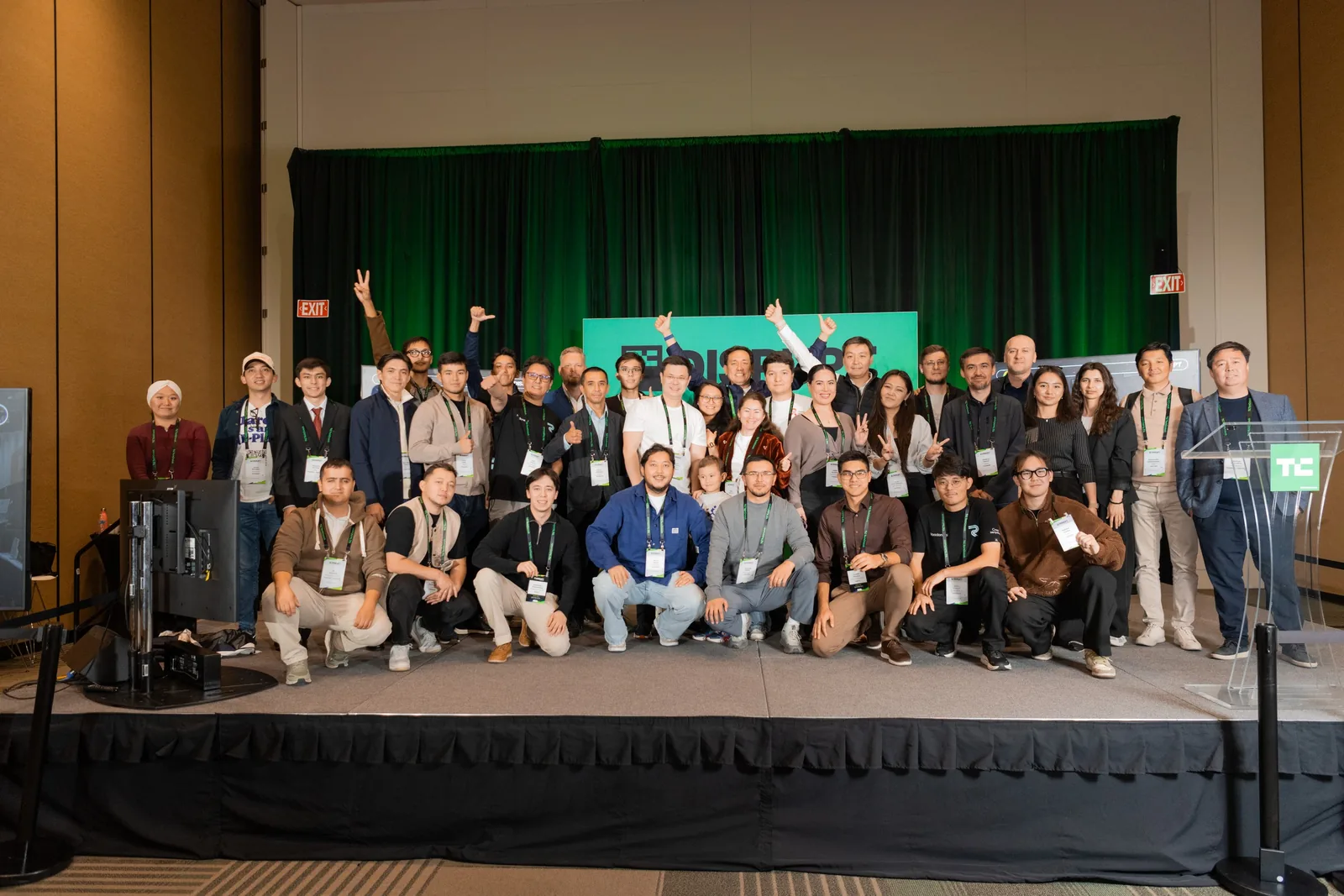
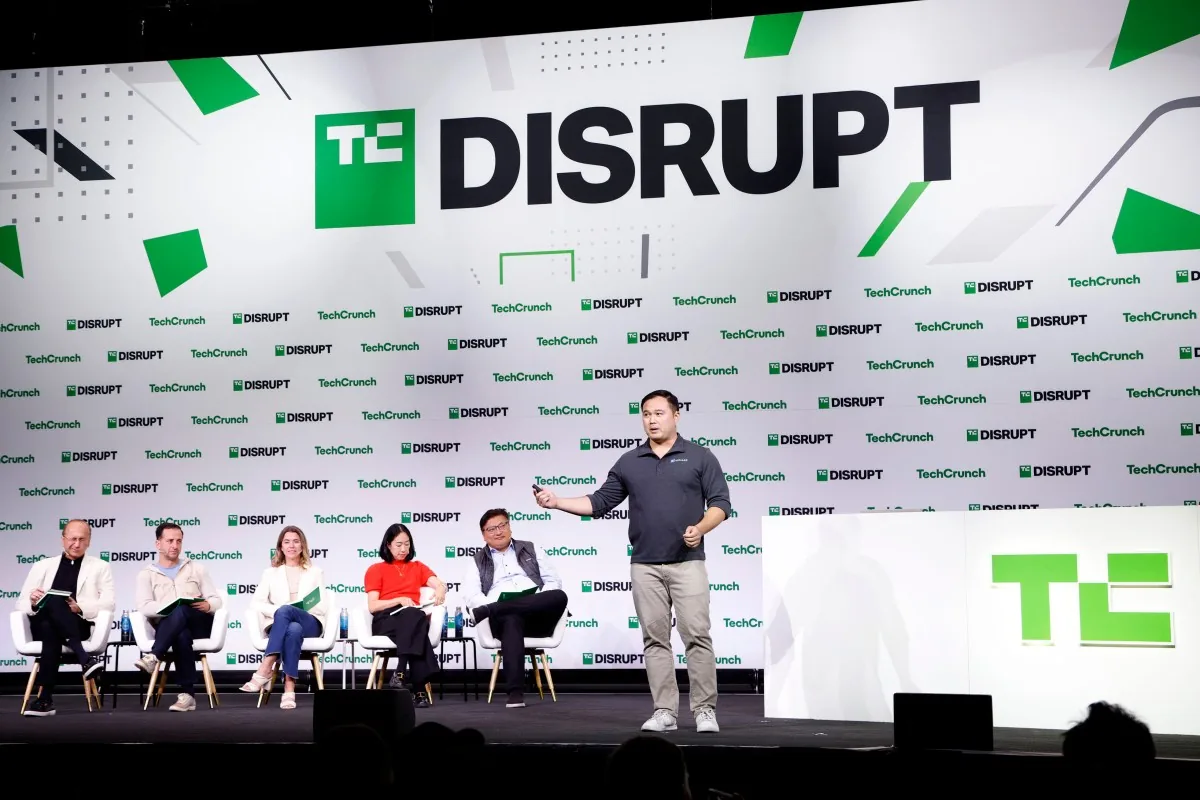
The best startups from Startup Battlefield 200 at TechCrunch Disrupt 2026
The Tech
Article Useful
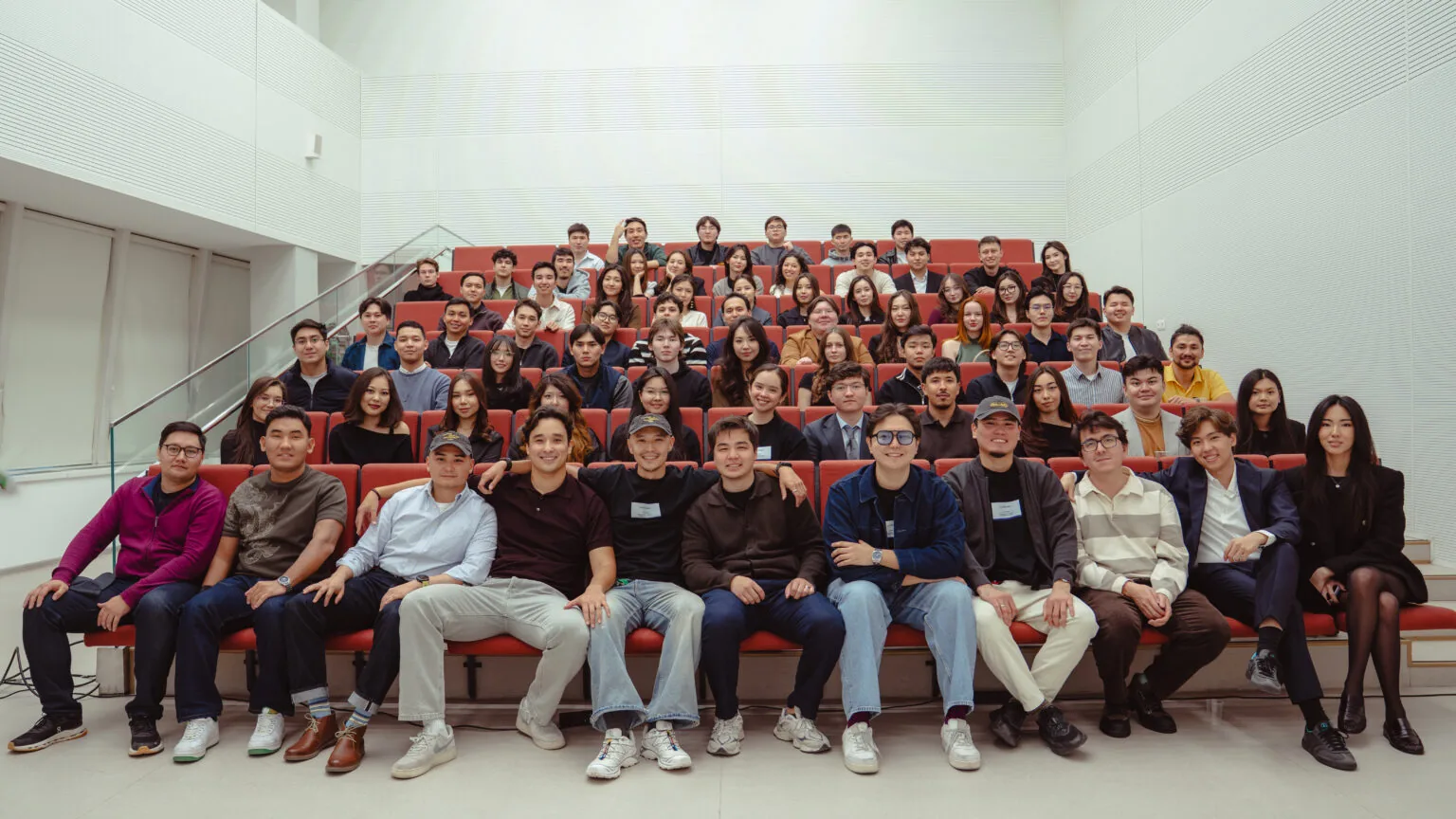
Central Asian startups that attracted investments in October 2026
The Tech

Article Useful
IT Events for November: Web Summit, Slush 2026, and Tashkent Fintech Forum
The Tech
Article Useful
Berkeley SkyDeck: How a Startup Can Get Into an American Accelerator
The Tech

Article Useful
AI helped create viruses for treating humans for the first time
The Tech

Article Useful
Market votes and founder votes
The Tech