An Azerbaijani banker created a FinTech startup and attracted $1 million in investments
During the pandemic, many businesses were forced to quickly transition online. It was at this moment that Azerbaijani banker Zeynal Kerimzade decided to create a fintech platform that would allow entrepreneurs to connect payments and manage sales through a single service. Today, his startup Epoint operates in Azerbaijan and Georgia, and the volume of transactions through the company's clients has reached $300,000,000 per year.
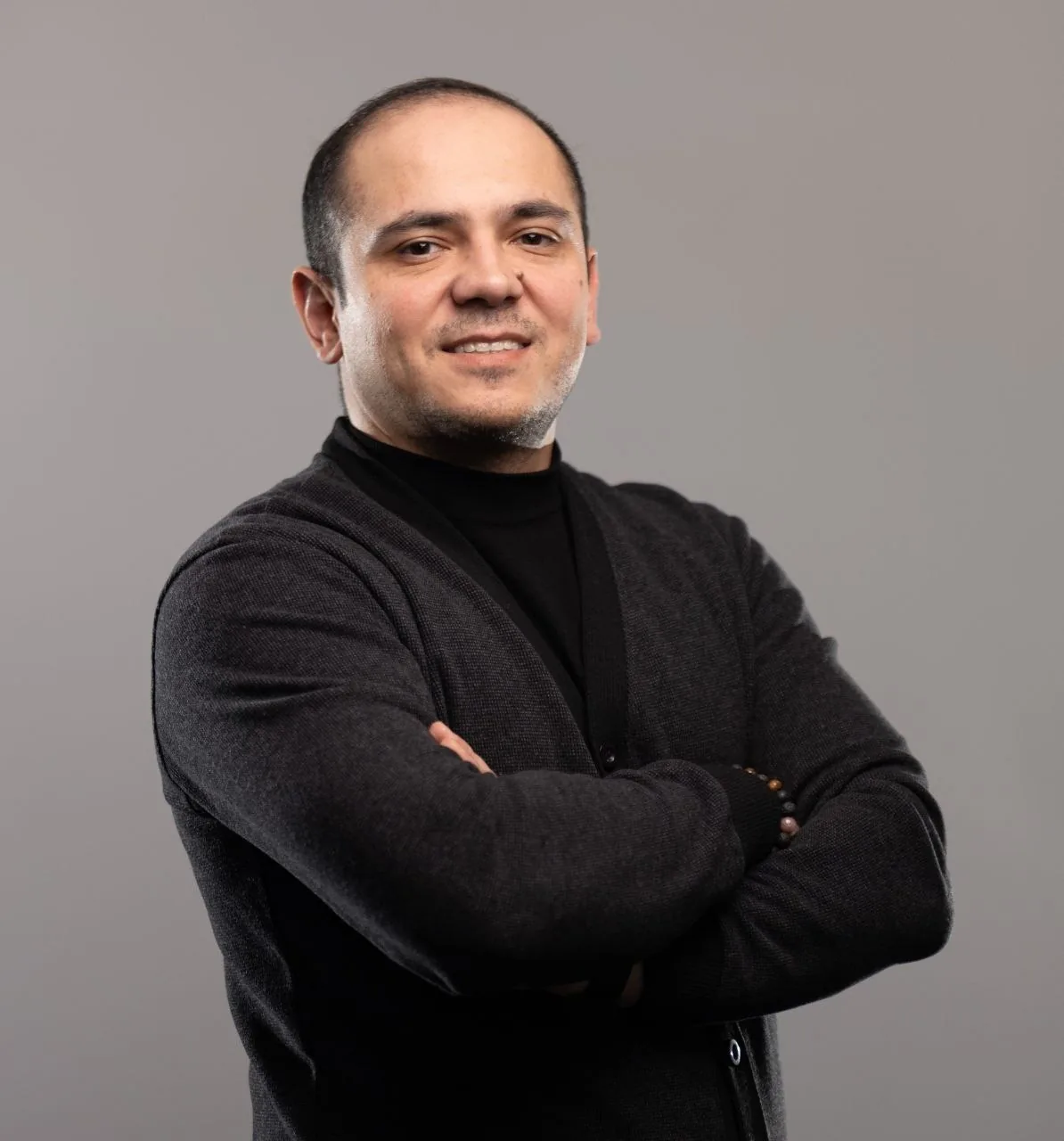
Zeynal Kerimzada, City — Baku, CEO, LinkedIn
About Me
I am the founder and director of E-Point Incorporation. Today, we operate in Azerbaijan and Georgia, while the parent company is registered in the United States.
By profession, I am a banker with over 15 years of experience working in various banks in Azerbaijan. My main areas of expertise are POS terminal business, e-commerce, and internet banking. For a long time, I led these specific divisions within banks.
How It All Started
The startup idea emerged during the pandemic. At that time, there was a lockdown, and many offline businesses began transitioning online.
The problem was that there was virtually no infrastructure for quickly connecting businesses. The onboarding process at banks and other FinTech companies could take 30–40 days. Support services and technological capabilities were also limited.
I realized that now was the perfect time to create an alternative solution for the B2B market. Therefore, I decided to leave the bank and launch a product that would allow businesses to quickly connect to payment infrastructure and manage all processes from a single console.
Launching the Startup
In December 2020, I left the bank. By June 2021, we launched the MVP version of the product, and in October of the same year, we launched the full production version. The startup began with bootstrapping: product development and launch were funded through personal resources.
Starting from late 2021, the company began to grow actively. In the first years, growth rates were particularly high because we started from a small base. Consequently, in percentage terms, growth could reach 1000% per year.
We reached an annual processed transaction volume (TPV) of $300 million, showing a 54% increase compared to the previous year.
We ended 2025 with an annual recurring revenue (ARR) of $2.6 million, demonstrating a 49% increase compared to the previous year.
Today, the company is already cash-positive: we generate revenue, have attracted investments, participated in acceleration programs, and continue to develop the product.
The Team
I started alone. We did not have large resources, so I built the team gradually: I attracted people, trained them, and developed them together with the project.
Of course, not everyone stayed until today: some left for large companies, while others grew professionally and continued their journey in other projects. I always view this organic process calmly. What is important to me is that I managed to contribute to the formation of specialists who continue to develop in the industry.
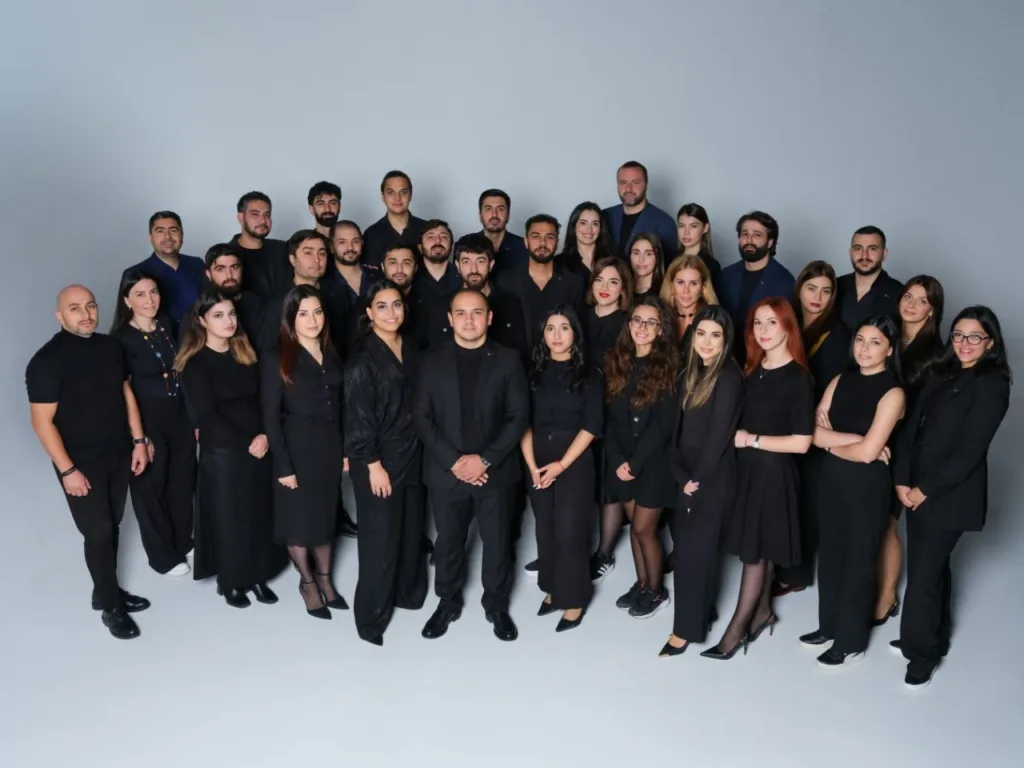
Over time, the team grew to 50 people. Today, this is a full-fledged FinTech company with its own structure: we have KYC and AML compliance, a legal department, sales, and a product team. We work using agile methodology with sprints and constantly develop the product. We consider ourselves a technological team that drives the market forward.
Target Audience
Our main segment consists of SME and micro-clients. These are entrepreneurs and small-to-medium-sized business companies. We provide them with a unified platform through which they can quickly connect and start selling their products both online and offline through various channels.
The main task is to give businesses a tool that allows them to manage sales from a single portal.
Currently, we have about 1,500 clients who are registered on the platform and have signed contracts.
In early 2025, we registered a company in Georgia and spent the year obtaining a license. Our business cannot simply be opened and started; we must receive approval from the regulator in each country.
Obtaining the license took almost six months in Georgia. At the beginning of this year, we received it and began operating in the market. Connecting banking, integrating, and client onboarding are now our short-term goals.
Epoint is already functioning in Azerbaijan and Georgia, and in the next two to three years, we plan to enter at least one Central Asian market. Since our main headquarters is currently in the United States, we are expanding along with the company, and all local structures become subsidiaries—essentially branches of our main company, EPoint Incorporation.
Incubation Programs
The project started with personal investments. I was a 100% shareholder and investor and still personally lead the company's development. I have been working on this project for five years, developing it and actively participating in its operations.
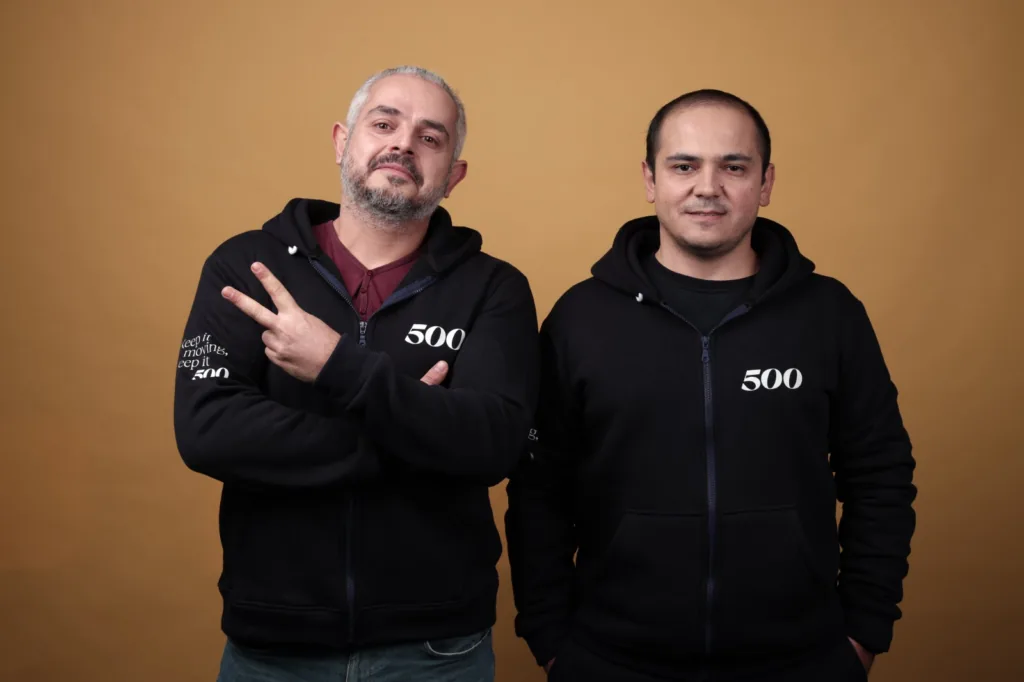
We went through the 500 Global acceleration program—an American program that we completed in Georgia. We also received an investment of $100,000 from 500 Global.
Next, we completed the Startup Wise Guys acceleration program—an Estonian accelerator focused on startups from European regions. We also completed this acceleration remotely.
We also attracted investments from the Kazakhstani fund ActivatVC and several angel investors, mostly local.
In total, we raised $1,000,000 in investments.
At the same time, I remain the main shareholder of the company. During the development process, we make our own decisions about which direction to move in and how to develop the product. Perhaps this is one of the factors of our success.
During the company's development, some of my colleagues received shares in the business. In 2022, when we went through the 500 Global acceleration, my colleague Gasan Gasanov received a share, and we entered the program as co-founders.
We created an option pool—shares for retaining loyal employees. Part of the team has already received shares. Employees become co-owners through a VSTL contract: the share becomes active only after a certain period of employment; if they leave early, it is forfeited. This system increases loyalty and allows employees to receive a portion of the company upon exit in the future.
Challenges
Challenges began even before the product appeared and continue to this day. When something is new, people do not always understand how it works.
Our partners are mainly banks. We take their conditions and resell them in a more convenient format. Explaining this was difficult, especially at the beginning: during the lockdown, banks took 30–40 days to connect clients, whereas we reduced the process to 3 minutes.
People react differently: some do not understand but are amazed, while others are skeptical. But if you keep working and bring the idea to fruition, it becomes a game changer and can transform the market.
For small and medium-sized businesses, such tools provide the opportunity to quickly start sales, digitize processes, and go online. However, at the start, there were difficulties with the business idea, technology, and financing: sometimes it was necessary to use personal funds and loans.
Another challenge is regulation. We transformed from a technology company into a financial institution, which brought new requirements and processes.
When expanding into new markets, you need to be flexible. For example, when planning an entry into Uzbekistan, we missed the window due to a sudden increase in authorized capital.
I always advise beginner founders to first work in real companies for at least a year or two. This helps understand documentation, finances, business processes, and successful models—seeing how everything works in practice.
A startup is a marathon, not a sprint. It is easy to start quickly, but it is important to be able to maintain pace over a long distance.
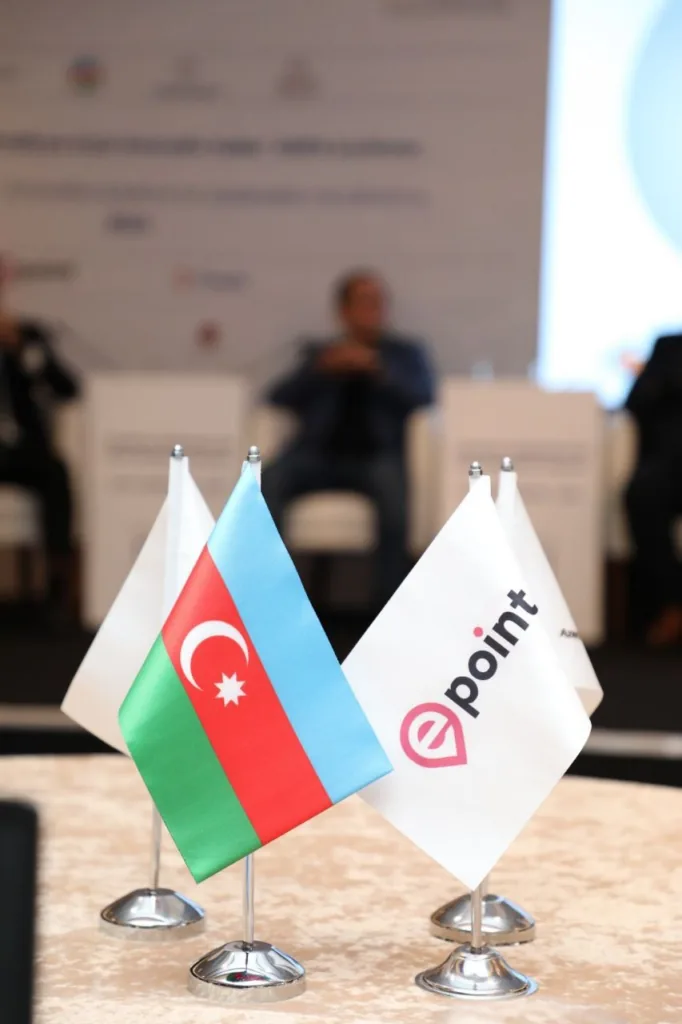
Achievements
We opened the last round at the beginning of the year. The company is currently valued at $20,000,000. Investors participate at different stages and with different valuations. The previous round was a year and a half ago with a valuation of around $10,000,000. During this time, revenue and the scale of the company have grown significantly.
Currently, we are raising a new round with a 10% slot. There is a redistribution of all shares, including mine. With a valuation of $20,000,000, we plan to raise $2,000,000 for the development of new markets.
In 2023, we received two nominations from the Ministry of Digital Development of Azerbaijan: Startup of the Year and Tech Entrepreneur of the Year. We also have the IDD Award. In the early stages of the company's development, we participated in Teknofest 2021 and took second place.
In 2025, our company became the payment partner for the international event COP29, ensuring payment processing for guests from abroad at a major state event. Despite the company being small, we were able to serve about 80,000 guests.
Throughout our development, we have received various awards, articles have been written about us, and there has been much recognition in the industry.
Plans
Initially, we planned the project on a regional scale. Today, we are developing across CIS countries and other markets where business can be conducted without sanctions, gradually becoming a regional player.
Any startup eventually thinks about an exit, and we are considering cooperation with large international companies, such as PayPal or Stripe, which may want to enter our market.
Our main task right now is growth, expanding the client base, and entering new markets. For example, we entered Georgia, where there are many Azerbaijani businesses, and we plan to do the same in Kazakhstan and Uzbekistan.
Our model is built on joint growth with clients: we digitize businesses, develop them, and become partners. The goal is regional leadership and cooperation with global strategic players.
The Tech on Telegram Follow The Tech on Telegram
Keep up with the latest technology and startup news.
Related reading



More from this author

Article Useful
How to protect your accounts from hacking: 8 settings you should check today
The Tech

Article Useful
500 Global: How the Accelerator Works and Who Can Receive Investments
The Tech

Article Interviews
Game Development in Central Asia: Arkady Moldavski on Developing Reverb and the Growth of the Industry
The Tech

Article Useful
Google, Tesla, BlackRock, and the IMF: Where to Apply for an Internship in Fall 2026
The Tech

News IT
Tesla unveiled the flying electric car Roadster
The Tech

News IT
Intero Biosystems startup won the Startup Battlefield at TechCrunch Disrupt 2026
The Tech