An Azerbaijani created an app that helps restaurants earn more
SnackPack is a mobile app developed in Azerbaijan that helps reduce food waste and makes dining at cafes and restaurants more cost-effective. The project has already brought together over 11,000 users, secured international grants, and completed a European acceleration program. The founder shares how a local initiative evolved into a sustainable startup with ambitions to scale across Central Asia.
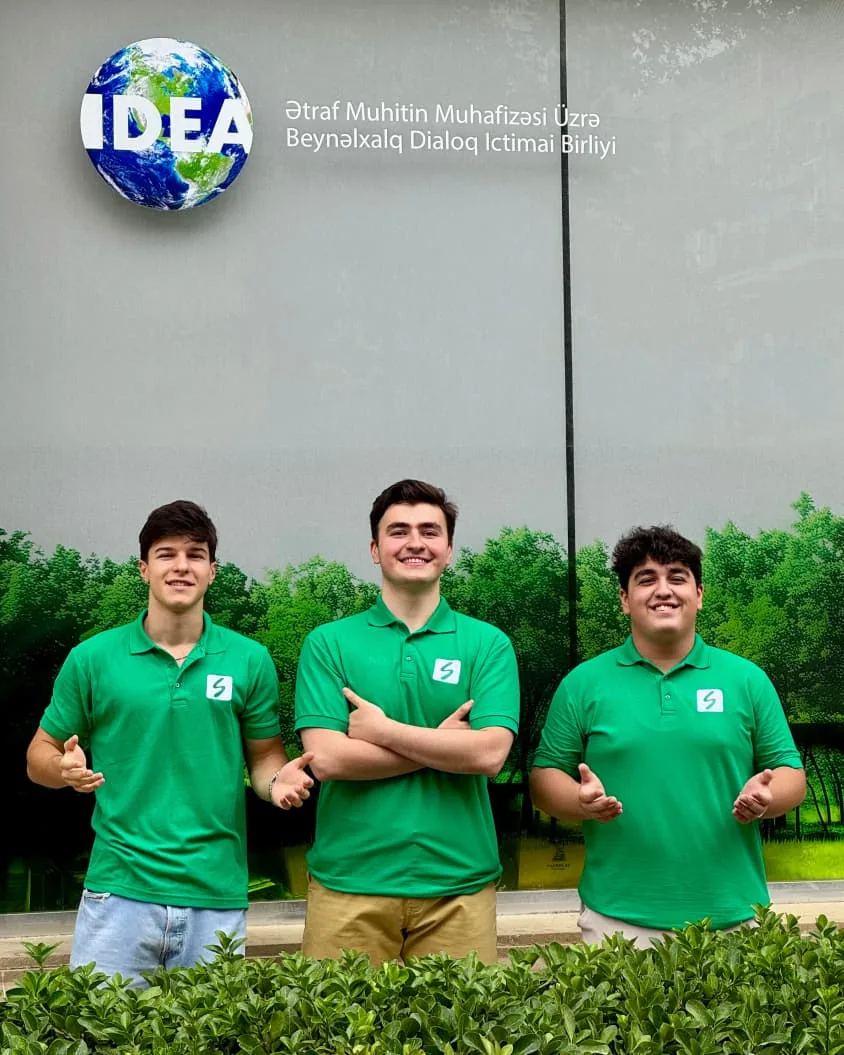
Ramil Taghiyev, City — Baku, CEO SnackPack, Mobile Developer, LinkedIn
How It All Started
SnackPack is a mobile application that allows users to access discounted offers from various bakeries, hotels, and restaurants during specific hours to prevent food waste. We collaborate with Marriott hotels, Hilton Baku, as well as local establishments.
The idea for the startup was born out of my interest in IT and my desire to create social projects. I always wanted to launch my own project that would be more than just a business but could bring real value to society.
We took our first steps in 2022 together with my older brother, Emil. We conducted dozens of interviews, speaking with both users and establishment owners. It was important for us to understand the real situation rather than rely on assumptions.
During our research, we recalled that the format of "axşam bazarı" (evening market) already existed, which essentially means selling food at reduced prices in the evening to prevent it from going to waste. We saw that the idea itself was in demand, but it was not presented online or scaled. That’s when the thought emerged to adapt this model into a mobile application.
Thus, SnackPack was born — a platform that allows users to receive discounted offers during specific hours at bakeries, restaurants, and hotels, while helping establishments reduce waste and attract new guests.
Launching the Startup
SnackPack is my first startup that has reached a certain level, and I can honestly say that I made almost every mistake possible along the way.
At the beginning, everything developed slowly. No one knew about us. Negotiations with establishments took a lot of time — we had to explain the concept, persuade, and build trust. At the same time, we needed to develop the app, test hypotheses, manage social media, and work with users.
Over time, the team began to grow. Javidan Bayramli joined to develop visual positioning and manage social media. Atakhan Ahmedov took responsibility for attracting and connecting new establishments to the platform.
Then Aydin Tahmseebi joined us — he also started working with establishments, strengthening the partnership direction and adding additional strength to the team in negotiations and operational work.
Together, we effectively develop SnackPack, scale the partnership network, and achieve our set goals.
Despite the slow start, we moved forward correctly. There were several pivots — we changed the model, adjusted positioning, and revised our approach to monetization. Each pivot made us stronger and brought us closer to a sustainable model.
Gradually, we began to build structure, and there was a clear understanding of areas of responsibility, priorities, and strategic focus.
I understand that it was this difficult and slow start that laid the foundation for current growth.
Target Audience
Our target audience consists of active people who love visiting cafes and restaurants but want to do so profitably and consciously. Primarily, these are students, young professionals, and families who value quality establishments but want to save money without compromising on quality.
SnackPack helps users get real discounts at their favorite places. As a result — savings for the client and more reasons to go out more often.
On the other hand, our partners are cafes and restaurants. For them, we are a platform for attracting new guests. They increase customer flow, enhance brand awareness, and reduce losses through more efficient use of resources. Additionally, the establishment positions itself as socially and environmentally responsible.
And the third important aspect is ecology. We help reduce the amount of food waste. Food that might not have been sold finds its consumer. This is a contribution to sustainable consumption and care for nature.
Incubation Programs
My journey in the startup ecosystem began in 2022 with the Azerbaijan Innovation Center SABAH.HUB. It was there that I received my first knowledge about startup terminology: what MVP, Ideal Customer Persona, unit economics, and MRR are. This was the foundation that helped us think not as developers but as entrepreneurs.
Initially, SnackPack was funded through our own resources. We invested our time and money into developing the MVP and testing hypotheses. Later, the project began to attract grant funding.
We won our first grant in April 2024 — from the Heydar Aliyev Foundation in collaboration with RIIB. We became winners in the "Social Project" category and received $3,000.
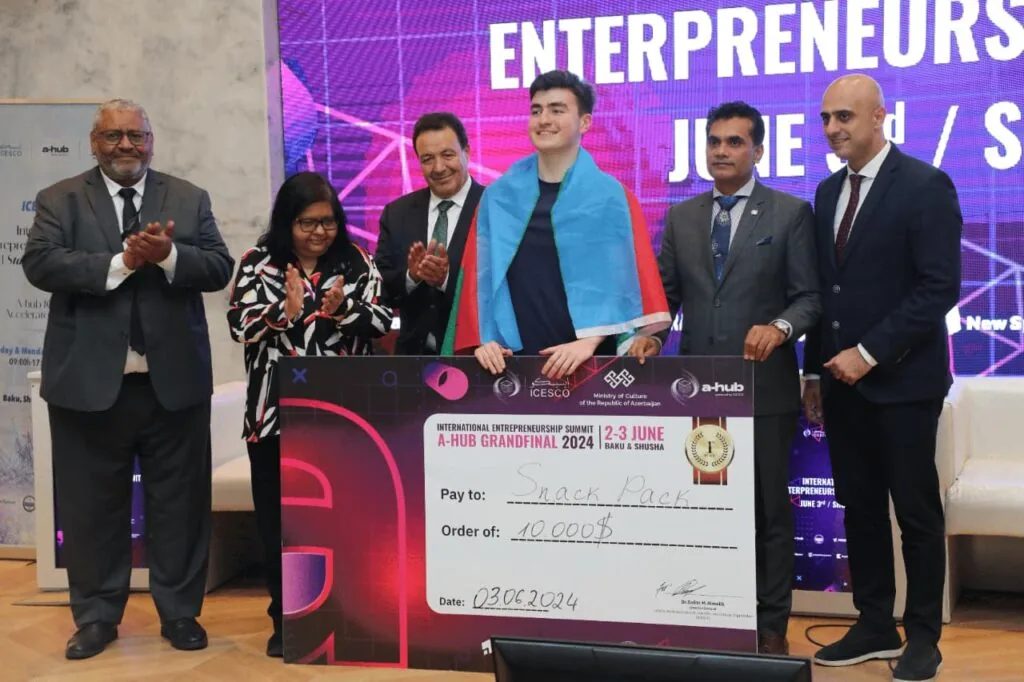
Then came an international competition organized by the Ministry of Culture of the Republic of Azerbaijan in collaboration with ICESCO. Startups from 11 countries participated, and we won a grant of $10,000.
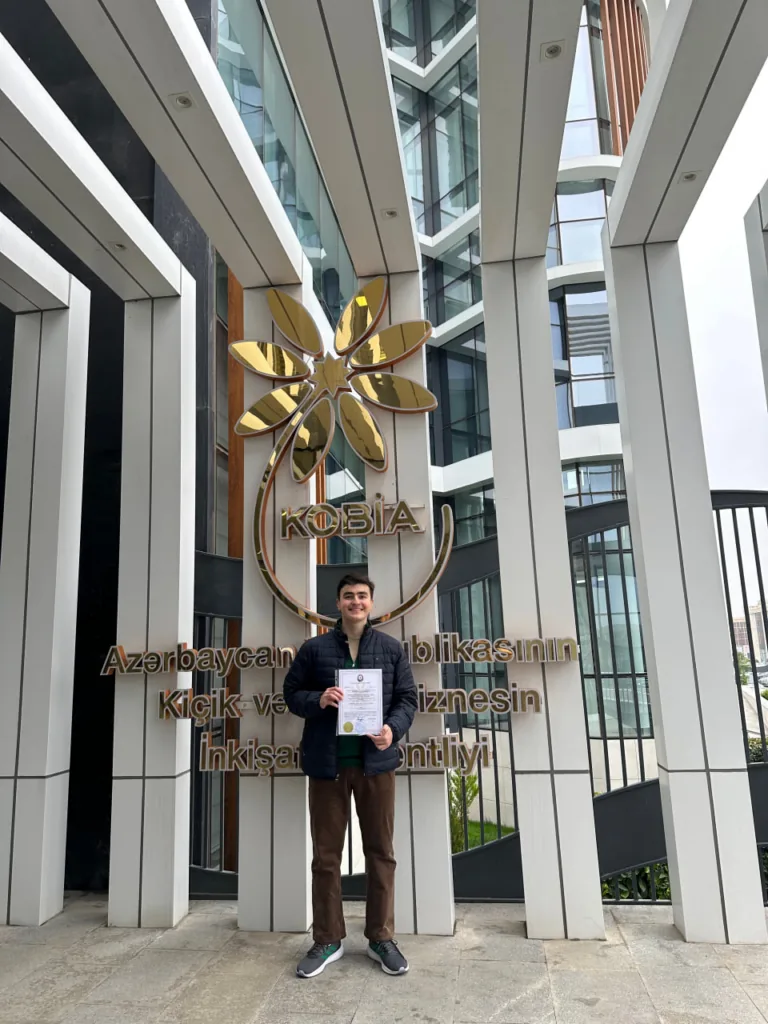
In December 2024, we received another grant from the state organization supporting small and medium businesses, KOBIA — also $10,000. Additionally, we received a startup certificate from KOBIA, which exempts the project from profit tax for three years.
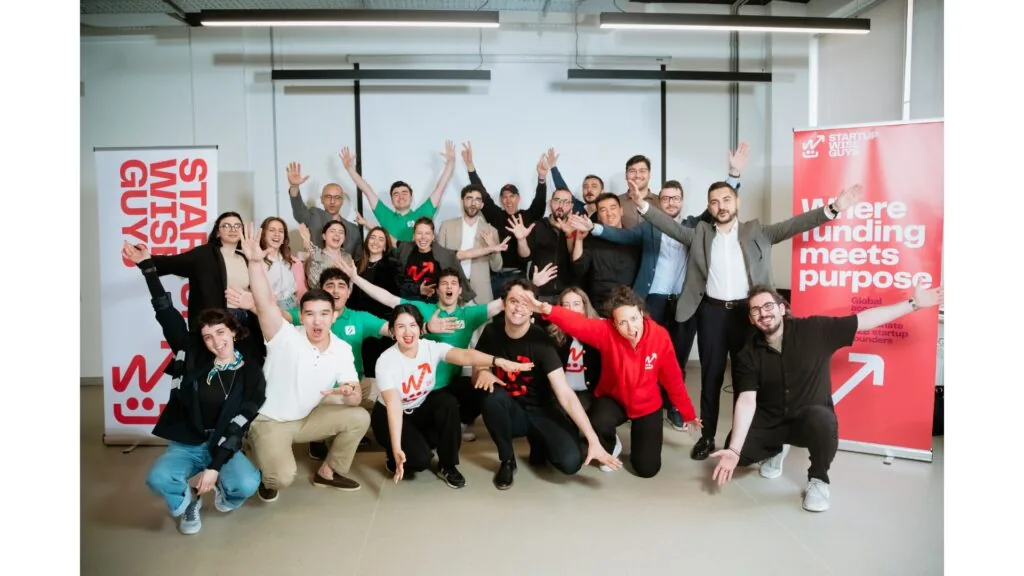
In early 2025, we were accepted into the Startup Wise Guys acceleration program — one of Europe's leading accelerators. As part of the program, we signed our first term sheet.
We also went through incubation at IT Park Uzbekistan as part of the Digital Startup Awards and received an investment of $10,000.
Today, we are participants in the flagship program of SABAH.HUB — Startups Support Program. This is a unique format without general lectures: work is done individually with each startup. The team analyzes current goals, problems, and metrics and helps build a growth strategy. The main task of the program is to increase traction and prepare the startup for the investment stage.
On Difficulties
One of the first challenges was trust. When you are a young founder and approach large establishments with a new model, people are cautious. It wasn't enough to just present the product; we had to explain why it could work. The first partnerships are always the hardest to secure.
The second challenge was limited resources. In the early stages, you are simultaneously the founder, developer, marketer, and sales manager. We needed to develop the app, conduct negotiations, manage social media, and support users. This was a serious challenge in terms of time and workload.
There were also moments when hypotheses did not pay off. We made changes to the model, tested different approaches to monetization. Not everything worked from the first time. But each such case gave us a new understanding of the market.
At the same time, I want to note a pleasant moment — we feel support from people. It is especially encouraging to see the attitude toward the project as a local startup. Many learn about us with interest, share information, and offer support. This gives us additional motivation.
If I were to give advice to aspiring entrepreneurs, it would be simple: don't wait for the perfect moment. Start with a minimum viable product, get to market faster, and talk to customers. The market is always more honest than any internal beliefs.
And secondly — don't be afraid to change direction. A pivot is not a defeat; it is a sign that you are learning.
Achievements
I would divide achievements into several areas.
First, product-related. We managed not just to create an app but to bring it to market and prove the viability of the model. Today, SnackPack has over 11,000 users and dozens of partners, including international brands and local establishments. This is the main indicator that the product is needed by the market.
Second, institutional achievements. We became residents of SABAH.HUB, went through international acceleration programs, including Startup Wise Guys and IT Park Uzbekistan, and received several grants from state and international organizations. We also received a startup certificate from KOBIA, which confirms the innovativeness of the project at the state level.
Third, strategic achievements. We managed to change the business model, test different hypotheses, and adapt to the market. We made several pivots along the way.
And perhaps the most important achievement is the formed team and partner trust.
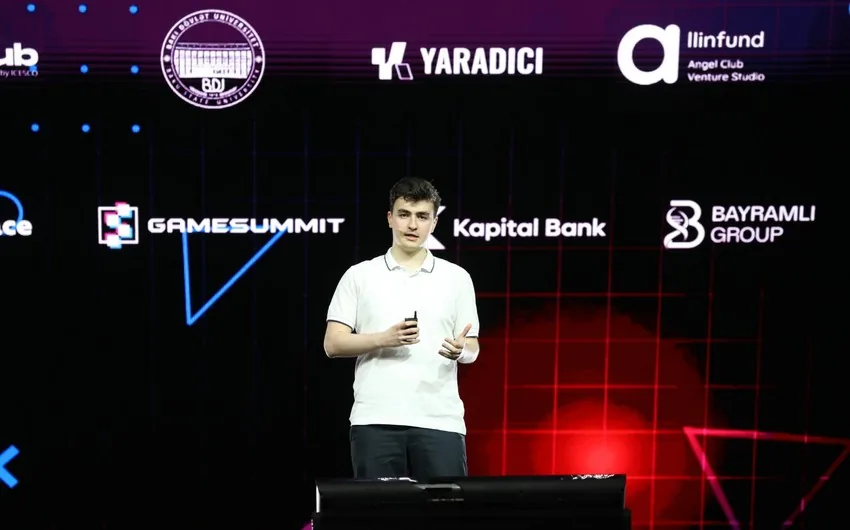
We are still at the beginning of the journey, but we have already proven that we can build a sustainable, socially significant, and scalable product.
Plans
This year, we have several key goals.
The first is scaling within the country. We plan to significantly increase the number of partner establishments not only in Baku but also in other cities of Azerbaijan. Our task is to ensure that anyone can contribute to reducing food waste simply by taking advantage of a favorable offer in the app.
The second goal is to strengthen the partner catalog through cooperation with large international networks that are in high demand among the audience. This will increase trust in the platform and enhance the value of the product for users.
The third direction is expanding categories. We plan to add supermarkets to the catalog. The issue of write-offs concerns not only ready-made dishes in restaurants but also products in retail that were not sold on time. This is a logical step for scaling our mission.
Strategically, as we achieve target KPIs for user and partner growth, we plan to attract investments for further expansion into the Central Asian market. We see potential for scaling the model in the region, where the problem of food waste and price sensitivity remain relevant.
Our goal is not just to grow quantitatively but to build a sustainable ecosystem of conscious consumption.
The Tech on Telegram Follow The Tech on Telegram
Keep up with the latest technology and startup news.
Related reading






More from this author

Article Useful
How to protect your accounts from hacking: 8 settings you should check today
The Tech

Article Useful
500 Global: How the Accelerator Works and Who Can Receive Investments
The Tech

Article Interviews
Game Development in Central Asia: Arkady Moldavski on Developing Reverb and the Growth of the Industry
The Tech

Article Useful
Google, Tesla, BlackRock, and the IMF: Where to Apply for an Internship in Fall 2026
The Tech

News IT
Tesla unveiled the flying electric car Roadster
The Tech

News IT
Intero Biosystems startup won the Startup Battlefield at TechCrunch Disrupt 2026
The Tech