ArtSkin — a startup that develops artificial skin for prosthetics
Discover how ArtSkin develops artificial skin for prosthetics that enable users to feel touch, pressure, and the temperature of objects.
The Tech AI
Get the key points in seconds - a short summary from The Tech AI.
Iliyas Jeentayev, CTO of the @artskin_project, is developing artificial skin for bionic prosthetics that conveys tactile sensations without surgical intervention. The project evolved from a hobby into a startup after participating in programs at the High Technologies Park of the Kyrgyz Republic and pre-acceleration. A team of five people is creating a flexible, sensitive surface with temperature sensors; the target audience is prosthetic manufacturers. In January, a prototype with 32 sensors is planned to be created, and a patent application will be submitted in the summer.
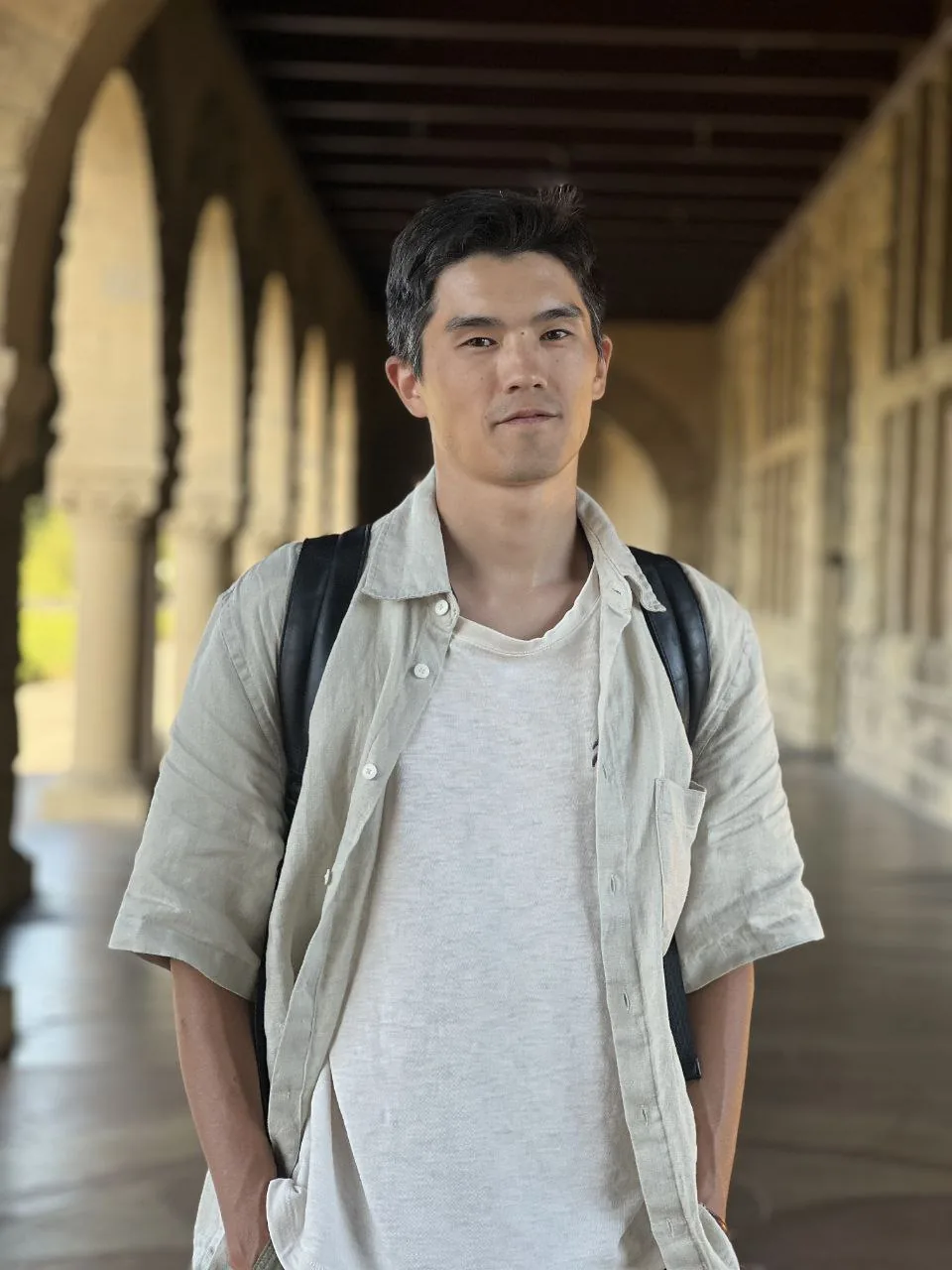
Ilyas Jeentayev, city — Bishkek, CTO, @artskin_project
How It All Started
My specialization is electronics, microelectronics, and semiconductor devices. Since childhood, I dreamed of creating robots, so I enrolled in the corresponding faculty, where I acquired the necessary knowledge. My first job involved a prototype of a robotic manipulator arm. I encountered a problem with grasping non-rigid objects—how to teach the robot to understand how much it needs to squeeze its gripper to secure the object. I developed a mechanism that overcomes material resistance and reliably grasps objects of different shapes, textures, and densities. It was a simple mechanism, but it helped me realize that this problem is relevant for robots. Then I started thinking about people who wear prosthetics and what they feel when controlling them, and whether they feel anything at all.
I studied how human skin, the nervous system, and receptors work to understand how to properly design a device for transmitting touch sensations, the signals of which the body would correctly perceive. This took more than three years because there is little information about skin structure. There is a general understanding of how nerve cells and tactile receptors work, but there are no detailed data on impulse formation or the parameters of signals transmitted to the human peripheral nervous system. While studying bionic prosthetics, I realized that they read signals from muscles located close to the skin to minimize interference, but they lack feedback.
Simple mechanical prosthetics operate on tendons, where muscles contract to form a grip. Bionic prosthetics read signals from muscles and convert them into movement, but they lack feedback. A human hand feels touch and pressure, and we always know the position of our hand, even with our eyes closed. The question is how a person with a prosthetic limb understands that they have grasped an object. I researched how this works from a mechanical perspective, but a person with a prosthetic limb lacks the sensation of grip. The brain learns to perceive it as an extension of the limb, but without feedback, control is incomplete. When using bionic prosthetics, people need visual control to understand what they have grasped. I built the first prototype with one sensor to test my hypothesis and tested it on myself.
The Team
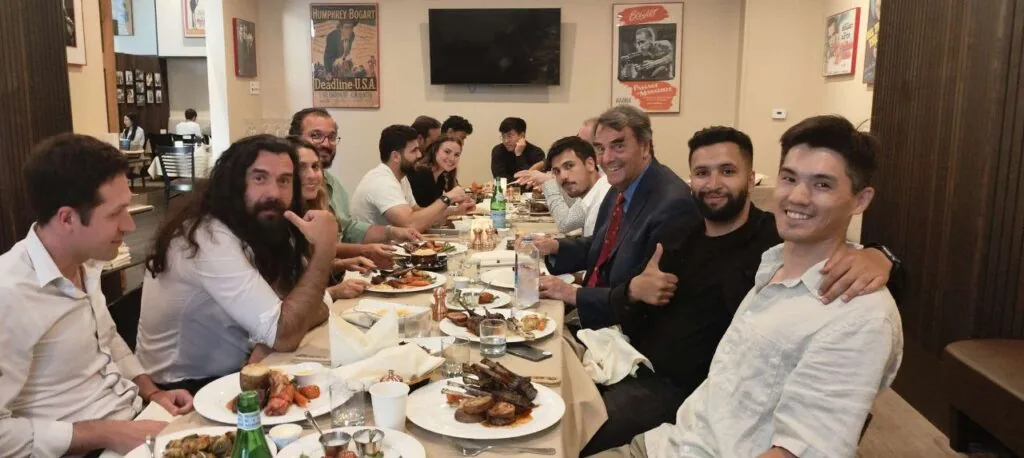
Until recently, I worked alone. I took the first step to turn my hobby into a project a year ago when I joined the High Technologies Park of the Kyrgyz Republic. There, I saw how people present their ideas and receive grants for development. At that time, I did not know what startups and grants were, nor was I familiar with this environment. I needed money to build a laboratory and improve conditions for research. I have a full-time job, and with my salary, I buy electronic components, order materials, and work on design.
Incubation Programs
I participated in two programs: Dive into Silicon Valley and Unicorn from KG.
The first time I flew as part of the Dive into Silicon Valley program, launched by the High Technologies Park of the Kyrgyz Republic. We were the first cohort to go to San Francisco. This was my first introduction to the startup world. I prepared, but as it turned out, my expectations differed greatly from reality.
In the very first week, I met Doszhan Zhusupov from Cerebra and Zhenish Zhykyppov from Apple, and later, I met a professor from Stanford, a neuroscientist, who also gave me valuable advice. I am lucky with the people I meet, and I try to learn from them.
During this trip, I realized that ArtSkin is not just a hobby, but a serious business that needs to be pursued and scaled. When asked, “Who is your team? Who are you doing this with?” I answered that I work alone. Another question was asked: “Why doesn’t this exist in America? Why do you, sitting in Kyrgyzstan, think your project will succeed?” These and other important questions made me think about my approach to the startup, building a team, and crafting my story.
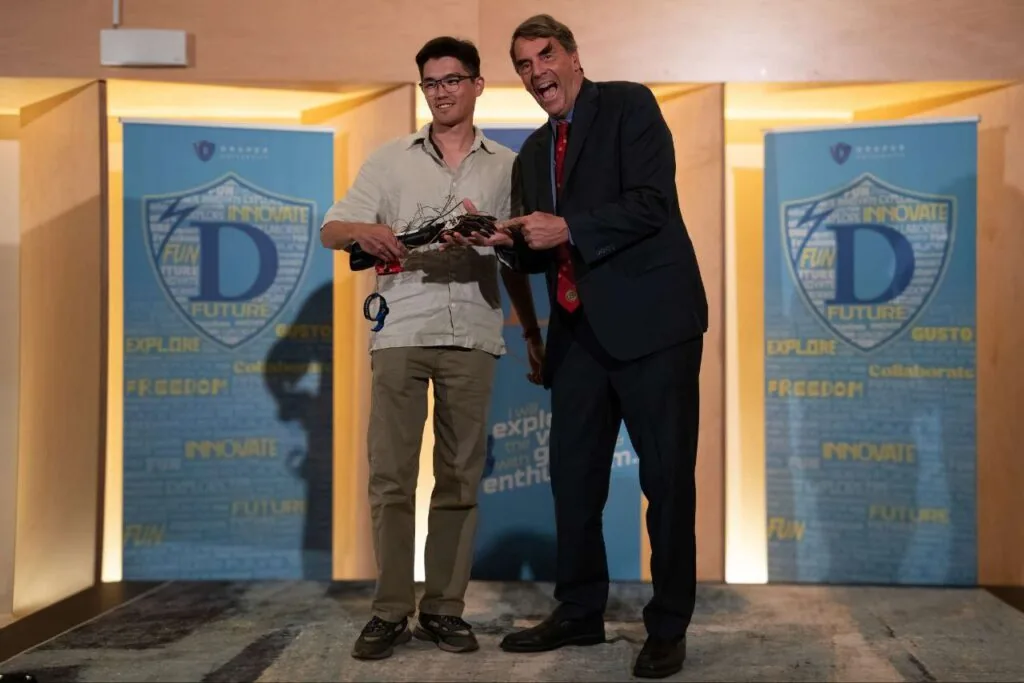
I did not know about the Unicorn from Kyrgyzstan program at the High Technologies Park, but I accidentally met Azis Abakirov, who came to a meeting for startup founders in Bishkek. He invited me to participate, even though I did not feel ready. I prepared and became a prize winner. Draper University Hero Training is a five-week program where startups prepare for the real world. We met many impressive people with diverse experiences. I embraced the culture of Silicon Valley and aspire to enter global acceleration programs.
After this trip, I was once again convinced of the importance of building a team, both internal and external culture, and how crucial it is to meet people and not be afraid to ask for and seek help. Currently, we have a 3D designer—designer, software, and hardware engineers, and we are in the process of creating a laboratory at the High Technologies Park. The five-person team works well, but I lack someone from the business sector.
Target Audience
The target audience for the project is companies that produce bionic prosthetics. The idea is to create artificial skin that will be applied to the prosthetic and transmit touch sensations, just like our natural skin does. Bionic prosthetics lack feedback, and artificial skin will allow the user to feel touch, pressure, and temperature.
My goal is to develop a technology suitable for any type of upper and lower limb prosthetics. We are designing a flexible sensitive surface with built-in temperature sensors. This will be a unified technical solution that adapts to different types and structures of skin.
The main difference in my approach is that I stimulate tactile receptors, which are considered part of the human peripheral nervous system. This eliminates the need for surgical intervention. I tested this technology on myself and am confident that over time, a person will be able to perceive the surface of the prosthetic as an extension of their own skin.
There is already an oral agreement with a prosthetic company from Almaty, and I am working to ensure that the sensitive surface is flexible and can transmit accurate information. It is important to start testing and observe reactions to improve the product.
Challenges
I worked on the project at home, and the main difficulty lay in design due to a lack of information about skin structure. Skin is individual for each person; there are different types, and we need to create a model that adapts to any type. For example, some people have thicker skin, while others have more sensitive skin. Therefore, it is important to make the model not only unified but also adaptable to different types of skin and prosthetics.
The main challenge is the lack of precise data on how skin is structured. For example, how the sensation of a light touch is transmitted through nerve endings. I read a lot of information, but it is all general—touch, signal amplitude from 0 to 150 millivolts, and frequencies from 30 to 150 hertz. There are no precise data for normal modeling, so this will have to be done through trial and error, making clinical trials important for building the model.
Achievements
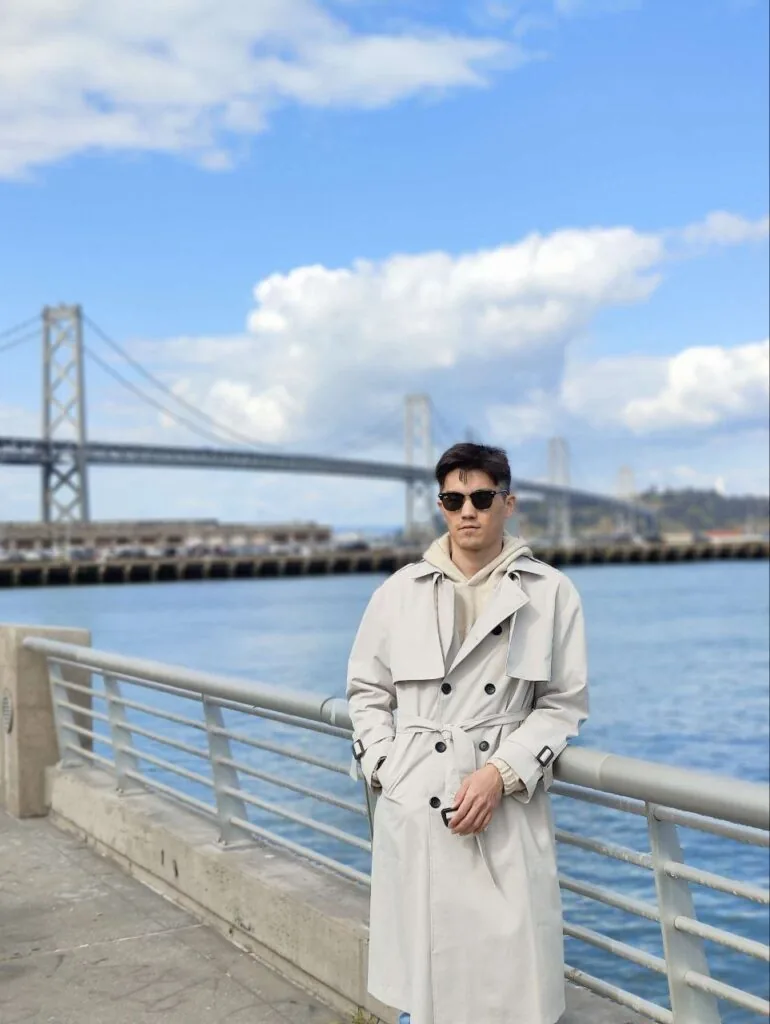
Completing pre-acceleration programs was useful, as I only started working on the startup a year ago. I learned a lot and currently understand how to develop the project.
One of the main achievements is building the team. I would like to meet with surgeon Sultan Tukeshov, who, five years ago, was the first in Kyrgyzstan to begin installing bionic prosthetics for patients. I think he could become an important member of our team, and I hope we will be able to discuss potential cooperation.
Plans
In January of next year, I want to develop a flexible prototype with 32 sensors made of elastic material. It will operate on a principle similar to human skin, including the transmission of object temperature. I recreated a bionic prosthetic from the company HackBerry and bought electronics. If I had made just a surface, it would have been difficult to understand its purpose and how to use it, so I upgraded the prosthetic to modern bionic standards with a scheme for reading signals from muscles and converting them into gripping movement. The sensor currently only responds to human touch, but I want it to be able to touch any object and accurately transmit the depth of touch value. My goal is to implement this in January. Next summer, I want to apply for a patent.
I would like to go through an acceleration program and receive investment for the startup to pay the team’s salaries—this is important because the guys are working on enthusiasm.
I would like to separately thank the High Technologies Park of the Kyrgyz Republic. I was a participant in their programs twice, and the difference between before and after is simply colossal—I think I have grown significantly. I am grateful to everyone I met. I am always open to dialogue and ready to help in any way I can.
The Tech on Telegram Follow The Tech on Telegram
Keep up with the latest technology and startup news.
Related reading






More from this author

Article Useful
How to protect your accounts from hacking: 8 settings you should check today
The Tech

Article Useful
500 Global: How the Accelerator Works and Who Can Receive Investments
The Tech

Article Interviews
Game Development in Central Asia: Arkady Moldavski on Developing Reverb and the Growth of the Industry
The Tech

Article Useful
Google, Tesla, BlackRock, and the IMF: Where to Apply for an Internship in Fall 2026
The Tech

News IT
Tesla unveiled the flying electric car Roadster
The Tech

News IT
Intero Biosystems startup won the Startup Battlefield at TechCrunch Disrupt 2026
The Tech