AkylAI — the first AI assistant in the Kyrgyz language
The founders of the startup AkylAI shared how they created the first AI assistant in the Kyrgyz language. Read more in our article.
The Tech AI
Get the key points in seconds - a short summary from The Tech AI.
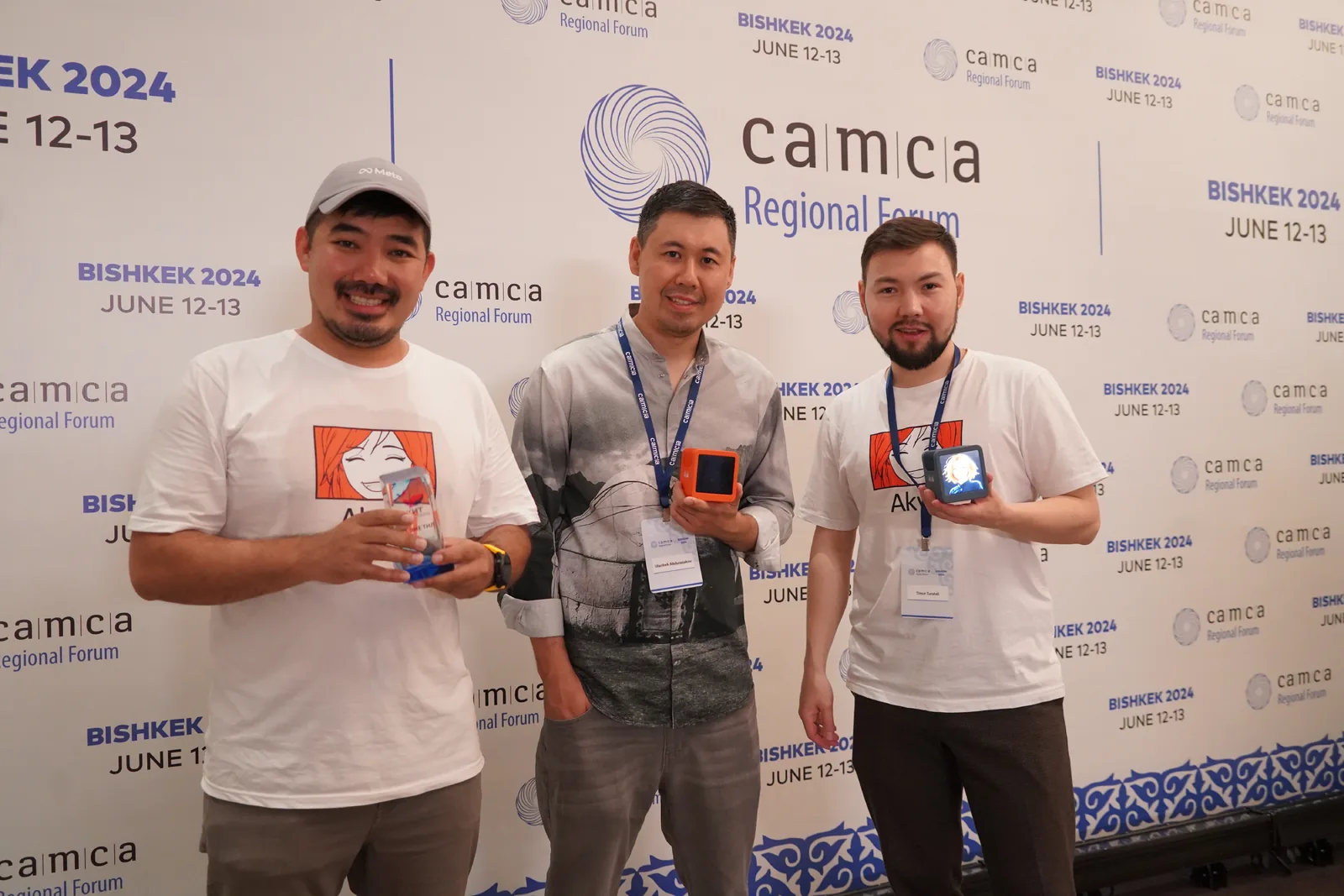
The founders of AkylAI from Bishkek are Timur Turatali, Nursultan Bakashev, and Ulan Abdurazakov. In May 2023, they assembled a corpus of 300 million words for training an LLM based on Llama. In January 2024, the team began developing the hardware for a device with a Kyrgyz voice.
Timur Turatali, Nursultan Bakashev, Ulan Abdurazakov, city — Bishkek, founders of AkylAI
How it all began
We started working together in 2022. AkylAI has three founders: Ulan Abdurazakov, Timur Turatali, and Nursultan Bakashev. Initially, we simply conducted our own courses on Data Science and machine learning. We also founded the AI community of Kyrgyzstan. This is a community of specialists working in artificial intelligence, around which we organized various courses.
Last year, we came up with the idea that the digital world is developing, and with the advent of ChatGPT, everything changed significantly. At that time, ChatGPT did not know the Kyrgyz language, so we decided to build a language corpus—a collection of words and texts for training the model.
We began working on the corpus in May 2023, and within three months, we collected more than 300 million Kyrgyz words. We were helped by partners, including the High Technologies Park of the Kyrgyz Republic, the Kyrgyz-Turkish University Manas, and the Kyrgyz State Technical University.
The Team
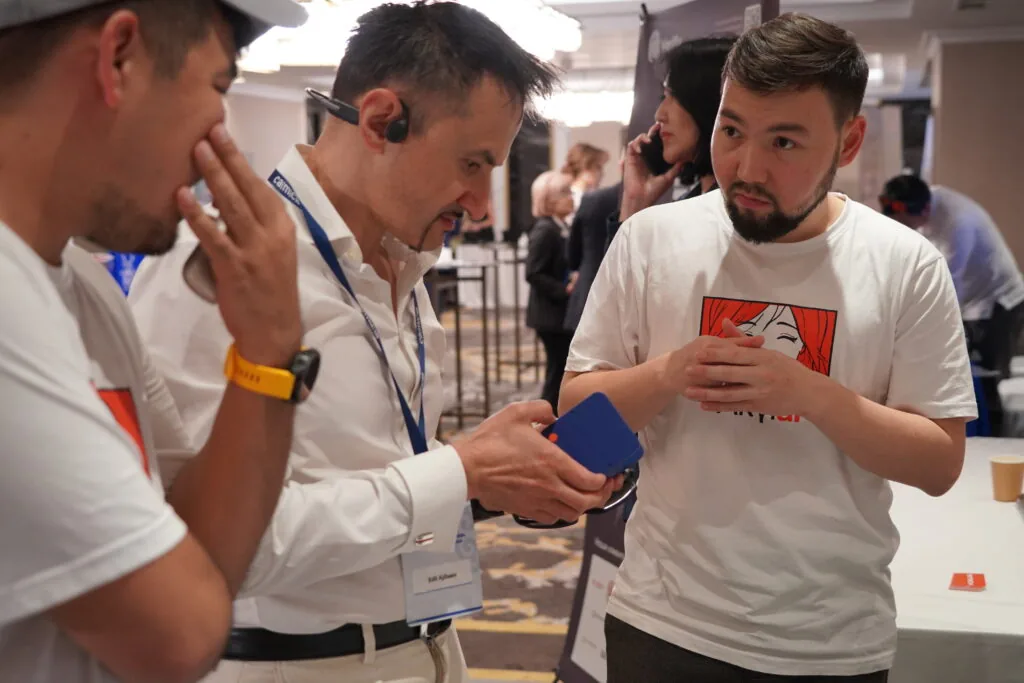
After collecting the first corpus, we decided to create an LLM in Kyrgyz based on Llama. In August 2023, we released the first beta version of AkylAI. It was a website with a chatbot that responded to queries in the Kyrgyz language. Initially, we thought we would stop there.
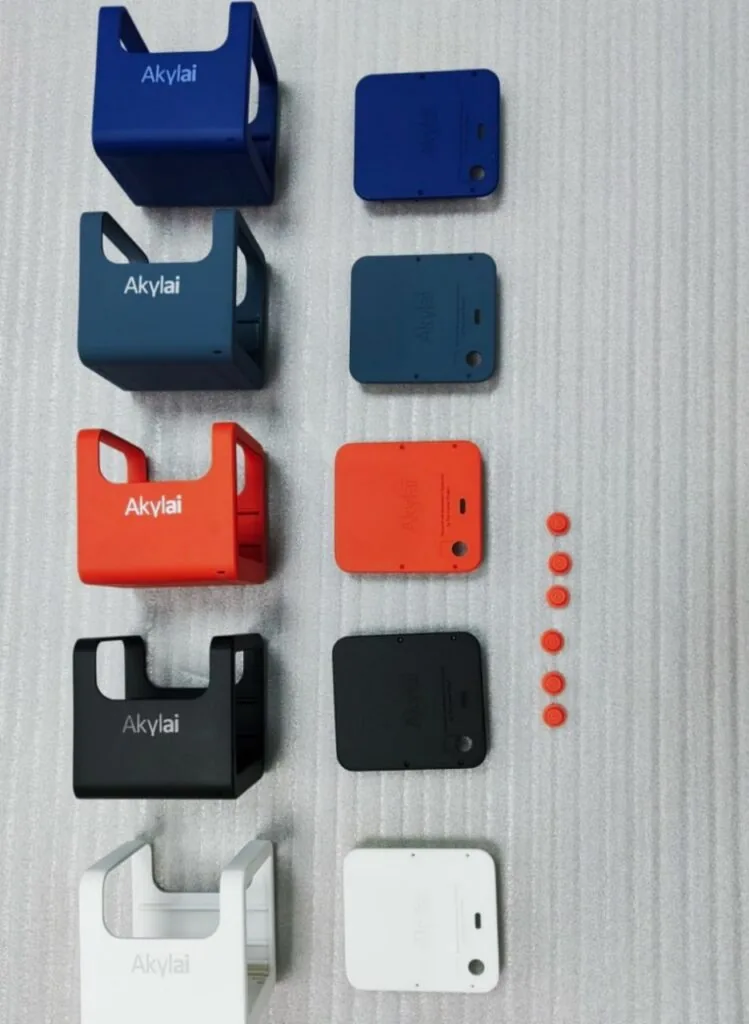
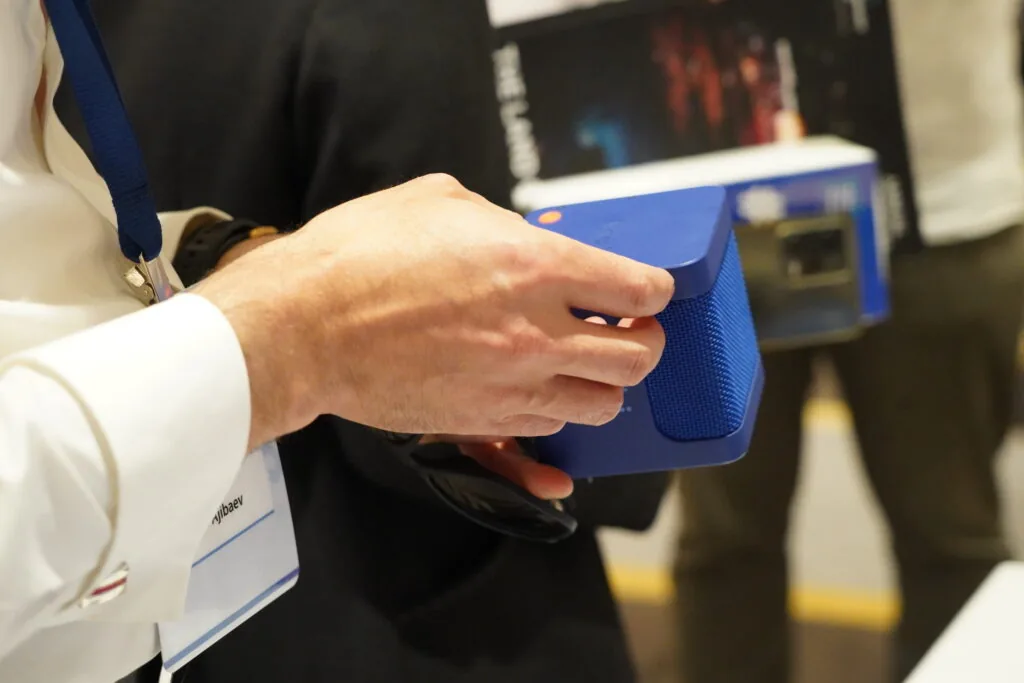
We thought for a long time about how to develop the project further. We noticed that "Alice" columns had become popular and decided to create our own column. In this, we received strong support from the High Technologies Park, which suggested completing the AkylAI project and then packaging it into a device. ChatGPT already knows Kyrgyz and solves many issues. But the idea of creating a home device with which you can communicate appealed to us.
We started working on the hardware part in January 2024. First, we assembled the team. The first person we found was an industrial designer—Oleg Steel Drake Yarmakov, who began working on design and prototyping. We also found an electronics engineer, Egor Garauschenko, who can assemble a circuit board for the device.
One of the most difficult tasks was to make the model speak Kyrgyz. This language was not initially supported, so we started from scratch. To train the model, we recorded more than 24 hours of text with an actress in the studio. At first, the voice sounded accented, but by April, we were able to achieve the desired quality.
We made the voice available in open source to support the community and programmers. Now, anyone who wants to can take this voice and code and use it for their own purposes.
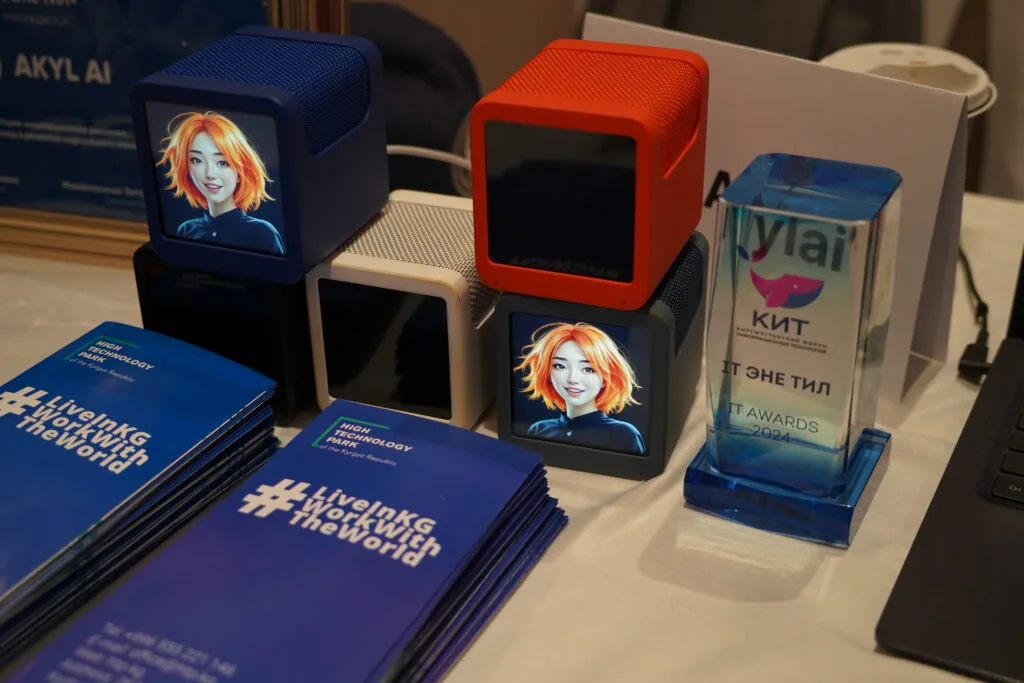
In June, we presented the first five prototypes that can speak and answer questions. There is still a lot of work to do, but for us, the important thing is the first step—when nothing was clear and difficult, but we managed to overcome it.
Target Audience
We have a web version with 15,000 users. It is free and allows communication and solving tasks in the Kyrgyz language. In the future, we see AkylAI not just as a home assistant, but as a true companion and friend who is always ready to listen and give advice. Something like a psychologist or therapist.
Incubation Programs
In May 2024, we participated in the American accelerator Launch by Founder University of Jason Calacanis. There, we presented the project with an emphasis on mental health and the AI Buddy. We are undergoing acceleration and preparing for the demo day in August.
Last year, we participated in the Unicorn from KG program by the High Technologies Park, which provided us with initial funding. As part of it, we underwent a month-long training at Draper University.
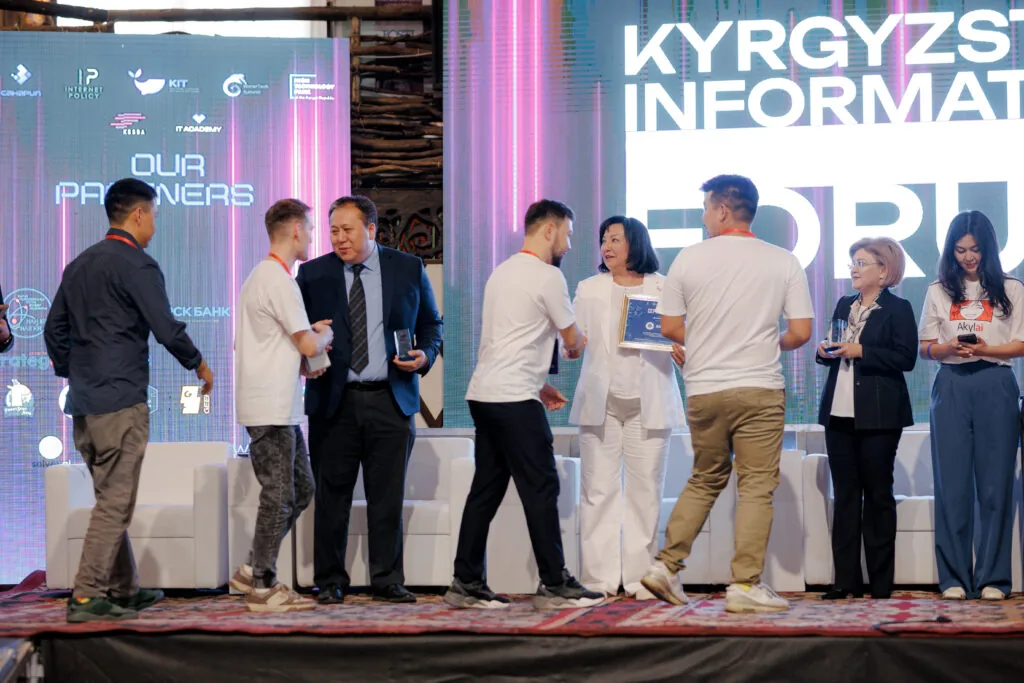
The High Technologies Park believed in us even more than we believed in ourselves. They supported us not only financially but also morally. We also want to thank the European Bank for Reconstruction and Development, EBRD. We participated in their Star Venture program and became winners. We thank all partners who helped us and believed in our project. This is not the work of one person, but the work of our entire team.
Difficulties
Training AI models is always an uncertain endeavor. You never know what result you will get, which means stress. This was the case with the "Voice." We trained it three or four times to achieve a good level.
The second problem was the modular part, electronics. We manufactured everything ourselves but ordered components from China. We had issues with a module from Israel, where there were logistical difficulties. We had to reorder it through China.
There were problems with the hardware—loading the model into the column so that it would work. For assembling the first model, we had enough personnel, but now we need more experienced and qualified specialists.
To understand the scale: Amazon spent on its Alexa, according to various estimates, between $20 and $43 billion, while "Alice," according to various estimates, cost approximately $20 million. Most of these costs likely went to human capital.
The key skill of a startup founder is the ability to live in uncertainty, when nothing is clear, and you don't know if the product will succeed. Learn to accept and enjoy this state. It is important not to fear uncertainty and to find opportunities within it. The hardest part is taking the first step.
Achievements
We consider the creation of the first Kyrgyz voice assistant to be our victory. This is a significant achievement not only for us but for the entire country. The project was bold, interesting, and complex. Not everyone dares to do such a thing.
We completed the Launch acceleration. It is great that we, people from Central Asia, can create cool ideas for the whole world, even while being here. The main thing is to remove mental barriers.
Plans
We plan to enter the American market by the end of this year. This is important because we need investments and financial resources. In Central Asia, few are willing to provide the necessary amount of funds, and the market here is much smaller. In the US, there are more opportunities.
We have already presented our American product and created an MVP, which is being tested by a focus group. Our goal is to attract more users and simultaneously refine the column. By the end of the year, we will complete work on the column, making it a product ready for manufacturing in factories.
I wish startup founders to be bold, move forward, and try. Fail and fail again until you succeed.
The Tech on Telegram Follow The Tech on Telegram
Keep up with the latest technology and startup news.
Related reading






More from this author

Article Useful
How to protect your accounts from hacking: 8 settings you should check today
The Tech

Article Useful
500 Global: How the Accelerator Works and Who Can Receive Investments
The Tech

Article Interviews
Game Development in Central Asia: Arkady Moldavski on Developing Reverb and the Growth of the Industry
The Tech

Article Useful
Google, Tesla, BlackRock, and the IMF: Where to Apply for an Internship in Fall 2026
The Tech

News IT
Tesla unveiled the flying electric car Roadster
The Tech

News IT
Intero Biosystems startup won the Startup Battlefield at TechCrunch Disrupt 2026
The Tech