AI is a brain! Artificial intelligence is definitely a yes, but don't forget about IQ.
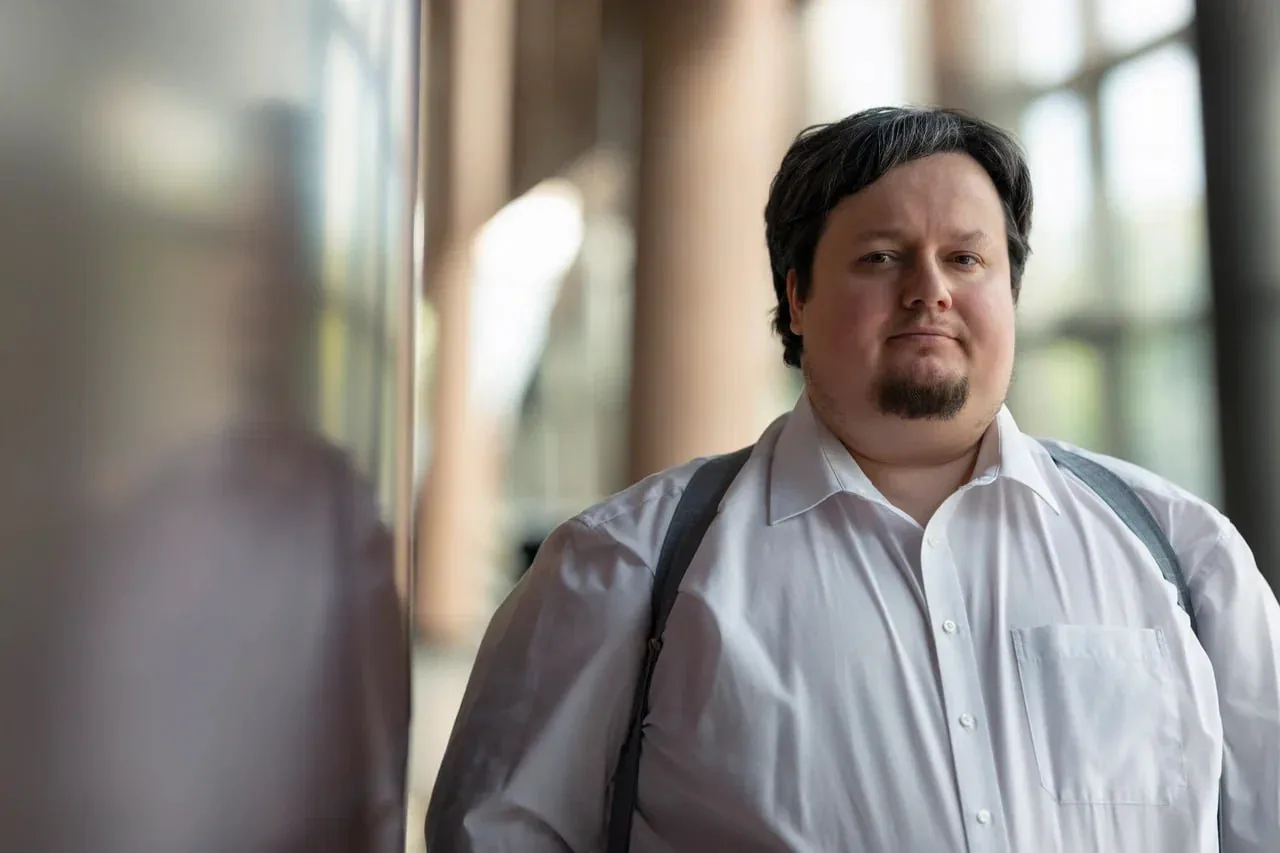
Our author, Evgeny Pitolin, explained how artificial intelligence is changing the way we perceive information and why critical thinking remains more important than ever.
Author - Mansur Ismagulov
The Tech AI
Get the key points in seconds - a short summary from The Tech AI.
Evgeny Pitolin, Managing Director of DataStar from Almaty, notes that AI has become an indispensable assistant for users due to its speed and convenience. However, automation creates risks: deepfakes are being used by malicious actors for manipulation and blackmail, as seen in the case of fake videos issued in the name of akims. The expert warns that the development of technology requires maintaining critical thinking to protect against threats.
Evgeny Pitolin, city — Almaty, Managing Director of DataStar, Co-Chair of the Information Security Committee at Qaztech Alliance
Today, artificial intelligence is like a new iPhone in the world of ideas. Everyone is discussing it, trying it out, and believing in miracles. Neural networks for voiceovers, video generators, copywriting assistants — how did we live without these before? Certainly, no one will give this up now. Because for the average user, AI is a friend in the best sense of the word. It writes. It thinks. It creates. It helps. And what are we doing?
I just have to ask…
Many have already replaced Google with ChatGPT. Because why open a million tabs if you can just ask? Previously, we analyzed information. We searched for headlines, articles, sources. We even doubted. And now? We get a single answer, and that's it. Check it? Why? The main thing is speed.
Ordinary users live in the digital world on the principle of "here and now." They care about speed, convenience, and aesthetics. And artificial intelligence handles this task excellently. It responds instantly, presents information beautifully, and solves tasks in seconds.
But if we look a bit ahead. What seems convenient today may become a vulnerability tomorrow. Everything we so thoughtlessly automate may one day fall into the hands of attackers. And then everything that was done for comfort will turn into problems — data leaks, forgeries, hacks.
Have we already faced this?
The Art of Deception
Not long ago, a fake video spread online purportedly from the mayors, containing a call to participate in protests. Suppose a person with professional experience in information security could identify the forgery — by facial expressions, voice, editing.
But we have no statistics on how many ordinary people actually believed it was an official address. And this is truly dangerous. Because today a fake is just a video in the feed, but tomorrow it could be a real threat.
There are many such provocative videos. An insane amount. And it's still possible to notice the trick. By the sound that doesn't match lip movements or just by inner intuition. But this is temporary. In 10 years, will we be able to recognize deepfakes? This is a problem and a big question.
In the hands of scammers, deepfakes are not just a joke, but a tool of pressure, manipulation, and even blackmail. And if AI creates fakes faster and better than any human, we must think about how to protect ourselves in this new world.
AI in good hands is power. In bad hands — it's a threat
It's important to understand: artificial intelligence itself is neither bad nor good. Everything depends on who uses it. For a specialist who wants to save time, eliminate routine, and improve skills — AI is truly an invaluable assistant. It will suggest ideas, speed up work, edit text, or generate designs. This is convenient and effective.
But if that same power falls into the hands of a scammer, hacker, or manipulator — we will face a problem. Imagine: a neural network creates fake news, deepfake videos, fake negotiations, forged documents, and fake identities. And the world is no longer the same. We can no longer trust our eyes, ears, or voice messages from a boss or friend. Everything needs to be verified.
The more intellectual work we delegate to machines, the less we use our natural intelligence. That very intelligence that distinguishes us from a button. And what will happen if we forget how to doubt, verify, analyze, and think critically?
The question is one — are we developing our human intelligence enough to handle what we have created?
The Tech on Telegram Follow The Tech on Telegram
Keep up with the latest technology and startup news.
Related reading







More from this author

News
zypl.ai begins operations in Japan and focuses on next-generation risk models
Mansur Ismagulov

News
Elon Musk's net worth has exceeded $700 billion for the first time
Mansur Ismagulov

Article Interviews
"Central Asian countries should build a joint ecosystem," — Bekhzod Ismoilov on the development of AI in the region
Mansur Ismagulov

Article Interviews
Bloom's Taxonomy and Engineering Levels: A Practical Growth Model
Mansur Ismagulov

Article Useful
How the IT industry in Azerbaijan developed in 2025: key events
Mansur Ismagulov

News
Tajikistan has become a new member of the regional innovation alliance Central Asian Innovation Hubs.
Mansur Ismagulov