WomenInTech. Stories of women who are changing the IT industry in Kazakhstan and Uzbekistan
Inspiring stories of women in Central Asia in the WomenInTech section — about the power of education and new opportunities.
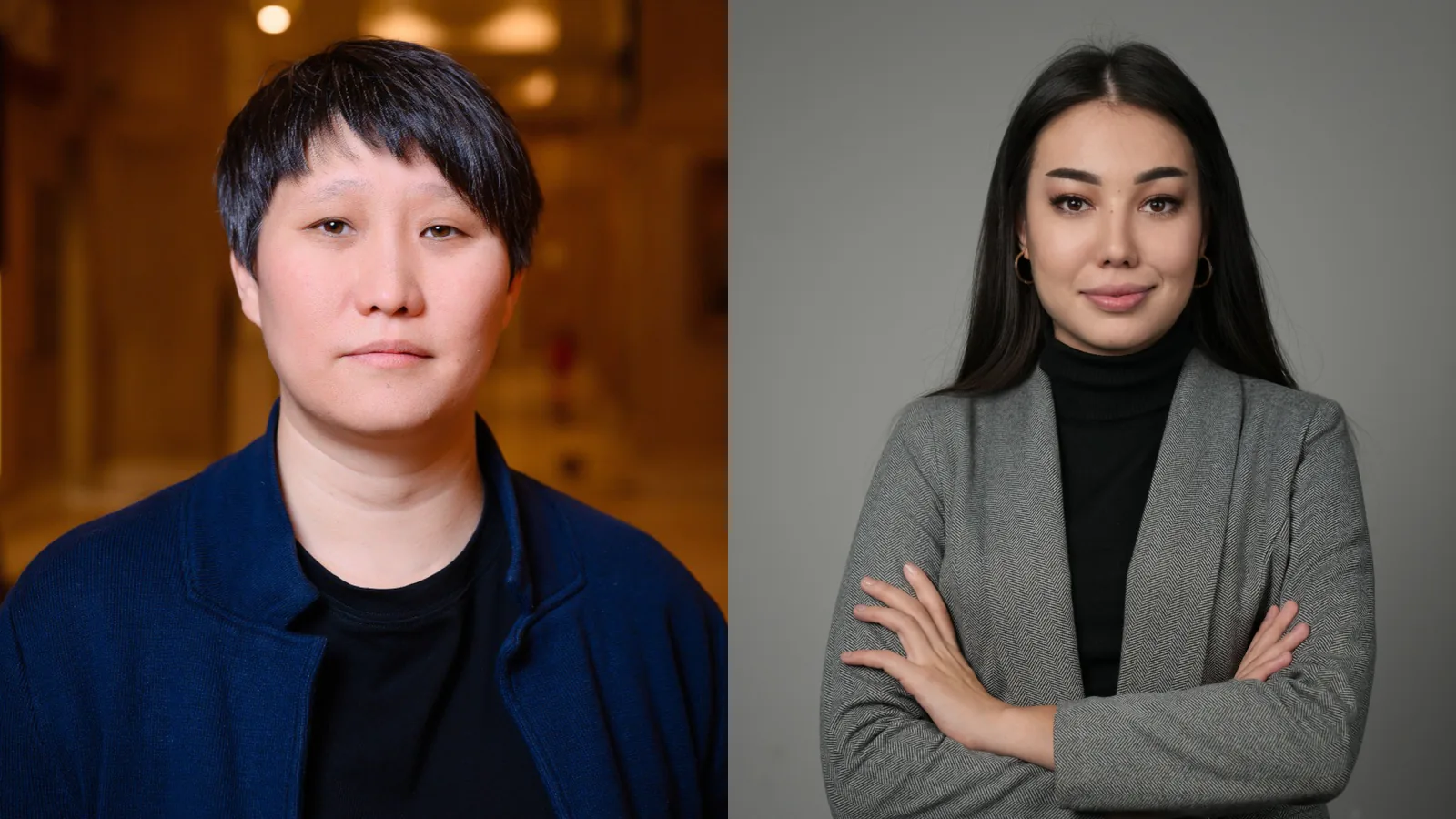
Assel Marchenko, city — Almaty, Chief Technology Officer, Deputy Chairman of the Board of JSC “NPK NBRK”, LinkedIn
About Me
I am the Deputy Chairman of the Board of the National Payment Corporation under the National Bank of Kazakhstan. I serve as Acting CTO/CIO: I am responsible for the entire IT infrastructure — data centers, equipment fleet, processes, regulations, services, and business continuity assurance.
We are building a national digital financial infrastructure: interbank clearing and settlements, digital identification, a certification authority, a SWIFT service bureau, payment cards, mobile interbank transfers, a unified QR code, and we are also implementing innovative projects such as an anti-fraud center, the digital tenge, and others.
Outside of work, I am an ambassador for Women TechMakers by Google and an organizer of Google Developers Group Almaty — I participate in the development of the IT community and support for women in this field.
Last year, I swam across the Bosphorus and received the title of cross-continental swimmer, and in 2025, I became a laureate of the Best CIO award by K-Tech Summit. I love science fiction, swimming, and hiking.
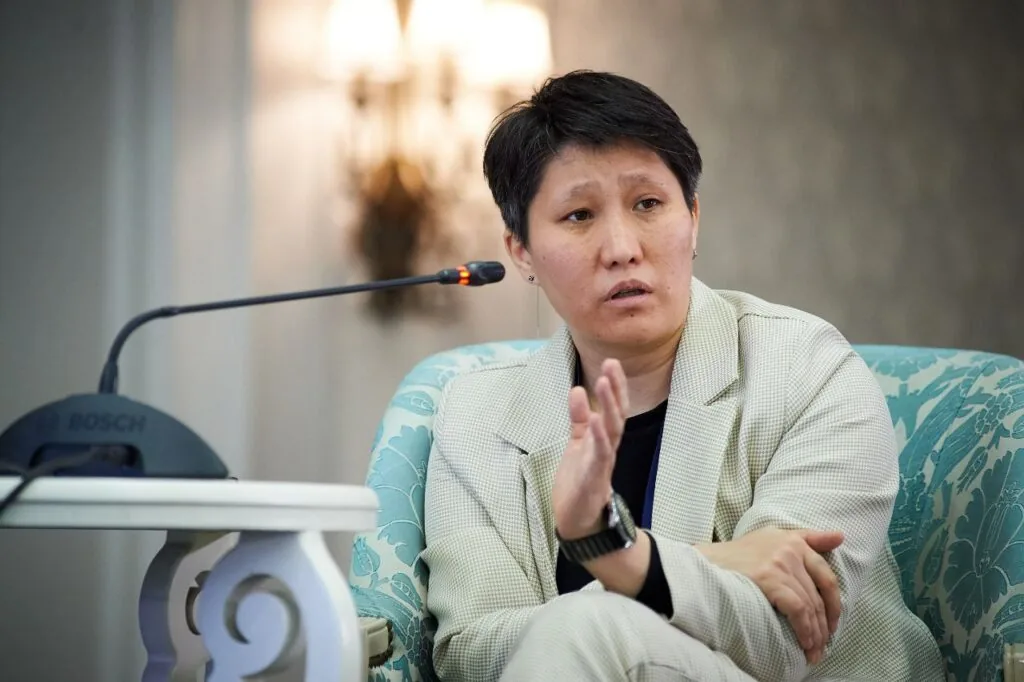
How I entered the IT profession
I started my career in a commercial bank in the early 2000s as an IT call center operator. Then I worked as a specialist for end-of-day processing and support. After that, I spent about seven years in backend development at various financial organizations, while simultaneously leading small teams.
About 10 years ago, I became the head of the development department, then led the IT department, later took on the position of Managing Director for IT, and now I am CTO. Each new role added responsibility: managing people, budgets, strategy, and risks.
Despite having more than 25 years of experience, I continue to learn. Currently, I am studying for an Executive MBA at KIMEP to strengthen my strategic management skills in a rapidly changing world.
In the early 2000s, when I entered IT, this field was not considered trendy. I was interested in technology, so I took programming courses and quickly adapted: I took computers apart and put them back together, flashed the BIOS, installed operating systems, and wrote programs. This brought me joy — and that is how it all began.
At that time, IT in organizations was considered merely a support department that did not generate revenue. Much has changed since then: today, IT is an important part of any company, capable not only of significantly reducing operating costs but also of increasing revenue. IT has become an integral and mandatory element of business, without which it is impossible to operate effectively in modern realities.

About Stereotypes
In the first 15 years of working in IT departments, I was often the only woman on the team. Although I did not face open discrimination, I sometimes felt that my ideas were met with less trust or that I was expected to play the role of an “assistant” rather than a leader.
Luckily, I had colleagues and managers who supported me, provided opportunities, and mentored me. Today, the situation is gradually changing: there are more women in the industry, and there is more openness and equal opportunity. Nevertheless, much remains to be done — it is important to work on changing culture, hiring approaches, and the perception of women in IT.
Barriers for Women in IT
One of the most common difficulties is a lack of self-confidence and fear of “not being good enough.” There are studies confirming that women are less likely to apply for jobs if they do not meet all the requirements stated in the job posting, whereas men are more likely to believe they can successfully learn or compensate for gaps. For example, the study “Gender Differences in Response to Requirements in Job Adverts” showed that men are willing to apply for a job when they meet approximately 52.1% of the requirements, while women apply when they meet about 55.7%.
Another factor is family responsibilities. Women often spend more time and resources on household chores and childcare, and maternity leave often means a forced pause or a slowdown in career growth. As a result, this can create a vicious cycle where it becomes harder to catch up after a break.
Therefore, it is extremely important for society and organizations to create supportive conditions: flexible schedules, return-to-work programs after leave, mentorship, and a culture of openness. All of this helps overcome barriers and build more equal opportunities for women in IT.

Recommendations for Those Just Starting Their Path
1. Dream big and plan specifically. Determine what you want to achieve in one year, three years, five years — set clear goals and steps on how to achieve them.
2. Keep learning. Master new technologies, languages, and tools — this will make you a flexible and in-demand specialist. Also develop soft skills: communication, time management, leadership, and teamwork.
3. Do not be afraid to step out of your comfort zone. Take on a project even if it seems like you are slightly underqualified — learn by doing, try new things.
4. Seek support and mentorship. A good mentor can advise on how to avoid mistakes and develop faster.
5. Build a network. Participate in professional communities, events, and experience sharing — this often opens up unexpected opportunities.
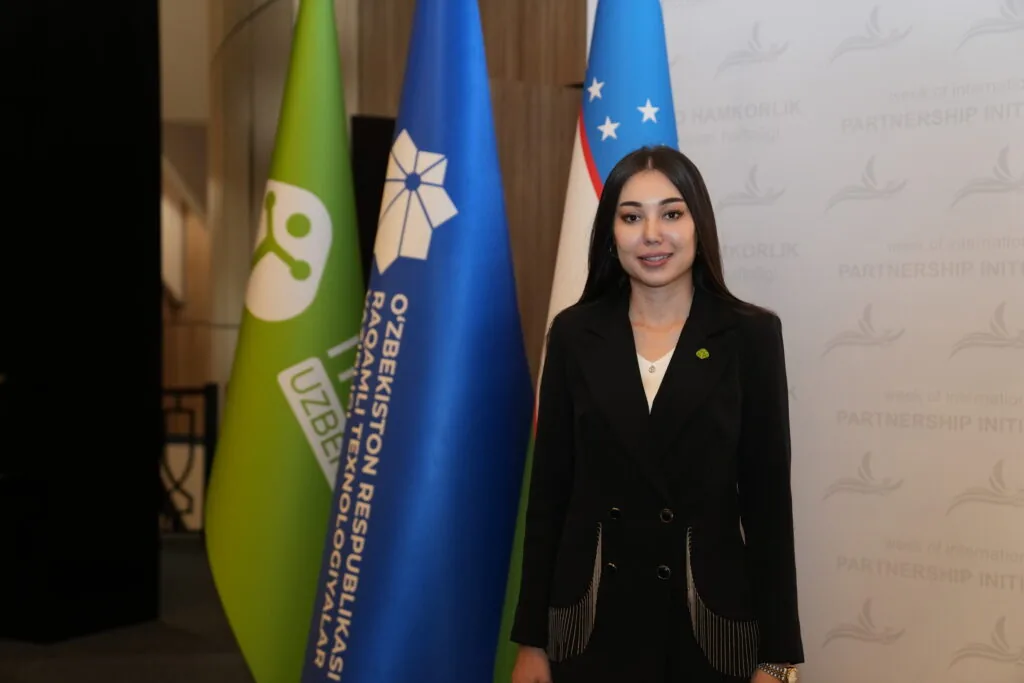
Komolakhon Ruzmetova, city — Tashkent, Head of Event Department at IT Park Uzbekistan, LinkedIn
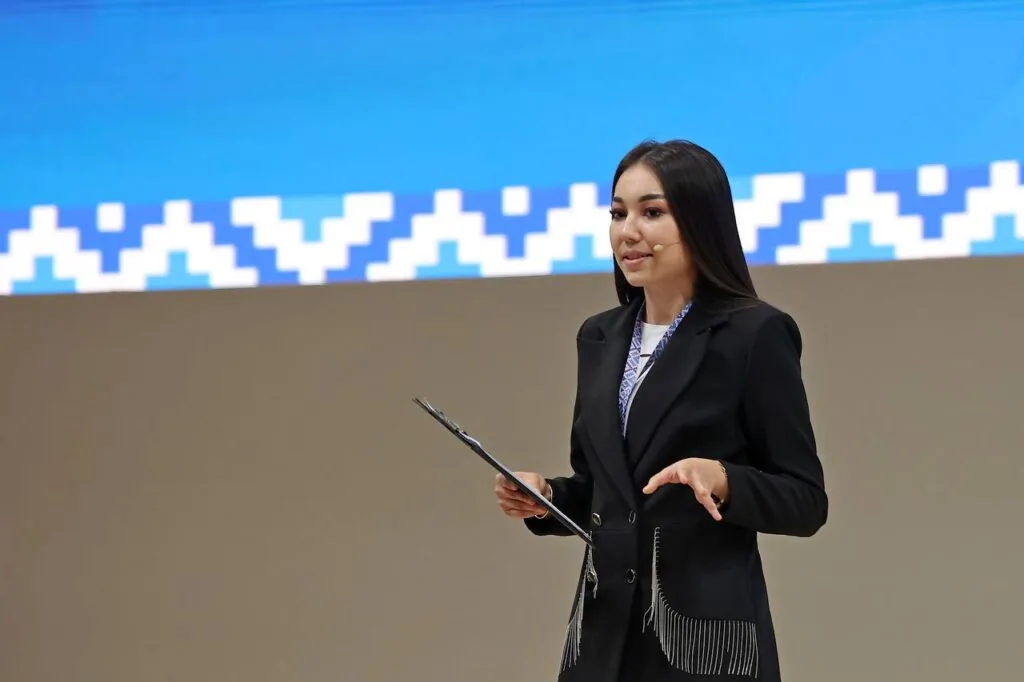
About Me
I lead the Event Management Department at IT Park Uzbekistan. I have been working in this organization for over five years, and my main task is organizing large-scale national and international events that develop Uzbekistan’s IT ecosystem and promote it on the global stage.
Under my leadership, more than 50 large-scale events have taken place: ICT WEEK Uzbekistan, Global Business Services Forum, Offshore Outsourcing Tour, Digital Leadership Forum, “Growth Point,” and many others, as well as international forums and world-class conferences — IV World Conference on Creative Economy, M360 Eurasia, UN Public Service Forum, and others. In addition, I coordinated the holding of sports tournaments among IT companies. All official IT events in the country, including meetings with international delegations and participation of the country’s top officials, took place with my direct involvement and coordination.
I also founded the IT Market platform, including a Telegram channel with over 13,000 subscribers, and stood at the origins of creating IT Community Uzbekistan together with Shavkat Karimov.
For me, every project is not just an event, but an opportunity to showcase our country’s potential, give young companies and specialists new opportunities, and bring Uzbekistan even more recognition on the international stage.
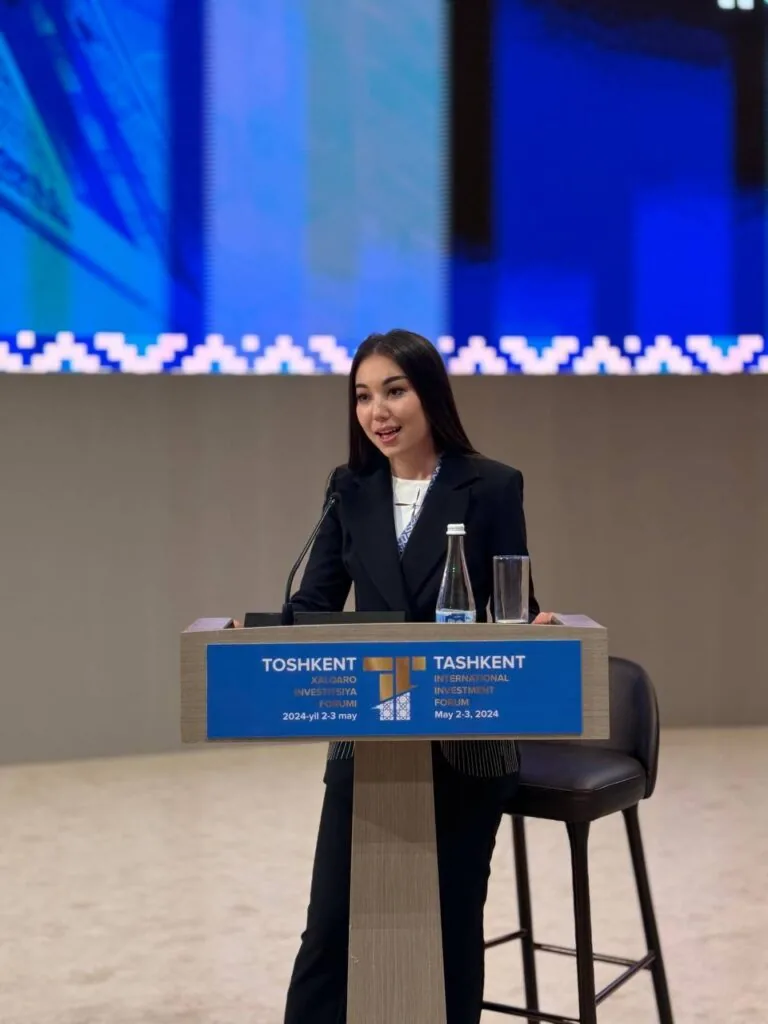
How I entered the IT profession
My path began in 2020, when I was studying at Uzbek State University of World Languages. The university offered an internship at IT Park Uzbekistan, and from the entire group of students, only my classmate and I were chosen. That is how I first found myself in the IT ecosystem.
Initially, I was an intern in the Startup Ecosystem Development Department and worked on project management. I worked on initiatives such as the IT-Tadbirkor course, the E-commerce program, the Gamedev Goethe incubator, the Covid-19 Challenge competition, the Coursera in Uzbekistan program, the Bir Jamoa Ideaton project, and the FirstStepUp conference.
Later, I was hired as a Resident Registration Manager: I analyzed business plans, maintained databases, and supported the process of obtaining tax benefits and preferences. Then I moved to working with residents — supporting companies, helping them enter the domestic and international markets, organizing meetings with investors, as well as presentations and lectures at universities.
Each stage provided new skills — from document flow and analytics to networking and international coordination. Eventually, I headed the Event Management Department and today create large-scale platforms that shape our country’s image in the IT sector.
About Stereotypes
In Central Asia, girls are taught from an early age that their main goal is family and marriage. I agree: family is the foundation. But I am convinced that every girl should receive an education and develop, because it is women who raise the next generation. An educated woman means a strong family and a strong society.
I sincerely admire women who balance career and family. In February 2025, I got married myself and am preparing for maternity leave. But at the same time, I am proud that I continue to lead the department and implement large projects, not stopping work after starting a family. Of course, without the support of my parents and husband, this would have been impossible. It is thanks to their understanding and help that I maintain a balance between personal life and career.
Barriers for Women in IT
My work is more related to organizing processes than to the technical side, so I did not encounter difficulties specifically with IT skills. The main challenge for me lay in my character: I am responsible and perfectionistic, always wanting every event to go perfectly. But organizing events involves many people and factors, and not everything depends solely on you.
Sometimes this was incredibly difficult, but I coped thanks to persistence, strength of spirit, and the support of my family and IT Park management. Mentors guided me, my parents supported me morally, and I learned to trust the team and find a balance between the pursuit of perfection and reality.
Recommendations for Those Just Starting Their Path
My main advice is to start as early as possible. From a young age, participate in volunteer projects, internships, and events. This is not only valuable experience but also huge networking.
At IT Park, I created my own volunteer group: young people help us at forums and conferences and get a unique opportunity to meet industry leaders. Among them are even schoolchildren who show incredible activity. One bright example is a girl who started with us as a volunteer and then became part of our team.
At the beginning of your path, do not focus on salary. Experience, contacts, and skills are much more important. If you show initiative and energy, you will definitely be noticed, and doors will open for you on their own.
The Tech on Telegram Follow The Tech on Telegram
Keep up with the latest technology and startup news.
Related reading



More from this author

Article Useful
How to protect your accounts from hacking: 8 settings you should check today
The Tech

Article Useful
500 Global: How the Accelerator Works and Who Can Receive Investments
The Tech

Article Interviews
Game Development in Central Asia: Arkady Moldavski on Developing Reverb and the Growth of the Industry
The Tech

Article Useful
Google, Tesla, BlackRock, and the IMF: Where to Apply for an Internship in Fall 2026
The Tech

News IT
Tesla unveiled the flying electric car Roadster
The Tech

News IT
Intero Biosystems startup won the Startup Battlefield at TechCrunch Disrupt 2026
The Tech