WomenInTech. Women from Astana and Baku on their personal journey in IT, stereotypes, and professional growth
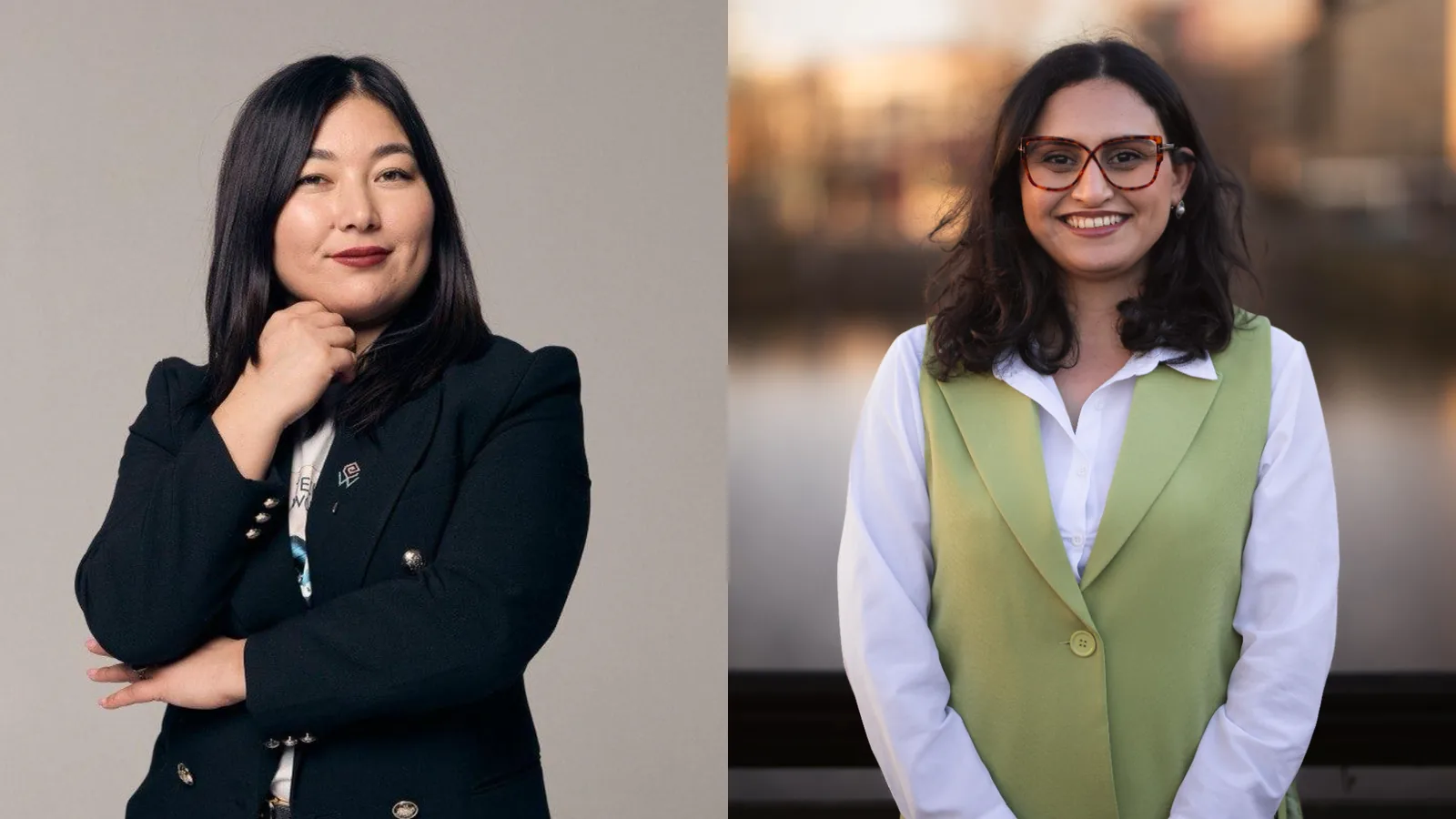
Two stories from IT specialists share a common path — transitioning into the technology sector through different professional backgrounds, overcoming stereotypes, and finding their role in the industry. Read the full interview in our article.
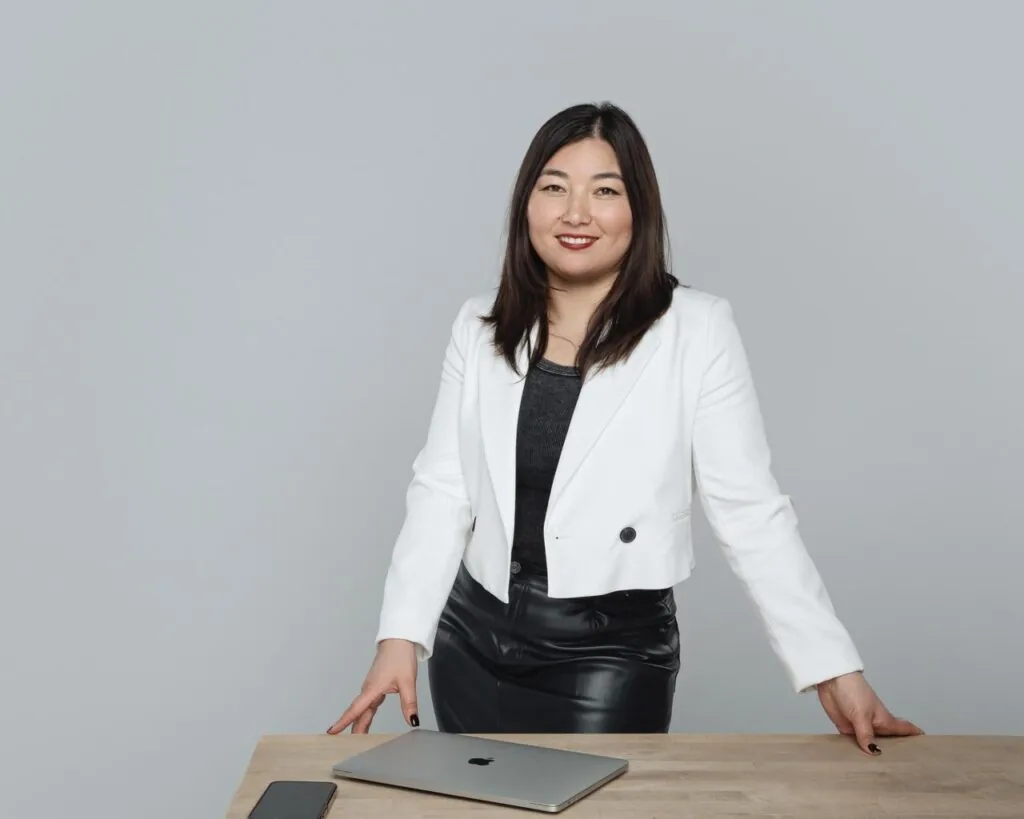
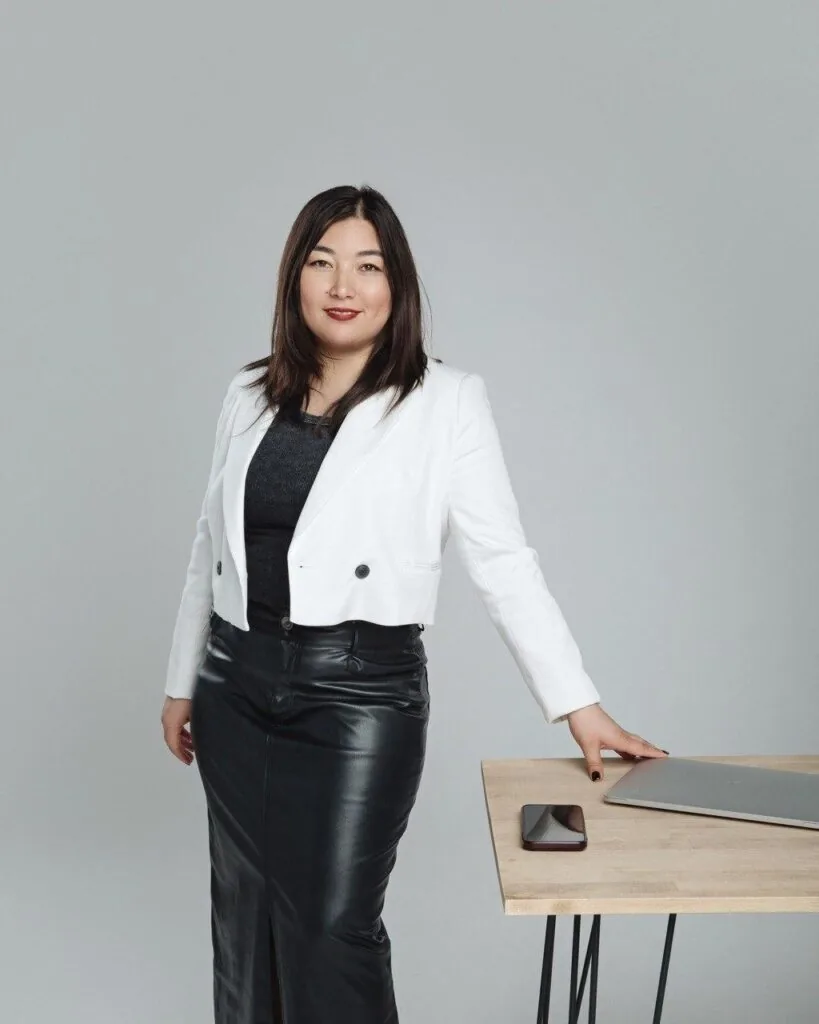
Aliya Orazymbetova, city — Astana, CEO of the media platform She Innovator Eurasia, LinkedIn
About Me
I work at the intersection of technology, media, and social initiatives. Currently, I am the CEO of the media platform She Innovator Eurasia, author of the CyberBala project, co-founder of AI PR Studio Ozgeshe, and a board member of the NGO Technowomen, which highlights women in technology, business, and creative industries in the region.
I also develop educational and social projects in the fields of AI, digital literacy, and cybersecurity for a broad audience. My goal is to make technology more understandable and accessible, especially for women and young professionals in Central Asia.
My journey began in the humanities — I have a degree in philology, where I studied German and Chinese. For a long time, I worked in communications, PR, and international projects.
Later, I transitioned into the digital space: first through media and SMM, then into more complex projects at the intersection of technology, education, and social initiatives. Over time, I began working with AI tools and launching my own projects.
Each stage was a logical continuation of the previous one — from language and communications to technology and systemic products.
How I entered the IT profession
I entered IT not through traditional development, but through communications and product thinking.
Initially, I was interested in how technology affects people and society. Then I began to study AI tools, digital products, and ecosystems more deeply. At some point, it became clear that technology is not a separate industry, but an infrastructure in which all spheres now exist.
Thus, I gradually found myself in the IT environment, first as a user and communicator, and then as a project creator.
About stereotypes
One of the most common stereotypes is that a woman in technology must either be a "technical specialist with a classic IT education" or remain solely in the role of communications and PR.
Additionally, women in leadership positions in the tech environment are sometimes underestimated, especially in the region.
But over time, I realized that the best response to stereotypes is results. When you have working projects, partnerships, and real influence, arguments become unnecessary.
Barriers for women in IT
One of the most common stereotypes is that a woman in technology must either be a "technical specialist with a classic IT education" or remain solely in the role of communications and PR.
Additionally, women in leadership positions in the tech environment are sometimes underestimated, especially in the region.
But over time, I realized that the best response to stereotypes is results. When you have working projects, partnerships, and real influence, arguments become unnecessary.
Recommendations for those just starting their journey
- Do not limit yourself to one role or one industry. Careers today are becoming hybrid.
- Learn to work with technology, even if you are not a technical specialist. AI and digital skills are now basic literacy.
- Build an international mindset: look at how industries are structured outside your own market.
- And most importantly — do not wait for the perfect level of readiness. Careers today are built through action, not through waiting.
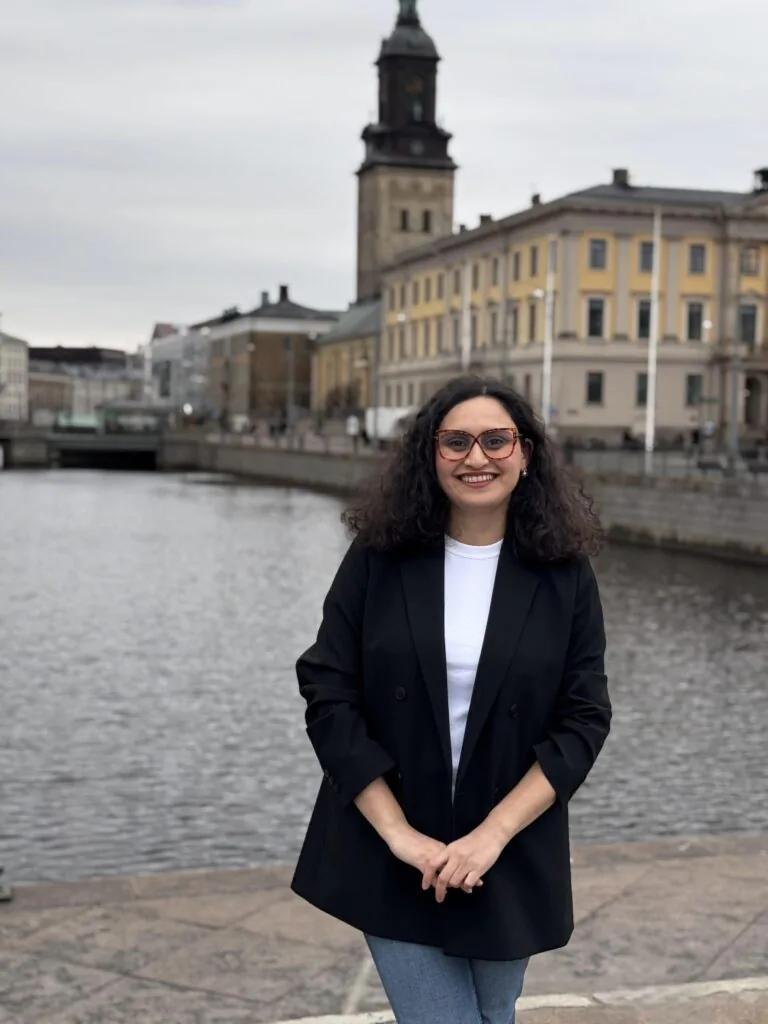
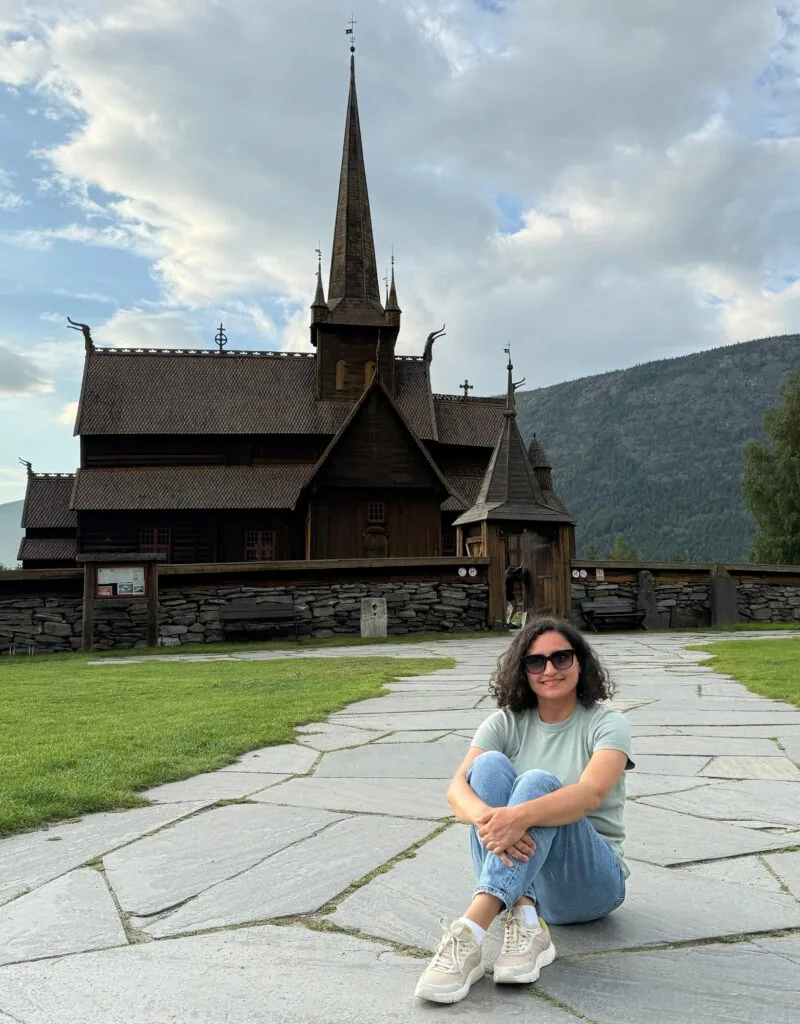
Lamiya Yagublu, city — Gothenburg, Software developer consultant, LinkedIn
About Me
I am from Azerbaijan, but I have been living and working in Sweden for the last 10 years. I work as a software developer at Codic Consulting, and currently serve as a consultant at Jeppesen ForeFlight. My responsibilities include developing software for products related to crew scheduling and flight planning.
My career in IT began shortly before graduating from university, when I joined Ericsson as a software developer. I worked there for about six years and had the opportunity to grow in different roles — not only as a developer, but also as a product owner.
After six years in telecommunications, I felt the need for change. I decided to step out of my comfort zone, expand my skills, and try myself in another industry. Thus, I became a consultant at Jeppesen ForeFlight — which became a new and interesting stage in my career.
How I entered the IT profession
My path into IT was winding. I graduated from the Faculty of Pedagogy with a major in Mathematics and Informatics and worked as a teacher for about a year. However, I realized that teaching was not a career I wanted to pursue long-term.
I always wanted to gain experience studying for a master's degree abroad. This desire coincided with the decision to continue my education in computer science. I enrolled at Chalmers University of Technology in Sweden and received a scholarship. This completely changed my career path and opened doors to the IT industry.
About stereotypes
For me, the challenge was simply to imagine myself as a developer. When I decided to change careers and go abroad to study computer science, people around me said: "You already have a good job for a woman," "Teaching is one of the best professions for women," or "IT is too difficult." This pressure frightened me; I feared failure and judgment. I was afraid to hear: "We told you so." Changing my mindset and career was scary, but it was even scarier to let others dictate my future.
Barriers for women in IT
Even today, women in IT remain underrepresented. There are many reasons for this. First, not all girls have access from childhood to an environment where they can become familiar with technology. Second, stereotypes still exist that IT is a "not female" profession, which causes many to not even consider this field as a possible path.
For example, in one of my projects, I was the only woman on a team of ten people. To help change the situation, I volunteered at the non-profit organization Kodcentrum, where we encouraged children to learn programming. I hoped to inspire schoolgirls to consider IT as a future profession through my example.
I believe I was lucky to work in Sweden: here, more attention is paid to equal opportunities and a supportive culture. I did not encounter obvious stereotypes at work, but I heard stories about how women had to constantly prove their competence.
Another problem is that sometimes women are offered less favorable conditions compared to men with similar qualifications. This may be related to the fact that women often underestimate their experience and skills.
In my case, I tried to consciously resist this and not agree to conditions that did not match my knowledge and experience. This helped me feel more confident and move forward in my career.
Recommendations for those just starting their journey
Above all, believe in yourself. Self-respect and confidence are key qualities. Stereotypes will always exist, but they should not define you. Move forward, learn, and love what you do.
Do not be afraid to start from scratch, even if you are already an experienced specialist and find yourself a beginner in a new environment. You never start from a complete zero — your previous experience always helps.
Also, do not be afraid to ask questions and look "foolish." You are not required to know everything — questions and feedback help you grow.
The Tech on Telegram Follow The Tech on Telegram
Keep up with the latest technology and startup news.
Related reading



More from this author

Article Useful
How to protect your accounts from hacking: 8 settings you should check today
The Tech

Article Useful
500 Global: How the Accelerator Works and Who Can Receive Investments
The Tech

Article Interviews
Game Development in Central Asia: Arkady Moldavski on Developing Reverb and the Growth of the Industry
The Tech

Article Useful
Google, Tesla, BlackRock, and the IMF: Where to Apply for an Internship in Fall 2026
The Tech

News IT
Tesla unveiled the flying electric car Roadster
The Tech

News IT
Intero Biosystems startup won the Startup Battlefield at TechCrunch Disrupt 2026
The Tech