Venture expert Valérie Bertele explained how publicity affects the success of startups.
Exclusive for The Tech: The Tech and WE Project author Marianna Inozemtseva spoke with Valerie Bertele, partner at Yellow Rocks Capital and head of AI Partnerships at Microsoft, about the role public visibility plays in the fate of startups and venture investors, and why not all publicity works in one's favor.
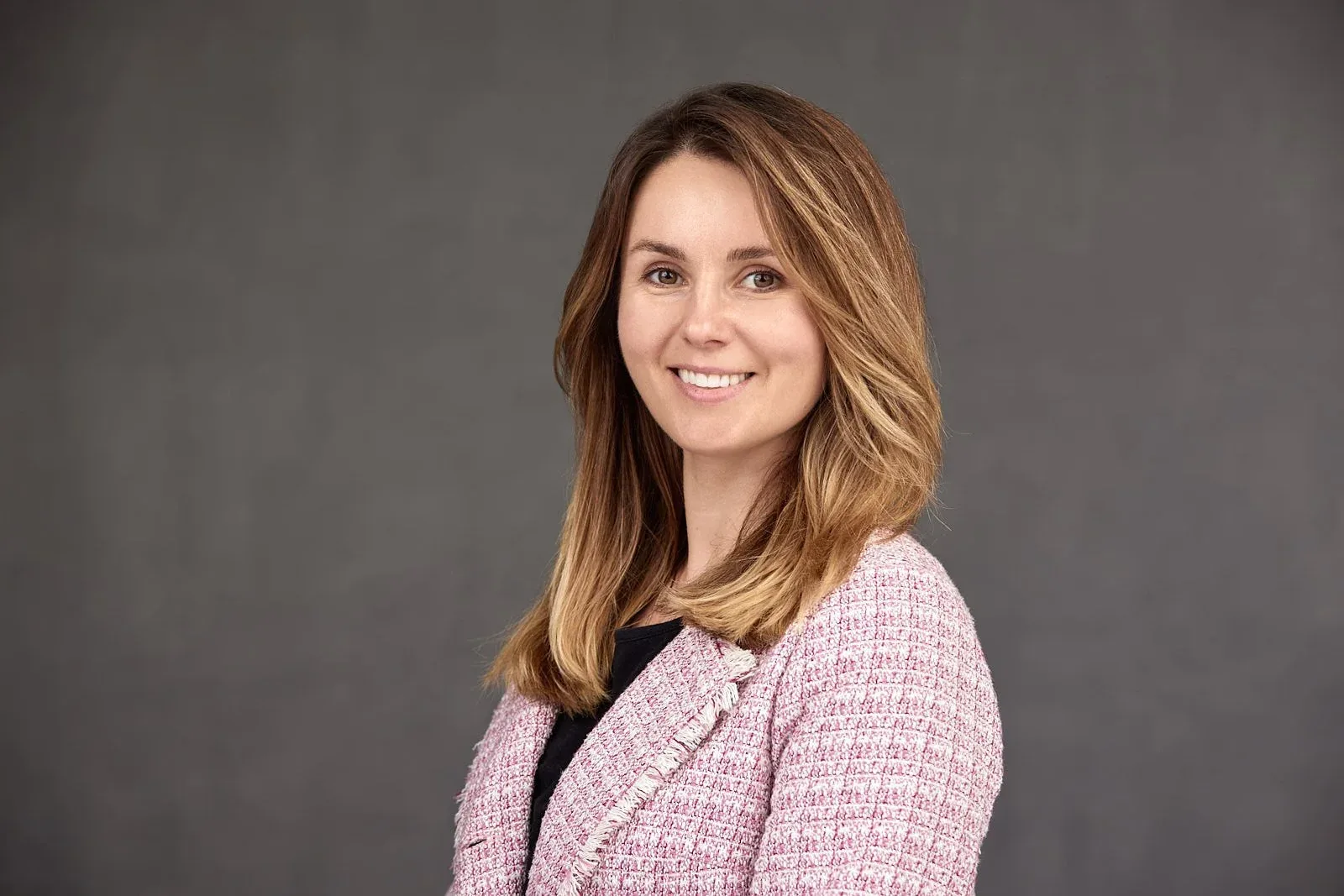
Valerie Bertele is a venture investor and partner at Yellow Rocks Capital, Head of AI Partnerships at Microsoft, two-time startup founder, international speaker, and a recognized LinkedIn Top Voice. She operates at the intersection of artificial intelligence, technology investing, and educational initiatives, supporting startups that are making the world a better place.
Valerie Bertele — venture investor and partner at Yellow Rocks Capital, LinkedIn
A blogger can become a founder, but success requires more than just an audience
There is a simple truth that people prefer to ignore: fame comes in different forms.
The first type is born from deep work: research, essays, manifestos, breakthrough technologies, and building communities around them. This is how university labs, open-source contributors, and founders who truly have something to say to humanity operate.
The second type of visibility is internet popularity, being “known for being known.” It is indeed powerful, but it almost always causes internal tension among investors. When a personal brand is built solely on entertainment, virality, or aesthetics, the question hangs in the air: where is the substance, where is the real value?
We have seen content creators build successful businesses — but in the vast majority of cases, this happens in the consumer segment. Beauty brands, dietary supplements, food, fashion, lifestyle. In technology products — only a handful. In businesses where technology reaches the level of serious science — perhaps none.
A founder must be able to solve audience problems, not just entertain them
A founder does not necessarily need to be an inventor or even just a developer. But they must have something irreplaceable: expertise in startup go-to-market strategies, the ability to manage teams and build processes, extensive industry connections, and a deep understanding of the industry context. It is here that the transition from “content creator” to “founder” either becomes a reality or falls apart.
Healthy founder publicity is about broadcasting how the work is going
Real visibility is built not on loud words, but on simple and clear updates. One of my acquaintances, after raising funding, regularly shared short updates:
— “Hiring, here is the role description — link”
— “Moved into a bigger office, assembling desks — photo”
— “Launched a breakthrough feature that solves such-and-such a problem.”
No self-praise, no noise. Through LinkedIn, you can see the entire journey of the company. This creates a sense of discipline and focus. It is clear that the person is building a business, not playing a role.
Endless participation in conferences can be a bad signal
Industrial conferences themselves are a useful tool for promoting products to market. But they take up a huge amount of time and energy: preparation, flights, jet lag, logistics. In fact, each event is a minus one week of work.
A healthy pattern looks like this: raised a round → went to work → occasionally shared updates.
An unhealthy pattern: immediately after a round, the founder suddenly appears at low-relevance conferences in Singapore, Austin, Dubai, and Paris within a single month. This is a signal that the founder wants fame, not to build a product.

There can be many red flags for an investor
The first: ostentatious luxury and public spending. They show a lack of discipline, incorrect priorities, and a misunderstanding of responsibility. A person who has attracted capital should not immediately behave like a star.
The worst-case scenario: when, after raising funding, a person starts broadcasting a glamorous lifestyle — cars, parties, status purchases, and so on.
Founders who try to look like celebrities, sell content about “How to build startups,” and brag about fundraising almost always lose out. Investors respect those who go to work.
Investors also need recognition
Strong startups do not come to every investor in their industry; they choose. The best deals in the careers of many investors happened only because they were able to convince the team to take them into the cap table. Often, investors literally persuade startups to take their money.
For venture capital, public visibility becomes one of the key assets. Careers change, markets transform, funds evolve — but reputation remains.
Outside Silicon Valley, people often underestimate how fierce the competition is between funds for the best startups.
Strong founders almost always have multiple offers. There are rounds where $8–10 million is raised first, and then a month later $54 million is announced — because two investors convinced them to take larger checks.
Mostly, the largest funds take the best deals. But there are exceptions.
Reputation, expertise, network, and a clear understanding of one’s own value allow even small investors to compete successfully, especially at early stages.
Mid-sized and niche funds win deals because founders want to work with them. They choose not only money but also contribution to the company’s growth.
If a large fund offers $20 million instead of $2 million, an investor can stay in the deal only with good connections to the founder and the presence of some very significant value for the startup.
Visibility is part of a long-term strategy
When your long-term goal is to operate at the level of global policy, innovation management, and institutions above individual states, you need large teams, large-scale projects, and trust.
Public visibility in this context means legitimacy and serves the main goal.
The Tech on Telegram Follow The Tech on Telegram
Keep up with the latest technology and startup news.
Related reading




More from this author

Article Useful
How to protect your accounts from hacking: 8 settings you should check today
The Tech

Article Useful
500 Global: How the Accelerator Works and Who Can Receive Investments
The Tech

Article Interviews
Game Development in Central Asia: Arkady Moldavski on Developing Reverb and the Growth of the Industry
The Tech

Article Useful
Google, Tesla, BlackRock, and the IMF: Where to Apply for an Internship in Fall 2026
The Tech

News IT
Tesla unveiled the flying electric car Roadster
The Tech

News IT
Intero Biosystems startup won the Startup Battlefield at TechCrunch Disrupt 2026
The Tech