What is Venture Capital: 27 Key Concepts for Startups and Investors
Venture capital is a method of investing in startups that have high growth potential but also carry significant risks. What distinguishes these investments from traditional business investments is that investors provide funding in exchange for equity, based on their confidence in the company's future growth.
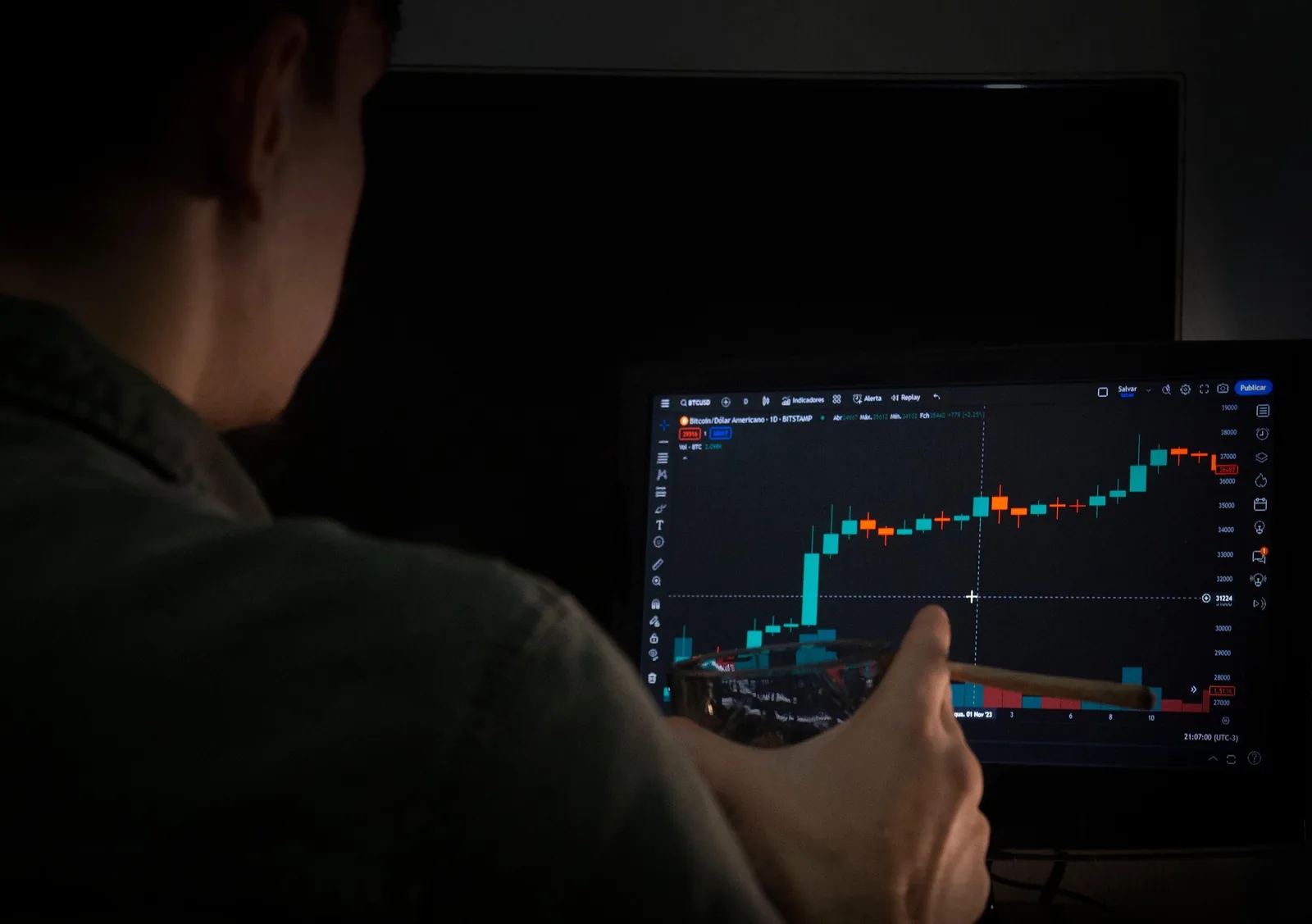
Venture investment — an investment made in startups with high risk and high growth potential.
Venture capital — capital directed towards investing in startups and innovative companies.
Venture fund — an investment fund that invests funds collected from investors into promising startups.
Venture investor — an investor who puts money into startups with high growth potential. They can be an individual, a fund, or a company.
Business angel — an individual investor who invests their own funds in startups. In addition to financing, they can help founders with their experience, connections, and expertise.
Investment fund — an organization that pools funds from multiple investors and invests them in various assets or companies.
Investment round — a stage at which a startup raises funds from investors.
Financing round — another name for an investment round. At this stage, the startup raises capital needed for its development from new or existing investors.
Raised investment — the amount of funding a startup has received from investors. For example, if a company announces that it has "raised $2 million in investment," it means it received $2 million from investors in this round.
Pre-Seed — one of the earliest stages of a startup. At this stage, there may be an idea, an initial prototype, or an early version of the product. Investment is usually spent on product development and testing initial hypotheses.
Seed — the initial development stage of a startup. At this stage, the company tests its product in the market, finds its first customers, and begins to establish its business model.
Pre-Series A — the stage between Seed and Series A. During this time, the company tries to prove product-market fit, improve growth metrics, and prepare for the next major investment round.
Series A — one of the first major institutional investment rounds for a startup. Typically, by this stage, the company has a working product, customers, and certain growth metrics.
Series B — the stage at which the company's business model has been proven, and it is now time to actively scale. Funds may be used to enter new markets, expand the team, and develop operations.
Series C — an investment round typically raised by companies with established businesses and undergoing significant growth. Funds may be directed towards international expansion, new products, or acquiring other companies.
Late Stage — a later stage in a company's development.
Early stage — the initial development phase of a startup. This stage includes Pre-seed, Seed, and sometimes Series A. The main goal is to create a product and prove market demand.
Growth stage — the stage at which a company has proven its product in the market and begins active scaling. At this time, the company may attract new customers and enter new markets.
Startup — a new company creating an innovative product or business model and aiming to scale it rapidly. Venture investments are often directed at such companies.
Founder — a person who established a company or startup. They shape the product idea and lead the development of the team and business in the initial stages.
Founder — a widely used term meaning the founder of a startup.
Co-founder — a person who established a startup together with one or more other people. In English, this term is called "co-founder."
Startup ecosystem — the environment involving investors, venture funds, accelerators, incubators, technology companies, universities, government organizations, and other participants involved in the development of startups.
Accelerator — a program that helps startups develop rapidly over a short period. Participants are offered mentoring, expert support, training, networking, and sometimes investment.
Incubator — an organization or program that helps develop startups from the idea stage. It can provide the team with workspace, mentoring, education, and other resources.
Demo Day — an event at the end of an accelerator or incubation program where startups present their products to investors and experts.
The Tech on Telegram Follow The Tech on Telegram
Keep up with the latest technology and startup news.
Related reading



More from this author

Article Useful
How to protect your accounts from hacking: 8 settings you should check today
The Tech

Article Useful
500 Global: How the Accelerator Works and Who Can Receive Investments
The Tech

Article Interviews
Game Development in Central Asia: Arkady Moldavski on Developing Reverb and the Growth of the Industry
The Tech

Article Useful
Google, Tesla, BlackRock, and the IMF: Where to Apply for an Internship in Fall 2026
The Tech

News IT
Tesla unveiled the flying electric car Roadster
The Tech

News IT
Intero Biosystems startup won the Startup Battlefield at TechCrunch Disrupt 2026
The Tech