In which countries is it currently most advantageous to build a career in game development?
The global game development market will grow from $2.07 billion in 2026 to $3.87 billion by 2031. Growth is uneven: some regions already control nearly half of the market, others attract billions in state investments, and still others are just appearing on the map. Let's examine where game development work is currently concentrated and where it is shifting.
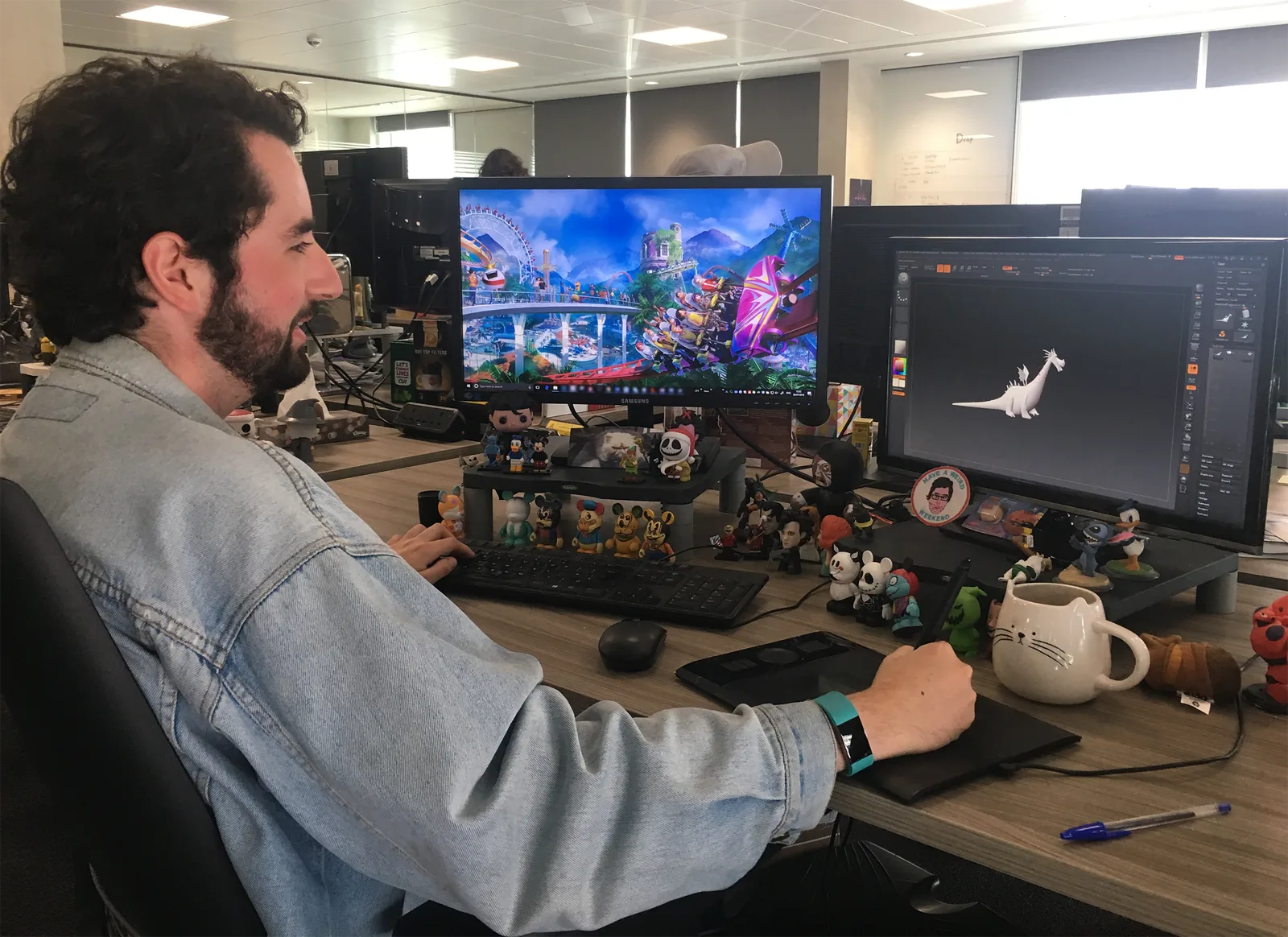
The Asia-Pacific region is the largest market in the world
Countries in the Asia-Pacific region account for 44.85% of global game development revenue in 2025 — more than any other region. This leadership is driven by several factors: mobile studios in China, which are among the largest players in global mobile development; technological leadership in South Korea in deploying 5G networks; and Japan’s long-standing console heritage, which underpins the country’s industry.
Beyond major markets, the region has developed specialized hubs for specific tasks. Singapore and Malaysia have become destinations where studios from other countries outsource part of their production — primarily artistic assets and localization. This transforms the region not only into the largest market by volume but also into one of the key centers for outsourcing contracts in game development.
The Middle East — the fastest-growing region
Among all regions, the Middle East shows the highest growth rate — 17.35% per year from 2026 to 2031. The main driver is large-scale government investment: Saudi Arabia announced investments in the industry totaling $37.7 billion, making the country one of the largest investors in game development globally. Dubai, in turn, attracts global studios with free zone incentives, facilitating the creation of joint ventures with local partners.
Beyond game development itself, the region is actively investing in export infrastructure — building specialized arenas and hosting tournaments. This means that the Middle East’s growth is linked not only to game production but also to the formation of an entire ecosystem around it, which will eventually create additional demand for professionals across various fields.
North America and Europe: where technologies are born, but there is a shortage of people
The US and Europe remain the region where the most advanced technologies in the industry emerge: cloud solutions, AI-based tools, and analytics for live services are most often first launched in San Francisco, Montreal, and Helsinki, and then scaled to other markets. This makes the region attractive to specialists who want to work with the most modern tools and technologies in the industry.
At the same time, this is where the shortage of qualified personnel is most acute: half of UK studios reported difficulties in hiring in 2024. As a result, studios are increasingly moving part of their work to nearby countries in similar time zones — Poland, Spain, and Ireland — which have become the main destinations for nearshoring by European companies.
Africa and Latin America — regions with growing potential
These regions currently hold the smallest share on the global game development map but are already showing noticeable changes. Brazil, traditionally a console-oriented market, is shifting toward cloud-based game delivery — this is changing infrastructure requirements and opening up new opportunities for cloud technology specialists in the region.
In Nigeria, telecom operators are experimenting with gaming tariffs that allow users to access games via mobile networks. If such models become established, they could significantly expand the player audience across the continent and, over time, create demand for local development and support teams.
The Tech on Telegram Follow The Tech on Telegram
Keep up with the latest technology and startup news.
Related reading




More from this author

Article Useful
How to protect your accounts from hacking: 8 settings you should check today
The Tech

Article Useful
500 Global: How the Accelerator Works and Who Can Receive Investments
The Tech

Article Interviews
Game Development in Central Asia: Arkady Moldavski on Developing Reverb and the Growth of the Industry
The Tech

Article Useful
Google, Tesla, BlackRock, and the IMF: Where to Apply for an Internship in Fall 2026
The Tech

News IT
Tesla unveiled the flying electric car Roadster
The Tech

News IT
Intero Biosystems startup won the Startup Battlefield at TechCrunch Disrupt 2026
The Tech