A Uzbek citizen has created an AI for early detection of health risks — now the startup is expanding into the global market
Together with IT Park Uzbekistan, we continue to share stories about startups that are developing the country's technological ecosystem. In the new episode, we present the story of Sino AI, an Uzbek HealthTech startup that uses artificial intelligence to analyze health data and identify potential risks at an early stage.
The Tech AI
Get the key points in seconds - a short summary from The Tech AI.
Alisher Akmaljonov, CEO of Sino AI from Tashkent, is developing an AI medical assistant to transition to preventive medicine. The product integrates data from wearable devices (Sino Band) and analyzes health risks. In 2026, the startup received the AI in Healthcare Award at the ASOCIO Digital & AI Awards. The company plans to enter the Central Asian, Caucasus, and MENA markets, estimating the total addressable market at $43 billion.
The team aims to shift medicine from a reactive model to a preventive one by combining symptoms, medical history, test results, and data from wearable devices. This article explains how the Sino AI idea emerged, why the startup considers its AI medical assistant its main product, and how the team plans to enter the Central Asian, Caucasus, and MENA markets.
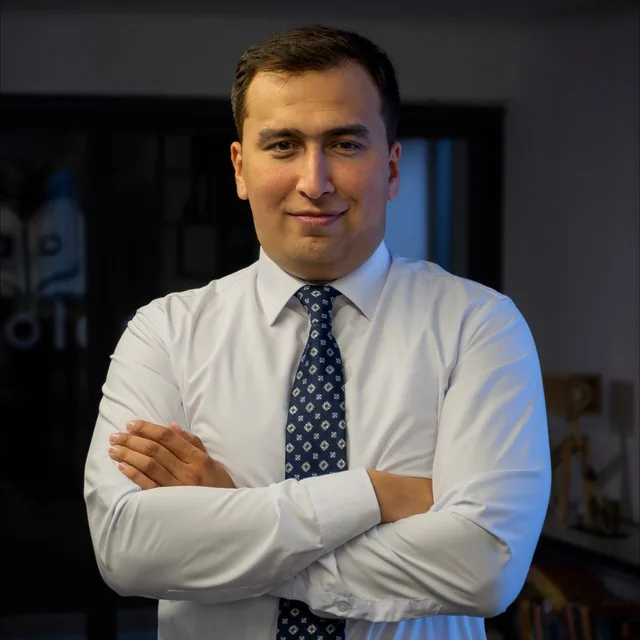
Alisher Akmaljonov, city — Tashkent, CEO of Sino AI, LinkedIn
How It All Started
It all began with a family issue. I faced health problems among my parents, spouse, child, and other close relatives. That’s when the idea emerged to help people notice changes in their health status in a timely manner.
Sino AI’s mission is to help people learn about health risks before it becomes too late.
Startup Launch
We want to shift medicine from a reactive model to a preventive one. Therefore, we are creating a personal health profile that combines symptoms, medical history, test results, and daily metrics.
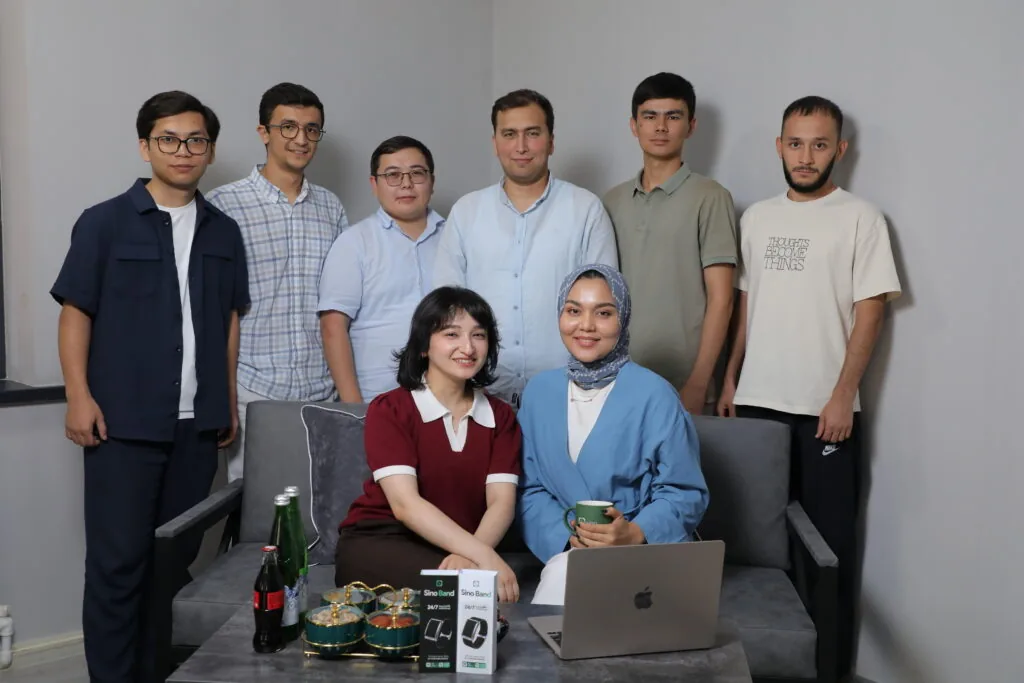
For monitoring, we use the Sino Band — a wearable bracelet that collects data on the body’s condition. In the future, we plan to integrate with WHOOP, Fitbit, Apple Watch, and other wearable devices.
AI analyzes all this data dynamically and helps track changes in a person’s condition over time.
The company’s main asset is not the device, but the AI medical assistant. WHOOP and Fitbit collect data from wearable devices, while K Health uses clinical AI. Sino AI aims to combine these capabilities into a single ecosystem that includes health monitoring, AI risk analysis, explanation of test results and diagnoses, and doctor appointment booking.
The Band is not the company’s main product. The core value lies in the AI assistant, which works with various types of data and becomes personalized.
Challenges
In HealthTech, being reliable is more important than being first. In medicine, development speed differs from other tech sectors. A quick launch cannot be more important than responsibility. The product must be innovative, scientifically grounded, clinically validated, and safe.
In the long term, we want to create a platform that users will trust daily and that clinics, insurance companies, and corporations can integrate into their processes.
Achievements
For us, it’s not just about the number of users, but the real value provided to their health. Company growth is measured not only by the number of registrations and users. It’s important to understand whether the product helps make timely decisions: was a risk detected, did the person undergo an examination, receive a diagnosis, or get the necessary help.
We track user retention, subscriptions, CAC, and LTV. But the main metric in HealthTech is how many people we helped detect a health problem in time.
Uzbek startups are already beginning to gain international recognition. The startup ecosystem in the country is developing, with more founders targeting the global market, while local accelerators, investment funds, IT Park Uzbekistan, and international initiatives help companies expand beyond the country.
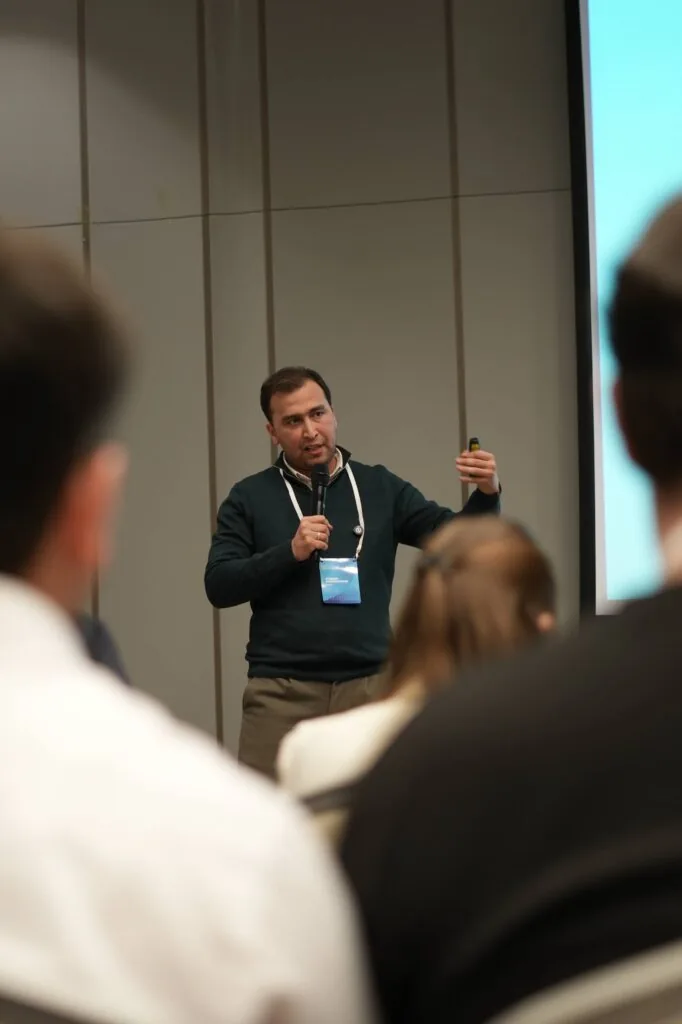
In 2026, we received the AI in Healthcare Award at the ASOCIO Digital & AI Awards. For our team, this was an important confirmation that AI and HealthTech projects created in Uzbekistan can compete at the international level.
Plans
If I could change one thing, I would have started entering the global market earlier. Although we laid the foundation for our international strategy from the very beginning.
We are working with the Central Asian and Caucasus markets, and the next direction we are considering is MENA and other emerging markets. According to our estimates, the total addressable market is around $43 billion.
We want to build not just a successful startup, but a global business. It is important to me to show that technologies created in Uzbekistan can scale far beyond the local market and help millions of people.
The Tech on Telegram Follow The Tech on Telegram
Keep up with the latest technology and startup news.
Related reading




More from this author

Article Useful
How to protect your accounts from hacking: 8 settings you should check today
The Tech

Article Useful
500 Global: How the Accelerator Works and Who Can Receive Investments
The Tech

Article Interviews
Game Development in Central Asia: Arkady Moldavski on Developing Reverb and the Growth of the Industry
The Tech

Article Useful
Google, Tesla, BlackRock, and the IMF: Where to Apply for an Internship in Fall 2026
The Tech

News IT
Tesla unveiled the flying electric car Roadster
The Tech

News IT
Intero Biosystems startup won the Startup Battlefield at TechCrunch Disrupt 2026
The Tech