Top 10 AI Tools for Game Development in 2026
Game development today looks completely different than it did just two years ago. Artificial intelligence has become a turning point that has rewritten the rules of the industry.
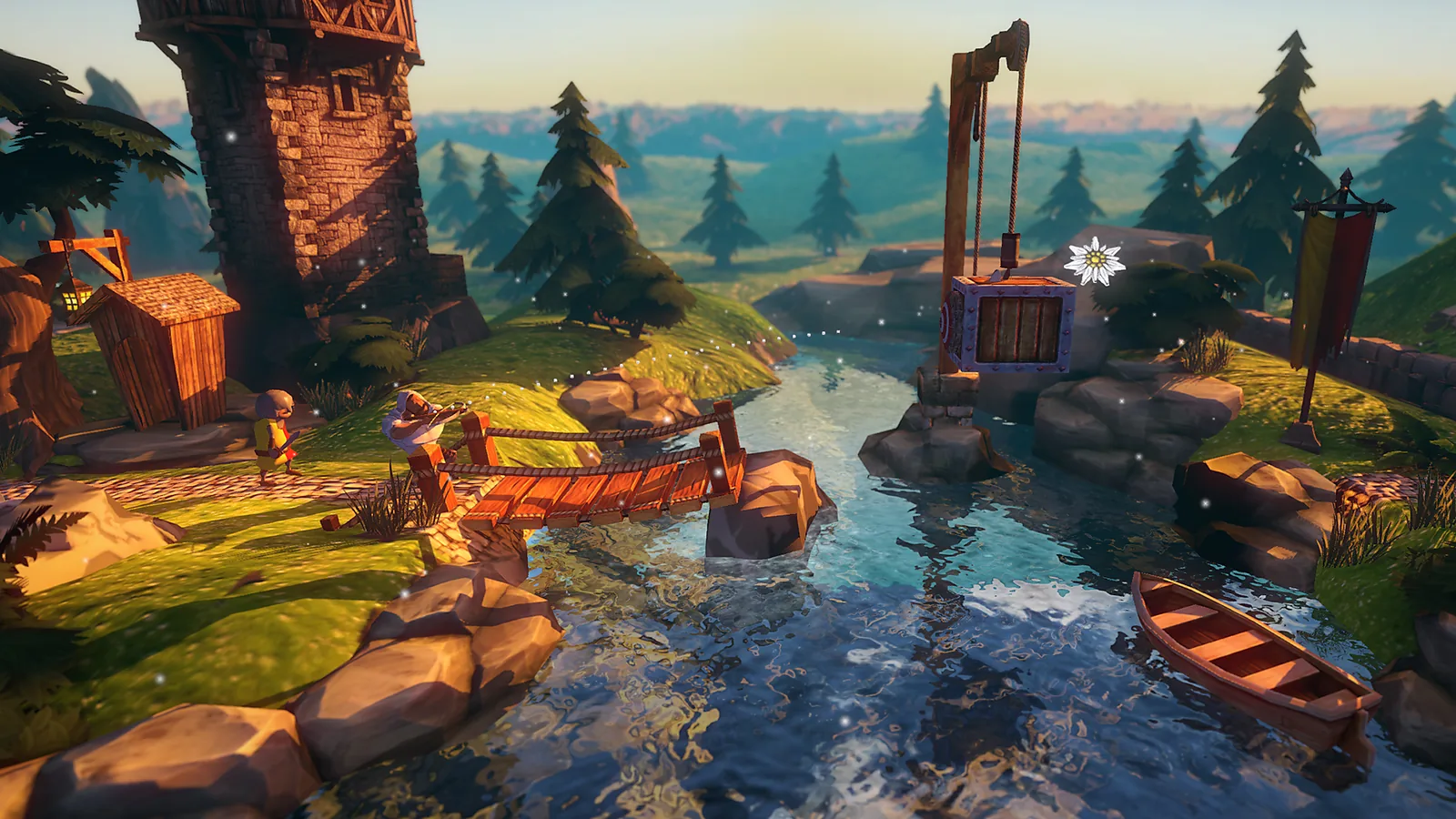
Below is a selection of the best AI tools for game development in 2026.
Unity ML-Agents
This is Unity’s official toolkit for those who want to make their game truly intelligent. The system integrates “reinforcement learning” directly into your project. This means that NPC characters do not just walk along predefined points but actually learn from the player’s actions. If you play aggressively, the enemy AI will gradually develop tactics to counter you.
It works perfectly within Unity, has a huge community, and plenty of free tutorials. If you have a Unity license, you do not need to pay for the tool itself.
Ludo.ai
Your personal analyst and creative director. The design of any game begins with finding an idea, and Ludo does this for you: it analyzes the market, identifies trends, and suggests concepts that could “take off.” It is a complete platform where you can brainstorm a game idea and immediately generate initial images and videos for it in one window.
It generates ideas based on real numbers and market data. It includes built-in graphics generators, so concept art is ready immediately. The most impressive features are available only with a subscription.
GitHub Copilot
This is your virtual programmer partner, living directly inside the code editor. You write a comment like “make the character jump,” and Copilot immediately suggests a ready-made code snippet. It understands the context of your project and learns from your own coding habits.
GitHub Copilot supports all major languages: C#, C++, JS. It speeds up prototype building significantly and works in almost all engines—from Unity to Unreal Engine.
Promethean AI
The dream of environment artists. Imagine an assistant to whom you say, “Add old 80s-style furniture to this room,” and it places the objects itself. The AI learns from your tastes and gradually starts placing items exactly the way you like them.
Scenario
A tool for those who care about style. You upload your drawings or sketches, train the AI on them, and then it generates any objects—weapons, buildings, heroes—exactly in your unique style. No more “typical neural network-looking art.”
What it does well: it ensures that all items in the game will look like they belong to the same collection. There is a free tier to test the features.
Meshy AI
A solution to the main problem of indie developers—creating 3D models. You simply type text, and the neural network that converts text into 3D models outputs a ready-made model with applied colors and a proper structure that any game engine can understand.
The model is created in a couple of minutes. It is ideal for creating objects for mobile games, as they turn out to be “lightweight” for smartphones.
Luma AI Genie
Another great tool for 3D. Genie turns your words into detailed models. The main advantage is that the result can be downloaded immediately and dropped into the game, without long configuration hassles.
Luma AI Genie allows even those who have never opened complex modeling software to create 3D assets. It is difficult to control fine details of objects on the platform. It works best with furniture, rocks, trees, and simple items.
Rosebud AI
Unlike others, Rosebud does everything at once: it writes code, creates graphics, and even adds animations. All of this works through simple text requests in one window. There is no need to constantly switch between different programs. This is arguably the easiest way for a beginner to build their first game from scratch.
Charisma AI
A tool that makes characters “alive.” With NPCs powered by neural networks that bring game characters to life, you can actually converse: they understand the meaning of your words, sense emotions, and respond differently depending on how you behave with them.
Charisma AI allows you to create complex, branching dialogues and characters who remember your actions.
Modl.ai
AI simulates the behavior of thousands of different players, runs through levels, and finds places where the game might freeze or break. It finds balance errors, such as a boss that is too difficult, even before humans see the game.
However, it is expensive for private individuals.
The Tech on Telegram Follow The Tech on Telegram
Keep up with the latest technology and startup news.
Related reading




More from this author

Article Useful
How to protect your accounts from hacking: 8 settings you should check today
The Tech

Article Useful
500 Global: How the Accelerator Works and Who Can Receive Investments
The Tech

Article Interviews
Game Development in Central Asia: Arkady Moldavski on Developing Reverb and the Growth of the Industry
The Tech

Article Useful
Google, Tesla, BlackRock, and the IMF: Where to Apply for an Internship in Fall 2026
The Tech

News IT
Tesla unveiled the flying electric car Roadster
The Tech

News IT
Intero Biosystems startup won the Startup Battlefield at TechCrunch Disrupt 2026
The Tech