Tech Heads. Erken Shnazbaev on how the IT ecosystem of ERG is built
The CTO of the Kazakh company BTS, Business & Technology Services, shared his experience in managing IT and innovation in a large mining and metallurgical company. In our interview, Yerken Shnazybaev discussed the company's structure, key development areas, as well as the importance of the team, competencies, and leadership in a rapidly changing technological environment.
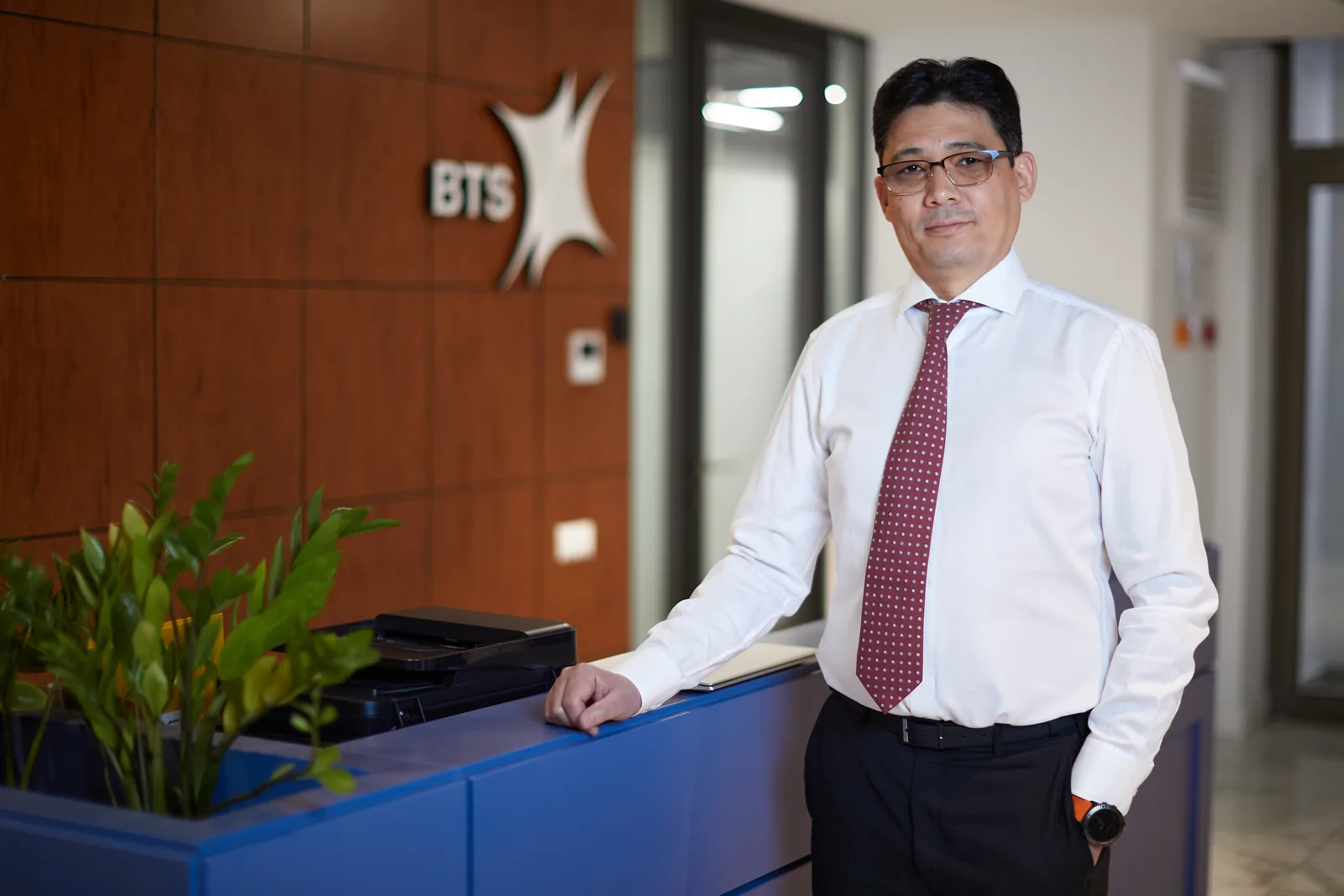
Erken Shnazbaev, City – Astana, Deputy CEO of ERG for Digitalization and AI
On the Path and Leadership
Throughout my life, I have changed my specialization three times, but it has always been closely related. I have been fortunate to intuitively sense promising directions and, through learning, transition from one industry to another. I began my career as an energy engineer – in the late 90s, this was a promising field: automation of power plants, substations, and power transmission lines. Then I saw the emergence of a new industry – mobile communications. In the early 2000s, mobile phones were rare, and networks were just developing, so I retrained and started working in this direction.
When mobile communications began to stagnate, I realized that the future lay in IT. For the past seven years, I have been leading an IT company. All three industries I have worked in are interconnected: networks, innovations, and various levels of technology. My path has always been driven by a desire to be at the forefront of technology. If something new emerges, such as artificial intelligence, I am ready to retrain again, because a leader must have fundamental knowledge in their field.
The CTO position is not just about technical expertise. Many who were promoted to management positions faced difficulties: some became overwhelmed by management responsibilities, while others could not find common ground with engineers. Therefore, skills must combine 50% technical knowledge and 50% management and emotional intelligence. The CTO works with people from different functions and with company leadership, so it is important to be able to combine competencies and management skills.
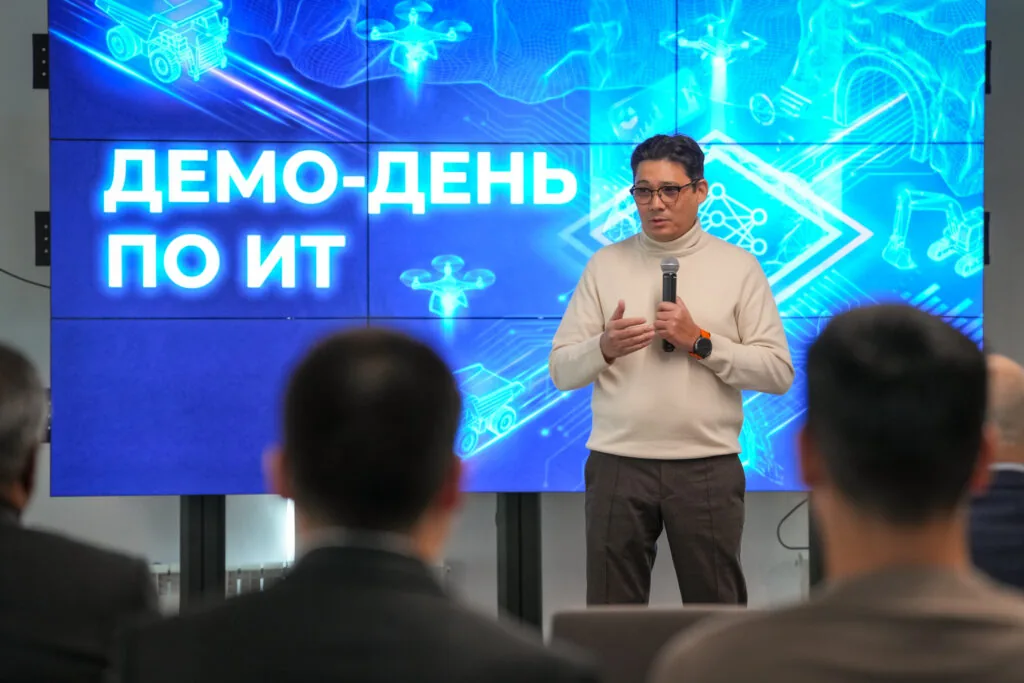
On the Company and Role
BTS, Business & Technology Services, develops and maintains the information systems of the ERG group – one of the largest mining and metallurgical companies in Kazakhstan. ERG is engaged in the extraction and processing of iron ore, ferrochrome, coal, and bauxite, as well as the production of electricity for industrial processes.
BTS is responsible for the entire IT infrastructure of the group: from classic systems to production and high-load solutions. The company has many distributed industrial sites where real-time management is critical. In 2024, BTS built the largest private LTE network in the country, covering an area of approximately 322 km², and develops both wired and wireless data transmission networks.
About 600 employees are involved in supporting, monitoring, and operating systems with a reliability level of up to 99.9%, which is critical for continuous production processes. Another 400 specialists develop their own models and solutions – the company hardly uses external systems, focusing on in-house developments.
Currently, the company has several priority areas:
- Artificial intelligence, which allows automating processes and achieving new effects where it was previously impossible.
- Remote and autonomous equipment management: for about two years, driverless robotic dump trucks have been operating at the "Vostochny" open-pit mine – the first and currently unique solution in Kazakhstan. One operator remotely controls several vehicles. Remote crane management based on in-house solutions is also being developed, improving safety and efficiency.
- Development and modernization of automated control systems (ACS) at our enterprises.
- “Connected Employee.” The corporate mobile application qollab combines hundreds of services and transitions production and administrative processes from paper and radios to a digital format with real-time task tracking.
- Support and development of infrastructure ensuring stable and uninterrupted operation of all systems.
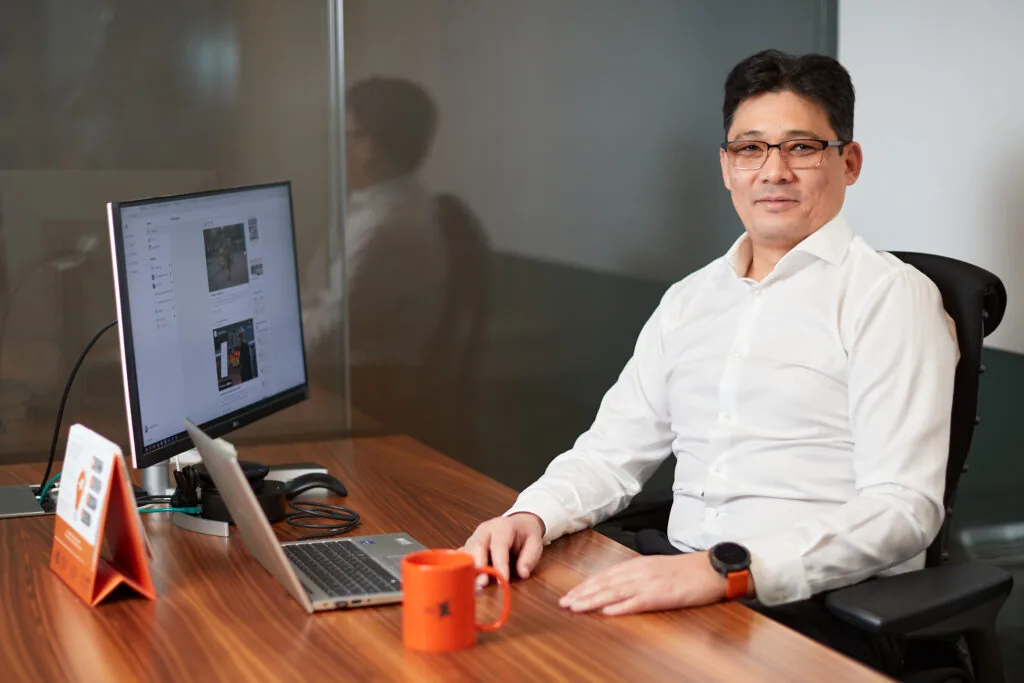
On Challenges and Innovations
In modern IT, without constant retraining, you quickly become obsolete: the industry changes almost every week, and any decisions require a balanced approach, otherwise the consequences can be risky. An additional factor is regulation: given the global nature of technology, businesses and governments are striving for local control over data and its protection.
Artificial intelligence opens up huge opportunities, but at the same time, data ceases to be entirely the property of those who use it. We have chosen the path of using our own servers and models that generate graphics and convert voice to text, while keeping data secure. Sanctional wars also significantly affect IT infrastructure. It is now difficult to rely on a single supplier: it is necessary to diversify supplies and create our own solutions, which takes a lot of time. Since 2022, we have been moving in a balanced and safe manner, although we could have acted faster.
The main value is people. Technology can be created, but the result always depends on the team and its engagement.
Predicting IT trends decades into the future is difficult: technology is developing too quickly. AI is currently developing specifically in applied areas, for example, generating music and pictures that can be used without violating copyright.
The main directions of technological development that can be identified are artificial intelligence, autonomous machines and robots, as well as global access to high-speed internet for all devices. For example, internet-connected devices are already collecting and analyzing user data – and their number will grow significantly. Robots will be able to perform work that people currently do manually, allowing us to focus on more valuable and safe labor.
On the Team
Engineers are often introverts, so it is important to build communication in a way that is useful and comfortable for them. For example, in our team, developers hardly communicated with business customers – either the customer became offended, or a good coder left. It is important to correctly assign people to teams and create interfaces for communication. Two key parameters are competence and communication.
Communication is not always organized by business analysts: sometimes it is done by project managers or engineers themselves. The main thing is to select “communication rings” to avoid conflicts, unnecessary conversations, and to ensure correct feedback and tasks for everyone.
When hiring engineers and leaders, we focus on three qualities: mature technical competencies, engagement and motivation, and communication skills. About 30-40% of the team consists of recent graduates, whom we attract through internships, while the core of the team maintains a high level of competence.
The final three indicators when hiring are: competence, engagement, and communication.
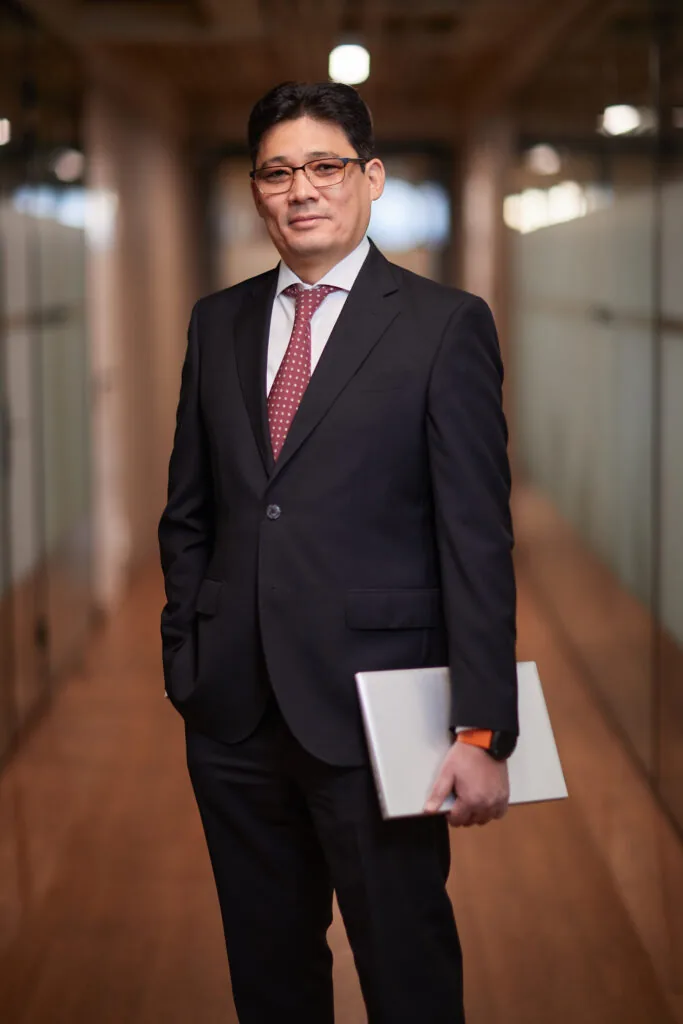
On the Future
I try not to predict the future too much, because it is a rather thankless endeavor. I believe that any work that I do not enjoy should be handed over to successors as quickly as possible – this is beneficial for the company and for all participants.
A strong technology company today is distinguished by its uniqueness. Examples include Google, Apple, Tesla, and OpenAI: each has its own know-how and business ideas. If companies were identical, they would hardly be so effective. Uniqueness manifests itself in different ways: in technology, business model, or product scale – and this determines success.
To young specialists dreaming of becoming a CTO, I advise dreaming and constantly developing. The competition for the position is high: you need to learn, show initiative, and do more than required. Only constant development and effort lead to success.
The Tech on Telegram Follow The Tech on Telegram
Keep up with the latest technology and startup news.
Related reading



More from this author

Article Useful
How to protect your accounts from hacking: 8 settings you should check today
The Tech

Article Useful
500 Global: How the Accelerator Works and Who Can Receive Investments
The Tech

Article Interviews
Game Development in Central Asia: Arkady Moldavski on Developing Reverb and the Growth of the Industry
The Tech

Article Useful
Google, Tesla, BlackRock, and the IMF: Where to Apply for an Internship in Fall 2026
The Tech

News IT
Tesla unveiled the flying electric car Roadster
The Tech

News IT
Intero Biosystems startup won the Startup Battlefield at TechCrunch Disrupt 2026
The Tech