A startup founded by a Harvard professor has received FDA approval to test a drug against cellular aging.
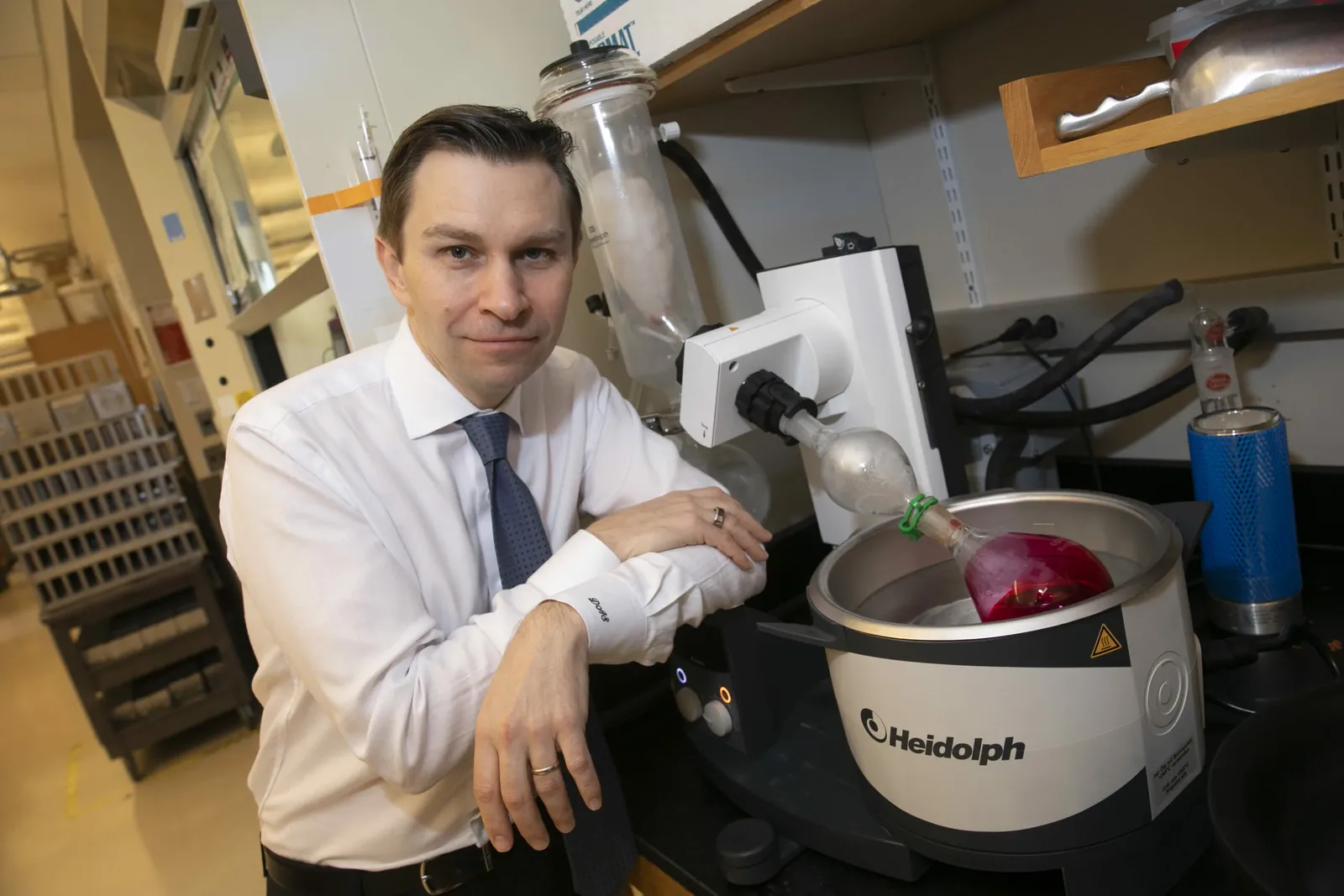
Life Biosciences, founded by Harvard genetics professor David Sinclair, has received FDA approval for clinical trials of a drug that, for the first time in medical history, attempts to reverse human cell aging. In June 2026, the first patient already received a dose. Let's examine what exactly is happening and why this is important.
What happened
On January 28, 2026, Life Biosciences announced that it had received FDA approval to test a new drug, ER-100 — the first in history to be based on epigenetic cellular reprogramming and authorized for human trials.
The approval pertains to Phase I clinical trials involving patients with two conditions: open-angle glaucoma and acute optic neuropathy — a condition in which a person suddenly loses vision due to impaired blood supply to the nerve. Both diseases share one key feature: vision loss is irreversible, and no treatment capable of restoring already dead cells currently exists.
This is the first time in history that such therapy has been authorized for human trials. This is not a laboratory experiment or a theory, but a real clinical step toward learning how to return damaged human cells to a younger and healthier state.
How the technology works
The drug is based on a technology that does not change human DNA, but rather changes how the cell reads it. Three regulatory proteins send a signal to the cell: work like a young cell. The cell does not undergo genetic restructuring; it simply begins to function as it did before damage and aging.
The drug is administered directly into the eye to reach retinal cells, which die in glaucoma and optic neuropathy and do not regenerate on their own. The entire process is fully controllable: doctors can start and stop reprogramming using the common antibiotic doxycycline. This is a key safety element of the therapy.
From laboratory to human
The drug’s path to the clinic took years of systematic scientific work. It all began in 2020, when David Sinclair’s team published a Nature study showing for the first time that partial cellular reprogramming could restore vision in mice after optic nerve damage. This was the first proof that the concept works in a living organism, not just in a test tube.
The next step was trials on primates. Scientists reproduced a condition similar to optic neuropathy in them and applied ER-100. The results confirmed that the drug works in a controlled manner, does not disrupt DNA structure, and improves visual function.
Sharon Rosenzweig-Lipson, the company’s Chief Scientific Officer, noted that reaching this stage was the result of years of research, and that the data obtained paved the way for the first human trials aimed at helping those suffering from age-related diseases.
What is happening now
On June 9, 2026, Life Biosciences announced the administration of the first dose of ER-100 to the first patient. After receiving the drug, each participant undergoes a comprehensive examination — an ophthalmologist’s visit and laboratory tests — to monitor how the body responds to the therapy.
In April of the same year, the company raised $80 million in funding. The funds will be used to expand trials and develop new drugs based on the same platform.
Why this is important
ER-100 is the first drug in history based on cellular rejuvenation to receive FDA approval for human trials. This is not just a new treatment for an eye disease — it is a test of the central question in modern science: whether it is possible to safely reverse cellular aging.
Both diseases, which are the starting point for the trials, become more common with age, and existing treatments do not address their root cause. If Phase I confirms safety, the company plans to extend the same approach to other organs and other age-related diseases.
The Tech on Telegram Follow The Tech on Telegram
Keep up with the latest technology and startup news.
Related reading




More from this author

Article Useful
How to protect your accounts from hacking: 8 settings you should check today
The Tech

Article Useful
500 Global: How the Accelerator Works and Who Can Receive Investments
The Tech

Article Interviews
Game Development in Central Asia: Arkady Moldavski on Developing Reverb and the Growth of the Industry
The Tech

Article Useful
Google, Tesla, BlackRock, and the IMF: Where to Apply for an Internship in Fall 2026
The Tech

News IT
Tesla unveiled the flying electric car Roadster
The Tech

News IT
Intero Biosystems startup won the Startup Battlefield at TechCrunch Disrupt 2026
The Tech