Paradigm shift in venture capital — and how investors are adapting to it
Mariana Inozemtseva, author for The Tech and We Project, spoke with Ella Logina, co-founder of Saiga Medical Longevity and co-curator of the Future Health Forum, to explore what options exist for navigating the current situation and which ones Ella is choosing for herself.
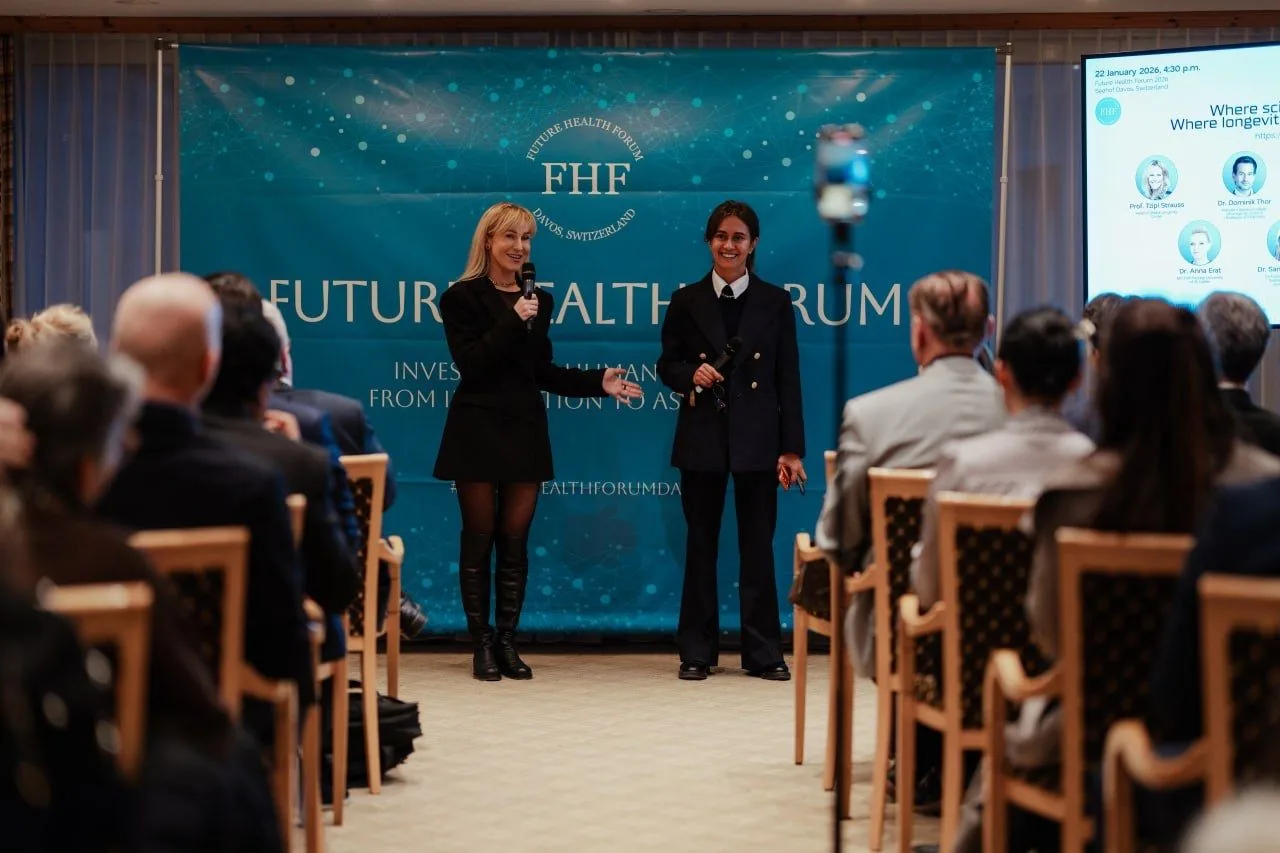
Marianna Inozemtseva, founder of Linkifyo agency, LinkedIn
The industry is in a difficult situation
In recent years, the venture market has undergone significant restructuring. There have been fewer exits, while the average deal size has increased in many segments. IPOs for early-stage companies remain rare. The largest checks increasingly come not from traditional VC funds, but from strategic investors and corporations.
As a result, the familiar mathematics of a mid-sized fund's portfolio is under pressure: holding assets for longer periods, difficulty in predicting liquidity windows, and higher requirements for asset quality and evidence-based justification.
Public markets have bounced back from their lows, but they are still far from the conditions of 2021.
According to Ella, this is not just a venture crisis, but a fundamental change in the rules of the industry. The focus is shifting from visionary thinking and dreams of super-high returns to things that can be realistically assessed and whose profitability can be predicted.
Solutions that investors are already practicing
LPs are beginning to move towards formats that offer greater control over equity stakes and the path to return on investment. In the healthcare sector, where Ella has been working since 2011, this approach is particularly noticeable.
Transition from classic VC to venture studios
The fund is transforming into a production line for creating companies. Instead of competing for the best deals in the open market, the emphasis shifts to forming projects within one's own system: team, hypothesis, intellectual property, and initial pilots.
Transition from pure equity stories to asset-backed models
The investment unit increasingly resembles an asset: data, intellectual property rights, technological and medical protocols, and infrastructure components. In such structures, the legal and commercial packaging of the asset is extremely important.
In practice, this provides more options for commercializing assets without waiting for a major IPO:
— licensing
— sale to a strategic buyer
— implementation within corporations as part of the value chain.
Transition from simple capital investment to symbiosis
Funds are starting to provide not only capital but also, for example, access to hypothesis validation. In HealthTech, where Ella has been working for a long time, this can include clinical sites for testing, distribution channels, and entry into state and institutional frameworks.
As a result, a format of hybrid capital emerges: money plus infrastructure. For science-intensive projects in highly regulated niches, this shortens the path to pilots and contracts. For the fund, it increases manageability of the outcome, because value is created through a specific implementation route.
Transition from waiting for an exit to secondary and structured liquidity
When the IPO window remains narrow and the exit cycle stretches out, funds seek liquidity through secondary market instruments and structured schemes:
— secondary transactions
— GP-led continuation
— models tied to revenue and other options where money is returned as operational results are achieved.
The Saiga Medical Longevity path: symbiosis
Saiga Medical Longevity is a platform that connects researchers, doctors, entrepreneurs, and investors around a clear end product.
In the new logic, it is less about the startup idea and calculations, and more about what can be placed on the table for a strategic partner or large investor: protected intellectual property, collected data, a clear implementation framework, and pilots that reduce technological and operational risk.
This approach found its embodiment in the Future Health Forum. This independent side event in Davos will bring together researchers and scientists from the medical world with investors and business leaders. The goal of the event is to translate scientific discoveries into the language of business and opportunities.
In conditions where venture capital is becoming more capital-intensive, more institutional, and less democratic, the value of a fund is no longer in guessing the winning startup, but in controlling critical points of its development.
Those who manage to create real value will win.
The Tech on Telegram Follow The Tech on Telegram
Keep up with the latest technology and startup news.
Related reading




More from this author

Article Useful
How to protect your accounts from hacking: 8 settings you should check today
The Tech

Article Useful
500 Global: How the Accelerator Works and Who Can Receive Investments
The Tech

Article Interviews
Game Development in Central Asia: Arkady Moldavski on Developing Reverb and the Growth of the Industry
The Tech

Article Useful
Google, Tesla, BlackRock, and the IMF: Where to Apply for an Internship in Fall 2026
The Tech

News IT
Tesla unveiled the flying electric car Roadster
The Tech

News IT
Intero Biosystems startup won the Startup Battlefield at TechCrunch Disrupt 2026
The Tech