The best features of smartwatches and smart rings: what is truly useful
The wearable electronics market in 2026 is no longer just about wristwatches. Smart rings have carved out their own niche, CES showcases AI pendants and voice assistants shaped like earbuds, and Apple, Samsung, and Oura are competing for the title of the most accurate "home doctor." Meanwhile, the number of features is growing faster than our understanding of which ones are truly useful. Let's examine which capabilities of modern wearable devices are backed by research and which remain more of a marketing advantage.
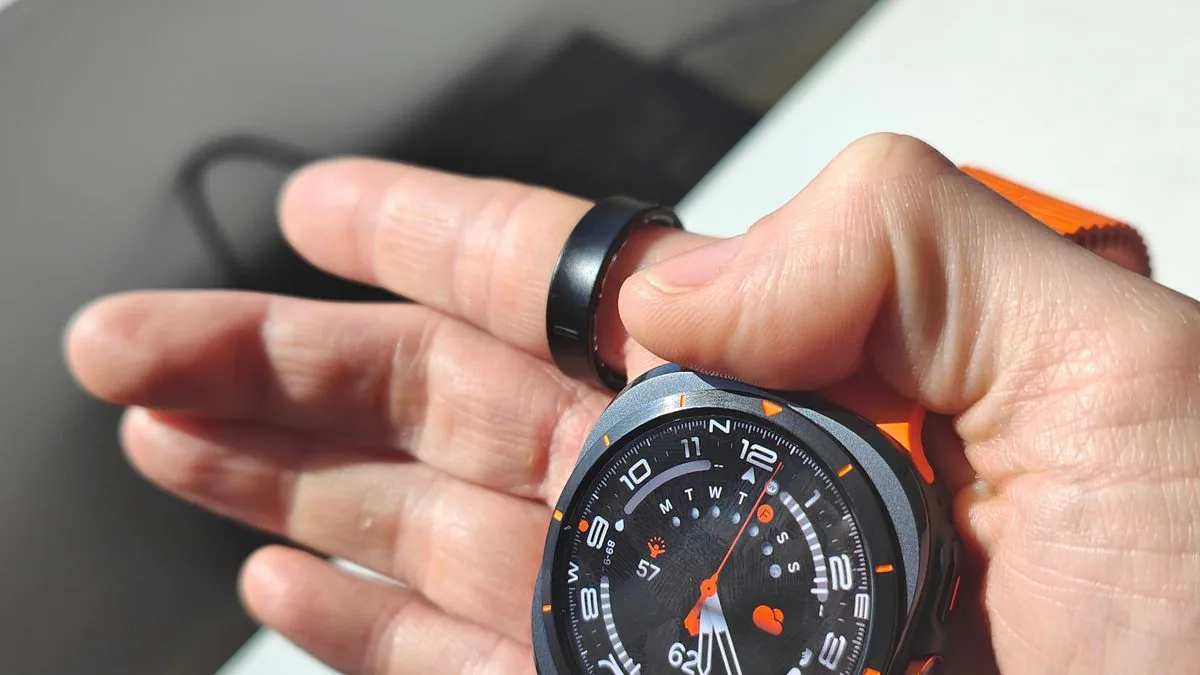
What are the differences between the formats
Smartwatches remain the most versatile type of wearable electronics. Apple Watch, Samsung Galaxy Watch, Garmin, Google Pixel Watch and Huawei Watch combine the functions of a fitness tracker, phone, and wallet. They allow you to take calls, receive notifications, use GPS, pay for purchases via NFC, and run apps. The only downside is that they need to be charged almost every day.
Smart rings follow a different philosophy. Oura Ring, Samsung Galaxy Ring, Ultrahuman Ring AIR, Amazfit Helio Ring and RingConn have no screen, but weigh only a few grams and work for up to two weeks without recharging. Due to their snug fit on the finger, they often track sleep, heart rate, and skin temperature more accurately.
At the same time, a new category of screenless wearable devices is developing. At CES 2026, AI gadgets with voice control were presented that help record conversations, create notes, and manage tasks. Among them are Limitless Pendant, Bee AI, PLAUD NotePin and Friend AI. For now, such devices complement the smartphone rather than replacing it.
Functions that are truly useful
Sleep and heart rate monitoring
Almost all modern smartwatches and rings track sleep duration and phases, heart rate, and wake-up times. These functions are considered among the most accurate. With proper fit, the device data is quite reliable, and smart rings, due to their snug fit on the finger, often show more stable results during sleep.
HRV and readiness index
Flagship models analyze heart rate variability, breathing, and skin temperature to assess the body's recovery level. This index helps determine whether it is worth training intensively today or if it is better to give the body rest, so many users really rely on it in their daily lives.
Blood saturation and skin temperature
SpO₂ and skin temperature sensors are useful primarily for tracking changes relative to your norm. For example, a sustained increase in temperature at night may signal the onset of illness, severe fatigue, or lack of sleep. However, manufacturers emphasize that such measurements do not replace medical devices.
ECG and arrhythmia detection
Apple Watch and some Samsung Galaxy Watch models can record a single-lead ECG and notify the user of possible signs of atrial fibrillation. The operation of these algorithms is confirmed by large-scale studies, including Apple Heart Study with the participation of more than 400,000 people. However, these functions are intended for early detection of possible disorders and do not replace a full examination by a doctor.
Fall detection
One of the most useful functions from a safety perspective. If the device detects a hard fall and the user does not respond, it can automatically offer to call emergency services and notify trusted contacts. This feature is especially in demand among the elderly, tourists, and athletes.
Women's health
Modern watches and rings help track the menstrual cycle, predict ovulation, and record changes in skin temperature.
Contactless payment
Another highly popular function is contactless payment via Apple Wallet, Google Wallet, and Samsung Wallet, which allows you to pay for purchases without a phone or bank card.
Functions to approach with caution
Not all functions that manufacturers equip wearable devices with are equally useful in everyday life.
— stress level assessment depends on the algorithms of a specific manufacturer. There is currently no single calculation standard, so the indicators of Apple, Samsung, Garmin, Oura, and other brands may differ significantly
— biological age, energy index, recovery level, and other "biohacking" metrics are based on calculated algorithms. They help track the dynamics of your condition, but are not medical indicators
— some features are available only by subscription. For example, advanced analytics in Oura or Fitbit become available after subscribing to a monthly plan, so before purchasing, you should consider not only the cost of the device but also potential additional expenses
— a large number of sensors does not always mean greater benefit. If the main task is to track sleep, heart rate, and daily activity, most users do not need dozens of additional sensors. Accuracy of measurements and ease of use of the device are much more important.
How to choose a device
If the main task is high-quality monitoring of sleep, recovery, and health without the feeling of a gadget on your wrist, you should pay attention to smart rings.
If calls, notifications, GPS, workouts, contactless payment, and the ability to use apps are important, smartwatches remain the most versatile choice.
AI gadgets are still in the early stages of development and are interesting primarily to those who want to test a new format of interaction with artificial intelligence.
At the same time, it is important to remember that even the most modern wearable devices are not medical devices. They help to pay attention to changes in the body's condition in time, but do not replace a doctor's consultation and a full examination.
The Tech on Telegram Follow The Tech on Telegram
Keep up with the latest technology and startup news.
Related reading




More from this author

Article Useful
How to protect your accounts from hacking: 8 settings you should check today
The Tech

Article Useful
500 Global: How the Accelerator Works and Who Can Receive Investments
The Tech

Article Interviews
Game Development in Central Asia: Arkady Moldavski on Developing Reverb and the Growth of the Industry
The Tech

Article Useful
Google, Tesla, BlackRock, and the IMF: Where to Apply for an Internship in Fall 2026
The Tech

News IT
Tesla unveiled the flying electric car Roadster
The Tech

News IT
Intero Biosystems startup won the Startup Battlefield at TechCrunch Disrupt 2026
The Tech