Why are Kazakhstani companies widely adopting gamification?
Aset Dosymkhanov is the founder of the venture studio Rockstar Bootcamp, with over eight years of experience in IT and product development. He has worked at Zerde, Astana Hub, and the Tech Hub of the International Financial Center "Astana," and served as Chief Growth Officer at the MOST Group of Companies. In his column, he analyzes specific Kazakhstani cases such as Magnum, inDrive, and "Zolotoye Yabloko," explaining why gamification has ceased to be merely a marketing gimmick and has instead become an infrastructure for growth and customer retention.
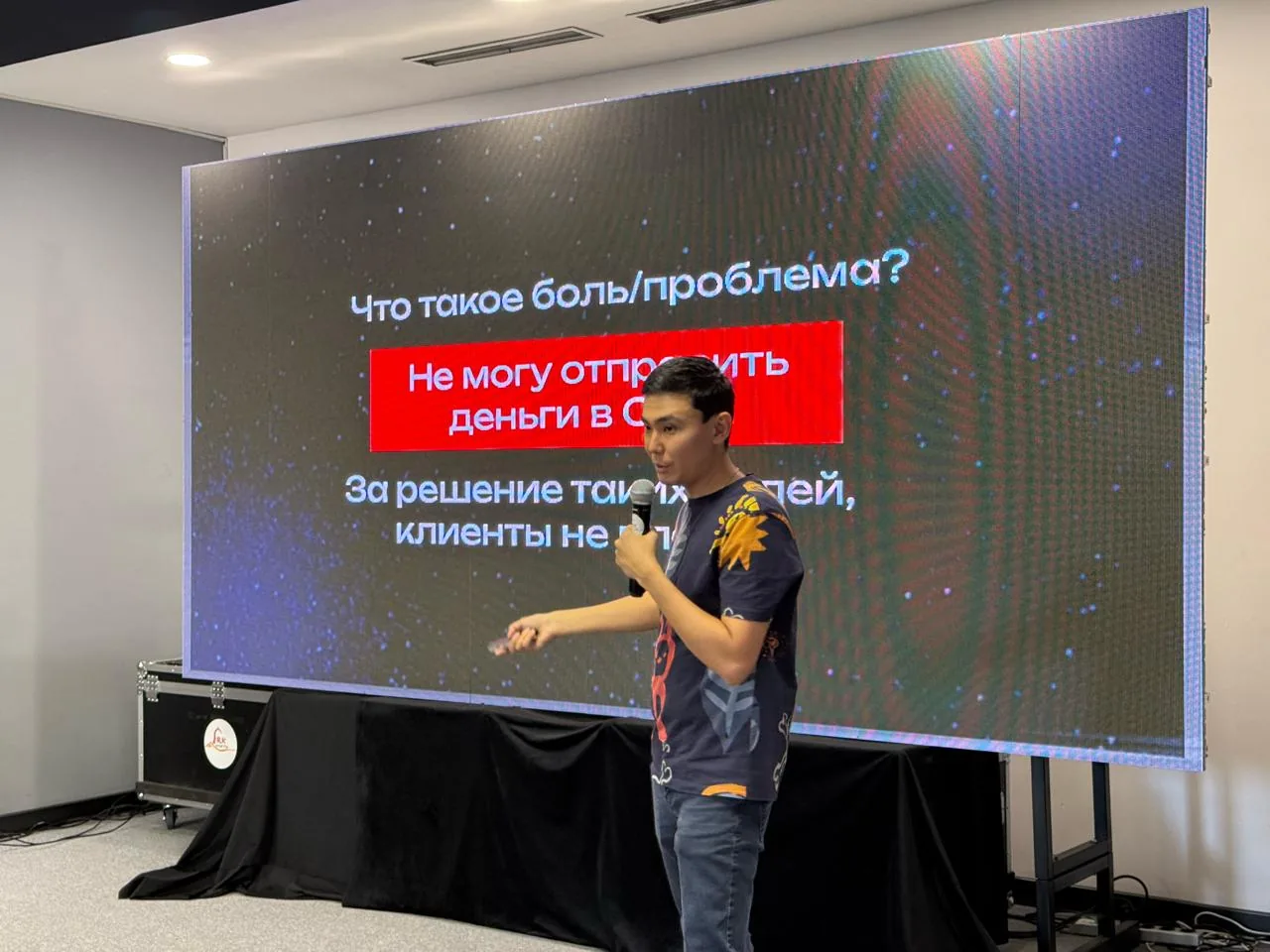
Aset Dosymkhanov, city — Almaty, founder of the venture studio Rockstar Bootcamp
Gamification has ceased to be mere entertainment; in Kazakhstan, it has already become a tool for business growth. Classic digital advertising is losing its effectiveness. Users skip banners, CTR is falling, and the cost of customer acquisition is rising. At the same time, TikTok, Instagram, and Threads algorithmically amplify content created by users themselves: the higher the engagement, the wider the reach. This means that brands continuing to "buy attention" are losing out to those who create an environment where users engage themselves, thereby increasing the time spent on competitors' platforms. Against this backdrop, gamification is becoming not a decorative element, but an integral part of the product and marketing model. Several companies have already proven this in practice.
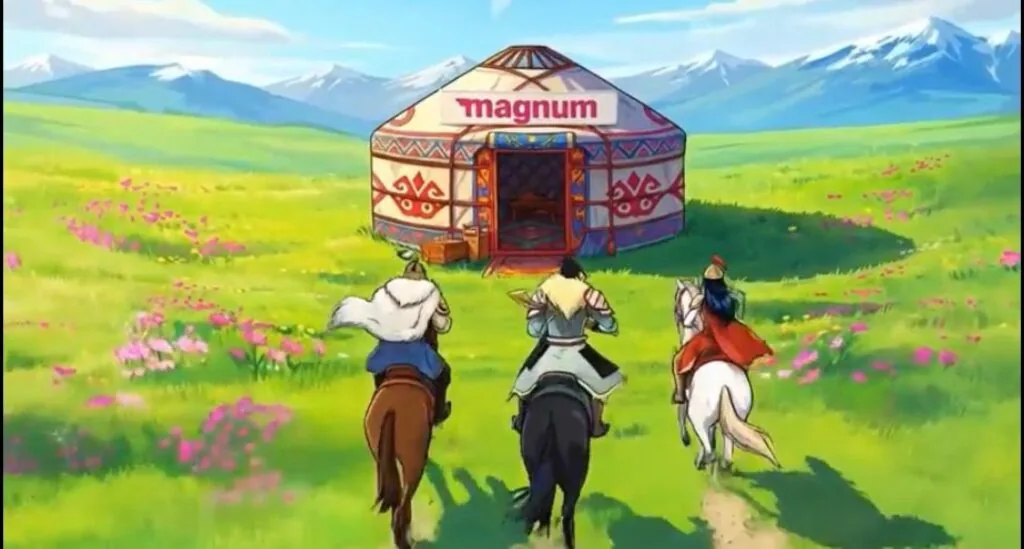
Magnum and a game in a national style
The Magnum Cash&Carry chain has integrated mini-games into its mobile application, including its most popular one, "Batyrlyar." Thanks to this, users open the application not only for their shopping list but also for interaction. A habit is formed. DAU/MAU increases, time spent in the application grows, and loyalty is strengthened through emotion and gaming experience. Essentially, Magnum has transitioned from a utilitarian application to an engagement platform.
inDrive: gamification built into the product's economy
inDrive uses bonus mechanics, challenges, and rewards for both drivers and passengers. The key difference is that gamification here does not exist separately from the business model; it is built into the very economy of the product. Through gaming incentives, the company balances supply and demand, increases user activity, and boosts the number of transactions.
"Golden Apple": beauty points as an architecture of retention
Classic loyalty works simply: purchase, bonuses, discount. The model is purely transactional, and the customer is loyal only as long as it is profitable.
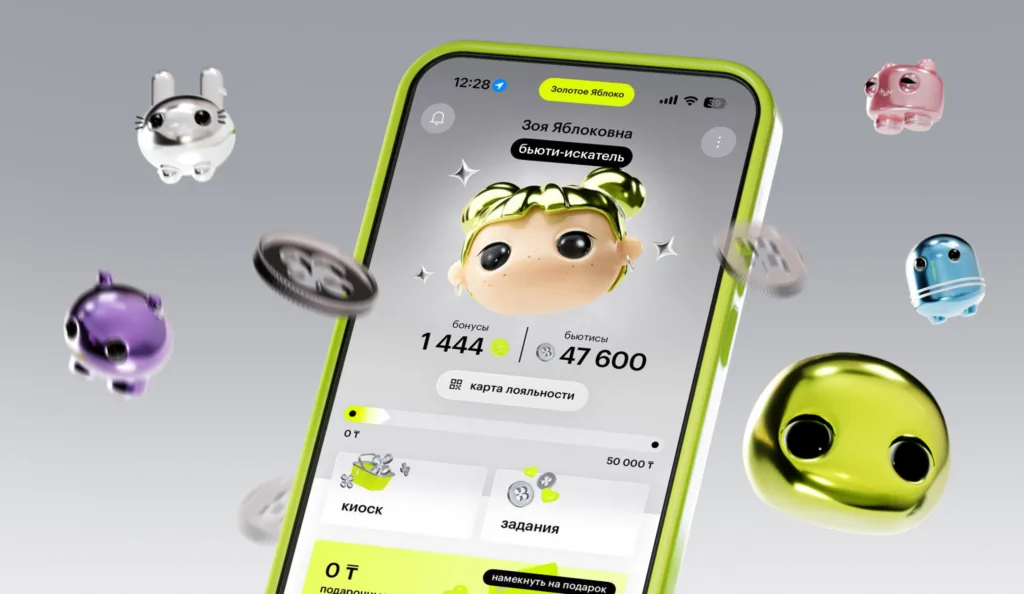
"Golden Apple" changed this approach by launching its own loyalty program. It introduced "beauty points" — they operate within a separate economy: exclusive merchandise, collaborations, digital bonuses in the "Kiosk." Beauty points are earned not only through purchases: the system awards them for reviews, reading content, and leveling up in the club. Since February 5, 45,000 clients have already chosen their reward in the Kiosk. This is supplemented by digital avatars and the "Beauty Tamagotchi" mechanic with character progression. According to the company, nearly 400,000 players are registered in the game in Kazakhstan today, 250,000 of whom play monthly, spending an average of 6.5 minutes per session.
Product logic: two parallel retention loops. Transactional and behavioral. A customer who has integrated into both does not leave the store, but the environment into which they have already invested time and status. The cost of switching is fundamentally different.
Three conclusions for companies that still view gamification as "entertainment in an app."
First, gamification is not a feature, but a strategy. It works when it is built into the product and marketing model, rather than added on top.
Second, user-generated content becomes the main growth channel, and gaming mechanics, in turn, become a way to scale it. A brand that encourages users to create and distribute content themselves gains organic reach that it previously had to pay for.
Third, those who create a unique experience win, not just those offering a service. Products compete not only on features, but on the level of emotions that buyers receive.
The Tech on Telegram Follow The Tech on Telegram
Keep up with the latest technology and startup news.
Related reading




More from this author

Article Useful
How to protect your accounts from hacking: 8 settings you should check today
The Tech

Article Useful
500 Global: How the Accelerator Works and Who Can Receive Investments
The Tech

Article Interviews
Game Development in Central Asia: Arkady Moldavski on Developing Reverb and the Growth of the Industry
The Tech

Article Useful
Google, Tesla, BlackRock, and the IMF: Where to Apply for an Internship in Fall 2026
The Tech

News IT
Tesla unveiled the flying electric car Roadster
The Tech

News IT
Intero Biosystems startup won the Startup Battlefield at TechCrunch Disrupt 2026
The Tech