Kazakhstan in the top 100 countries for gender equality. But there is still room for improvement.
Asem Bolatjan, author at The Tech and director of Women In Tech Kazakhstan, shared an overview of the new World Economic Forum report — the Global Gender Gap Index 2025. The WEF views the gender gap as a structural constraint on global economic growth. The better our positions, the more significant the impact on the economy.
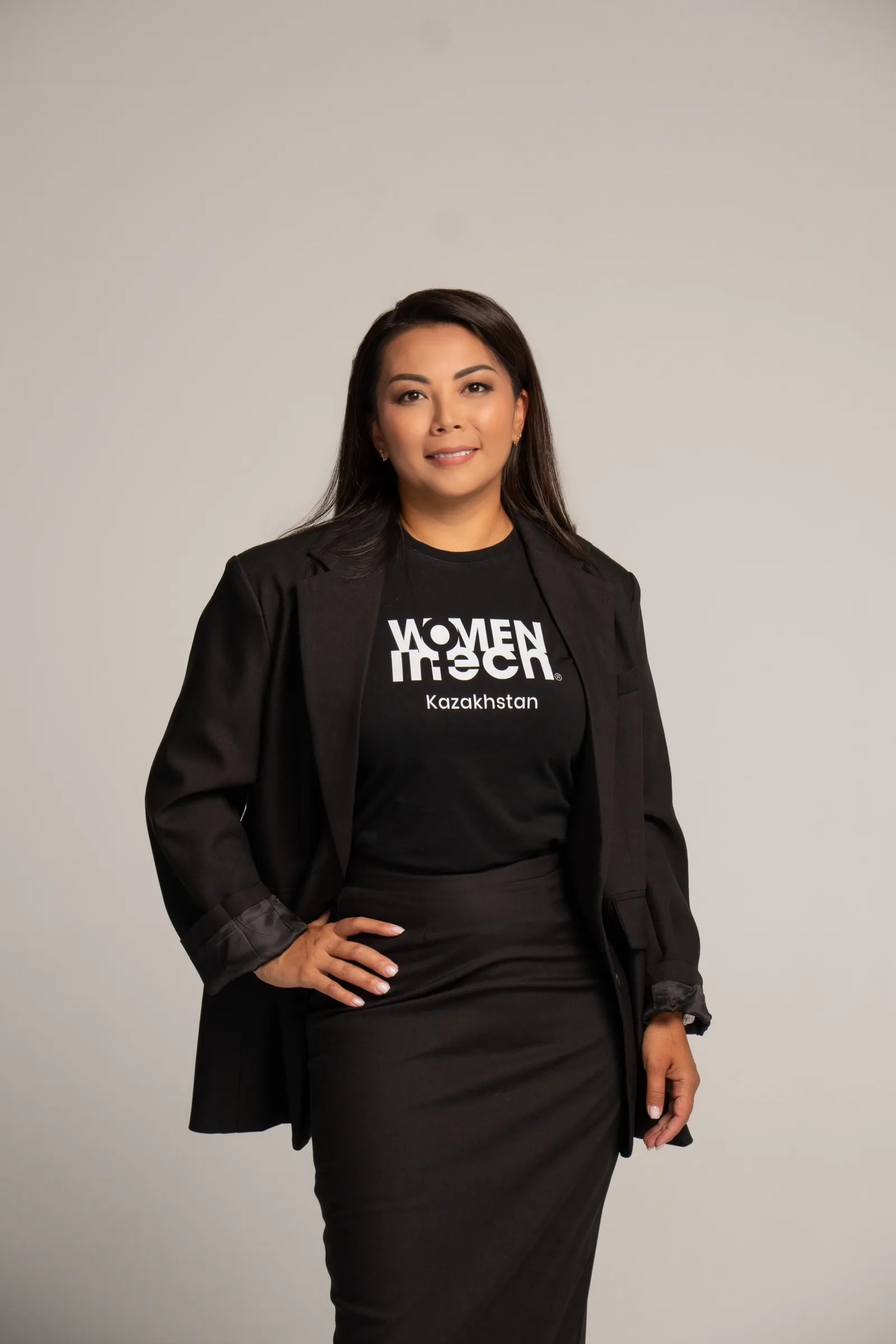
Asem Bolatjan, city — Almaty, director of Women In Tech Kazakhstan
Central Asia and Caucasus Overview
The annual Global Gender Gap Index assesses gender equality in 156 countries across four key dimensions.
The index is measured on a scale from 0% to 100%, where 100% indicates full gender parity.
What the Index Measures
The index consists of four sub-indices:
1. Economic Participation and Opportunity
Reflects women's participation in the labor market, income levels, access to managerial positions, and economic opportunities.
2. Education
Shows equality of access for women and men to basic, secondary, and higher education.
3. Health and Survival
Evaluates life expectancy and the sex ratio at birth.
4. Political Empowerment
Analyzes women's representation in parliaments, governments, and high-level state offices.
Regional Context
— Central Asia ranks fourth among world regions in overall gender parity — 69.8%
— the region is in the top 3 for education — 99.3%, and health — 97.3%
— however, the region has the second-lowest score globally for women's political participation — 11.6%.
Regional Country Rankings — Global Index
Georgia
63rd place globally
Index: 0.729
— strengths: economy and education
— political participation remains a key area for growth.
Kazakhstan
92nd place globally
Index: 0.698
— Kazakhstan is among the regional countries that have closed more than 70% of the gap in economic participation
— low economic participation and political engagement continue to hinder its ranking.
Kyrgyzstan
95th place globally
Index: 0.696
— relatively stable indicators in education and healthcare
— limited progress in political representation.
Azerbaijan
100th place globally
Index: 0.688
— one of the three regional leaders in women's economic participation
— improved standing due to increased economic representation.
Uzbekistan
110th place globally
Index: 0.678
— progress in the political sub-index
— education and health are close to parity.
Tajikistan
129th place globally
Index: 0.646
— relatively low indicator within the region
— lagging behind in education and economic participation.
Despite high levels of equality in education and healthcare, economic and especially political participation of women remain key growth areas for the countries in the region.
2025 showed that progress is possible, but it is uneven and requires systemic changes.
The Tech on Telegram Follow The Tech on Telegram
Keep up with the latest technology and startup news.
Related reading




More from this author

Article Useful
How to protect your accounts from hacking: 8 settings you should check today
The Tech

Article Useful
500 Global: How the Accelerator Works and Who Can Receive Investments
The Tech

Article Interviews
Game Development in Central Asia: Arkady Moldavski on Developing Reverb and the Growth of the Industry
The Tech

Article Useful
Google, Tesla, BlackRock, and the IMF: Where to Apply for an Internship in Fall 2026
The Tech

News IT
Tesla unveiled the flying electric car Roadster
The Tech

News IT
Intero Biosystems startup won the Startup Battlefield at TechCrunch Disrupt 2026
The Tech