How one trader bankrupted Barings Bank, which had a 233-year history
We continue the series of articles by the author of The Tech — co-founder of Investbanq, Talgat Kantayev. Previously, we published the article "The Investor's Story That Changed Wall Street's Rules."
The Tech AI
Get the key points in seconds - a short summary from The Tech AI.
Trader Nick Leeson, 27 years old, hid losses of $1.3 billion in account "88888," which led to the collapse of Barings Bank in 1995. This event became a turning point for the global financial system and changed the approach to risk management in banks around the world.
This time — the story of Nick Leeson, a trader whose decisions led to the collapse of Barings Bank, one of the UK’s oldest banks. This case became a turning point for the global financial system and changed the approach to risk management in banks worldwide.
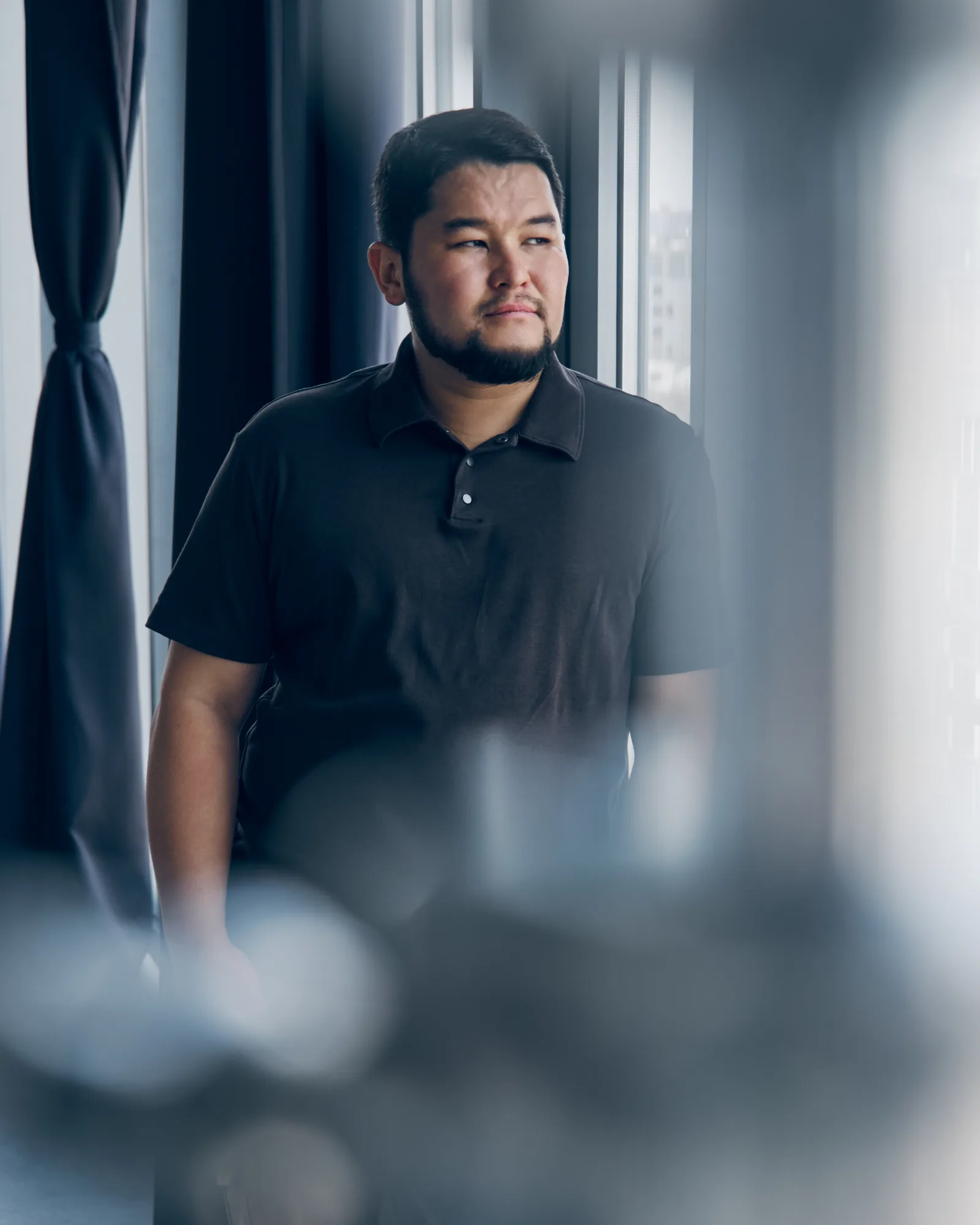
Talgat Kantayev, city — Almaty, co-founder of Investbanq, Instagram
Imagine a bank that financed the Napoleonic Wars, survived global crises, and worked with the British royal family. But in 1995, its story ended because of one person.
Nick Leeson was only 27 years old. He was considered a star of Barings Bank’s Singapore office and brought the bank huge profits by trading the Japanese Nikkei 225 index. However, behind the successful reports lay a dangerous truth.
When trades went into the red, Leeson did not record losses but hid them in a secret account called “88888,” falsifying reports. The situation became critical after a powerful earthquake in Kobe, Japan, on January 17, 1995. Markets plummeted sharply, and instead of reducing risks, Leeson doubled his bets, hoping for a recovery.
The result was catastrophic: the loss amounted to $1.3 billion — more than the entire capital of the bank. The UK’s oldest investment bank went bankrupt and was sold for just one pound sterling.
“My job was to make money, and I made it... until I stopped,” Leeson later said.
But the most interesting part began after the collapse.
The Barings story became a turning point for the entire global financial system. Regulators realized that even the largest banks could collapse due to weak oversight.

After this case, new rules were introduced worldwide:
1. Separation of duties. A trader can no longer simultaneously execute trades and control their accounting. Front-office and back-office functions became independent of each other.
2. Strict licensing. In Singapore and other countries, requirements for trader certification and information exchange between regulators were strengthened. Violating rules in one country can now close doors to the financial industry worldwide.
3. Enhanced internal audit. Regulators began checking not only financial performance but also the management systems within banks: who reports to whom, who makes decisions, and who is responsible for risk control.
The lesson of this story remains relevant in 2026: the largest disasters often occur not because of complex technologies or market crises, but due to a lack of oversight. If one person can make decisions, hide mistakes, and audit themselves — the question is not whether a disaster will happen, but only when it will occur.
The Tech on Telegram Follow The Tech on Telegram
Keep up with the latest technology and startup news.
Related reading




More from this author

Article Useful
How to protect your accounts from hacking: 8 settings you should check today
The Tech

Article Useful
500 Global: How the Accelerator Works and Who Can Receive Investments
The Tech

Article Interviews
Game Development in Central Asia: Arkady Moldavski on Developing Reverb and the Growth of the Industry
The Tech

Article Useful
Google, Tesla, BlackRock, and the IMF: Where to Apply for an Internship in Fall 2026
The Tech

News IT
Tesla unveiled the flying electric car Roadster
The Tech

News IT
Intero Biosystems startup won the Startup Battlefield at TechCrunch Disrupt 2026
The Tech