How a gaming studio from Georgia sold over 150,000 copies of games and is launching a publishing house
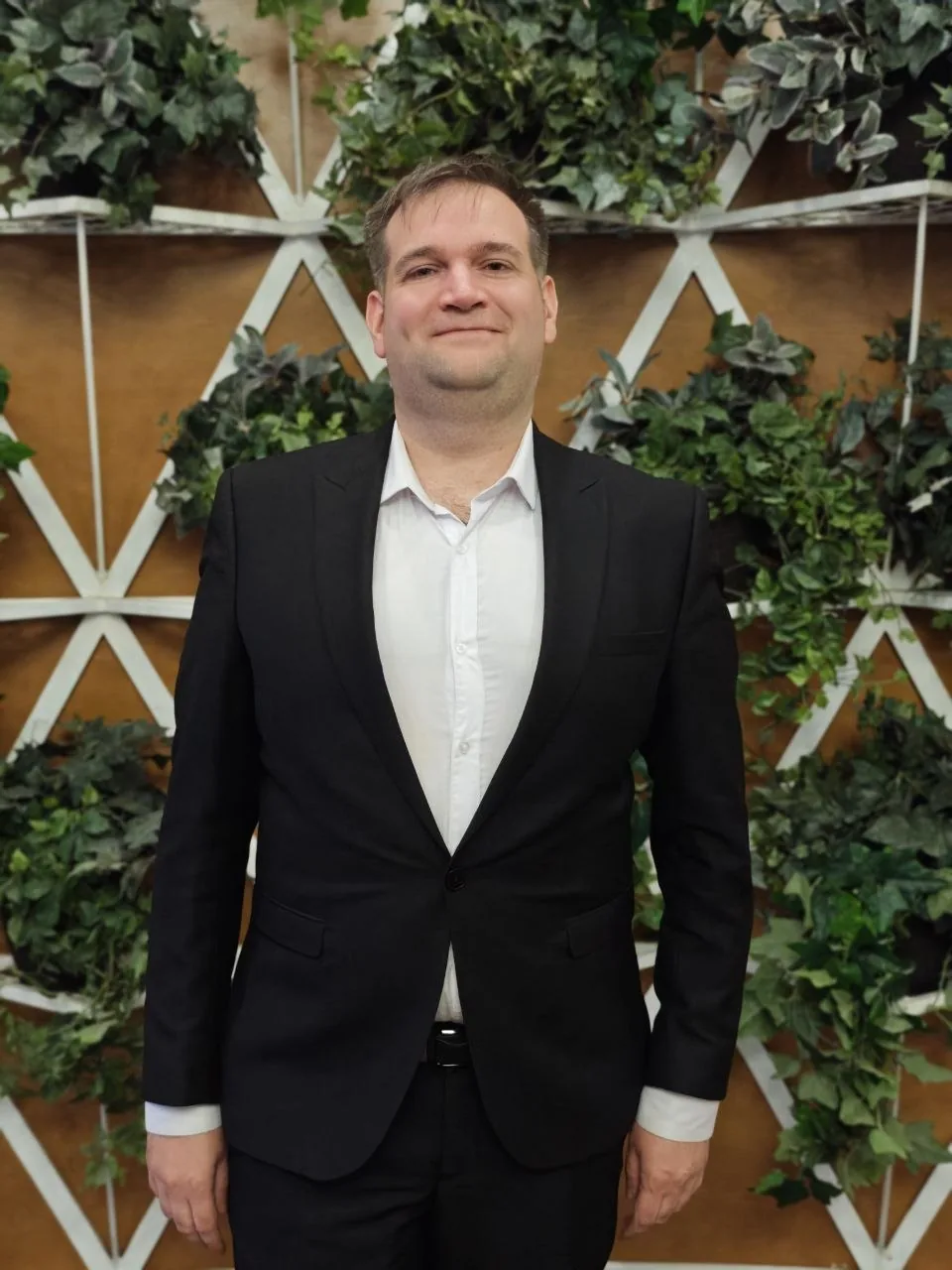
Co-founder of Synthetic Domain studio and marketer Alexey Belyakov is developing several gaming projects, helping launch a publishing house, and researching the market of Turkic countries for Steam Game Map. We spoke with him about why Steam cannot be replaced by local platforms, which Central Asian countries are developing game development faster, and what the region needs to have its own successful game studios.
Alexey Belyakov, city — Batumi, Founder, CEO / Marketing Director, LinkedIn, Telegram
About Me
Before entering the game development industry, I worked in marketing, launched projects in the creative economy, and developed my own agency. This experience helped me build an approach to working with products and teams.
Today, I combine several roles: I am responsible for marketing, process organization, and managing game projects. Thanks to my business background, it is easier for me to build teams, work with audiences, and develop new products.
Path to the Profession
My path into game development was atypical. In 2018, I met my future partner, who suggested trying my hand in the gaming industry. At that time, I knew almost nothing about it, but I decided to figure it out.
In 2020, we released our first game on Steam. At the start, it did not receive much attention, but instead of abandoning the project, we continued to develop it, experimented with promotion, and improved the product. As a result, this very game became the foundation of the studio's success: by May of this year, the combined sales of our games exceeded 150,000 copies.
This experience shaped my approach to work. I prefer to dive deeply into the product, look for opportunities for its development, and work for the long term, rather than chasing trends.
My main background is in marketing, so this area became my strong suit. I had to learn almost everything on my own. Today, this experience helps me launch new projects, test marketing approaches, and participate in the development of game development, including in Central Asia.
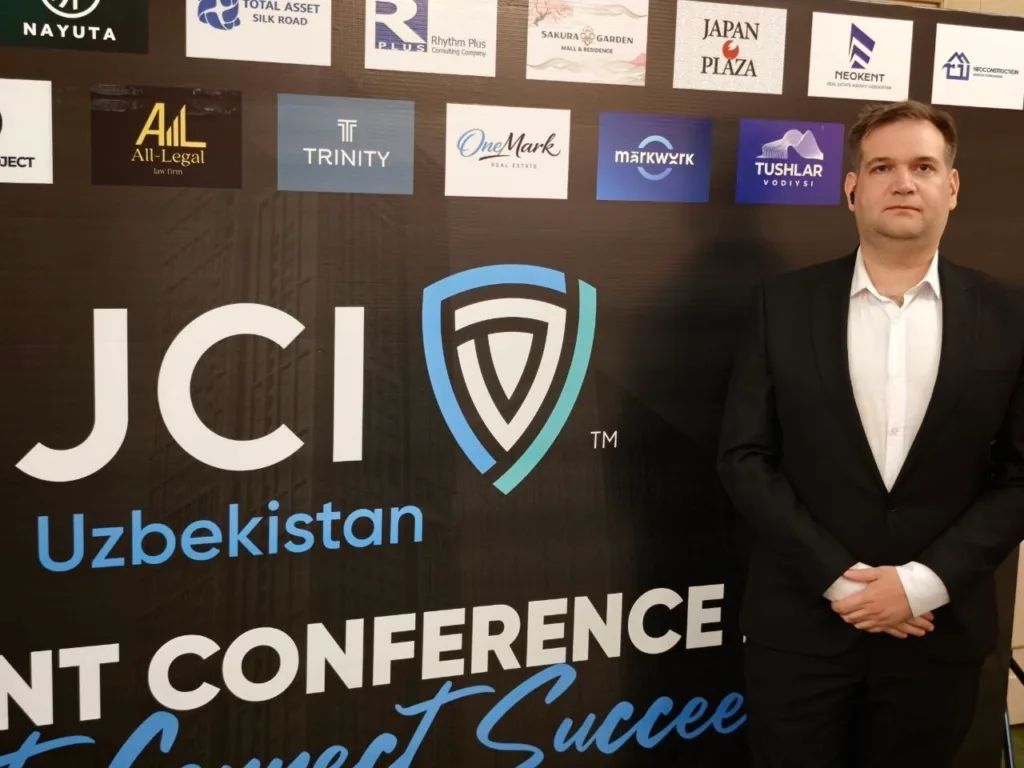
About Projects
One of the new directions is the publishing house Azium. The project is launched by Igor Ustinov, former head of the company "Buka," and I am responsible for developing the marketing direction and helping to establish processes. Additionally, two more international publishing houses are preparing for launch.
Together with BLACKBALANCE GAMES and the creator of Russian Game Fest, we are also developing the TrivoPR.com platform — a service for analyzing and optimizing PR in PC gaming. The platform helps developers approach game promotion more consciously. It includes the largest database of gaming festivals, publishers, and AI-based tools for analyzing games and Steam pages. Currently, more than 100 users are testing the product.
Among this year's marketing projects are the pixel games festival Crunchy Pixel on Steam and Uzbekistan Game Fest. At the same time, I continue to develop my own studio, Synthetic Domain. In May, we released the visual novel "Notes from the Bunker," or The Bunker Notes, whose sales reached about 5,000 copies. The project was developed for over seven years and simultaneously served as a demonstration of our own engine for creating visual novels without programming skills. During the process, we realized that the genre lacked accessible and convenient tools, so we began creating the MIMI Engine — a game engine for development without knowing code.
Our first and most successful project remains Mainframe Defenders. It was this game that formed my understanding of marketing in game development and the principles of promotion in the global market. Another project, Lords of Ravage, collected more than 75,000 wishlists on Steam at launch.
Currently, I am compiling a large database of Turkic games for the Steam Game Map project and simultaneously studying the development of the gaming industry in the region.
Achievements
I have personal awards and victories in competitions, but the results of projects are more important to me.
Since 2014, I have headed the marketing agency MEGA9PIXEL.studio, engaged in marketing, design, launching advertising campaigns, as well as creating promotional and commercial games. In parallel, I participated in IT, media, and public initiatives, launched startups, crowdfunding platforms, and information portals, and worked on social projects.
In 2020, I founded the game studio Synthetic Domain and began working on the development and self-publishing of games for PC and consoles. Our first commercial project, Mainframe Defenders, received international awards and nominations, including at Indie X in Portugal and TooManyGames Indie Game Awards in the USA. Today, the game has more than 710 user reviews on Steam and has become a successful commercial release for the studio.
In subsequent years, we released Lords of Ravage and The Bunker Notes. These games were featured on IGN, entered specialized rankings, and received nominations at international events.
Over the course of my work, I have accumulated extensive experience in interacting with publishers, investors, and funds, and participated in concluding investment, licensing, and publishing deals. I also engage in the development of gaming events, PR, and professional communities, including the Trivo platform.

Skills and Profession
Today, networking and mentoring help stay up to date with trends, as education does not always keep up with the rapid changes in the market. In game development, it is not so much individual skills that matter, but understanding the industry, gaming experience, and visual literacy. Despite the development of technologies and the emergence of new genres, the basics of game creation remain unchanged.
Even high-quality marketing does not guarantee success — popularity is often achieved by projects that resonate with the audience. The main task of the developer is to create a product that players need.
This cannot be learned solely from textbooks. Practice, mistakes, and development experience are key factors in professional growth. AI tools help create prototypes faster, but they do not replace understanding of processes and do not reduce the level of competition.
Most indie teams face problems with budget and schedule planning, so true expertise comes only with experience. Mentors, teachers, and AI can provide basic knowledge, but mastering game development without real practice is impossible.
You can launch your first game without development skills by assembling a strong team. But in this case, competencies in management, finance, and process organization are necessary.
How the Gaming Industry is Developing in Central Asia and the Caucasus
The gaming industry today is built around global platforms, and the main one remains Steam. Despite attempts by competitors to create alternatives, Steam has become the primary platform for selling PC games due to its ecosystem, which unites the store, the player community, and tools for developers. If a studio wants to reach an international audience, it is practically impossible to do without this platform today.
At the same time, the market has divided into several segments: console, PC, and mobile. Mobile gaming remains the most mass segment due to the accessibility of smartphones, while PC development is oriented toward a narrower audience.
In Central Asia, mobile gaming also predominates. If we talk about successful projects in the region, it is most often about mobile games. However, Kazakhstan looks interesting from the point of view of PC development as well. Moreover, Kazakhstan has successful mobile projects. One of the car games — Grand Games, as far as I remember, accumulated about 60 million downloads. Also, the Roblox direction is actively developing in the country — many teams work specifically in this ecosystem. Overall, Kazakhstan is developing similarly to most of the global game development industry — primarily due to private initiatives and investments.
If we talk about state investments, one of the few successful examples is South Korea. The country invested significant funds in the development of the film industry, and today Korean content is known worldwide.
Uzbekistan is also moving in this direction: it is oriented towards exports, actively developing the IT sector, and betting on state support for technological and creative industries. I attended GameFest Uzbekistan and noticed that there were almost no teams with released projects among the participants. Therefore, it is important for Uzbekistan to accelerate the formation of its own gaming ecosystem.
If we talk about Kyrgyzstan and Tajikistan, the situation there is largely similar. However, according to my observations, Kyrgyzstan is already ahead of Uzbekistan in the number of released games, despite having fewer studios. In Tajikistan, the industry is still in its infancy.
In this sense, Uzbekistan and the UAE have certain similarities. Both countries have strong trading traditions, but historically have not formed their own technological and gaming school. At the same time, Uzbekistan has good prospects. The country is capable of attracting international companies, opening branches, and creating development and outsourcing centers.
But it is worth noting the significance of successful cases. For example, the game Windrose effectively became the best advertisement for Uzbek game development. It showed the international market that Uzbekistan is capable of creating commercially successful game projects of world class.
As for Georgia, the epicenter of local game development is in Tbilisi. However, the industry here is mainly focused around mobile games, crypto projects, and crypto games. In addition, many outsourcing offices and branches of international companies operate in the country.
Therefore, if we compare, Kazakhstan and Uzbekistan today look much more promising in terms of developing their own gaming industry. In Georgia, this direction is developing significantly slower, and the country's economy is still largely oriented towards tourism.

Plans
We are considering entering the Central Asian market with a new publishing direction and plan to attract gaming projects from the region into our portfolio.
An acceleration program called GameDev Goethe is already underway in Uzbekistan under the leadership of Akmal Salikhov. We are considering the possibility of cooperation and want to offer publishing support to the winners or the most promising teams. In addition, the publishing house will have the opportunity to invest in projects, which will allow using different formats of interaction with developers.
Overall, we plan to develop this direction in CIS and BRICS countries and are closely monitoring the market. We see potential in both Kazakhstan and Uzbekistan. At the same time, in Uzbekistan, the industry is still in its formative stage, so there is still a lot of work ahead to develop the ecosystem.
Advice for Beginners
To develop the gaming industry in Central Asia, it is important to move in several directions at once.
First of all, incubators and support programs for game studios are needed. Uzbekistan is already taking steps in this direction: it was recently announced about plans to create incubators based on IT hubs and launch a state order for game development.
Secondly, it is extremely important to form independent expertise. At the early stage of industry development, it is difficult to assemble an expert council that will objectively evaluate projects and help the market grow. Therefore, it is necessary to attract international specialists and establish transparent decision-making mechanisms.
Another important direction is the creation of industry associations that would represent the interests of the gaming industry and establish systematic dialogue with the state. Such organizations should unite market participants and promote initiatives necessary for the development of the ecosystem.
And finally, it is important to remember that a successful gaming industry is built primarily around the creation of commercially viable products. Games with a national context can become a strong tool for promoting culture, but for this, long-term investments and systematic work on forming interest in the region and its cultural heritage in the international market are necessary.
The Tech on Telegram Follow The Tech on Telegram
Keep up with the latest technology and startup news.
Related reading



More from this author

Article Useful
How to protect your accounts from hacking: 8 settings you should check today
The Tech

Article Useful
500 Global: How the Accelerator Works and Who Can Receive Investments
The Tech

Article Interviews
Game Development in Central Asia: Arkady Moldavski on Developing Reverb and the Growth of the Industry
The Tech

Article Useful
Google, Tesla, BlackRock, and the IMF: Where to Apply for an Internship in Fall 2026
The Tech

News IT
Tesla unveiled the flying electric car Roadster
The Tech

News IT
Intero Biosystems startup won the Startup Battlefield at TechCrunch Disrupt 2026
The Tech