How Uzbekistan native Uchkun Tulavov created the FinTech platform Bito, valued at over $10 million
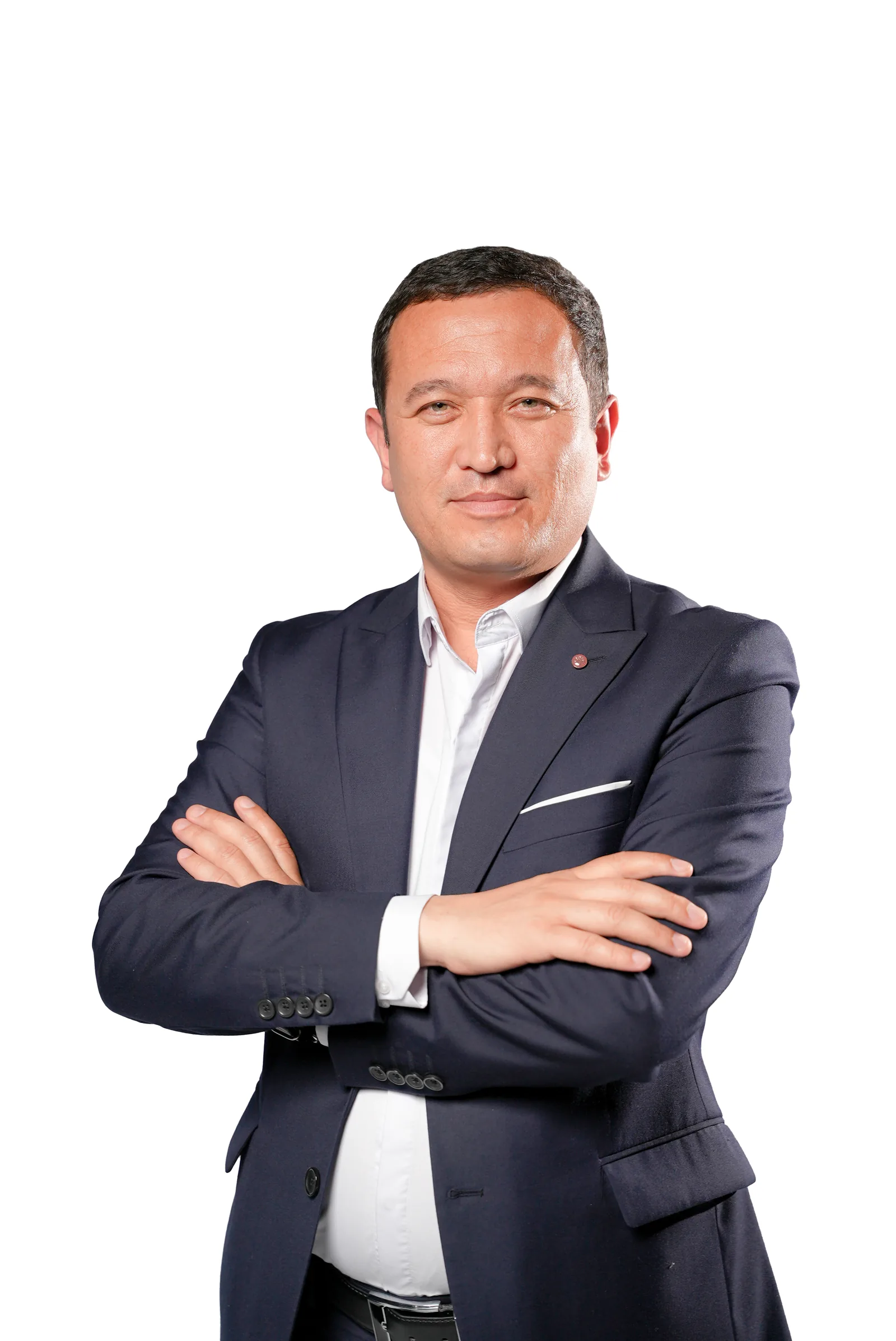
The startup from Uzbekistan has evolved from a simple idea of business automation into a comprehensive management ecosystem for small and medium-sized businesses. Today, the product integrates ERP, payment solutions, and service modules, is used by thousands of companies, and is gradually transforming into a FinTech platform with banking services.
Uchkun Tulavov, City — Tashkent, Founder & CEO Bito, Instagram, LinkedIn
How it all began
I started my first business in 2003. In 2018–2019, we organized business training for entrepreneurs and HR specialists, and that’s when I identified a major problem: small and medium-sized businesses were often unstructured—warehouses, management, and reporting were chaotic, and decisions were made intuitively.
At that time, I had the idea to create a system that would allow complete business management through software and automation. We began developing the product—an internal management system—and by 2019, we launched the first version, which is still in use today.
During the quarantine period, when I had more time, I continued to develop the project. I had a team of four or five developers who helped automate processes within the company. Among them was a strong developer who later became a partner in the development of the ecosystem.
Startup Launch
We wanted to create not just automation, but an ecosystem and a management standard for small and medium-sized businesses—with banking and other services. Later, we added AI to simplify management and business processes. I personally designed the product and spent about three months learning Figma to visualize the idea, after which we began development.
I am not a developer, but I had a partner, and together we launched the project. For the first two to three years, it was a boxed version that we sold as a ready-made solution—over 500 implementations in total. Then, in December 2023, we launched the SaaS version 2.0.
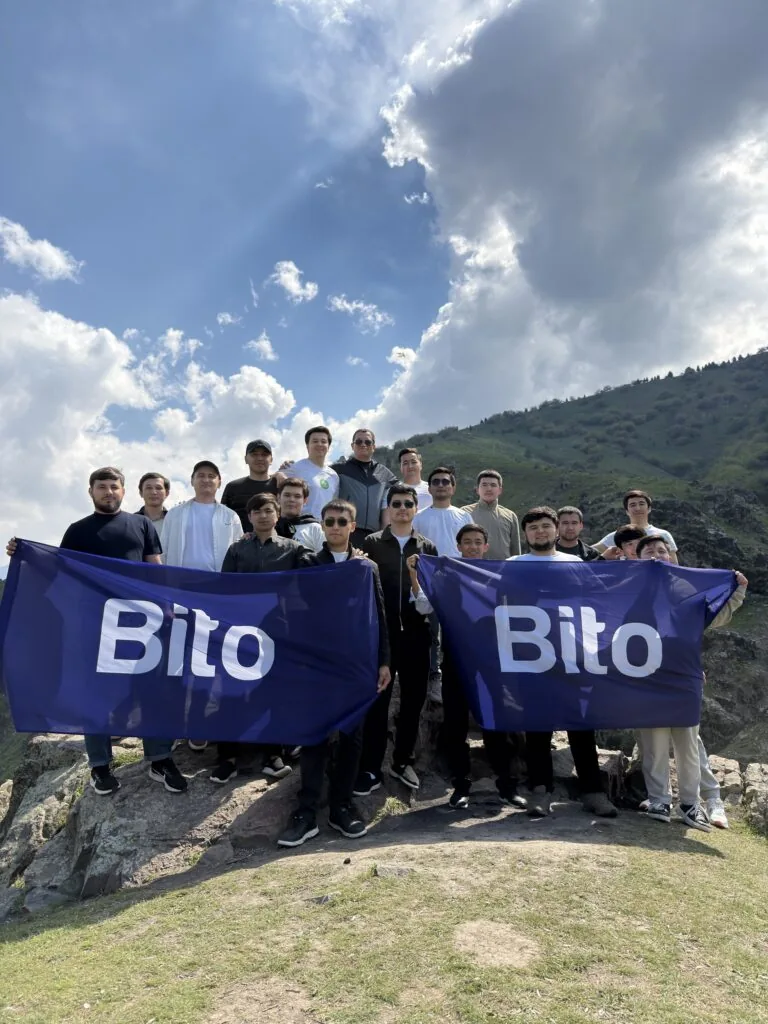
We began assembling the team gradually but faced a shortage of strong developers—many left for international companies that opened offices in Uzbekistan. So, we opened our own academy and started training specialists ourselves. Our goal was not profit, but finding and nurturing talent. We selected those who were already self-taught and showed initiative.
Thus, we built our own training methodology. Today, the academy has trained a large number of developers, and about 40–50% of our team consists of its graduates.

Target Audience
The primary audience is small and medium-sized businesses, but we also work with large companies, optimizing their processes. However, the key focus remains on small and medium-sized businesses because we are creating a management standard specifically for this segment.
Currently, our solutions are used by companies from various sectors. At the same time, we continue to expand the product: we have a modular system, and today more than six modules are already operational.
This is not a single product, but an ecosystem. It includes an ERP system, payment solutions, online stores, and other service modules. We are also currently launching FinTech modules and continuing to develop the platform as a full-fledged business ecosystem.
Incubation Programs
We have participated in several programs. The first was Startup Garage—an incubator and accelerator—for which we gave up 1% of the company. By the way, they have already successfully sold this percentage. For us, it was our first experience working with a venture organization.
Later, we joined Plug and Play. After this program, we experienced significant growth: we learned to focus more precisely, implemented proper product segmentation, and overall, it greatly accelerated the company’s development.
Regarding startup funding: in the very beginning, it was our own resources. At that time, we did not yet have full-fledged software; we only had an idea, and we started selling it to users. Some paid $2,000, others $3,000. In this format, they effectively invested in the project and received free use of the system for their business.
In this way, we raised over $1 million at an early stage. After that, we invested in development ourselves—about $2 million. Then, venture investments came from Aloqa Ventures, IT Park Ventures, and MOST Ventures, and currently, one deal is in the final stages.
On Difficulties
When we launched the SaaS product, one of the biggest challenges was human resources. We sold the product to companies, implemented it, helped, and trained business owners. However, clients often lacked employees who could work with such a product.
This led to significant losses: employees did not understand the system and could not work with it effectively. So, we launched a separate module—Bito Academy.
We began looking for unemployed people and training them as integrators. Primarily, we selected those who had studied programming but could not find a job. We trained them and then directed them to entrepreneurs.
In this way, we addressed one of the key problems.
We not only provide software but also supply personnel for implementation. Currently, we have trained over 3,000 people, and many of them are already working. We do not look at diplomas or education—we offer a free one-month course. We train unemployed individuals and then help them find employment. Clients who purchase the product pay for the training.
If I were to give advice to entrepreneurs: I always share what I have personally experienced. It is important for the founder to clearly understand what they want and be able to sell their idea even at the concept stage. If you can sell the idea, the product will likely succeed. If not, it is merely an interest without real demand.
Another important point is that many think venture capital is “easy money,” but in reality, it is very responsible money.
Achievements
Today, we have over 2,000 companies and 14,000 users, as well as more than 100,000 transactions. Total investments exceed $2 million, of which about $300,000 is venture capital, and the rest is our own funds. The latest company valuation is over $10 million. We operate throughout Central Asia.
We also have experience mentoring and working with other startups—with some teams, we are still in touch and continue to communicate.
Regarding our own learning, the incubator-accelerator program Startup Garage had a particularly strong impact on us. Intensive work with mentors helped us rethink our sales model, which noticeably boosted company growth and increased its capitalization.
Plans
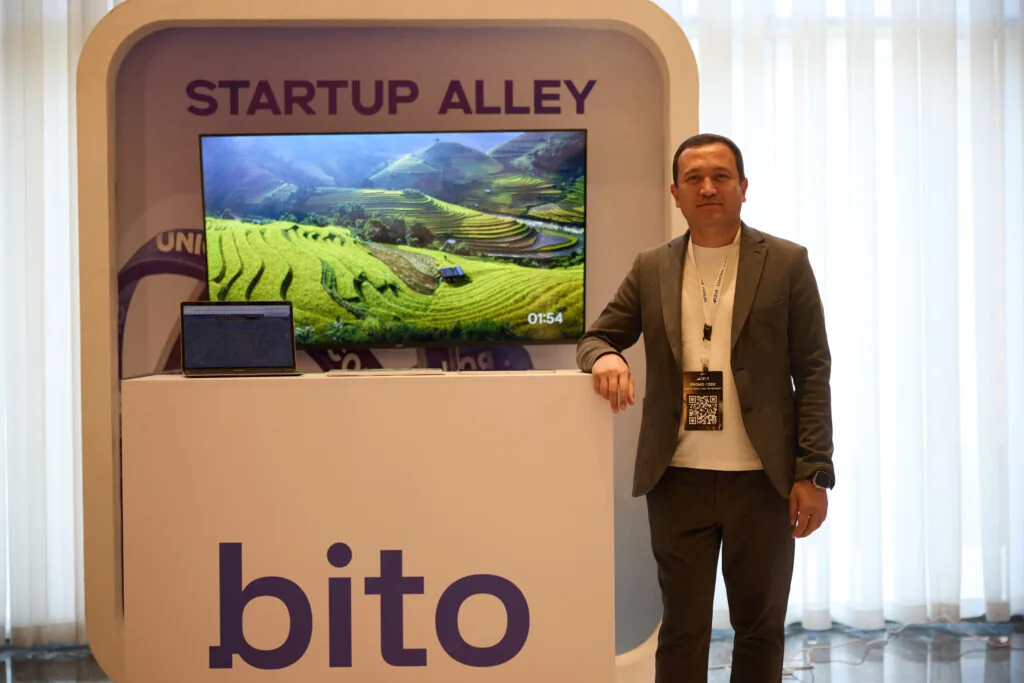
We are building not just automation, but a management standard for small and medium-sized businesses. Therefore, it is currently important for us to add banking services to the product and develop the neobank direction. Essentially, our key task right now is to build a FinTech ecosystem, and our product is gradually transforming into it.
We are focusing heavily on this until the end of the year, and we have already begun moving in this direction.
The Tech on Telegram Follow The Tech on Telegram
Keep up with the latest technology and startup news.
Related reading



More from this author

Article Useful
How to protect your accounts from hacking: 8 settings you should check today
The Tech

Article Useful
500 Global: How the Accelerator Works and Who Can Receive Investments
The Tech

Article Interviews
Game Development in Central Asia: Arkady Moldavski on Developing Reverb and the Growth of the Industry
The Tech

Article Useful
Google, Tesla, BlackRock, and the IMF: Where to Apply for an Internship in Fall 2026
The Tech

News IT
Tesla unveiled the flying electric car Roadster
The Tech

News IT
Intero Biosystems startup won the Startup Battlefield at TechCrunch Disrupt 2026
The Tech