SpaceX IPO: The Largest Offering in History and the World's First Trillionaire
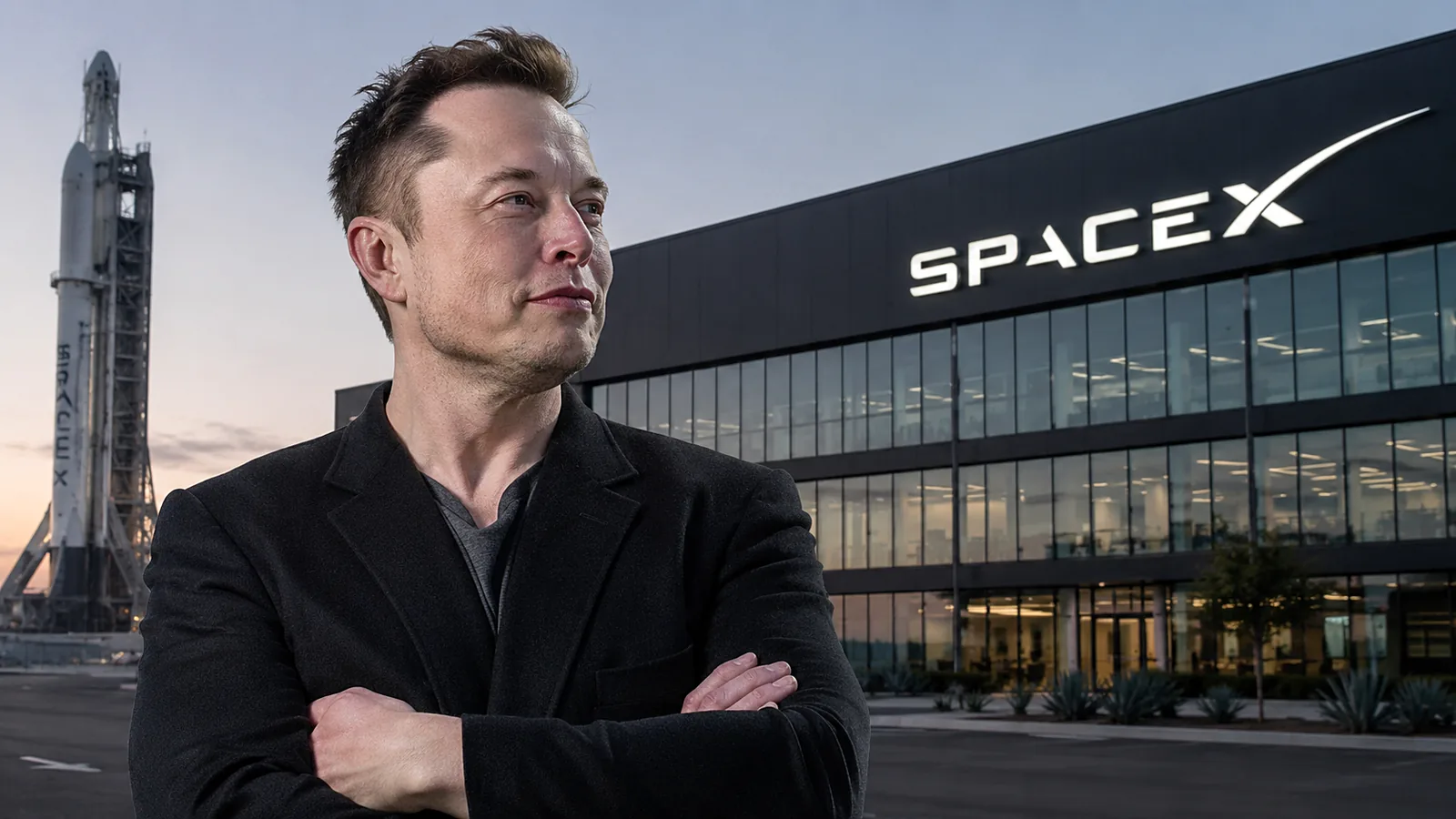
On June 12, 2026, SpaceX went public on the Nasdaq stock exchange and conducted the largest IPO in history. The company raised $75 billion, its market capitalization exceeded $2 trillion on the very first day, and Elon Musk became the first person in the world with a net worth exceeding one trillion dollars.
What is an IPO and why does SpaceX need it
An IPO is when a private company sells its shares to the general public on an open exchange for the first time. Until this moment, only large funds and select investors could invest in SpaceX. Now — anyone can through a regular broker.
SpaceX placed more than 555 million shares at $135 each and raised $75 billion. This is three times the previous world record: in 2019, Saudi Aramco raised $26 billion. Moreover, about 30% of shares were reserved specifically for retail investors — individuals. For an IPO of this scale, this is atypically high: usually, retail investors receive about 10%.
The first day on the exchange
Trading under the ticker SPCX opened at $150. During the day, shares rose above $176, closed at $160.95 — a 19% increase from the offering price. After the close of the main session, the paper continued to rise and in evening trading reached $166.
Over 500 million shares changed hands in a day — the trading volume is comparable to Facebook's debut in 2012, which long remained the record.
An hour before the opening of trading, SpaceX launched a Falcon 9 rocket — the 650th flight of this model. The rocket put Starlink satellites into orbit while the company's shares were preparing for their first trades on Nasdaq.
What the money will be used for
In the IPO documents, the company outlined three areas: development of the rocket business, expansion of Starlink, and a large-scale pivot toward artificial intelligence.
In February 2026, SpaceX acquired Elon Musk's AI startup xAI. Now the company plans to build data centers on Earth, develop its own AI chips, and launch orbital data centers in space powered by solar energy.
Musk opened the trading day from Texas — from behind the podium at Starbase, while company president Gwynne Shotwell and CFO Bret Johnston rang the bell at the New York Stock Exchange. Musk admitted that at the beginning of the journey he gave the company less than a 10% chance of success — and added that SpaceX's ultimate goal has not changed: the Moon, Mars, and beyond.
The first of three major AI IPOs
The SpaceX placement is not just a record. It is the first of three major AI-related IPOs that the market expects in 2026. Following this, OpenAI and Anthropic have already filed documents for placement. Analysts expect their debut in the fall.
Goldman Sachs President John Waldron, one of the deal organizers, called this a signal: markets are ready to finance the construction of next-generation AI infrastructure.
Why not everyone is satisfied
SpaceX is currently unprofitable — and this is one of the main questions about the company after the IPO. In the first quarter of 2026, the net loss amounted to $4.3 billion. Revenue for all of 2025 was $18.7 billion. These are large sums of money, but not for a company valued at $2 trillion.
Analysts at Morningstar valued SpaceX at $780 billion — more than twice below the market price. According to them, uncertainty around the business is very high: risks are related to regulation, AI monetization, and strong dependence on one person. The only profitable segment of the company today is Starlink.
What's next
After its debut, SpaceX became the sixth largest public company in the US by market capitalization. If it were already included in the S&P 500 index, its share would account for more than 5% of the entire index.
Now the company also has obligations to public investors. Most shareholders will be able to sell their shares 180 days after the IPO — this is a standard lock-up period, during which early investors cannot exit their positions. For Musk, this period is longer — 366 days. This means the founder will not be able to sell any shares for at least a year.
The Tech on Telegram Follow The Tech on Telegram
Keep up with the latest technology and startup news.
Related reading




More from this author

Article Useful
How to protect your accounts from hacking: 8 settings you should check today
The Tech

Article Useful
500 Global: How the Accelerator Works and Who Can Receive Investments
The Tech

Article Interviews
Game Development in Central Asia: Arkady Moldavski on Developing Reverb and the Growth of the Industry
The Tech

Article Useful
Google, Tesla, BlackRock, and the IMF: Where to Apply for an Internship in Fall 2026
The Tech

News IT
Tesla unveiled the flying electric car Roadster
The Tech

News IT
Intero Biosystems startup won the Startup Battlefield at TechCrunch Disrupt 2026
The Tech