Elon Musk said how many years it will take for robots to replace doctors
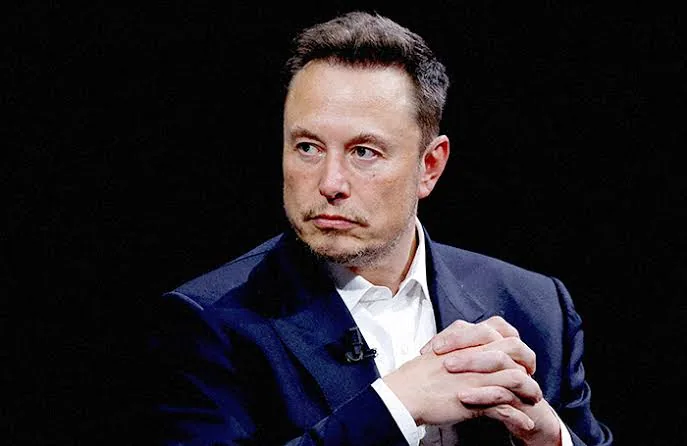
Elon Musk stated that in three years, Optimus robots will perform surgeries better than the world's best surgeons, and attending medical school will soon lose its relevance. The founder of Tesla and SpaceX shared this during the Moonshots podcast with Peter Diamandis and Dave Blandin. In the conversation, they discussed the future of artificial intelligence, energy, education, medicine, and space exploration.
Three years until the best surgeon
Diamandis, a physician by training, asked Musk when the Optimus robot would become a better surgeon than the best human doctors. Musk replied—three years. Moreover, this refers not to a single case but to mass deployment: according to him, in three years there will be more Optimus robots capable of performing complex surgeries than all human surgeons on the planet combined.
Musk explained his confidence by citing the shortage of qualified doctors and the long training period required. According to him, it takes a very long time for a surgeon to become a good specialist, while medical knowledge is constantly being updated. Doctors are time-constrained and make mistakes, he added.
In four years, Musk believes, robots will perform surgeries better than any human, and in five years the gap will become particularly noticeable in plastic surgery.
Musk attributes his confidence in the speed of progress to the fact that the development of humanoid robots is advancing simultaneously in three directions—capabilities of artificial intelligence software, chip power, and mechanical precision of movements. According to Musk, these three exponentials multiply each other, and another factor is added—Optimus robots will begin to assemble Optimus robots, which will further accelerate growth.
Diamandis added that an important advantage of robots will be shared memory—each surgical robot will possess the experience of all performed operations simultaneously, without fatigue, distracting thoughts, or the need for extra morning coffee.
Medicine will become practically free
According to Musk, in the future medical care will become available to any person anywhere on the planet—from Zimbabwe to remote villages in Africa—and will be of higher quality than that received by the US President today. The cost of such care will be reduced to the expenses of robot production and electricity.
Musk cited LASIK laser vision correction as an example, where the operation is already performed by automated equipment rather than a doctor manually. In his opinion, automation will eventually come to more complex areas of surgery as well—people will prefer the precision of robots to the human hand, even the most experienced one.
At the same time, Musk acknowledged that some patients, especially older generations, will continue to desire the presence of a human during surgery for a long time, while younger generations will view this more calmly.
Entering medical school will become pointless
When asked whether young people should enroll in medical universities, Musk answered unequivocally—no, except in cases where study is needed for communication and social experience. According to him, this applies not only to medicine but to education in general.
Musk also referred to a forecast mentioned earlier—Saudi Arabia estimated that by 2040 there could be up to 10 billion humanoid robots in the world. Musk called this figure an underestimate.
Skeptics on forecasts
Musk made a similar statement before, in spring 2026. Doctors and bioethics experts viewed the three-year timeline skeptically. Arthur Caplan, a bioethicist at New York University, called this claim implausible and noted that complex surgery—particularly plastic and burn surgeries—borders on art, and confirming that robots perform no worse than humans will require years of comparative clinical trials.
The Tech on Telegram Follow The Tech on Telegram
Keep up with the latest technology and startup news.
Related reading



More from this author

Article Useful
How to protect your accounts from hacking: 8 settings you should check today
The Tech

Article Useful
500 Global: How the Accelerator Works and Who Can Receive Investments
The Tech

Article Interviews
Game Development in Central Asia: Arkady Moldavski on Developing Reverb and the Growth of the Industry
The Tech

Article Useful
Google, Tesla, BlackRock, and the IMF: Where to Apply for an Internship in Fall 2026
The Tech

News IT
Tesla unveiled the flying electric car Roadster
The Tech

News IT
Intero Biosystems startup won the Startup Battlefield at TechCrunch Disrupt 2026
The Tech