The Illusion of Growth. Why Startups Fail After Receiving Investments
The investment round is often perceived as a "green light" to startup success; however, in practice, raised funds do not guarantee growth—most projects still face scaling, product, and management challenges. Why this happens and what the real causes of failures are, explains Olzhas Zhiyenkul, CEO of Investbanq.
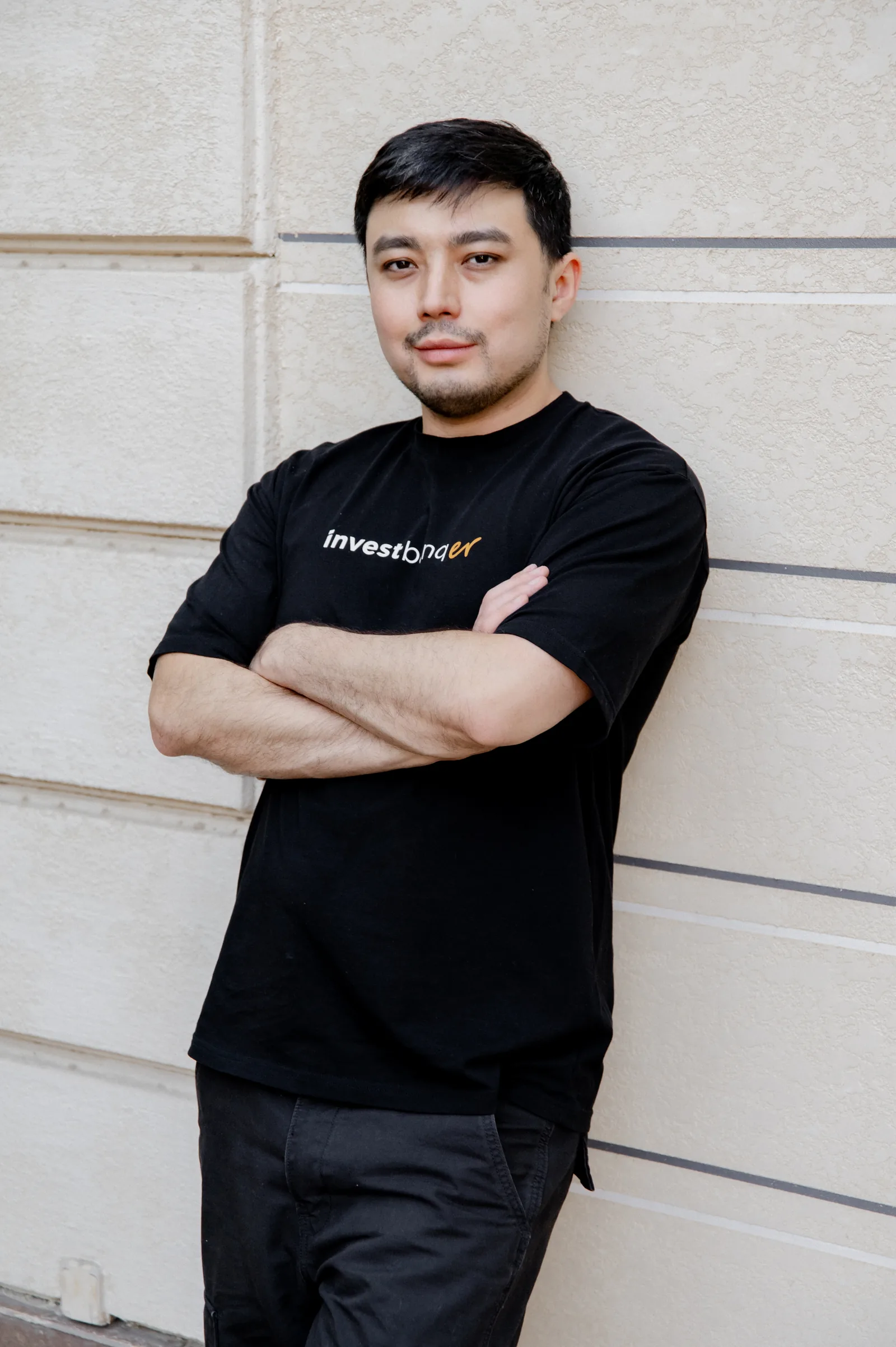
Olzhas Zhiyenkul, city — Singapore, CEO and Founder Investbanq, Instagram
For a responsible founder, an investment round is not a victory, but a credit of trust. It provides access to capital for growth and simultaneously brings high responsibility, which, without strict discipline, can lead to serious problems.
Over the years of working as a serial entrepreneur — from early projects to the development of Paladigm Capital and Investbanq — as well as in the role of a business angel, I have analyzed hundreds of startups and invested in dozens of them. Many of these companies subsequently became successful.
The main paradox is that with the steady attraction of new rounds, founders often develop an illusion of stability. This leads to a decrease in financial discipline and inefficient use of investor funds — with predictable consequences.
Of course, even responsible management does not guarantee success. Overall, startup statistics remain harsh: about 90% of projects close at early stages. In FinTech, the situation is exacerbated: large rounds can create a false sense of infinite access to capital. It is precisely this illusion that most often becomes the source of strategic errors.
Why startups break after scaling
When a project is in the survival stage, it is maximally efficient. But as soon as money comes for scaling, the "complexity trap" kicks in.
— communication breakdown: as the team grows from 5 to 50 people, the number of informational connections grows exponentially. If processes are not automated, which often happens in a hurry, the founder turns from a visionary into a "firefighter."
— premature scaling: this is a classic. A startup begins to pour huge budgets into marketing before achieving effective Product-Market Fit. As a result, you simply scale losses and inefficiency.
— loss of cultural code: in the market and in our ecosystem, we have often seen how new employees who have not undergone proper selection for Cultural Fit come with completely different, personal motivation, rather than to "create a big story." The spirit of a garage startup fades away, replaced by bureaucracy and an expectation of stability, where there should inherently be none.
Which mistakes become fatal after receiving investments
Money illuminates and amplifies the cracks in the foundation that were previously unnoticed.
— hiring "stars" for status: often founders spend cash on expensive top managers from corporations. But a standard corporate manager in a startup is like a Boeing pilot driving a kart: he waits for the stewardess and autopilot, whereas what is needed are leaders who are ready to turn the wheel and feel the asphalt regardless of previously held positions and activities.
— ignoring Unit Economics: when there are millions in the account, it seems that profitability can be delayed. But if customer acquisition cost is higher than the revenue from them, then scaling only brings you closer to a cash flow gap.
— loss of stakeholder prioritization: the founder starts spending 80% of their time on reports, board meetings, and preparation for the next round, instead of talking to users.
Why the team stops thinking in terms of the product
This is the most painful process. As soon as KPIs tied to "vanity metrics" appear, the focus shifts from value to numbers.
At Investbanq, we strictly monitor that every feature solves a specific pain point for the investor. But often in the industry, the following happens:
- Product managers turn into task administrators. They simply close tickets to spend the budget.
- Fear of making a mistake. With large amounts of money, the cost of a mistake seems higher. The team stops experimenting and starts choosing "safe" but mediocre solutions. Meanwhile, investors come to "risk on a big story," not to build another average company.
- Feature creep. The team starts adding features simply because "we have the resources to develop them," turning the product into an overloaded monster that is inconvenient to use.
How capital distorts priorities
Capital is fuel. If you pour racing fuel into an old engine, it will explode.
| Area | Before super-large rounds | After (distorted reality) |
|---|---|---|
| Marketing | Search for organic channels | Burning budget on Performance advertising |
| Product | Solving customer pain | Aligning Roadmap with investor expectations |
| Team | Universal fighters | Narrow specialists working "from A to Z," without strategic vision and understanding of the mission |
| Speed | Fast iterations | Long planning cycles |
Money creates an illusion of safety. The founder stops feeling the "bottom," and this is the most dangerous thing. In a series of investments, we always look at Risk-adjusted return. In startups, founders often forget about risks, seeing only potential Return.
Advice to founders: how to survive after success
Based on my experience in creating the Investbanq ecosystem and supporting innovations, I would highlight five rules:
- Don't fall in love with your product, fall in love with the customer. The product can change, but the customer's pain should remain your main guide.
- Keep Burn Rate under control. Spend money as if these are your last personal savings. Frugality is not poverty; it is a strategic advantage.
- Listen to data, not investor intuition. Investors, including me, can be wrong. Your users never are. If product metrics fall while marketing grows — stop and rebuild the product.
- Maintain transparency. After a round, the temptation to "glamorize" reporting is great. But honest dialogue with the team and shareholders about problems is the only way to solve them before they become fatal.
- Hire consciously, part ways without delay. Even with sufficient capital, every new employee must precisely match the task and team culture. Culture is not declarations, but behavior in the absence of control. For a manager, this is a skill that must be built over time; it eventually becomes an integral part of management.
Investments are just a tool. The true success of Investbanq or any other project is determined not by the amount of funds raised, but by how much value you created for the end consumer and for society as a whole, when the noise around the round subsides.
The Tech on Telegram Follow The Tech on Telegram
Keep up with the latest technology and startup news.
Related reading




More from this author

Article Useful
How to protect your accounts from hacking: 8 settings you should check today
The Tech

Article Useful
500 Global: How the Accelerator Works and Who Can Receive Investments
The Tech

Article Interviews
Game Development in Central Asia: Arkady Moldavski on Developing Reverb and the Growth of the Industry
The Tech

Article Useful
Google, Tesla, BlackRock, and the IMF: Where to Apply for an Internship in Fall 2026
The Tech

News IT
Tesla unveiled the flying electric car Roadster
The Tech

News IT
Intero Biosystems startup won the Startup Battlefield at TechCrunch Disrupt 2026
The Tech