"AI will not destroy jobs," co-founder of Andreessen Horowitz stated about the future of the economy
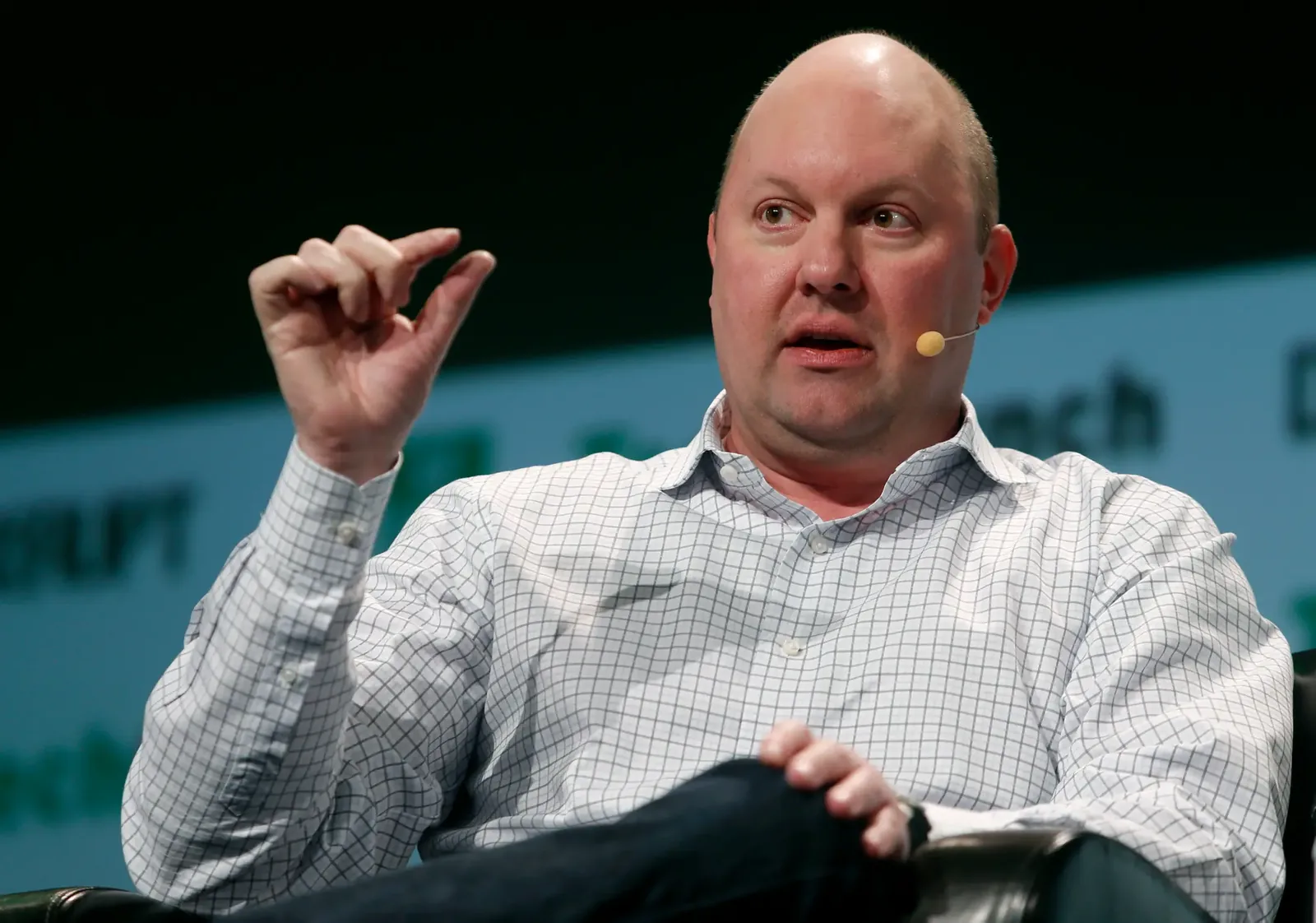
Andreessen Horowitz co-founder Marc Andreessen stated in an interview with Business Insider that AI is unlikely to destroy jobs and could help the global economy cope with labor shortages and slowing productivity growth, driven by declining birth rates and long-term economic trends.
Venture capitalist and Andreessen Horowitz co-founder Marc Andreessen believes that the primary fear surrounding AI—mass job destruction—is misdirected. In his view, the real threat lay in the trajectory the global economy would have followed without AI.
If technology had not advanced so rapidly, the world would already be in a state of panic regarding the economic future. Without a significant technological breakthrough, the global system would have faced a "future of depopulation": a shrinking workforce and slowing productivity growth would have led to stagnation or even economic contraction.
Research shows that over the past two decades, productivity growth in developed countries has remained historically weak and further slowed after the 2008 financial crisis—despite the rapid development of digital technologies. At the same time, birth rates in the US, Europe, China, and other developed regions have remained below replacement level—approximately 2.1 children per woman, which is necessary to maintain a stable population. Under these conditions, depopulation without new technological solutions would have meant inevitable economic shrinkage.
AI as a response to demographic decline
Andreessen's position aligns with warnings from demographers and technology leaders, including Elon Musk, who has repeatedly spoken about the risks of population decline. The US and European countries are already attempting to respond to this trend through pronatalist policies.
From an investor's perspective, artificial intelligence emerges precisely at the moment when it can compensate for labor shortages. Instead of massively displacing people, technology should fill the worker deficit and partially offset the lack of population growth.
However, the transformation of the labor market is inevitable. AI will change work at the level of individual tasks, automating parts of functions in engineering, design, and product management. However, he considers the scenario of sustained mass unemployment unlikely—unlike a number of prominent AI researchers, including Geoffrey Hinton, Roman Yampolskiy, and Stuart Russell.
Why AI could strengthen the economy
Even if productivity increases significantly, this would simply return the economy to the employment growth rates seen during past industrial upswings—which are usually associated with new opportunities rather than crisis.
Moreover, as the population shrinks and immigration slows, human labor in many countries may become more valuable. Remaining workers will be in short supply rather than under pressure from devaluation.
In the event of substantial productivity growth, another effect is possible—lower prices for goods and services, which would effectively lead to an improved standard of living even as some professions disappear. Economically, this can be compared to a significant increase in income for broad segments of the population.
Ultimately, his position boils down to one point: artificial intelligence does not undermine the economic future; on the contrary, it mitigates a much darker scenario associated with demographic decline and long-term stagnation.
The Tech on Telegram Follow The Tech on Telegram
Keep up with the latest technology and startup news.
Related reading




More from this author

Article Useful
How to protect your accounts from hacking: 8 settings you should check today
The Tech

Article Useful
500 Global: How the Accelerator Works and Who Can Receive Investments
The Tech

Article Interviews
Game Development in Central Asia: Arkady Moldavski on Developing Reverb and the Growth of the Industry
The Tech

Article Useful
Google, Tesla, BlackRock, and the IMF: Where to Apply for an Internship in Fall 2026
The Tech

News IT
Tesla unveiled the flying electric car Roadster
The Tech

News IT
Intero Biosystems startup won the Startup Battlefield at TechCrunch Disrupt 2026
The Tech